
Before choosing a lubricant, you need to consider five key questions: Are your operating conditions (like temperature, speed, and load) compatible? What viscosity suits your machinery’s needs? Which base oil performs best in your environment—paraffinic, naphthenic, or synthetic? What additives will protect against wear, corrosion, and sludge buildup? And finally, are the lubricant’s materials and standards aligned with safety, environmental, and compliance goals? Exploring these aspects thoroughly ensures optimal performance—keep going to understand how to make the best choice.
Key Takeaways
- What are the specific operating conditions (temperature, speed, load) of your machinery?
- What viscosity grade best matches your equipment’s speed and temperature requirements?
- Which base oil type (paraffinic, naphthenic, synthetic) suits your environment and performance needs?
- What additives are necessary to protect against wear, corrosion, and contamination in your application?
- Are your lubricant choices compliant with industry standards and environmentally sustainable requirements?

Kroil Pyrolube High-Temperature Lubricant – Industrial Non-Drip Grease for Furnaces, Kilns, Ovens, Chains & Conveyor Systems – Heat Resistant Lubricant – Can – 5 lb – 1 Pack (PG5P3)
- High Temperature Performance: Operates up to 1000°F (538°C)
- Graphite Lubrication: Reduces wear and metal contact
- Non-Drip Formula: Ensures clean, smooth lubrication
As an affiliate, we earn on qualifying purchases.
As an affiliate, we earn on qualifying purchases.
Why Do Operating Conditions Matter for Lubricant Selection?
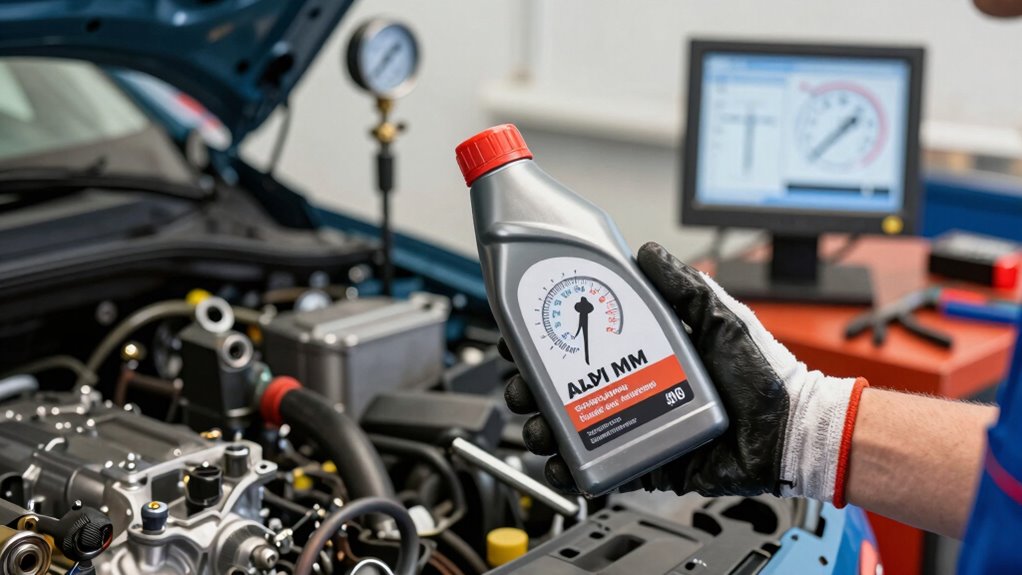
Operating conditions directly influence how well a lubricant performs and protects your machinery. If your equipment operates at high speeds or heavy loads, you’ll need a lubricant with the right viscosity to reduce friction and wear. Extreme temperatures, whether hot or cold, demand specific base oils to maintain stability and flow. Harsh environments with moisture, dust, or vibration require additives that prevent corrosion and handle contamination. Understanding these conditions helps you select a lubricant that matches your machinery’s demands, ensuring efficiency and longevity. Ignoring operating conditions can lead to premature failure, increased maintenance costs, and safety risks. By evaluating factors like temperature, load, and environmental exposure, you make smarter choices that optimize performance and safeguard your equipment over time. Proper lubricant selection ensures your machinery remains reliable under varying operating conditions.

STP Premium Synthetic Blend 4 Cycle Small Engine Oil, SAE 10w30 Motor Oil for Lawnmowers, Generators, Tractors, Snow Blowers, and More, 32 fl oz
- Engine Compatibility: Suitable for small engines like lawnmowers and generators
- Temperature Resistance: Fights thermal breakdown at high temperatures
- Engine Cleanliness: Prevents buildup and controls carbon deposits
As an affiliate, we earn on qualifying purchases.
As an affiliate, we earn on qualifying purchases.
How to Determine the Right Viscosity for Your Machinery?
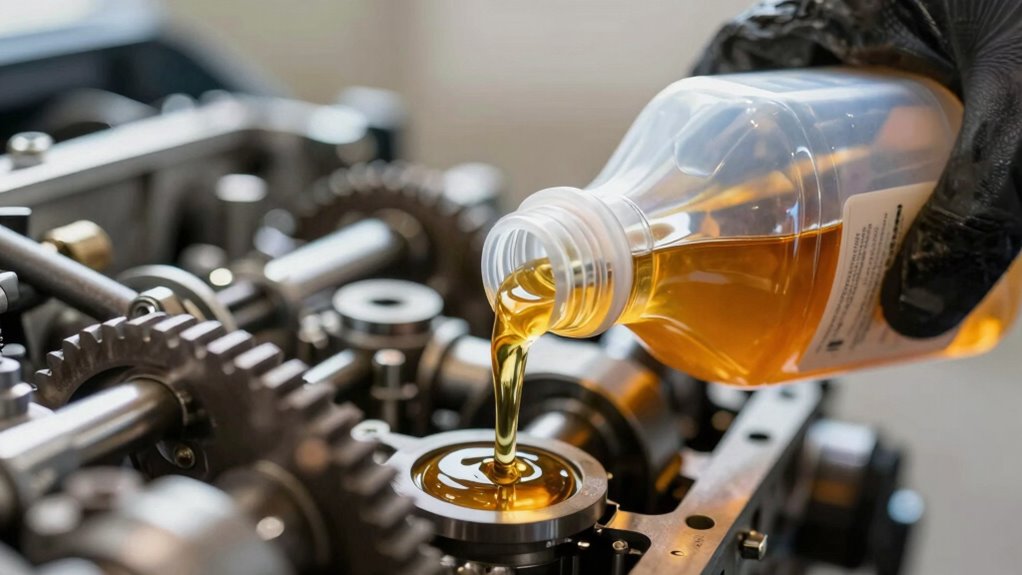
Choosing the right viscosity for your machinery begins with understanding how it operates at its usual speed and temperature. You need to match the lubricant’s viscosity to your equipment’s operating conditions, as this affects film thickness and wear protection. Refer to OEM manuals or previous lubricants used, focusing on the recommended viscosity grade, often expressed by ISO standards. Consider the machine’s speed—faster speeds require lower viscosity to reduce drag, while slower, heavily loaded equipment benefits from higher viscosity for better load-carrying capacity. Test the base oil viscosity with ASTM D2422 to guarantee consistency. Remember, selecting the correct viscosity is vital for peak performance, efficiency, and longevity of your machinery. Understanding viscosity is essential for making informed lubrication choices that optimize machinery operation.
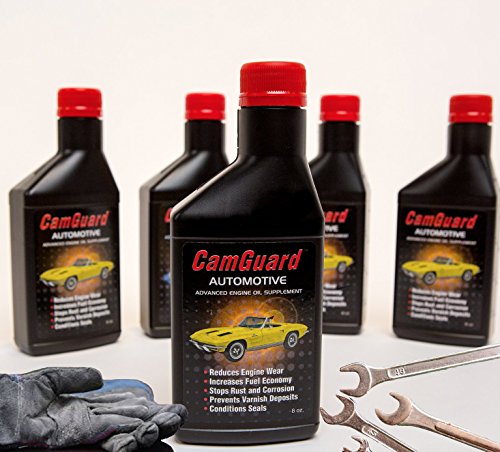
100% Oil Additive Concentrate – Reduce Wear, Corrosion, Dry Hard Seals and Eliminate Engine Deposits with CAMGUARD Engine Oil Additive. The Ultimate Oil Treatment on the Market.
- Full additive package: Provides superior wear protection
- No fillers, anti-friction: Focuses on five key performance areas
- Engine protection: Suitable for vintage and modern engines
As an affiliate, we earn on qualifying purchases.
As an affiliate, we earn on qualifying purchases.
Which Base Oil Is Best for Your Operating Environment?
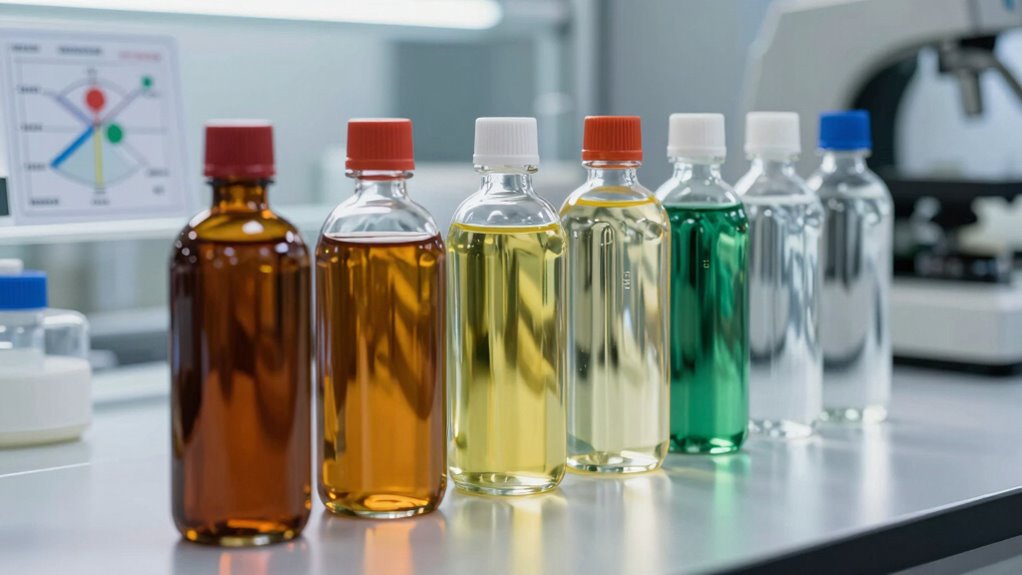
Selecting the right base oil depends on your environment’s temperature, moisture levels, and exposure to contaminants. For extreme temperatures, choose paraffinic oils for high heat stability or naphthenic oils for better cold flow. In moist or corrosive conditions, synthetic oils or highly refined mineral oils offer improved oxidation resistance and corrosion protection. Harsh environments with dust, chemicals, or water require oils with specific additive packages to prevent wear and degradation. Consider whether your equipment operates at high speeds or heavy loads, as this impacts viscosity and oil stability. Always review OEM recommendations and confirm that the base oil aligns with your operational demands. Exploring AI trends and creative uses can provide innovative solutions for monitoring and optimizing lubricant performance. Matching the right base oil ensures suitable performance, longer lubricant life, and reduced maintenance costs in challenging environments.

Petrol-Gel Food Grade Equipment Lubricant NSF – Premium Mineral Oil for Food Grade Grease Applications, Commercial Multipurpose – Pack of 2
- NSF Approved: Certified for food processing equipment
- Food Safe: Safe for all food processing appliances
- Maximum Performance: Reduces friction and wear
As an affiliate, we earn on qualifying purchases.
As an affiliate, we earn on qualifying purchases.
What Additives Will Protect and Enhance Your Lubricant?
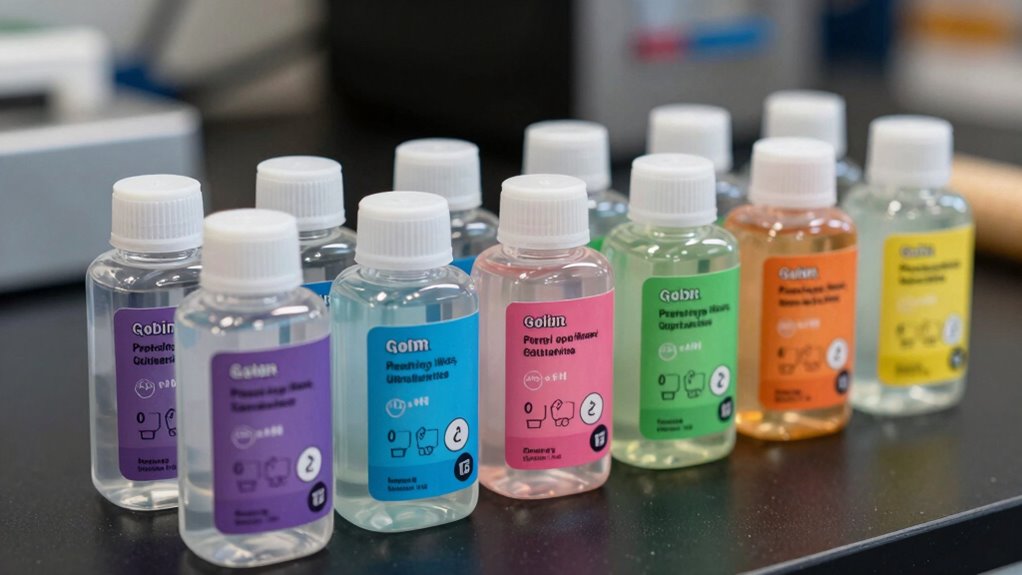
Have you considered how additives can dramatically improve your lubricant’s performance and longevity? Additives serve specific functions that protect components and enhance efficiency. Extreme pressure (EP) additives prevent metal-to-metal contact under heavy loads, reducing wear. Rust and oxidation inhibitors guard against corrosion and extend oil life, especially in moist environments. Detergents and dispersants keep engines clean by preventing sludge and deposit buildup. Viscosity index improvers help maintain ideal flow across temperature ranges, guaranteeing consistent lubrication. For gear oils, anti-wear (AW) additives minimize wear at high loads. Compatibility is vital; using incompatible additives can cause gaskets or seals to degrade. Additionally, selecting appropriate additives for your specific environment ensures optimal protection and performance. Ultimately, selecting the right additives depends on your machinery’s operating conditions and desired performance outcomes. Proper additive selection ensures your lubricant performs reliably, protecting your equipment over the long term.
How to Ensure Compatibility, Compliance, and Sustainability in Your Lubricants?
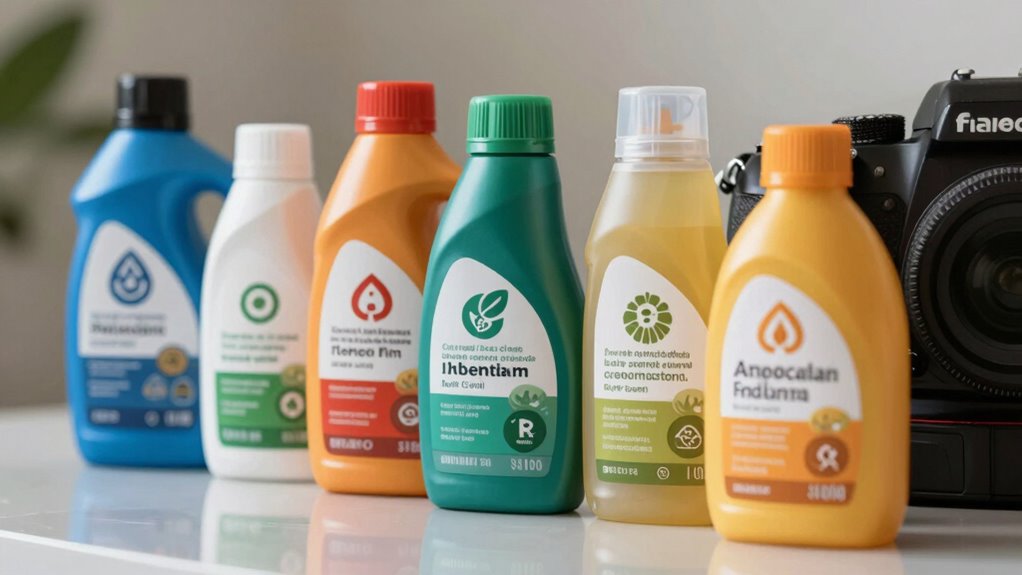
Ensuring compatibility, compliance, and sustainability in your lubricants requires careful attention to formulation and sourcing. You must verify that lubricants work with existing seals, metals, and polymers to prevent degradation. Compliance involves adhering to standards like ISO, NSF, and REACH, ensuring safety and regulatory approval. Sustainability demands selecting biodegradable options and environmentally friendly ingredients. Consider the following factors:
| Compatibility Factors | Compliance & Sustainability Factors |
|---|---|
| Seal and gasket compatibility | Regulatory certifications (ISO, NSF) |
| Metal and polymer interactions | Eco-friendly, biodegradable content |
| Water washout resistance | GHS, OSHA health standards |
| Corrosion resistance | Responsible sourcing and certifications |
| Physical properties stability | Environmental impact reduction |
Frequently Asked Questions
How Often Should Lubricant Samples Be Tested for Quality Assurance?
You should test lubricant samples regularly, ideally every 3 to 6 months, depending on usage and operating conditions. For critical machinery, more frequent testing is essential to guarantee peak performance. Keep an eye on changes in viscosity, contamination, and additive levels. Consistent testing helps detect potential issues early, preventing equipment failure and maintaining safety standards. Always follow your manufacturer’s recommendations for specific testing intervals.
What Are the Long-Term Effects of Incompatible Lubricants on Equipment?
Incompatible lubricants are like mixing oil and water—over time, they cause corrosion, seal damage, and increased wear. You might notice machinery running hotter or more loudly, leading to costly breakdowns. Studies show that using incompatible lubricants can shorten equipment lifespan by up to 30%. So, always guarantee your lubricants are compatible; otherwise, you risk compromising your equipment’s reliability and incurring expensive repairs.
How Do Environmental Regulations Influence Lubricant Formulation Choices?
Environmental regulations heavily influence your lubricant formulation choices. You must prioritize eco-friendly ingredients, such as biodegradable oils, and guarantee compliance with standards like OECD 301B. You also need to take into account safety certifications like NSF H1 for food-grade applications. Regulations may restrict certain additives or base oils, so you must select products that meet environmental and health standards while maintaining performance in harsh conditions.
What Training Is Required for Personnel Handling Specialized Lubricants?
You need proper training in handling specialized lubricants to guarantee safety and effectiveness. This includes understanding the specific properties of the lubricants, such as viscosity, additives, and compatibility. You should also learn proper storage, handling procedures, and emergency measures. Familiarity with regulatory standards like NSF H1 or OSHA guidelines is essential. Regular updates on new products and safety protocols help prevent accidents and maintain ideal equipment performance.
How Can Lubricant Lifecycle and Disposal Impact Environmental Sustainability?
Sure, disposing of used lubricants thoughtfully is just a tiny detail, right? Wrong. It impacts your environmental footprint more than you think. Proper recycling or disposal prevents soil and water contamination, reduces hazardous waste, and aligns with regulations. Ignoring lifecycle management might seem easier now, but it leads to bigger problems down the line—costly cleanup, legal issues, and bad publicity. So, handle your lubricant waste responsibly, and you’ll save the planet (and your reputation).
Conclusion
Choosing the right lubricant is like finding the perfect key for a lock—you need to match it precisely. By answering these five questions, you’ll ensure your machinery runs smoothly, efficiently, and sustainably. Don’t rush the process; taking the time to select wisely can prevent costly repairs down the line. Remember, a well-chosen lubricant is the silent hero that keeps your equipment humming like a finely tuned orchestra.