
Even if you don’t see foam, tiny air bubbles in your oil can still cause damage. These invisible bubbles accelerate oxidation, leading to faster degradation, odors, and harmful compounds forming. This process lowers oil quality and reduces its protective properties, both in cooking and machinery. By understanding how aeration works beneath the surface, you can take steps to minimize it. Keep going, and you’ll discover how to keep your oil fresh and effective longer.

Get business pricing on garage and car supplies
- Business-only prices and quantity discounts
- Tax-exempt purchasing
- Multiple users, one account, clear invoices
Key Takeaways
- Invisible air bubbles in oil accelerate oxidation, leading to degradation and reduced protective qualities.
- Aeration occurs during pouring, stirring, or agitation, trapping tiny air pockets beneath the surface.
- Even without visible foam, trapped bubbles expose oil to oxygen, causing chemical breakdown over time.
- Preventing aeration involves careful handling, proper sealing, and slow pouring to minimize bubble formation.
- Managing hidden air content maintains oil’s integrity, prolongs lifespan, and preserves its lubricating and protective functions.
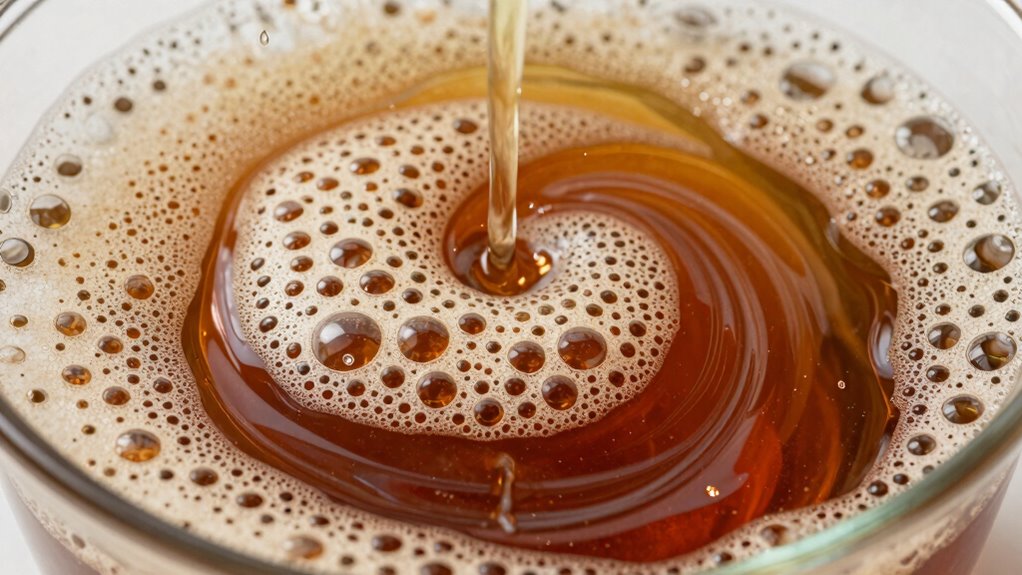
Oil Aeration
Have you ever wondered how oil becomes more effective in cooking or machinery? The answer lies in understanding the subtle processes that can weaken its performance, like oil degradation and aeration. When oil is exposed to air, it absorbs oxygen, which initiates chemical changes leading to oil degradation. This breakdown not only diminishes the oil’s quality but also reduces its lubricating and cooking properties. The more the oil degrades, the less effective it becomes, potentially causing machinery to operate less smoothly or food to not cook evenly. That’s why preventing aeration is vital; it helps keep the oil stable, extending its lifespan and maintaining its protective qualities.
Aeration occurs when tiny air bubbles get trapped within the oil, often during pouring, stirring, or agitation. These invisible bubbles may seem insignificant, but they’re a silent threat. They accelerate oil oxidation by increasing the oil’s exposure to oxygen, speeding up oil degradation. Over time, this process can lead to increased viscosity, unpleasant odors, or even the formation of harmful compounds. If you’re unaware of these hidden bubbles, you might think your oil is still good, but in reality, it’s losing its effectiveness quietly. That’s why aeration prevention isn’t just about avoiding foam on the surface; it’s about maintaining the oil’s integrity underneath.
To effectively prevent aeration, you need to handle oil carefully. Use containers that minimize agitation when pouring, and avoid overfilling tanks or reservoirs. When working with oil in machinery, ensure that systems are properly sealed and that vents are functioning correctly. Proper filtration can also help remove entrapped air and contaminants before they cause damage. In cooking, pouring slowly and avoiding rapid stirring can reduce the formation of air bubbles. These small adjustments may seem minor, but they profoundly impact the longevity and performance of your oil. Additionally, understanding oil stability can help you choose the right storage and handling practices to minimize aeration and degradation.
As an affiliate, we earn on qualifying purchases.
Frequently Asked Questions
How Does Oil Aeration Affect Engine Performance?
Oil aeration can diminish your engine’s performance by disrupting oil viscosity, making it less effective at lubrication. When air intrudes into the oil, it creates foam that reduces the oil’s ability to protect engine parts. This not only increases wear but also hampers efficiency. To prevent this, make sure your oil system seals properly and uses the right oil type, minimizing air intrusion and maintaining ideal viscosity for smooth engine operation.
Can Oil Aeration Damage Engine Components Over Time?
Yes, oil aeration can damage engine components over time. When oil becomes aerated, it reduces oil viscosity, compromising lubrication. This can lead to increased crankcase pressure, stressing engine parts and causing wear or damage. Continuous exposure to aerated oil hampers proper lubrication, accelerating component deterioration. To protect your engine, maintain proper oil levels, avoid aggressive driving, and make sure your oil is free from excessive foaming or aeration.
What Are the Signs of Excessive Oil Aeration?
You’ll notice oil foaming and air bubbles in your oil when it’s excessively aerated. It’s like a bubbling cauldron, signaling trouble beneath the surface. These signs indicate too much air mixing with the oil, reducing lubrication and protection. If you see persistent foam or air bubbles, it’s a warning to check your oil system. Ignoring these signs can lead to engine wear and damage over time.
How Can Oil Aeration Be Minimized During Oil Changes?
To minimize oil aeration during oil changes, you should ensure the oil viscosity matches the manufacturer’s recommendations. Also, check that breather valves are functioning properly, as they help release trapped air. Pour oil slowly to prevent turbulence and aeration. Keep the oil fill cap secure, and avoid overfilling. These steps reduce foam formation and protect your equipment by maintaining ideal oil performance.
Does Oil Aeration Impact Fuel Efficiency?
Oil aeration can negatively impact your fuel efficiency because it reduces oil viscosity and additive stability, leading to less effective lubrication. When oil becomes aerated, it doesn’t flow as smoothly, causing your engine to work harder and consume more fuel. To minimize this effect, guarantee proper oil changes, use high-quality oil, and avoid overfilling. Keeping your oil stable and properly viscous helps maintain ideal engine performance and fuel economy.
oil storage containers with sealing lids
As an affiliate, we earn on qualifying purchases.
As an affiliate, we earn on qualifying purchases.
Conclusion
Remember, a little prevention goes a long way. Even if you can’t see the foam, aeration can still threaten your oil’s protection. Keep an eye on it, maintain proper levels, and stay proactive. Don’t let small issues turn into big problems—an ounce of prevention is worth a pound of cure. By staying vigilant, you’ll keep your engine running smoothly and extend its life. Stay attentive, and you’ll avoid surprises down the road.
oil filtration systems for machinery
As an affiliate, we earn on qualifying purchases.
As an affiliate, we earn on qualifying purchases.
As an affiliate, we earn on qualifying purchases.
Fall Picks
fall essentials
As an affiliate, we earn on qualifying purchases.