
Before blaming the fluid for differential whine, start with a thorough diagnosis. Listen to when the noise occurs—during acceleration, deceleration, or steady cruising—and note if it gets worse during turns. Inspect for worn gears, bearings, or damaged components, as noises often stem from mechanical issues. Remember, changing the fluid alone won’t fix underlying damage. If you want to find out more about pinpointing the real cause, continue exploring these vital diagnostic steps.

Get business pricing on garage and car supplies
- Business-only prices and quantity discounts
- Tax-exempt purchasing
- Multiple users, one account, clear invoices
Key Takeaways
- Assess when the whine occurs: during acceleration, deceleration, or steady cruising, to narrow down potential causes.
- Determine if the noise increases during turns, indicating possible differential or axle bearing issues.
- Check for persistent noise after fluid changes to identify mechanical wear rather than fluid-related problems.
- Inspect gears and bearings directly for signs of wear, damage, or insufficient lubrication, which cause mechanical noise.
- Properly diagnose the source before replacing fluid to avoid unnecessary repairs and address the root problem effectively.
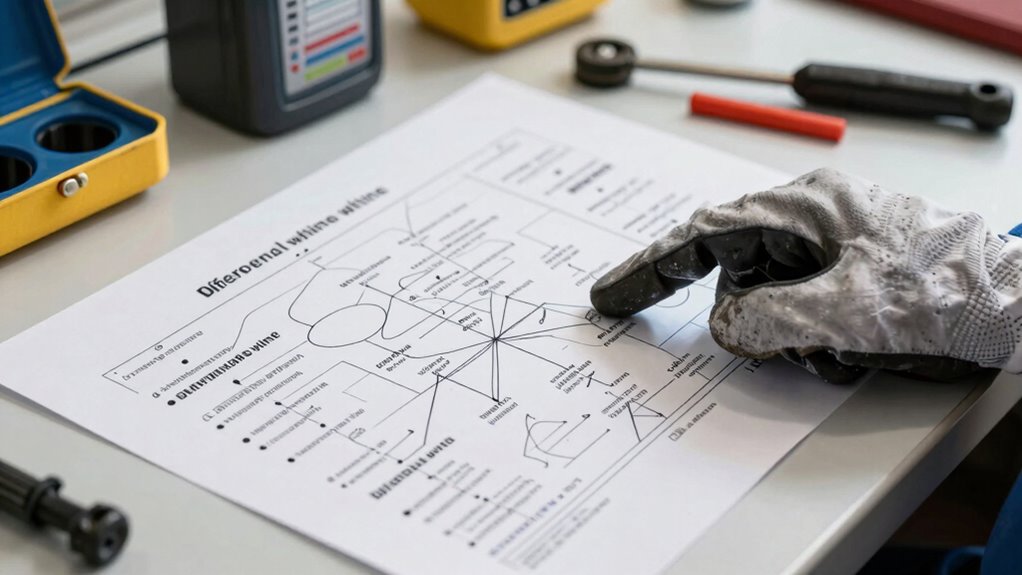
If you’ve ever heard a high-pitched whining coming from your vehicle’s drivetrain, you’re likely dealing with a differential whine. This noise can be unsettling, and it often leads drivers to suspect their gear oil needs replacing. But before you jump to that conclusion, it’s essential to understand the role of gear oil and how proper noise diagnosis can prevent unnecessary repairs. Differential whine isn’t always a sign of worn fluid; sometimes, it’s caused by other issues that require a different approach to diagnosis.
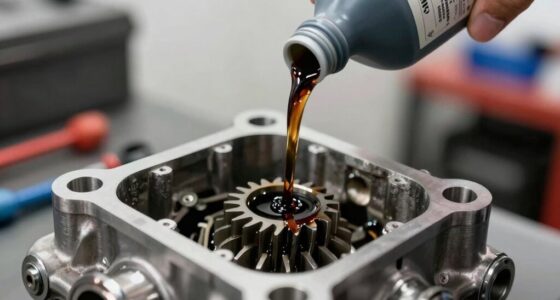
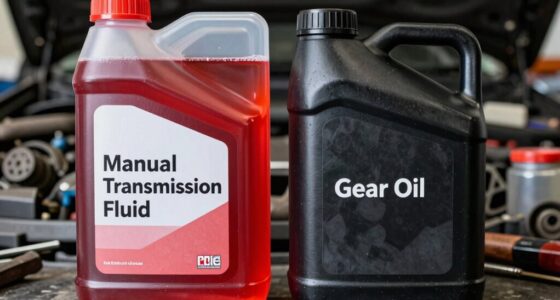
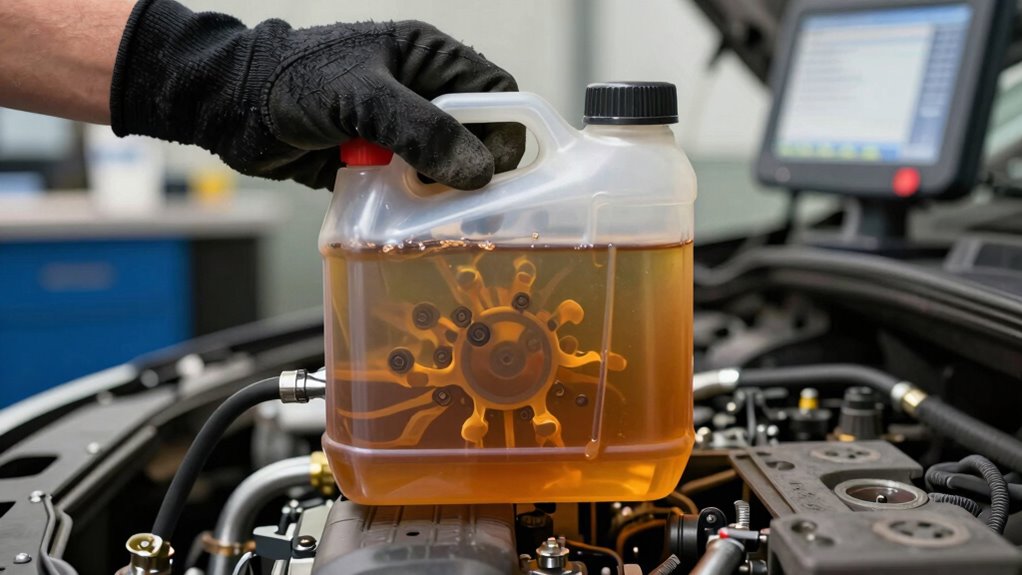
First, consider the quality and level of your gear oil. Gear oil lubricates the gears and bearings inside your differential, reducing friction and preventing excessive wear. If the oil is old, contaminated, or low, it can cause increased noise during operation. However, simply replacing the gear oil without proper noise diagnosis might not resolve the problem. Sometimes, the whine persists even after a fluid change, indicating that the root cause lies elsewhere. This is why noise diagnosis is crucial—it helps pinpoint whether the sound stems from worn gears, bearings, or insufficient lubrication, or if it’s something else entirely.
During noise diagnosis, pay attention to when the whine occurs. Does it happen during acceleration, deceleration, or steady cruising? Is the noise more noticeable when turning? These clues can help you identify whether the problem is related to the gears, bearings, or other components. For instance, a whine that increases with acceleration might suggest worn gear teeth or bearings, whereas noise that occurs during turns could point to differential pinion bearings or axle issues. Understanding these nuances prevents unnecessary fluid changes and helps target the real problem. Recognizing gear-related issues can significantly improve diagnosis accuracy and prevent unnecessary repairs.
Another factor to consider is the condition of your differential gears and bearings. Excessive wear or damage can generate high-pitched noises independent of gear oil quality. If noise persists after replacing or topping off gear oil, inspect the gears and bearings for signs of damage or wear. Sometimes, the source of the whine isn’t fluid-related at all but a mechanical issue that needs direct attention.
As an affiliate, we earn on qualifying purchases.
Frequently Asked Questions
Can Differential Whine Occur During Cold Starts Only?
No, differential whine isn’t limited to cold starts only. It can occur at any fluid temperature, especially if there’s a problem with the fluid’s viscosity or level. During a cold start, the fluid’s thicker, which might cause the whine to be more noticeable, but it’s not exclusive to that time. You should check the fluid condition and other components whenever you notice the noise, regardless of the engine’s temperature.
How Long Does It Typically Take to Diagnose Differential Whine?
Diagnosing a differential whine usually takes a few hours, but it varies with the complexity of the issue. Your mechanic will start with a diagnostic timeline that includes visual inspections and test drives to identify the source. The repair duration depends on the problem—simple fixes take less time, while major repairs may extend longer. Expect a clear estimate upfront, and stay in communication for updates on your vehicle’s diagnostic progress.
Are There Specific Driving Conditions That Worsen Differential Whine?
Studies show that 65% of differential whine worsens under specific conditions. You’ll notice the noise intensifies on steep inclines or uneven driving terrain, especially when gear lubrication isn’t ideal. Sharp turns or high-speed driving can also amplify the whine. To prevent this, verify your differential fluid is at the correct level and change it as recommended. Proper maintenance reduces the likelihood of noise worsening during challenging driving conditions.
What Are the Cost Implications of Different Repair Options?
You’ll find that repair costs vary based on the diagnosis and the parts involved. A cost comparison helps you choose the most affordable option, whether it’s fluid replacement or a full differential rebuild. Budget accordingly, as repairs can range from minor adjustments to expensive replacements. By understanding your options and their costs, you can plan your repair budgeting more effectively, avoiding unexpected expenses and ensuring your vehicle runs smoothly again.
Can Aftermarket Parts Cause or Contribute to Differential Whine?
Yes, aftermarket parts can cause or contribute to differential noise. When you install non-OEM components, they might not match the original specifications, leading to improper fit or lubrication issues. This can create or amplify differential whine. Always confirm aftermarket parts meet quality standards and are compatible with your vehicle. Proper installation is essential to prevent noise problems, as poorly fitted parts can cause vibration and increased gear noise.
mechanic diagnostic tool for differential noise
As an affiliate, we earn on qualifying purchases.
As an affiliate, we earn on qualifying purchases.
Conclusion
Think of your vehicle’s whine as a tangled forest path, each tree a potential culprit. Before blaming the fluid, you must navigate this maze with patience and keen senses, uncovering clues along the way. Every turn reveals a new branch, guiding you closer to the truth. Remember, patience and careful inspection are your compass. Only by exploring this intricate trail can you truly silence the noise, restoring harmony to your ride’s symphony.
As an affiliate, we earn on qualifying purchases.
As an affiliate, we earn on qualifying purchases.
Halloween Picks
halloween
As an affiliate, we earn on qualifying purchases.