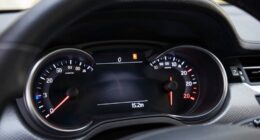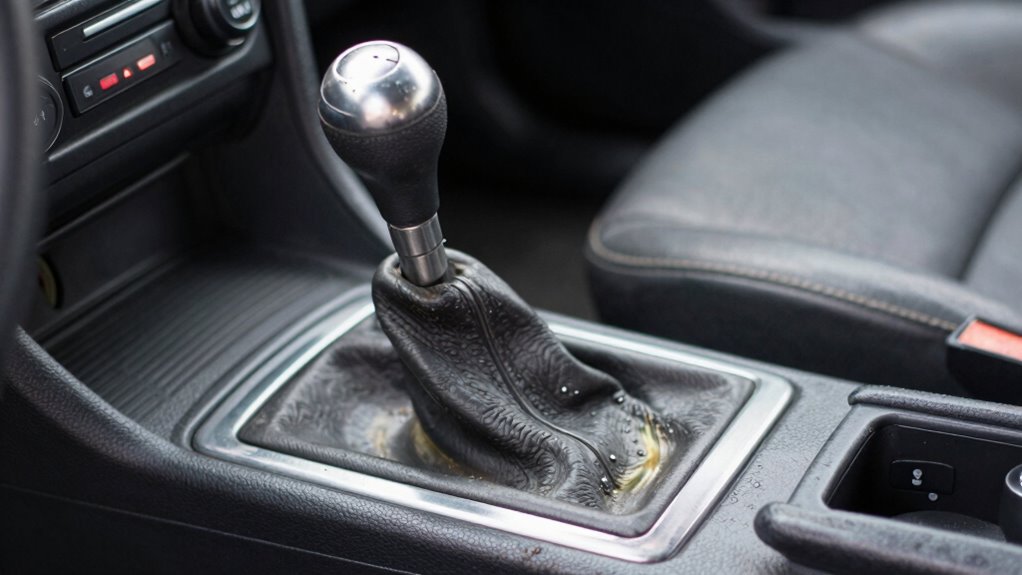
Manual transmission overheating isn’t always caused by abuse or reckless driving. It can happen due to mechanical factors like low or contaminated transmission fluid, which reduces cooling and lubrication. Environmental factors such as high temperatures or heavy loads also play a role. Additionally, worn-out clutch components or poor maintenance can lead to excessive friction and heat buildup. Understanding these less obvious causes can help you prevent overheating—stay with us to learn more about keeping your transmission in top shape.

Get garage and car supplies delivered free — and shop member deals
- Fast, free delivery on millions of items
- Access to Prime Big Deal Days deals on October 6–7
- Prime Video, Amazon Music and more included
Key Takeaways
- Mechanical issues like worn clutch components or misadjustment can cause overheating without driver abuse.
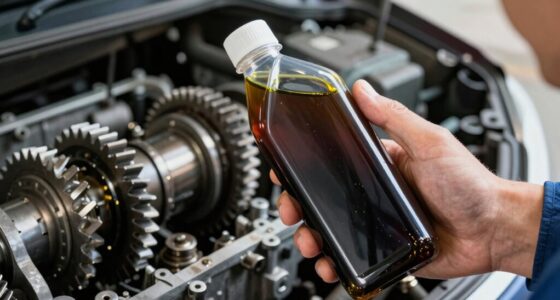
- Contaminated or low transmission fluid reduces cooling efficiency, leading to overheating.
- External factors such as high ambient temperatures or hilly terrains stress the transmission system.
- Internal component expansion from heat can cause seizure or increased friction, not necessarily due to abuse.
- Lack of proper maintenance, like infrequent fluid changes, can lead to overheating independent of driving behavior.
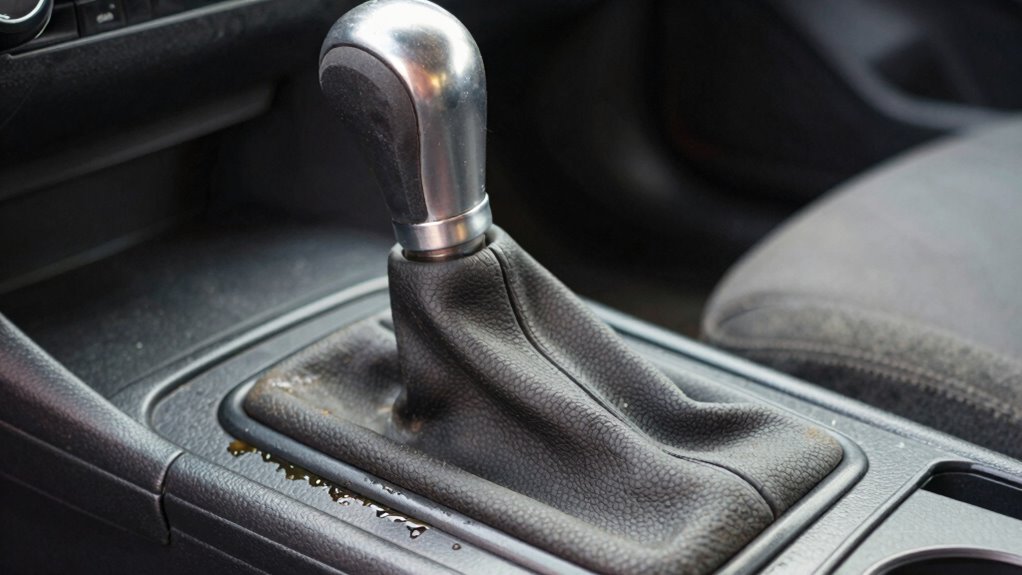
Manual transmission overheating can occur when the system is under excessive stress or lacks proper maintenance. When your transmission gets too hot, it can lead to serious issues like clutch slipping or gear grinding, which might seem like signs of driver error but often aren’t. Instead, overheating can stem from underlying mechanical problems or environmental factors that you might not immediately suspect.
Clutch slipping is one of the most common signs that your transmission is overheating. If you notice your engine revving higher than usual without a corresponding increase in vehicle speed, your clutch may be slipping. This usually happens because the clutch disc is overheating and losing its grip, often due to worn-out clutch components or improper adjustment. When the clutch slips, it creates excess friction and heat, further raising the temperature of the transmission system. Over time, this cycle worsens, leading to a crucial rise in temperature, which accelerates wear and can cause more severe damage.
Clutch slipping signals overheating and potential transmission damage.
Gear grinding is another indicator of overheating and mechanical strain. If you hear grinding noises when shifting gears, it’s a sign that your transmission isn’t smoothly engaging. This can occur when the transmission fluid is low or degraded, or if the clutch isn’t fully disengaging. When the system struggles to shift properly, it generates additional heat from the increased friction and mechanical resistance. Persistent gear grinding not only damages the gears but also contributes to overheating, compounding the problem and risking costly repairs.
Beyond clutch slipping and gear grinding, other factors contribute to overheating. For example, low or contaminated transmission fluid hampers cooling and lubrication, causing parts to generate more heat as they grind against each other. Driving in hilly terrains or heavy traffic can also put extra stress on your transmission, especially if you’re frequently engaging in stop-and-go driving or towing heavy loads. When the transmission overheats, its internal components expand and can seize up, leading to even more severe damage.
To prevent overheating, regular maintenance is crucial. Ensuring your transmission fluid is at the right level and replacing it according to your vehicle’s schedule can substantially lower the risk. Pay attention to signs of clutch wear or fluid leaks, and address issues promptly before they escalate. If you experience clutch slipping or gear grinding, don’t ignore these symptoms—they’re often early warnings of overheating that, if left unchecked, can lead to costly repairs and even total transmission failure. Proper care and timely repairs keep your manual transmission running cool and smoothly, avoiding the pitfalls of overheating. Additionally, maintaining optimal thermal management strategies can significantly extend the lifespan of your transmission components.
manual transmission fluid change kit
As an affiliate, we earn on qualifying purchases.
As an affiliate, we earn on qualifying purchases.
Frequently Asked Questions
Can Low Transmission Fluid Cause Overheating?
Yes, low transmission fluid can cause overheating because it hampers transmission cooling. When fluid levels drop, the fluid viscosity decreases, reducing its ability to lubricate and dissipate heat effectively. This can lead to increased friction and heat buildup within your transmission. To prevent overheating, make sure your transmission fluid is at the proper level and maintained regularly, especially if you notice any signs of overheating or shifting issues.
How Does Climate Affect Manual Transmission Temperature?
Climate impact plays a significant role in your manual transmission’s temperature regulation. Hotter environments cause the transmission fluid to heat up faster, increasing the risk of overheating. Cold climates might slow down heat dissipation, affecting performance. You should pay attention to how temperature fluctuations affect your vehicle, especially during extreme weather. Proper maintenance, like checking fluid levels and ensuring cooling systems work efficiently, helps your transmission stay cool regardless of climate conditions.
Are Aftermarket Clutches More Prone to Overheating?
Aftermarket clutches can be more prone to overheating, especially if you choose materials like organic or ceramic compounds that handle heat differently. Upgrades focused on performance often prioritize grip over heat dissipation, which can lead to higher temperatures during aggressive driving or constant use. If you’re considering aftermarket upgrades, make sure the clutch material fits your driving style to prevent overheating issues and guarantee durability.
What Are the Signs of Imminent Manual Transmission Failure?
You’ll notice signs of imminent manual transmission failure if you experience gear wear, which causes difficulty shifting or grinding noises. Clutch slippage is another red flag, making it hard to accelerate or maintain power. Pay attention to a burning smell or increased effort when shifting. These symptoms indicate your transmission may need repairs soon, so don’t delay checking it out to avoid more costly damage.
How Often Should I Check Transmission Fluid Levels?
You should check your transmission fluid levels at least every 30,000 miles or during your regular maintenance schedule. Ironically, many ignore this simple step until symptoms appear. A quick fluid check helps prevent overheating and costly repairs. Keep a routine, and don’t wait for warning signs—staying proactive guarantees your manual transmission stays smooth and reliable, saving you money and headaches down the road.
As an affiliate, we earn on qualifying purchases.
Conclusion
Remember, overheating in your manual transmission isn’t always a sign of abuse—it’s like a warning light blinking on your dashboard. By understanding the causes, such as fluid issues or cooling problems, you can act before things turn into a costly breakdown. Stay vigilant and keep your transmission running smoothly like a well-oiled machine. When you catch the warning signs early, you’re steering clear of trouble and keeping your ride on the road longer.
As an affiliate, we earn on qualifying purchases.
As an affiliate, we earn on qualifying purchases.
Fall Picks
fall essentials
As an affiliate, we earn on qualifying purchases.