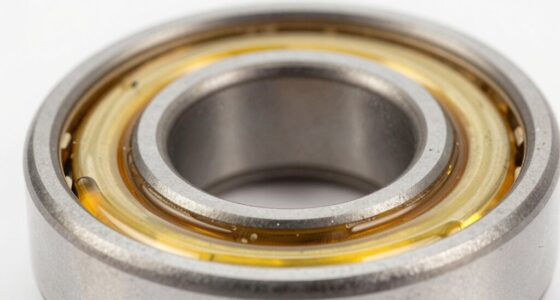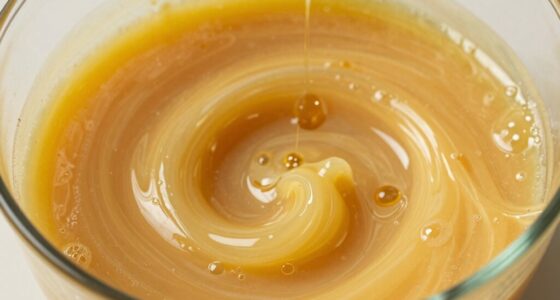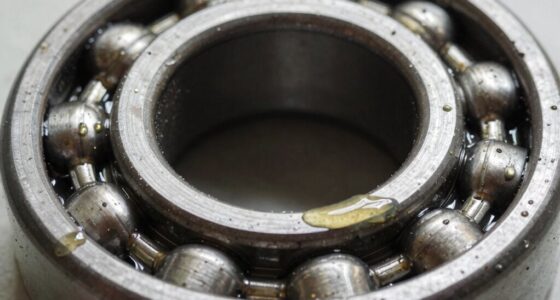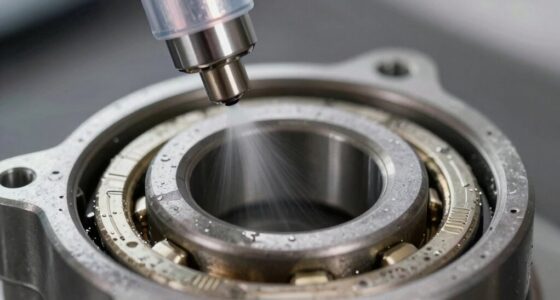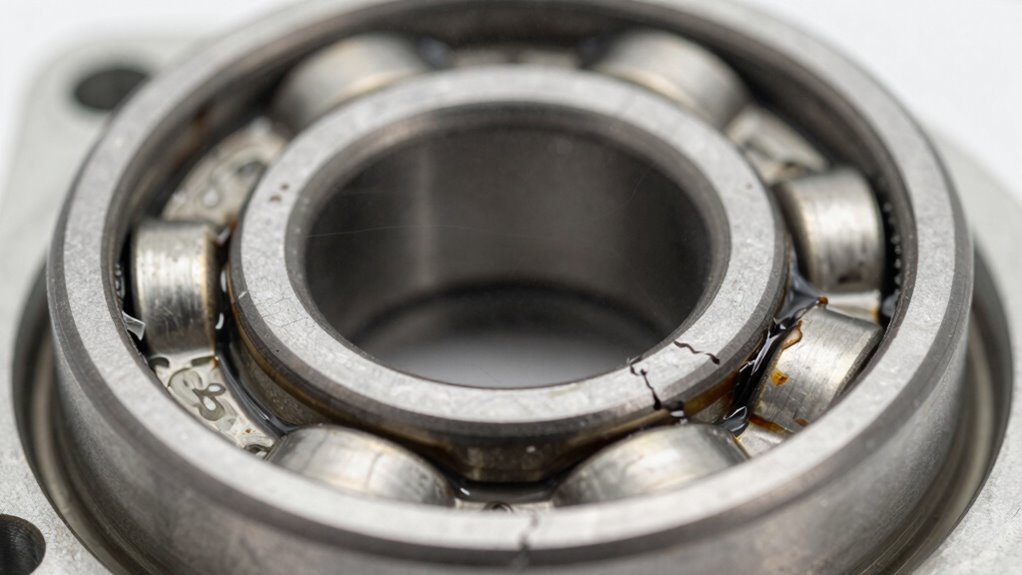
Using incompatible or improper greases on your electric motor bearings can cause overheating because the wrong lubricant may react chemically or separate, impairing lubrication and increasing friction. This leads to excessive heat buildup, grease breakdown, and faster wear of bearings. To prevent this, you need to choose a lubricant designed for your motor’s conditions, with the right viscosity and stability. Keep going, and you’ll discover how selecting the right grease keeps your motor running cool and reliable.

Get business pricing on garage and car supplies
- Business-only prices and quantity discounts
- Tax-exempt purchasing
- Multiple users, one account, clear invoices
Key Takeaways
- Incompatible greases can cause chemical reactions or phase separation, increasing friction and heat in bearings.
- Using grease with improper viscosity or thermal stability impairs heat dissipation, leading to overheating.
- Greases lacking antioxidants or thermal stabilizers break down faster, generating excess heat and reducing bearing lifespan.
- Mixing different types of lubricants may produce incompatible compounds, causing increased friction and temperature rises.
- Over-lubrication or poor application practices can trap heat, especially with unsuitable greases, resulting in bearing overheating.
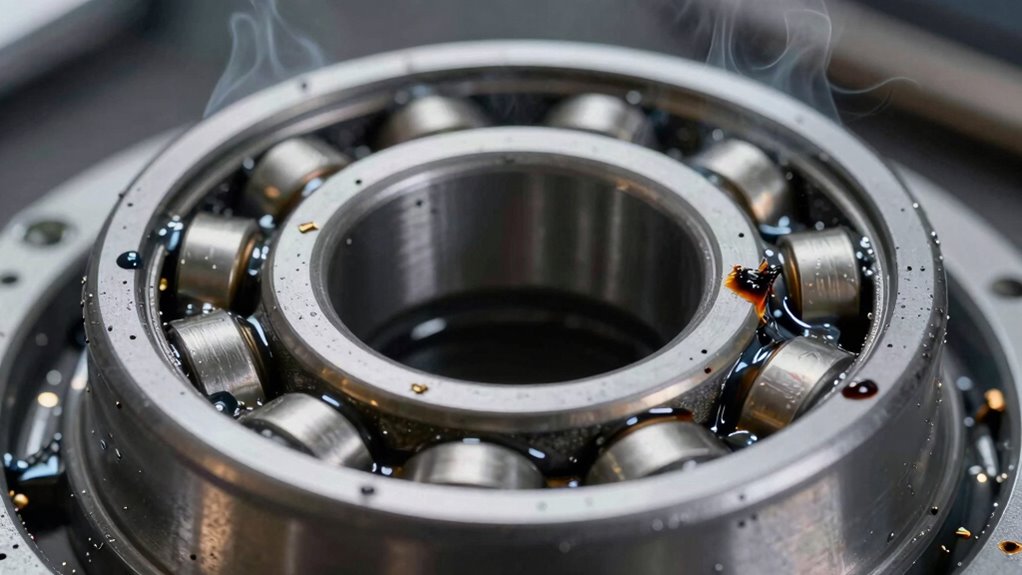
Have you ever wondered how electric motors run so smoothly and efficiently? The secret lies largely in the bearings and the lubrication that keeps them functioning properly. Bearings are essential components that reduce friction and support the rotating shaft, but their performance hinges on choosing the right grease. When selecting lubricants, lubrication compatibility is key. Not all greases work well together, and using incompatible lubricants can lead to serious issues, including overheating. If you mix greases that don’t share the same base oils or thickening agents, it can cause chemical reactions or separation, impairing the grease’s ability to lubricate. This breakdown increases friction and heat, jeopardizing the bearing’s longevity and the motor’s overall efficiency.
Bearing temperature management is equally important. When bearings operate under ideal conditions, they stay within a safe temperature range, ensuring minimal wear and prolonged service life. However, if the grease isn’t suitable or if lubrication isn’t adequate, the bearings can overheat. Overheating isn’t just uncomfortable for the motor; it’s a sign that something’s wrong. Excess heat can accelerate material degradation, cause grease to break down prematurely, and even lead to bearing failure. That’s why understanding how to manage bearing temperature is essential. Good lubrication practices involve selecting a grease with the proper viscosity and thermal stability that can handle the motor’s operating environment. High-quality greases designed for electric motors often include antioxidants and other additives that improve thermal stability and prevent breakdown at elevated temperatures.
Proper lubrication not only reduces friction but also helps carry away heat generated during operation. Additionally, understanding the role of additives in grease formulations can significantly impact thermal performance and longevity. Part of effective bearing temperature management involves regular monitoring. You should check for signs of overheating, such as discoloration, unusual noise, or vibrations. When you notice these signs, it’s time to assess whether the lubricant is compatible and whether the bearing is properly lubricated. Proper lubrication not only reduces friction but also helps carry away heat generated during operation. If the grease is incompatible or too thick, it can trap heat, causing the bearing temperature to rise sharply. Conversely, if the grease is too thin or worn out, it won’t adequately protect the bearing, leading to increased friction and heat buildup. Ensuring you use the correct grease for your specific motor and operating conditions is the most effective way to prevent overheating.
As an affiliate, we earn on qualifying purchases.
Frequently Asked Questions
How Often Should Electric Motor Bearings Be Lubricated?
You should lubricate electric motor bearings based on their recommended lubrication intervals, typically every 3,000 to 5,000 hours of operation or as specified in your maintenance schedules. Regular lubrication prevents overheating and extends bearing life. Always monitor bearing temperature and condition, adjusting lubrication frequency if you notice signs of excessive heat or wear. Consistent maintenance ensures peak performance and minimizes downtime.
Can Improper Grease Selection Damage Electric Motor Bearings?
Yes, improper grease selection can damage your electric motor bearings. If the lubricant isn’t compatible with the bearing materials or operating conditions, it can cause chemical reactions or reduce lubrication efficiency. This leads to increased friction, wear, and ultimately, a shorter bearing lifespan. Always choose a grease that’s compatible with your bearing’s specifications to guarantee maximum performance and longevity.
What Are Signs of Bearing Overheating in Electric Motors?
You’ll notice bearing overheating through signs like excessive heat, unusual noise, and vibrations. Thermal expansion can cause the bearing to seize or become loose, while lubricant breakdown leads to insufficient lubrication, increasing friction and heat. If you observe these symptoms, it’s vital to address the issue promptly to prevent damage. Regular maintenance checks help catch overheating early, ensuring your motor runs smoothly and efficiently without risking bearing failure.
Are Synthetic Greases Better for Electric Motor Bearings?
You might think synthetic greases are too expensive, but their advantages outweigh the cost. Synthetic greases offer better temperature stability, reduced oxidation, and enhanced lubrication, making them ideal for electric motor bearings. They also improve grease compatibility, preventing issues like overheating. By choosing synthetic, you guarantee your motor runs cooler and more efficiently, extending its lifespan. So, investing in synthetic grease is a smart move for peak bearing performance.
How Does Ambient Temperature Affect Bearing Lubrication Choices?
Ambient temperature markedly influences your bearing lubrication choices. When temperatures are high, you should choose greases with higher dropping points to prevent overheating, especially considering the bearing material’s heat tolerance. Also, if ambient humidity is high, select water-resistant greases to avoid corrosion and lubricant washout. Proper lubrication ensures your bearings operate smoothly, reducing wear and extending their lifespan despite fluctuating environmental conditions.
high temperature bearing lubricant
As an affiliate, we earn on qualifying purchases.
As an affiliate, we earn on qualifying purchases.
Conclusion
Choosing the right grease for your electric motor bearings is like selecting the perfect fuel for a race car—you need precision to keep everything running smoothly. Using the wrong grease can cause overheating, much like a engine overheating on a hot day. By understanding which greases suit your bearings, you’ll prevent damage and keep your motor humming like a well-tuned orchestra. Remember, the right lubricant is the heartbeat that keeps your motor alive and thriving.
bearing grease with antioxidants
As an affiliate, we earn on qualifying purchases.
As an affiliate, we earn on qualifying purchases.
motor bearing temperature monitor
As an affiliate, we earn on qualifying purchases.
As an affiliate, we earn on qualifying purchases.
Halloween Picks
halloween
As an affiliate, we earn on qualifying purchases.