
TL;DR

Get business pricing on garage and car supplies
- Business-only prices and quantity discounts
- Tax-exempt purchasing
- Multiple users, one account, clear invoices
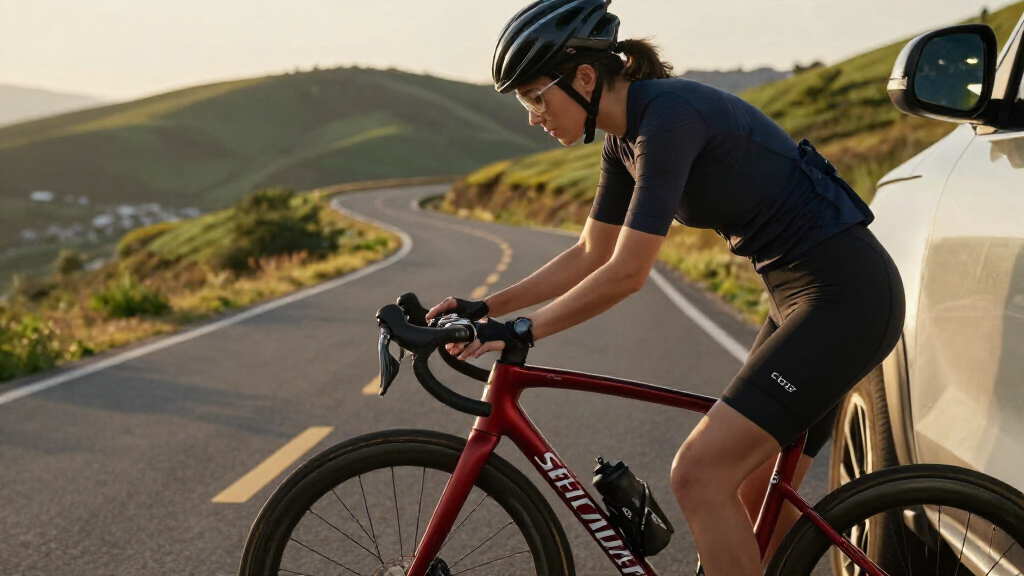
Cycling Weekly’s history of the Specialized Tarmac traces the road bike from its 2003 aluminium debut through nine SL models to the SL9. The report links its development to Tom Boonen’s feedback, pro-racing results and design changes informed by Demi Vollering’s racing needs; Specialized’s claim that the SL9 is its fastest road bike is a company claim.
Cycling Weekly has traced the evolution of Specialized’s Tarmac, from its 2003 aluminium model to the SL9, a generation the company says was designed in part around the racing demands of rider Demi Vollering. The report describes how athlete feedback, changes to frame design and results in professional racing helped shape the road bike’s development.
The report recounts a pivotal episode from 2006, when Belgian sprinter Tom Boonen told Specialized that the Tarmac SL felt too flexible as he prepared to sprint. Specialized brand-voice leader Ben Capron said the company’s existing stiffness tests had not captured what Boonen felt while riding. The feedback led Specialized to develop a new test and a revised rear end for the Tarmac SL2. Capron recalled Boonen later calling it “the best bike I’ve ever ridden.”
Specialized’s history identifies the original Tarmac as a 2003 E5 aluminium bike, followed by nine SL models. The report characterizes the early bike as harsh and the SL2 as a turning point in combining ride comfort with racing performance. It also describes the brand’s route into professional road cycling: Specialized sponsored Festina in 2000, and riders initially raced on M4 aluminium bikes before Tarmacs appeared in 2003.
The report links the model to major results, including Alberto Contador’s 2010 Tour de France win on an SL3, later stripped, and Vincenzo Nibali’s 2014 Tour victory. Peter Sagan then won three consecutive road world titles on the Tarmac from 2015 to 2017, according to the article. The current generation discussed is the S-Works Tarmac SL9, which Specialized released that summer and which Demi Vollering rode to a world championship victory in Montreal.
Racing Feedback Shaped the Tarmac
The Tarmac’s history illustrates how a high-profile racing bike can be revised through feedback that standard laboratory measurements may not capture. In Boonen’s case, the issue was how the frame felt during a sprint, not simply its recorded stiffness. Later, the SL9’s development considered how riders race with different bottle setups during breakaways.
That development matters to buyers because the Tarmac is sold beyond the professional peloton. The report quotes UK hill-climb champion Andrew Feather praising the latest bike’s comfort and describing a more connected feel on the road. These are rider impressions, not independent test findings, but they show why the model’s appeal is framed around more than weight or speed alone.
Specialized calls the SL9 “the fastest road bike ever made.” That is the company’s marketing claim; the source material does not provide independent comparative testing or enough data to verify it. The article’s historical account supports a more measured takeaway: the Tarmac has repeatedly changed in response to racing experience and design priorities.
Products Worth Considering

Chemical Guys TORQX Random Orbital Polisher Kit, 9-Piece

Chemical Guys 10-Piece Car Wash Kit with Foam Gun

Autel Home EV Charger up to 50A J1772 Hardwired Level 2 Charger with 25 ft Cable
As an affiliate, we earn on qualifying purchases.
From Aluminium Debut to SL9
Specialized’s investment in road cycling came after internal debate in the mid-to-late 1990s, when road bikes represented a single-digit share of the company’s business, according to Capron. He recalled that staff considered leaving the road category before deciding to commit to it and pursue success at the Tour de France.
The company entered the professional peloton through Festina in 2000, when other teams were reluctant to take on a brand associated mainly with mountain bikes. Festina rider Marcel Wüst won a Tour de France stage that July on an M4 aluminium bike. The Tarmac arrived three years later, and Specialized’s sponsorship of Quick-Step–Innergetic at the end of 2005 brought the model closer to the front of the sport.
The report presents the SL2 as a major change after Boonen’s intervention. Later generations accumulated high-profile results, though the article distinguishes Contador’s 2010 result from Nibali’s 2014 win: Contador was subsequently stripped of his Tour title, while Nibali’s victory is described as the model’s later Tour win.
““I don’t care about that.””
— Ben Capron, Specialized’s leader of brand voice, recounting Tom Boonen’s feedback
What the SL9 Claims Establish
The source does not give a publication date for the report or specify the year meant by “this summer,” when Specialized released the SL9. It also does not provide independent test results to substantiate the company’s description of the SL9 as the fastest road bike ever made, or details of the testing method behind that claim.
The article explains that Vollering’s near-miss at the 2024 Tour de France Femmes, which she lost by four seconds, informed design work on the SL9. It does not quantify how much faster the revised frame is, isolate the effect of the one-bottle aerodynamic work, or establish that those changes determined her later world championship result. Feather’s comfort comments are personal feedback, not a controlled comparison with other bikes.
Further Testing Would Clarify Performance
The report offers no announced follow-up model, independent test schedule or further product update. The next useful evidence for readers would be comparative testing that states its conditions, including bottle setup, speed and equipment configuration, and reports measured differences against other bikes. Until such evidence is available, the SL9’s speed description remains Specialized’s claim, while its development history and cited race results are the details reported here.
Key Questions
What is the latest Tarmac generation discussed?
The report discusses the S-Works Tarmac SL9, which Specialized released in the summer referred to by the article. The source does not identify the year of that release.
How did Tom Boonen influence the Tarmac?
In 2006, Boonen said the Tarmac SL felt too flexible when he was preparing to sprint. Specialized responded by developing a new stiffness test and a revised rear end for the SL2, according to Ben Capron.
What is Specialized’s claim about the SL9?
Specialized calls it “the fastest road bike ever made.” That wording is a company claim; the source does not supply independent comparative data to verify it.
Which major wins does the report associate with the Tarmac?
The article cites Vincenzo Nibali’s 2014 Tour de France victory and Peter Sagan’s three consecutive road world titles from 2015 to 2017. It also notes that Alberto Contador’s 2010 Tour title, won on an SL3, was later stripped.
Source: cyclingweekly.com