TL;DR

Get business pricing on garage and car supplies
- Business-only prices and quantity discounts
- Tax-exempt purchasing
- Multiple users, one account, clear invoices
A car emergency kit gives you light, warmth, visibility, first aid, water, and basic supplies while you wait for help or handle a minor problem. Pack those essentials in a secured, easy-to-reach container, add items for your climate and passengers, and check expiration dates twice a year. Call roadside assistance for unsafe repairs, and use NHTSA’s recall lookup to check for open safety recalls.
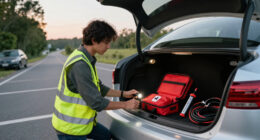
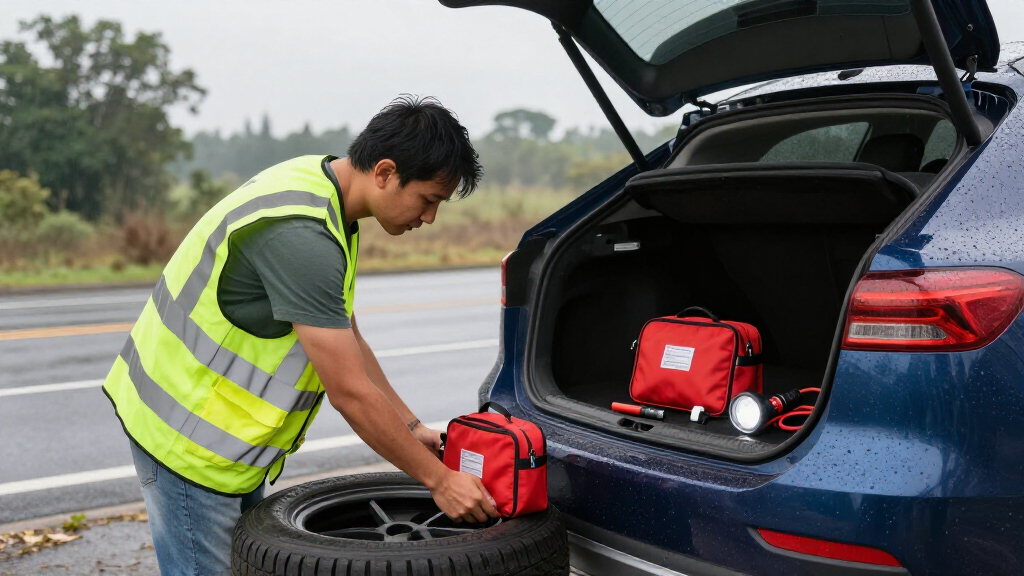
A flat tire on a rainy shoulder can turn a five-minute drive into a cold, noisy wait beside fast-moving traffic. A car emergency kit gives you practical ways to stay visible, warm, and prepared while you call for help.
You don’t need a trunk full of gadgets. Start with a few dependable basics, then tailor your kit to your weather, passengers, and driving habits. Here’s what to pack, where to keep it, and when to leave repairs to a professional.
Start with a flashlight, spare batteries, a reflective vest, a warning triangle, a first-aid kit, gloves, water, a blanket, and a phone charger.
Secure supplies in a reachable container so they cannot slide around or become loose cargo.
Add weather- and passenger-specific items, including child, pet, or personal medication supplies as needed.
Move away from traffic and call for help if a roadside repair would put you at risk.
Check the kit twice a year and look up open recalls through NHTSA.gov/recalls.
Pack These Essentials Before Your Next Drive
A car emergency kit should cover visibility, warmth, first aid, light, and communication while you wait for roadside help. Start with a flashlight and spare batteries, a reflective vest, a warning triangle, a first-aid kit, work gloves, a phone charger, drinking water, and a warm blanket. These items address different needs: light helps you see and be seen, warmth makes a long wait more manageable, and a charged phone lets you share your location or request help. Together they cover common problems such as a dead battery, a flat tire, or a weather delay without assuming you can safely fix the car yourself.
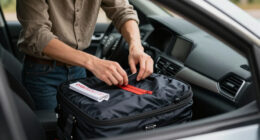
Keep the supplies in a secured tote or bag that you can reach without unloading the trunk. Accessibility matters because searching through packed luggage can expose you to rain or traffic for longer; securing the container matters because loose cargo can move dangerously in a crash. For example, if your hatchback is packed for a weekend trip, you should still be able to get the flashlight without dragging suitcases into the rain.
- Light and visibility: flashlight, spare batteries, reflective vest, and warning triangle. The vest helps make you visible when outside the car; the triangle can warn approaching drivers when it is safe to place. Neither removes the danger of working near moving traffic.
- Comfort and care: first-aid kit, blanket, water, and tissues. These help you manage minor needs during a wait, though water and blankets should be matched to your climate and passenger count.
- Communication: phone charging cable and a charged power bank. A working phone can be essential for requesting help and describing your location, while a power bank provides backup if the car battery is unavailable.
- Basic tools: work gloves, duct tape, and a multitool. These can help with minor tasks, but they are not a substitute for vehicle-specific tools or professional repair.
Choose a flashlight you can operate with cold or gloved hands, and test it before storing it. Spare batteries are useful only if they fit and still hold a charge, so check them during your regular kit inspection. A dim beam that flickers when you shake it won’t help much when you’re looking for a dropped lug nut after dark.
Add Supplies for Your Weather and Passengers
Your car emergency kit works best when it matches the people and conditions you actually drive with. In winter, add warm hats, gloves, hand warmers, and a compact snow brush; in hot climates, carry extra drinking water and sun protection. These choices reflect a tradeoff: supplies take up space and need maintenance, so prioritize what would make a delay hazardous or especially difficult in the places you travel. If you often drive through remote areas, bring enough supplies to cover a longer wait for help, since distance and limited cell coverage can stretch response times.
Think through a real delay: you’re stopped on a snowy road with a child in the back seat, and the heater is off to conserve fuel. A blanket for each passenger and a snack they can eat easily will do more good than a bulky gadget no one knows how to use. Pack any personal medication you may need, but check storage instructions before leaving medicine in a hot or freezing car; temperature extremes can affect some medicines, so keep essential doses with you when appropriate and replace car-stored supplies as needed.
Pets need a plan, too. A collapsible bowl, a small supply of pet food, a leash, and a towel can make an unexpected stop less stressful. Keeping these items together makes them easier to find, while separating them from sharp tools and liquids reduces the chance that a spill or damaged container will spoil food or create another problem.
There’s no single perfect kit for every driver. A short urban commute may call for fewer supplies than a winter trip across mountain roads, where cell coverage and passing traffic can be scarce. Consider the longest likely wait, the temperatures your passengers can tolerate, and what you can safely carry; those factors help you choose useful supplies without overloading the vehicle.
Follow These Steps When Your Car Breaks Down
When your car breaks down, protect people first: get as far from traffic as you safely can, turn on your hazard lights, and call roadside assistance. A kit can help with a wait, but using it should not bring you closer to moving vehicles or delay a call for help. If you cannot reach a safe spot, stay buckled inside with doors locked and call emergency services if the location creates immediate danger. Use your kit only after you have a safe place to do so.
- Move out of traffic. If the car still responds, steer toward a wide shoulder, parking lot, or other safe area. A wider, more level place gives you and responders more room and lowers exposure to passing traffic.
- Make your car visible. Turn on hazard lights. Put on a reflective vest before stepping outside, and set a warning triangle only if you can place it without walking into traffic. Visibility gear can give approaching drivers more warning, but it cannot guarantee they will slow down or see you in time.
- Call for help. Share your location, direction of travel, and a clear description of the problem. Specific details help responders find you, especially on a long road or where exits and landmarks are close together.
- Wait somewhere safe. Stay behind a barrier or well away from the roadway when conditions allow. The safest choice depends on the location: leaving the car can be dangerous on some roads, while staying beside it can be dangerous on others, so follow emergency operator guidance.
For example, a tire blowout on a crowded highway shoulder is a poor time to kneel beside the wheel. The triangle may alert approaching drivers, but traffic still poses a serious risk. If you can’t get well clear of passing vehicles, wait for a professional.
Choose Tools You Can Use Safely
Basic tools can help with small inconveniences, but they don’t make every repair safe for a roadside stop. A tire inflator, jumper cables, or portable jump starter can be useful when you already know how to use it and can work away from traffic. Their value depends on the problem: an inflator may help with a tire that is low on air, for example, but it cannot fix a damaged tire. Read each device’s instructions, check its condition, and keep cables or hoses tidy so they don’t snag.
A portable jump starter can save a call for help after a dead battery, especially in a quiet parking lot. Still, follow the maker’s directions and stop if you see a damaged battery, smell a strong chemical odor, or feel unsure about the connection. A wrong connection can damage equipment or injure you, and an unsafe location can make an otherwise simple jump-start a serious risk.
Brakes, airbags, and high-voltage electric-vehicle systems need certified mechanics. These systems can cause serious injury if handled incorrectly, and a roadside check may not reveal the full fault. Don’t try to repair an airbag, exposed EV cable, or failing brake system at the roadside. If your vehicle may be unsafe to drive, arrange a tow.
Visibility gear buys warning time; it does not make a dangerous repair safe. If passing traffic, poor weather, or a steep shoulder puts you at risk, move away and call for help.
Before a long trip, check the vehicle maker’s manual for safe jacking points and tire-changing instructions. A jack is intended for specific lifting points and conditions; using it on unstable ground or the wrong point can let the vehicle fall. If you don’t have a spare, or your car uses a tire sealant kit, learn what it can and cannot handle before you need it. That preparation helps you decide whether a tire problem is manageable or calls for a tow.
Keep Your Kit Ready With Two Seasonal Checks
A car emergency kit stays useful when you check it twice a year and after using any item. Supplies can lose value while sitting in a car: batteries may leak, water containers may be damaged by temperature swings, and medicine or snacks may expire or spoil. Replace expired medicine, leaking batteries, empty water bottles, and snacks that have melted or gone stale. Test the flashlight and power bank, then put every item back in its marked spot.
One easy routine is to check your kit when you change your clocks or swap seasonal tires. On a spring check, you might replace water that sat through a freezing winter; before the first snow, you can add gloves and hand warmers. A simple inventory card taped inside the lid helps you spot missing supplies quickly and makes the check less likely to be skipped.
Include a current roadside assistance number and your vehicle’s basic information. Also check your vehicle identification number for open safety recalls using the NHTSA recall lookup at NHTSA.gov/recalls. A roadside kit helps with delays, but a recall check can reveal a safety repair your car needs before the next trip, allowing you to contact a dealer rather than discover a potentially serious issue during a breakdown.
Practice opening the kit and finding the vest or flashlight in daylight. Knowing where items are reduces fumbling when visibility is poor, rain is loud, or cold fingers make a simple zipper feel stubborn.
Frequently Asked Questions
What should every car emergency kit include?
Pack a flashlight with spare batteries, reflective vest, warning triangle, first-aid kit, gloves, blanket, drinking water, and phone charger. Add supplies for your climate and passengers, such as winter layers or pet items.
Should I keep water in my car emergency kit?
Yes, water can help during a long wait, especially in hot weather. Replace it regularly and check the container for leaks or damage after extreme heat or cold.
Is it safe to change a tire on the highway shoulder?
Only attempt it if you can work well clear of traffic on a stable surface and can follow your vehicle’s instructions. On a narrow shoulder or in poor visibility, stay away from the roadway and call roadside assistance.
How often should I check my car emergency kit?
Check it twice a year and after you use any supplies. Test lights and chargers, replace expired or damaged items, and adjust the kit before seasonal driving.
Where can I check whether my car has a safety recall?
Use the vehicle identification number lookup at NHTSA.gov/recalls to search for open safety recalls. Contact a dealer about recall repairs, especially if the notice involves brakes, airbags, or another safety system.
Conclusion
Build your kit around visibility, warmth, first aid, and a charged phone, then tailor it to the people and roads you travel with. Store it where you can reach it, and check it twice a year.
When a breakdown leaves you beside a stream of headlights, the best tool may be a warm blanket and a safe place to wait.
Evergreen bestsellers Picks
bestsellers
As an affiliate, we earn on qualifying purchases.