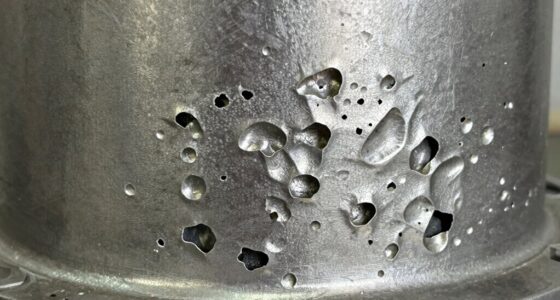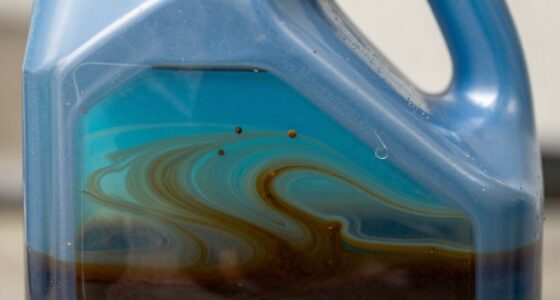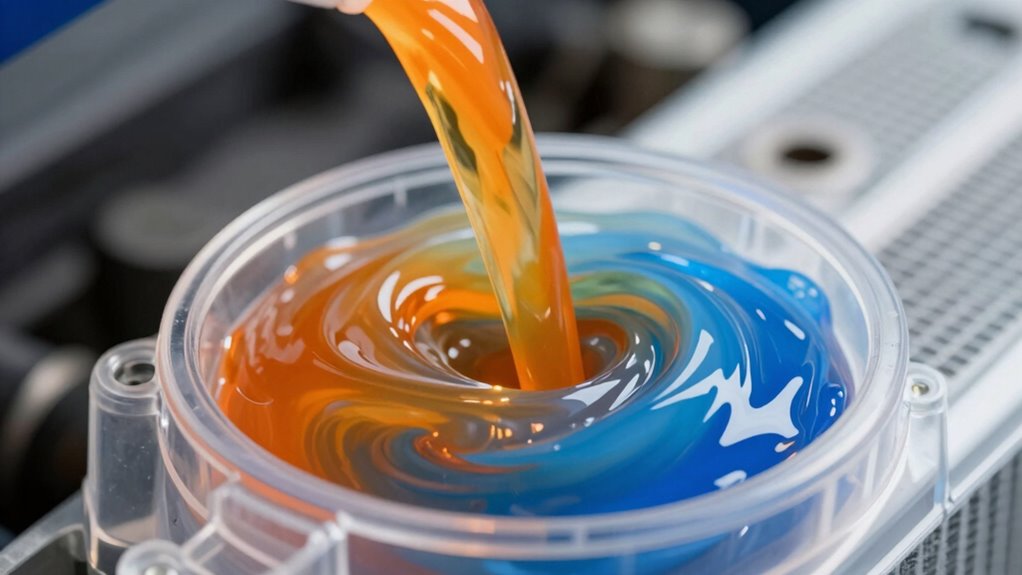

You should know that coolant color doesn’t tell you about its quality or compatibility. Manufacturers add color mainly for visual purposes, not to indicate chemical makeup or performance. Relying solely on color can lead to mixing incompatible coolants, which risks corrosion, overheating, or engine damage. Instead, focus on the coolant’s formulation and follow your vehicle’s specifications. Stay tuned to learn how proper coolant selection keeps your engine protected and prevents costly repairs.
Listen free for 30 days with Audible
Thousands of audiobooks and originals — cancel anytime.
As an affiliate, we earn on qualifying purchases.
Key Takeaways
- Coolant color does not indicate compatibility; chemical formulation determines whether coolants mix safely.
- Always check the vehicle’s manual or labels for the specified coolant type, not color.
- Mixing incompatible coolants can cause corrosion, gelling, or engine damage, regardless of color.
- Use the same or compatible coolant formulation when replacing or topping off to prevent bad mixes.
- Proper verification of coolant type ensures optimal engine protection, not relying on visual color cues.
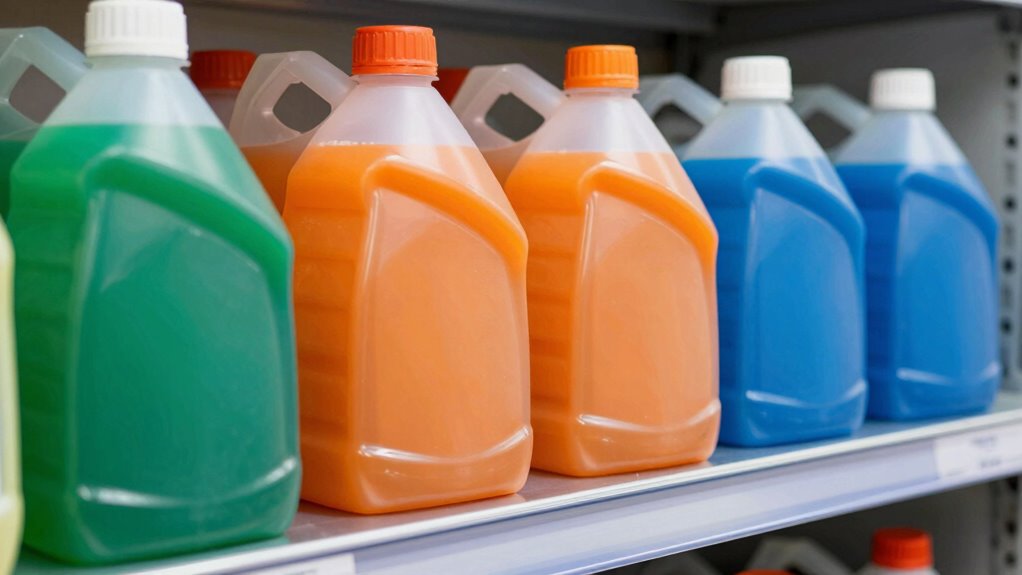
Many drivers assume that coolant color indicates its quality or specific type, but this isn’t the case. The color of your coolant doesn’t tell you whether it’s suitable for your vehicle or if it’s compatible with other coolants in your system. This misconception can lead to mixing incompatible coolants, which may cause corrosion, overheating, or engine damage. The key is understanding antifreeze compatibility rather than relying on color cues. Manufacturers add dyes to coolants mainly for visual identification, but these dyes don’t reflect their chemical makeup or performance characteristics. As a result, two different coolants might look identical but have entirely different formulations.
Coolant color isn’t a reliable indicator of its compatibility or quality.
Additionally, understanding the different coolant styles for locs can help you choose the right type of antifreeze for your vehicle’s needs. Color misconceptions are common, and many vehicle owners believe that sticking to a coolant of the same color ensures safety and proper functioning. However, this isn’t true. For example, a green coolant isn’t necessarily compatible with a yellow or pink one, even if they look similar or are labeled as “universal.” Different coolant formulations—such as ethylene glycol, propylene glycol, or organic acid technology (OAT)—can have distinct chemical properties, and mixing incompatible types can lead to gelling, precipitates, or reduced corrosion protection. To avoid these issues, you need to check the specific antifreeze compatibility indicated by your vehicle’s manufacturer, often found in the owner’s manual or on labels.
The safest approach is to stick with the coolant type recommended for your car. When replacing or topping off, always use the same type or a compatible one specified by your vehicle’s manufacturer. Don’t rely solely on the coolant’s color to determine if it’s suitable; instead, look at the product’s label or datasheet for the correct formulation. If you’re unsure about the coolant’s compatibility, it’s best to consult a professional or drain and flush the system before adding a different type. Mixing incompatible coolants doesn’t just risk diminishing your engine’s protection; it can also lead to costly repairs down the line.
In short, the rule is simple: coolant color is not a reliable indicator of its quality or compatibility. Focus on the specifications and recommendations from your vehicle’s manufacturer, and don’t fall for color misconceptions. Proper maintenance involves understanding antifreeze compatibility and always verifying that the coolant you use matches the required formulation. This way, you’ll prevent bad mixes and keep your engine running smoothly and reliably for miles to come.
vehicle coolant compatibility test kit
As an affiliate, we earn on qualifying purchases.
As an affiliate, we earn on qualifying purchases.
Frequently Asked Questions
How Often Should I Change My Coolant Regardless of Color?
You should change your coolant every 30,000 to 50,000 miles or roughly every 2 to 5 years, depending on your vehicle’s maintenance schedule. Coolant longevity varies based on type and driving conditions, so regularly checking your coolant’s condition is essential. Even if the color looks fine, following your car’s recommended maintenance schedules guarantees peak cooling system performance and prevents costly repairs down the line.
Can Mixing Different Coolant Colors Cause Engine Damage?
Mixing different coolant colors can cause engine damage if they aren’t compatible. Coolant compatibility isn’t solely based on color identification, as manufacturers may use different formulas for the same color. Always check your vehicle’s owner’s manual or the coolant specifications to confirm you’re using compatible types. Using incompatible coolants can lead to clogging, corrosion, or overheating, so avoid mixing unless you’re certain they are designed to be mixed.
What Are the Risks of Ignoring Coolant Color Guidelines?
Ignoring coolant color guidelines risks disrupting coolant chemistry, which can lead to corrosion, overheating, and engine failure. Color coding helps identify compatible coolants, but it’s not foolproof. When you mix different types, you might create a gel or sludge that hampers cooling efficiency. Always check manufacturer recommendations rather than relying solely on color, ensuring your coolant chemistry remains balanced and your engine stays protected.
Is There a Universal Coolant That Works for All Vehicles?
Yes, there’s a universal coolant that works for most vehicles, acting like a one-size-fits-all solution. However, don’t assume it guarantees coolant compatibility with your car. Always check your owner’s manual or ask a mechanic to verify it meets your vehicle’s specifications. While a universal coolant simplifies maintenance, using the wrong type can cause engine issues, so double-check before pouring it in.
How Can I Tell if My Coolant Mixture Is Correct?
You can tell if your coolant mixture is correct by checking its color and using a coolant dye test strip. The dye helps identify the type of coolant, and color significance varies among brands. If the coolant looks murky or has changed color, it’s a sign you should flush and refill. Regularly inspecting the coolant dye guarantees you maintain the proper mixture, preventing overheating and engine damage.
engine coolant flush and fill kit
As an affiliate, we earn on qualifying purchases.
As an affiliate, we earn on qualifying purchases.
Conclusion
Remember, coolant color isn’t your roadmap—it’s just a shade on the journey. The real guide is understanding the chemistry beneath the surface, preventing dangerous mixes. Think of your coolant as a secret language, where compatibility keeps your engine’s heart beating strong. Don’t let color fool you; focus on the true signs of health. By respecting this silent language, you guarantee your engine’s voyage stays smooth, safe, and free of unseen storms.
antifreeze compatible with vehicle manual
As an affiliate, we earn on qualifying purchases.
As an affiliate, we earn on qualifying purchases.
coolant tester for engine cooling system
As an affiliate, we earn on qualifying purchases.
As an affiliate, we earn on qualifying purchases.
Flea & tick season Picks
flea and tick prevention
As an affiliate, we earn on qualifying purchases.