Blow-by gases are combustion fumes that leak past your piston rings into the crankcase, carrying unburned fuel, oil vapors, and tiny particles. These gases accelerate oil aging by contaminating it and reducing its lubrication ability, which in turn can cause faster engine wear and damage internal parts. Instead of miles alone, it’s these gases that contribute *substantially* to oil breakdown and engine deterioration. To keep your engine running smoothly longer, understanding and managing blow-by is essential—more details follow.
Key Takeaways
- Blow-by gases contain unburned fuel, combustion byproducts, and air that contaminate engine oil.
- These gases accelerate oil degradation by introducing contaminants that reduce lubrication effectiveness.
- Increased blow-by indicates worn piston rings, leading to more gases entering the crankcase and faster oil aging.
- Contaminated oil causes higher engine wear, damage to internal parts, and reduces engine lifespan.
- Regular maintenance detects blow-by early, helping prevent rapid oil deterioration and engine damage.
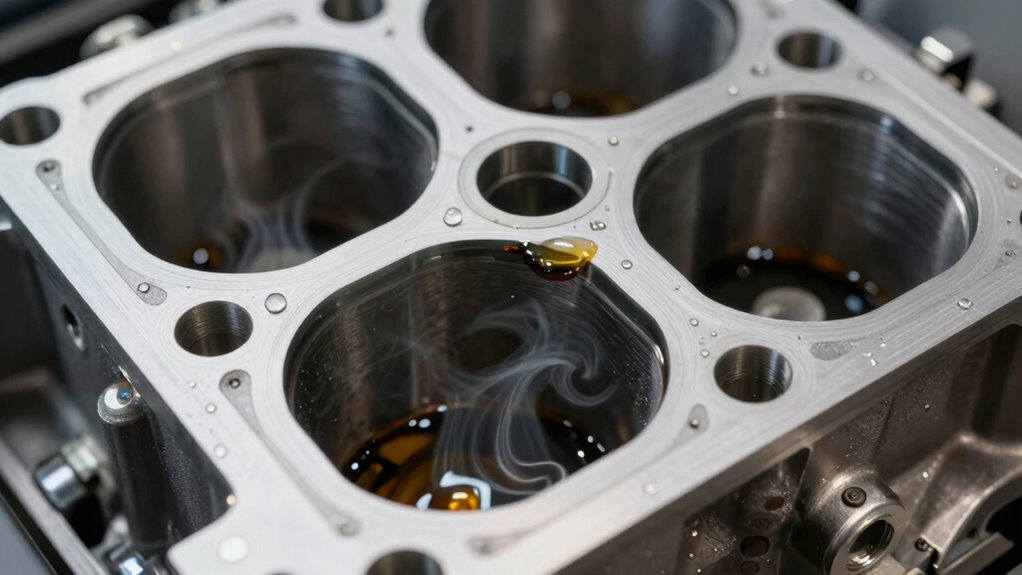
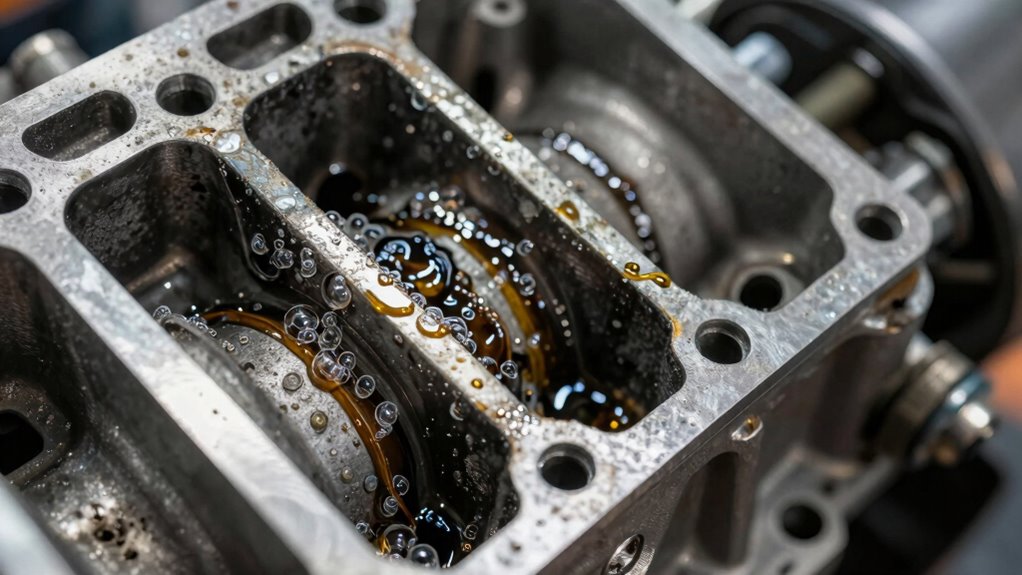
Have you ever wondered what happens inside your engine that causes smoke or pressure to escape? It’s a good question, and understanding blow-by can help you grasp why your engine’s health matters more than just the miles on the odometer. Blow-by occurs when combustion gases leak past the piston rings and into the crankcase. These gases contain unburned fuel, combustion byproducts, and air. Over time, this escape of gases leads to a buildup of pressure in the crankcase, which can push oil out into places it shouldn’t be. That’s why you might notice oil leaks or smoke from your engine’s vent or crankcase.
Blow-by leaks gases past piston rings, increasing crankcase pressure and risking oil leaks and engine wear.
This process isn’t just about escaping gases; it’s also about the effects on your engine’s internal parts. When blow-by happens frequently, it accelerates engine wear. The reason is simple: as gases bypass the piston rings, they carry with them tiny particles of combustion byproducts and contaminants. These contaminants mix with your engine oil, leading to oil contamination. Once your oil is contaminated, it loses its ability to lubricate effectively. Friction increases, metal parts rub against each other with less protection, and wear accelerates. Over time, this can cause scratches, scoring, or even more severe damage to pistons, cylinders, and valves.
You might think that a small amount of blow-by isn’t a big deal, but it’s a sign that your engine’s sealing efficiency is compromised. Piston rings are designed to create a tight seal between the combustion chamber and crankcase, but as they wear down, blow-by becomes more frequent. This wear happens naturally over time, especially if your engine isn’t regularly maintained or if you frequently operate under heavy loads. When engine wear increases, blow-by gases grow more potent, exacerbating oil contamination and speeding up the cycle of deterioration. That’s why paying attention to symptoms like increased oil consumption, smoke, or a noticeable smell of fumes can clue you into underlying issues.
In short, blow-by isn’t just about gases escaping—it’s a sign your engine’s internal health is declining. The more blow-by you have, the faster your engine wears, and the quicker your oil gets contaminated. Keeping your engine in good shape involves regular maintenance, checking for signs of increased blow-by, and addressing piston ring wear early. Doing so helps preserve oil quality, reduces wear, and keeps your engine running smoothly for longer. Maintaining engine health is crucial for maximizing engine lifespan and efficiency.
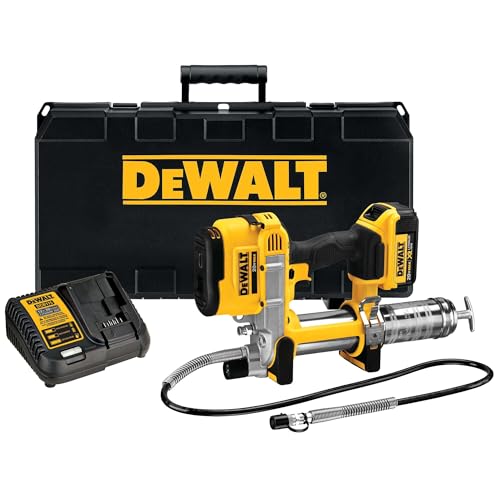
DEWALT Grease Gun Kit 20V MAX with 4.0Ah Battery and Charger, Cordless Grease Gun, LED Light, 42” Hose, 10,000 PSI, Variable Speed Triggers (DCGG571M1)
DEWALT grease gun can power through clogged grease fittings with a motor that delivers up to 10,000 max...
As an affiliate, we earn on qualifying purchases.
Frequently Asked Questions
How Can I Detect Blow-By Gases in My Engine?
You can detect blow-by gases in your engine by checking your PCV system for leaks or clogs, as these gases often escape through it. Look for signs like oil leaks or excessive smoke from the crankcase vent. Also, listen for unusual engine noises or check for a strong smell of combustion gases around the oil fill cap. Regular maintenance of your PCV system helps prevent blow-by-related issues and keeps your engine running smoothly.
What Are the Long-Term Effects of Blow-By on Engine Durability?
If you ignore blow-by, your engine’s durability suffers over time. The gases can accelerate engine wear and cause piston damage, leading to costly repairs. As blow-by persists, it compromises seals and lubrication, risking severe engine failure. Don’t wait until symptoms worsen. Regular maintenance and early detection can save your engine, but neglecting it can silently devastate your engine’s lifespan, leaving you stranded and facing hefty bills.
Can Regular Oil Changes Prevent Blow-By-Related Oil Aging?
Regular oil changes help reduce oil degradation caused by blow-by gases, but they don’t entirely prevent blow-by-related oil aging. Maintaining proper engine maintenance, including checking for gasket leaks and PCV valve function, is essential. By staying on top of these tasks, you minimize the buildup of harmful gases that accelerate oil breakdown, ultimately extending your engine’s lifespan and ensuring ideal performance.
Are There Specific Engine Models More Prone to Blow-By?
Yes, some engine models are more prone to blow-by due to their design and manufacturing quality. Engines with tighter tolerances, high compression ratios, or older technology often experience more blow-by. Additionally, poorly manufactured engines with inferior sealing components allow gases to escape more easily, increasing blow-by. You should monitor these engines carefully, perform regular maintenance, and consider upgrades if you notice excessive oil aging or pressure buildup.
How Does Blow-By Impact Emissions and Environmental Safety?
Blow-by boosts emissions, jeopardizing environmental safety by releasing harmful gases into the atmosphere. It circumvents emission control systems, increasing pollutants and impairing pollutant reduction efforts. You might notice increased smog and degraded air quality when blow-by worsens. To protect the planet, maintaining your engine’s sealing systems is vital, ensuring maximum emission control and reducing harmful emissions, ultimately helping preserve environmental safety and air purity.

GEVEELIFE Electric Grease Gun -2025 Upgraded 2-in-1 Design with 2×4000mAh Batteries, Fast Charger & 90° Swivel Coupler, 12,000 PSI - Works with Bulk & Cartridge Grease for Farm, Truck, Construction
🚀 Cordless Freedom & Dual-Mode Operation:Experience hassle-free greasing with our cordless electric design that eliminates manual pumping. Switch...
As an affiliate, we earn on qualifying purchases.
Conclusion
Understanding blow-by helps you realize how these gases accelerate oil aging, often more than miles driven. Did you know that blow-by gases can introduce contaminants that degrade oil up to 10 times faster? Staying aware of this process means you can better maintain your engine and extend oil life. Regular checks and maintenance are key to avoiding costly damage. Keep an eye on blow-by to keep your engine running smoothly and efficiently for longer.

Bluebow 21V Cordless Electric Grease Gun Kit - 12000 PSI High Pressure, 7.05 oz/min, Variable Speed Trigger, LED Light, 2×4000 mAh Batteries, 39.4" Flexible Hose, Pressure Relief Valve
𝐇𝐈𝐆𝐇-𝐏𝐄𝐑𝐅𝐎𝐑𝐌𝐀𝐍𝐂𝐄 𝐏𝐑𝐄𝐒𝐒𝐔𝐑𝐄 - Engineered with a high-torque motor, this cordless grease gun delivers a maximum operating pressure of...
As an affiliate, we earn on qualifying purchases.
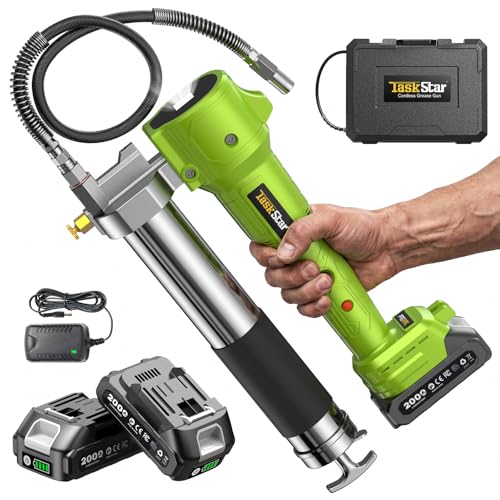
TaskStar Grease Gun with Lock-On Trigger for Effortless Greasing, Cordless Electric Grease Gun Kit, 2 Batteries, 40" Hose & LED Light, 14 oz Capacity for Tractor, Truck & Equipment Maintenance
Effortless Electric Greasing, 5x Faster Than Manual Grease Guns: The TaskStar electric grease gun makes maintenance faster and...
As an affiliate, we earn on qualifying purchases.