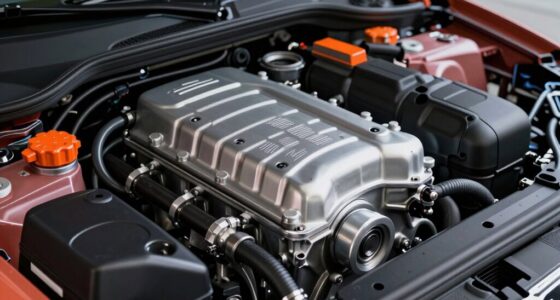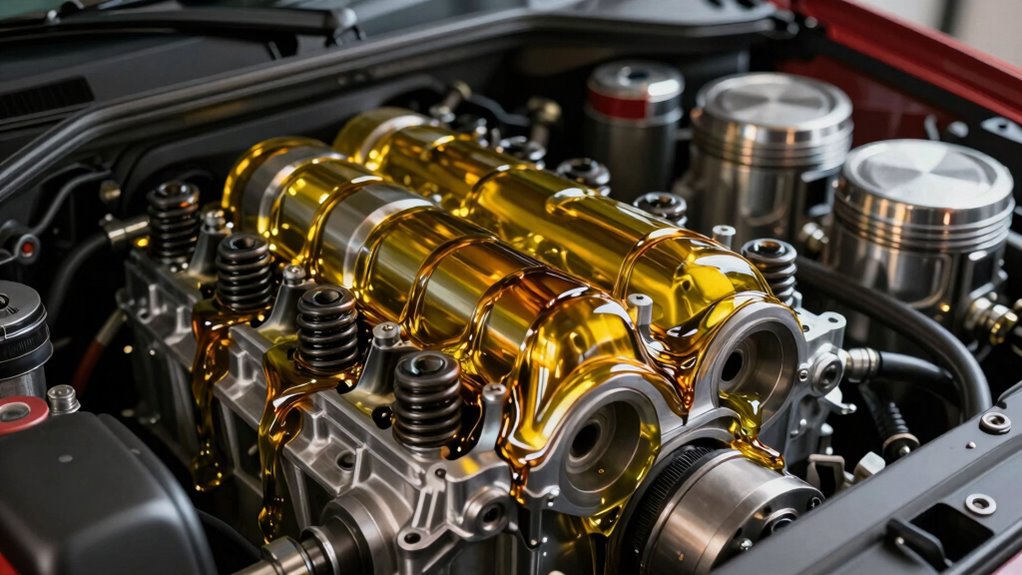
High HTHS oils are thicker at operating temperatures, which increases internal friction in your engine. This extra resistance makes the engine work harder, especially during cold starts and city driving. Synthetic blends with higher viscosity can further boost drag and reduce efficiency. The thick oil films slow down moving parts, requiring more energy and fuel. If you want to know how this impact adds up over time, keep exploring the details behind engine performance.
Key Takeaways
- High HTHS oils are thicker, increasing internal engine friction and resistance during startup and low-speed driving.
- Thicker oil films create more sliding resistance between engine parts, requiring extra energy to maintain operation.
- Elevated viscosity demands more effort from the engine pump, leading to higher fuel consumption over time.
- Cold weather and short trips exacerbate the negative effects of high HTHS oils on fuel efficiency.
- Balancing engine protection with appropriate viscosity is crucial to prevent unnecessary fuel economy loss.
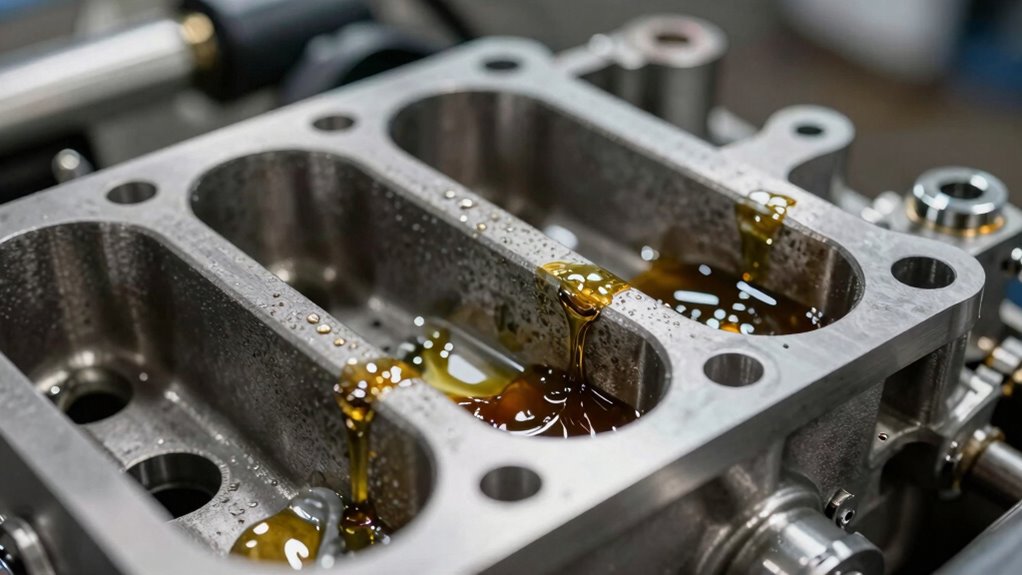
High HTHS (High-Temperature High-Shear) oils are formulated to provide superior film strength and wear protection under extreme engine conditions. They are often chosen for demanding driving environments, especially in engines subjected to high stress or heavy loads. However, selecting these oils can have unintended consequences on your fuel economy, and understanding why requires examining their composition and how they behave in your engine.
One critical factor is the viscosity impact. High HTHS oils are typically thicker at operating temperatures, which means they resist flow more than lower-viscosity oils. When you opt for synthetic blends or conventional oils with high HTHS ratings, the increased viscosity translates to greater internal friction within the engine components. This added resistance makes your engine work harder to turn over, especially during cold starts or low-speed driving, leading to higher fuel consumption. Over time, this extra effort can result in noticeable reductions in your vehicle’s efficiency.
High HTHS oils increase internal friction, reducing fuel efficiency during cold starts and low-speed driving.
Synthetic blends, while often more affordable than full synthetics, still tend to have higher viscosity characteristics that contribute to increased drag inside the engine. If your vehicle’s manufacturer recommends a certain viscosity range for maximum fuel economy, sticking to oils with higher HTHS ratings might mean you’re sacrificing efficiency for protection. The viscosity impact is most pronounced during engine startup and warm-up phases, where the oil’s flow resistance is at its peak. This means your engine may need more energy—hence more fuel—to overcome the oil’s thickness, particularly in colder climates or during short trips.
Furthermore, the thicker oil film created by high HTHS oils provides excellent wear protection, but it also creates a barrier that the engine’s moving parts must slide through. In essence, it’s like trying to move a heavy object with more friction. This friction translates directly into increased fuel consumption because your engine’s pump has to work harder to circulate the oil. Over extended periods, this can lead to a noticeable decrease in fuel economy, especially if your driving style involves frequent acceleration and deceleration or city stop-and-go traffic.

DEWALT Grease Gun 20V MAX, Cordless Electric Grease Gun 42” Hose, 10,000 PSI, Variable Speed Triggers, Tool Only (DCGG571B)
DEWALT cordless grease gun can power through clogged grease fittings with a motor that delivers up to 10,000...
As an affiliate, we earn on qualifying purchases.
Frequently Asked Questions
How Does HTHS Impact Engine Wear Over Time?
Higher HTHS oil viscosity can increase engine wear over time because thicker oils may not circulate as efficiently, leading to less effective lubrication. This reduces engine durability, especially during cold starts or high loads. Over time, the increased friction and inadequate lubrication can cause wear on engine components, ultimately shortening engine lifespan. Choosing the right viscosity helps maintain ideal engine durability and minimizes wear, ensuring your engine runs smoothly longer.
Do High HTHS Oils Affect Cold Start Performance?
Starting your engine on a cold day is a real test, and high HTHS oils can make it tougher. Their increased viscosity means the oil is thicker, which slows down flow during cold start. This can lead to longer warm-up times and more engine wear. So, if you want smooth starts and better protection, stick to oils with appropriate viscosity for cold conditions. Don’t let thick oil be your Achilles’ heel.
Are There Specific Vehicle Types That Benefit From High HTHS Oils?
Certain vehicle types, especially heavy-duty trucks and high-performance engines, benefit from high HTHS oils. You should check your vehicle’s compatibility and follow manufacturer recommendations to guarantee ideal performance. These oils provide better film strength and protection under demanding conditions, but if your vehicle isn’t designed for high HTHS oils, using them might reduce efficiency. Always consult your owner’s manual to choose the right oil for your vehicle.
Can Switching Oils Improve Fuel Economy Quickly?
Switching oils can improve your fuel economy quickly, especially if you choose synthetic blends with optimized oil additives. These blends reduce friction and improve engine efficiency, allowing your vehicle to run smoother and use less fuel. Just make sure to select the right oil for your engine type and driving conditions. Regular oil changes with high-quality synthetic blends can give you noticeable benefits in fuel economy within a few miles of driving.
What Are the Long-Term Effects of Using High HTHS Oils?
Using high HTHS oils over the long term can lead to increased engine wear due to higher oil viscosity. While they may protect engine components initially, prolonged use might reduce fuel efficiency and cause deposits, affecting engine longevity. You could experience more frequent maintenance and potential repairs, ultimately shortening your engine’s lifespan. It’s important to choose oils suited to your vehicle’s specifications to guarantee ideal performance and durability.

Frantz Filter Universal Bypass Oil Filter Kit by Hot Shot's Secret
The Frantz Universal Oil Bypass Kit is a highly efficiency bypass filter; that can help increase engine life...
As an affiliate, we earn on qualifying purchases.
Conclusion
So, next time you’re choosing motor oil, ask yourself: is that slight boost in viscosity really worth sacrificing your fuel economy? High HTHS oils might seem like a good idea for engine protection, but they can hurt your wallet more than you think. Staying mindful of oil viscosity helps you save fuel and money in the long run. After all, isn’t keeping your engine efficient worth a little extra attention?

Frantz Filter 5.9L & 6.7L Ram Diesel Truck Bypass Oil Filter Kit by Hot Shot's Secret
Increased Engine Life
As an affiliate, we earn on qualifying purchases.

Frantz Bypass Filter Kit for 6.7 Liter Powerstroke Diesel Pickup Trucks by Hot Shot's Secret
6.7-liter Power Stroke bypass oil filter system increases engine life
As an affiliate, we earn on qualifying purchases.