Many people mistakenly believe that high oil pressure means your engine is well-lubricated and healthy. But that’s not true—you could have high pressure yet poor lubrication due to issues like clogged passages or degraded oil. Relying solely on pressure can cause you to overlook underlying problems, risking engine damage. Understanding that oil pressure is just a part of engine health helps prevent bad choices and keeps your engine running smoothly—there’s more to uncover about true lubrication.
Key Takeaways
- High oil pressure doesn’t guarantee proper lubrication; oil quality and flow are equally important.
- Relying solely on oil pressure gauges can mask underlying engine issues.
- Oil pressure measures pump effort, not actual lubrication effectiveness.
- Proper engine health depends on multiple factors like oil viscosity and filter condition, not just pressure.
- Comprehensive maintenance, including oil analysis and listening for engine sounds, offers better protection than focusing only on pressure readings.
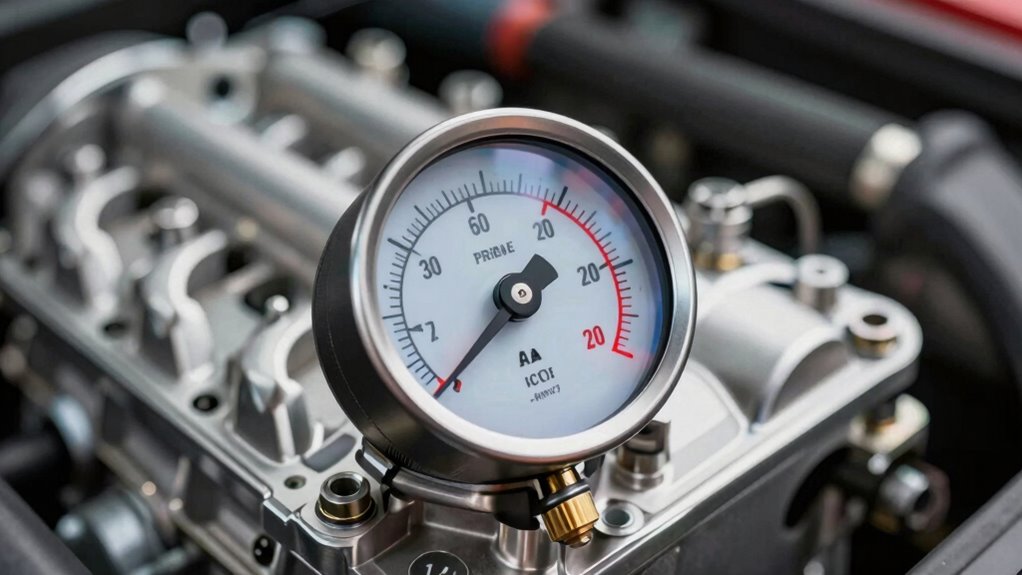
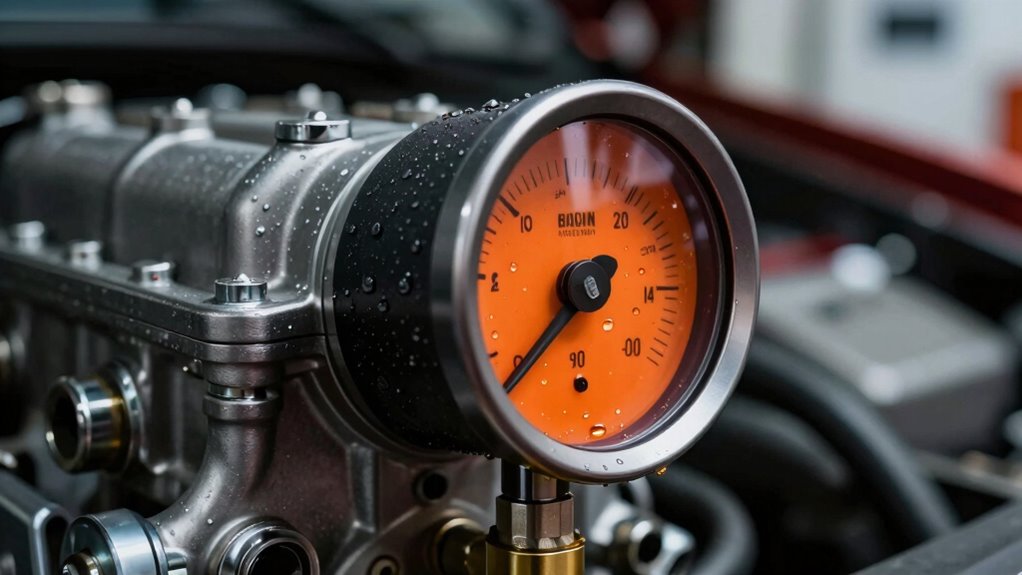
Have you ever been told that high oil pressure always means your engine is in perfect shape? It’s a common misconception many drivers hold onto, but it’s also one of the biggest oil pressure myths out there. The idea that higher oil pressure equals better engine health is simply not accurate. In fact, relying on this misconception can lead you to overlook real issues or ignore warning signs that demand attention. Many believe that if the gauge reads high, everything is fine, but that’s a dangerous oversimplification. Oil pressure is often misunderstood as a direct indicator of lubrication quality, yet it’s more complex. This confusion fuels lubrication confusion, where people assume a certain pressure level guarantees proper lubrication. The truth is, oil pressure measures how hard the oil pump has to work to circulate oil through the engine, not how well the engine is being lubricated overall.
High oil pressure can sometimes indicate a problem, like a clogged oil passage or a faulty pressure relief valve, rather than good engine health. Conversely, low oil pressure doesn’t always mean immediate disaster; it might be just a sign of worn bearings or insufficient oil levels. Relying solely on oil pressure readings can mislead you into ignoring more critical signs of engine trouble or unnecessary repairs. For example, some drivers might top off oil or ignore warning lights when pressure readings seem normal but still face underlying issues like oil degradation or internal wear. It’s essential to understand that oil pressure is part of a bigger picture, not the entire story of your engine’s health.
Many people also confuse oil pressure with lubrication effectiveness, assuming that a specific pressure guarantees proper lubrication. But the reality is, oil viscosity, filter condition, and flow paths all impact lubrication quality far more than the pressure gauge alone. An engine with high oil pressure but poor oil quality can still suffer from inadequate lubrication. Conversely, a well-lubricated engine might have lower pressure readings, especially at idle or in certain conditions. The bottom line is that focusing solely on oil pressure numbers can distract you from more meaningful maintenance checks, like oil analysis, filter changes, and listening for abnormal sounds. Recognizing these misconceptions helps you make better choices, avoid unnecessary repairs, and keep your engine running smoothly longer. Remember, oil pressure isn’t a direct measure of lubrication quality; it’s just one piece of the puzzle.

Oil Pressure Tester Tool, Oil Pressure Gauge kit, 0-140 PSI Pressure Test Diagnostic Tools, Engine Oil Pressure Tester Tool kit, for car Truck (red)
Exquisite design: dual display pressure gauge head, clear scale, easy to clean, and equipped with rubber buffer protection…
As an affiliate, we earn on qualifying purchases.
As an affiliate, we earn on qualifying purchases.
Frequently Asked Questions
Can Low Oil Pressure Damage My Engine?
Yes, low oil pressure can damage your engine. When oil pressure drops, the oil filter and oil pump struggle to circulate oil properly, leading to insufficient lubrication. This can cause parts to wear faster, increase friction, and eventually lead to engine failure. It’s essential to address low oil pressure promptly by checking the oil filter, ensuring the oil pump functions correctly, and topping off or replacing oil as needed.
How Often Should I Check My Oil Pressure?
Imagine your engine’s health as a heartbeat—you should check your oil pressure at least once a month to keep it steady. Many fall for oil pressure myths, risking damage. Regular maintenance tips include inspecting your gauge and ensuring proper oil levels. Don’t wait for warning signs; proactive checks help you catch issues early, keeping your engine alive and kicking longer. Stay vigilant, and your engine will thank you.
What Are Normal Oil Pressure Ranges?
You should aim for an oil pressure of about 25 to 65 psi when your engine is running at normal temperature. Your oil pressure sensors monitor this range, ensuring your oil pump functions properly. If pressure drops below or spikes above this range, it could indicate issues with the oil pump or other engine components. Regular checks help you catch problems early and keep your engine properly lubricated.
Does High Oil Pressure Indicate a Problem?
Hold onto your bowler hat—high oil pressure doesn’t always spell trouble. Many believe oil pressure myths, but during oil pressure diagnostics, elevated readings can be normal, especially in cold starts or with thicker oil. However, consistently high pressure might indicate a blocked oil passage or faulty relief valve. Keep an eye on your gauge and consult a mechanic if it remains elevated, to avoid unnecessary worries or damage.
How Does Oil Viscosity Affect Pressure Readings?
You’ll find that oil viscosity directly impacts pressure readings, affecting pressure accuracy. Thicker oil increases resistance, leading to higher pressure readings, while thinner oil lowers them. When you change oil types or viscosities, expect fluctuations in pressure gauges. It’s essential to understand this relationship, so you can interpret oil pressure correctly and avoid misdiagnosing issues, ensuring your engine runs smoothly without unnecessary repairs caused by misreading pressure due to viscosity changes.

Oil Analysis Premier Kit by Under My Hood with return postage included
NOT FOR USE ON AIRCRAFT!
As an affiliate, we earn on qualifying purchases.
As an affiliate, we earn on qualifying purchases.
Conclusion
Remember, oil pressure isn’t the heartbeat of lubrication—it’s just the warning flag waving at the gate. Think of it as the lighthouse guiding your ship through fog, not the entire harbor’s safety. True lubrication is the steady current that keeps your engine flowing smoothly, unseen but essential. Don’t chase the false light of pressure; instead, trust the unseen stream of proper oil flow to keep your engine alive and well, sailing smoothly into the future.
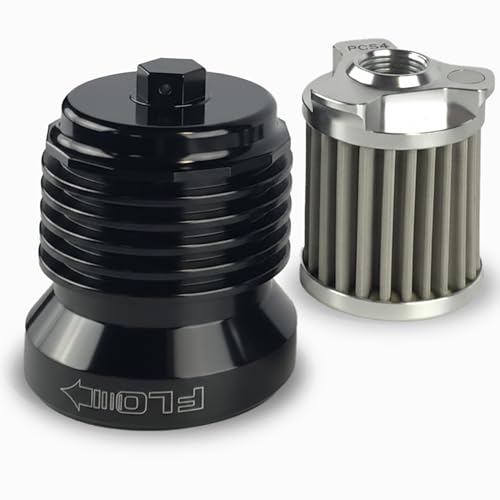
PC Racing FLO Reusable Spin-On Oil Filter PCS4B – “Black Anodized Fins, High-Flow Filter for Harley Touring, Street Glide, Road Glide, Road King, Bagger, Twin Cam & Milwaukee-Eight Engines
PREMIUM REUSABLE OIL FILTER FOR HARLEY-DAVIDSON TOURING MODELS – Designed for Harley Street Glide, Road Glide, Road King,…
As an affiliate, we earn on qualifying purchases.
As an affiliate, we earn on qualifying purchases.

AUTOOL Engine Oil Tester Gasoline & Diesel Engine Oil Quality Tester Kit, Quick Testing Transmittance and Temperature, with 31.5 inch Flexible Probe, 2.8-inch Backlit Display
【More Powerful Detection Range】Transmittance Detection: Measure the oil transmittance (0-100%) through optical technology, visualize the degree of oil…
As an affiliate, we earn on qualifying purchases.
As an affiliate, we earn on qualifying purchases.