Short trips prevent your engine from reaching full temperature, causing incomplete combustion that leads to soot buildup in your sump and filters. This extra soot accelerates wear on engine parts and contaminates oil, reducing its effectiveness. Plus, cold starts strain your battery and reduce emission system efficiency. Long trips help burn off soot and keep your engine and filters clean. Keep exploring to discover how to protect your vehicle during these short journeys.

Get business pricing on garage and car supplies
- Business-only prices and quantity discounts
- Tax-exempt purchasing
- Multiple users, one account, clear invoices
Key Takeaways
- Short trips prevent the engine from reaching optimal temperature, leading to incomplete fuel vaporization and oil condensation in the sump.
- Cold starts cause soot and unburned fuel residues to accumulate in the sump, accelerating sludge formation and oil contamination.
- Long trips allow the engine to achieve higher temperatures, promoting complete combustion and efficient burning of soot and residues in the sump.
- Frequent short trips hinder the activation of emission systems, resulting in soot buildup that can settle in the sump and degrade oil quality.
- Extended driving ensures proper oil evaporation, preventing moisture and fuel dilution that compromise sump cleanliness and engine health.
engine oil additive for soot removal
As an affiliate, we earn on qualifying purchases.
As an affiliate, we earn on qualifying purchases.
What Are Short Trips and How Do They Harm Your Engine?
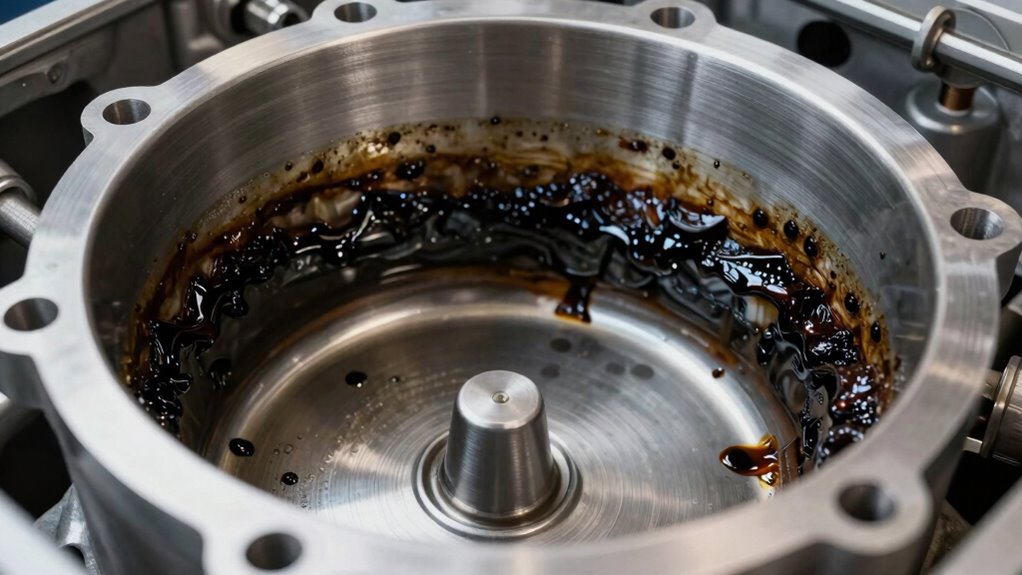
Short trips are journeys less than 10 miles that don’t allow your engine to fully warm up. When you frequently make these short drives, your engine spends a lot of time running at lower temperatures. This prevents proper fuel vaporization and combustion, leading to incomplete burning. As a result, your engine accumulates more soot, carbon deposits, and unburned fuel in the cylinders and on nozzles. These residues can cause inefficient operation and increase wear over time. Additionally, cold starts strain your engine because metal components haven’t expanded to their ideal tolerances. Your oil can also become contaminated faster, losing its lubricating properties. All these factors contribute to quicker engine wear, reduced efficiency, and higher maintenance costs, especially if short trips are a regular part of your driving routine. Understanding engine operating conditions is crucial to maintaining optimal vehicle health.
As an affiliate, we earn on qualifying purchases.
How Short Trips Affect Combustion and Engine Wear
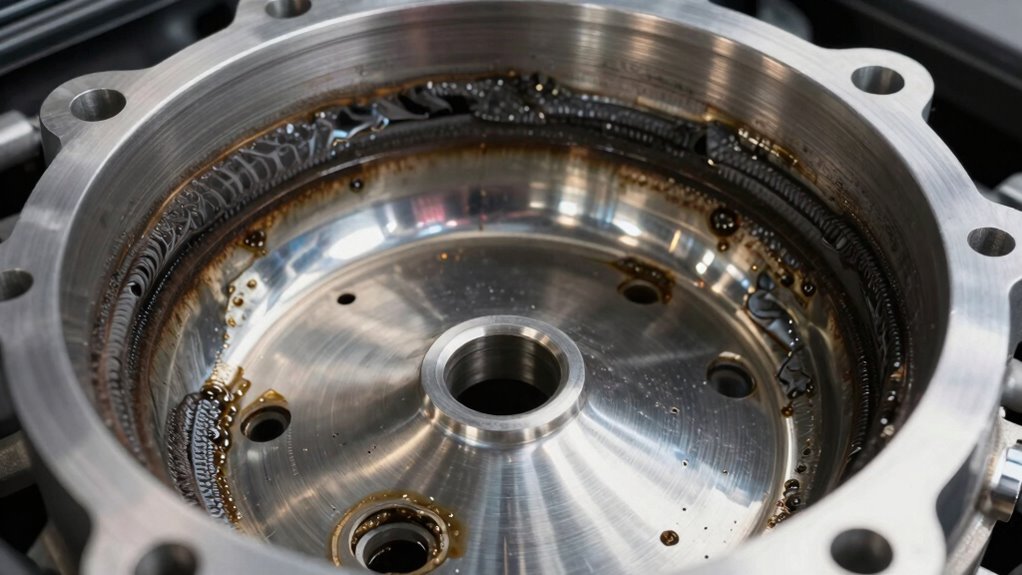
When you frequently take short trips, your engine often doesn’t reach ideal temperature, leading to incomplete fuel combustion. This results in more soot buildup, which accelerates engine wear and clogs filters over time. Additionally, cold starts strain your battery and cause faster oil breakdown, compounding overall engine and component stress. Moreover, high contrast ratios in your engine’s performance can highlight issues like incomplete combustion more visibly.
Incomplete Combustion Effects
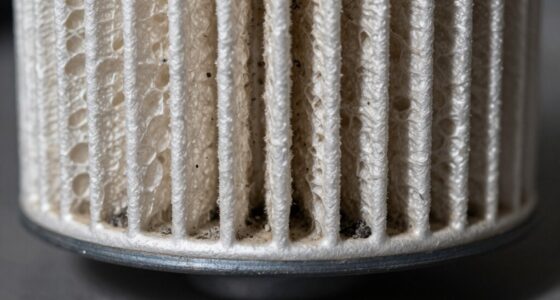
Frequent short trips prevent your engine from reaching its ideal operating temperature, leading to incomplete fuel combustion. When this happens, fuel doesn’t burn fully, leaving soot and unburned particles in your engine. Cold cylinders reduce vaporization, causing inefficient burning and more carbon deposits on spark plugs and valves. This dirty burn produces excess soot, which clogs filters and pollutes the exhaust system. Additionally, unburned fuel and combustion byproducts mix with your oil, accelerating its breakdown and reducing lubrication. Over time, this incomplete combustion can lead to engine knocking, increased emissions, and carbon buildup that hampers performance. Without reaching proper temperature, your engine can’t burn fuel efficiently, resulting in a cycle of residue buildup, increased emissions, and potential long-term damage. Understanding engine temperature is crucial for diagnosing and preventing these issues.
Increased Engine Wear
Because your engine doesn’t reach its ideal operating temperature during short trips, metal components experience more rapid thermal expansion and contraction, which can lead to increased wear over time. This thermal cycling causes parts like piston rings and cylinder walls to loosen or wear prematurely. Cold metals are less tolerant of friction, accelerating component degradation. Additionally, incomplete combustion leaves residues that can settle on surfaces, increasing abrasive wear. Short trips also prevent proper oil circulation, reducing lubrication efficiency and heightening friction. Furthermore, engine temperature significantly influences the effectiveness of engine oil in protecting against wear, making warm-up periods crucial for optimal performance. Here’s a quick comparison:
| Effect | Explanation |
|---|---|
| Thermal Stress | Rapid temperature changes cause metal fatigue |
| Piston Ring Wear | Cold, tight rings wear faster |
| Oil Degradation | Insufficient warm-up hampers oil film formation |
| Residue Buildup | Deposits increase abrasion |
| Component Fatigue | Repeated cycling weakens engine parts |
Battery and Oil Strain
Short trips place additional strain on your vehicle’s battery and oil system, impacting overall engine health. When you drive short distances, your engine doesn’t reach its ideal operating temperature, so the alternator can’t fully recharge the battery. This leads to reduced battery capacity over time, increasing the risk of starting issues. Meanwhile, cold starts cause engine oil to remain thick, slowing its circulation and lubrication. Unburned fuel and combustion byproducts mix with the oil, accelerating breakdown and increasing friction. This contamination hampers engine efficiency and promotes wear. Additionally, incomplete combustion produces soot that can clog filters and deposits, further stressing the system. Over time, these effects can shorten your engine’s lifespan and lead to costly repairs if not addressed. Understanding how yarn weight and stitch type influence the amount of yarn needed for a project can also help in planning maintenance and repairs for your vehicle, as proper engine care is crucial for longevity.
oil filter for engine protection
As an affiliate, we earn on qualifying purchases.
As an affiliate, we earn on qualifying purchases.
Why Short Trips Lead to Oil Contamination and Faster Breakdown
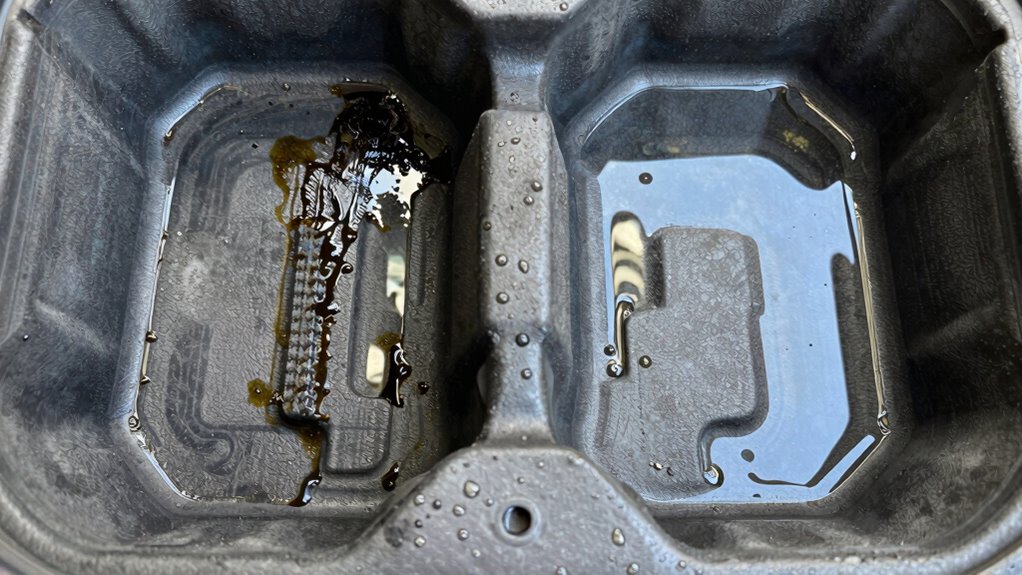
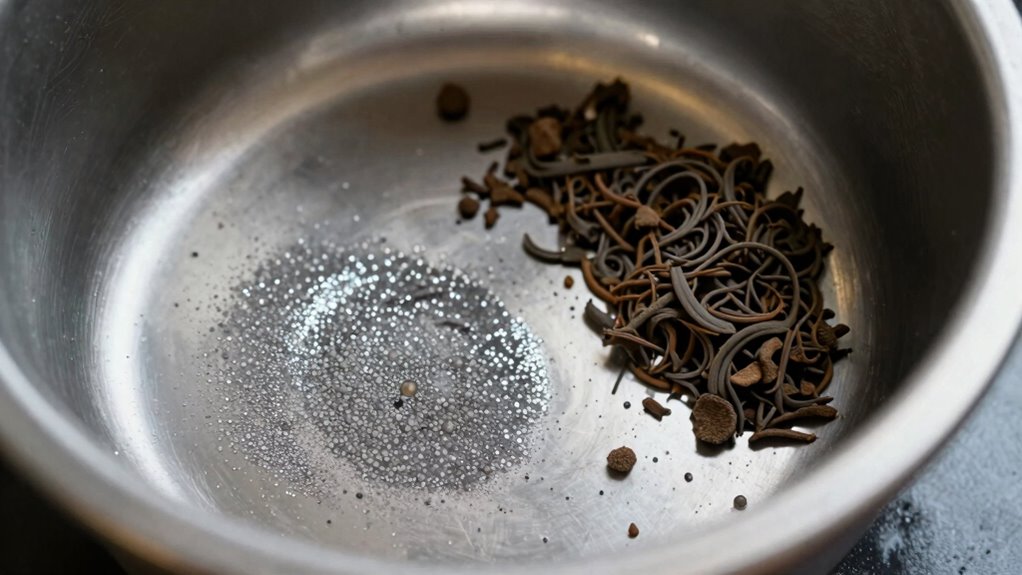
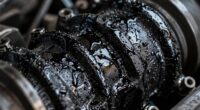
When you drive only short distances, your engine often doesn’t reach its ideal operating temperature, which leads to incomplete combustion and residues forming in your oil. These residues, including unburned fuel and combustion byproducts, mix with the oil, diluting its lubrication properties. Cold oil can’t efficiently break down contaminants, so they accumulate faster. This process is further exacerbated by the lack of proper engine warm-up, which impedes the evaporation of water and other residues. Cold engine parts generate more metal wear due to thermal expansion inconsistencies, which can introduce metal particles into the oil. Frequent short trips also mean the oil isn’t hot enough to evaporate water and other combustion residues effectively, resulting in sludge formation. All these factors combine, leading to faster oil degradation and increased engine wear over time.
As an affiliate, we earn on qualifying purchases.
How Incomplete Combustion Causes Soot Buildup and Filter Clogs
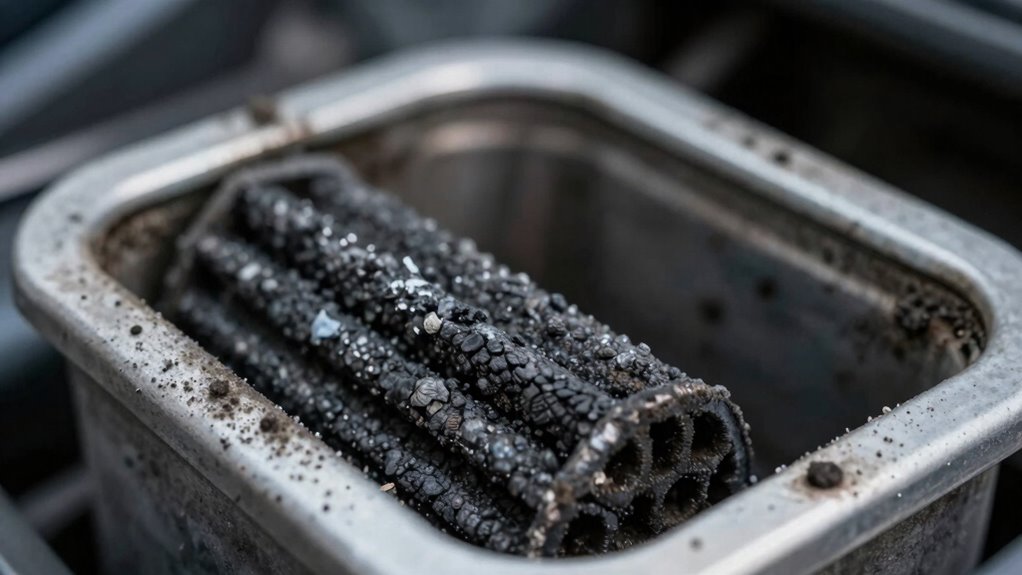
When your engine doesn’t reach proper temperature on short trips, combustion remains incomplete, causing excess soot to form. This buildup can clog filters and hinder emission system efficiency. Understanding how soot forms and why filters struggle to regenerate helps you prevent costly repairs. Additionally, environmental impact of tissue paper highlights the importance of choosing eco-friendly craft supplies to minimize waste.
Soot Formation Mechanisms
Incomplete combustion in diesel engines occurs mainly because the engine doesn’t reach the ideal temperature during short trips, leading to inefficient burning of fuel. When temperatures stay below optimal levels, fuel vapor doesn’t fully ignite, leaving behind unburned hydrocarbons and carbon particles. These particles form soot, a dense, black residue that accumulates on engine parts and in the exhaust system. Low combustion temperatures also cause incomplete oxidation of soot, making it stickier and harder to burn off later. As a result, soot particles grow larger and more numerous, increasing the likelihood of filter clogging. This incomplete burning process produces more soot than during long trips, where higher temperatures ensure more complete combustion. Over time, this buildup hampers engine efficiency and increases maintenance needs. Additionally, engine design can influence how effectively the combustion process occurs during various driving conditions.
Filter Regeneration Challenges
Incomplete combustion during short trips leads to an accumulation of soot in the exhaust system, which poses a significant challenge for filter regeneration. When your engine doesn’t reach full operating temperature, the diesel particulate filter (DPF) can’t burn off the gathered soot properly. This soot buildup clogs the filter, reducing airflow and increasing backpressure. Over time, this can lead to costly repairs or the need for manual cleaning. Short trips also hinder the thermal process needed for passive regeneration, meaning the system struggles to clear itself automatically. Without proper heat, the soot remains trapped, accelerating filter fouling. To combat this, you might need to perform forced regeneration or rely on additives designed to lower the burn temperature, but consistent short trips make maintaining an ideal filter function more difficult. Incorporating curiosity about engine efficiency can help drivers understand the importance of complete combustion and proper maintenance for optimal filter performance.
What Short Trips Do to Your Car’s Battery and Charging System
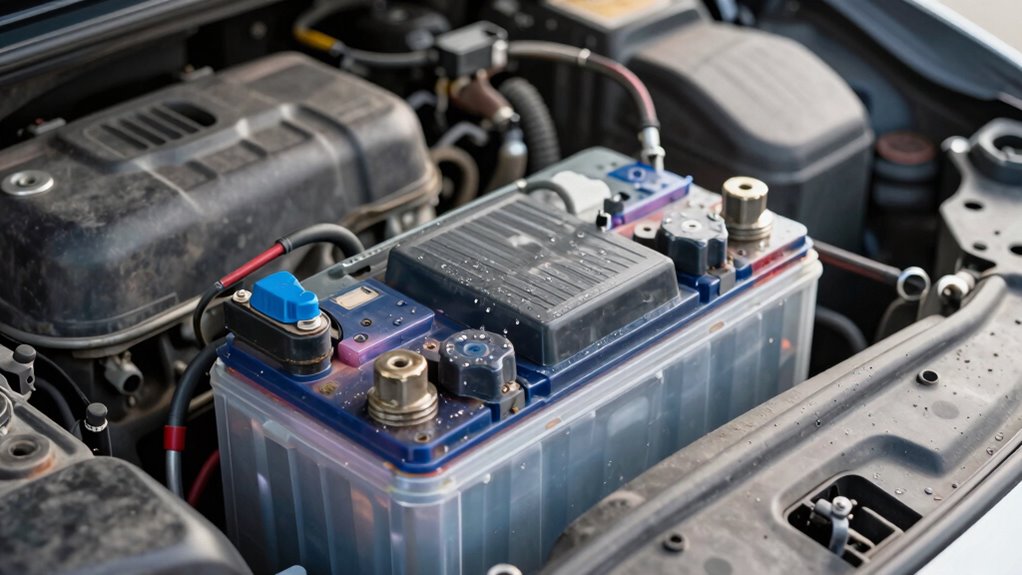
Short trips can considerably strain your car’s battery and charging system because the engine doesn’t run long enough to fully recharge the battery. When you make frequent short drives, the alternator has limited time to replenish the battery’s charge, which can lead to gradual capacity loss. Cold starts also put extra stress on the system, as the battery works harder to power initial startup functions. This repeated undercharging causes battery sulfation, reducing its ability to hold a full charge over time. Additionally, the electrical components may not reach ideal operating temperatures, making the charging system work harder. Using portable oil radiators safely during cold weather can help maintain optimal engine temperatures and reduce strain on your vehicle’s electrical system. Over time, this imbalance can lead to premature battery failure and increased wear on your alternator, ultimately compromising your vehicle’s reliability and performance.
Why Long Trips Help Your Emission System Stay Efficient
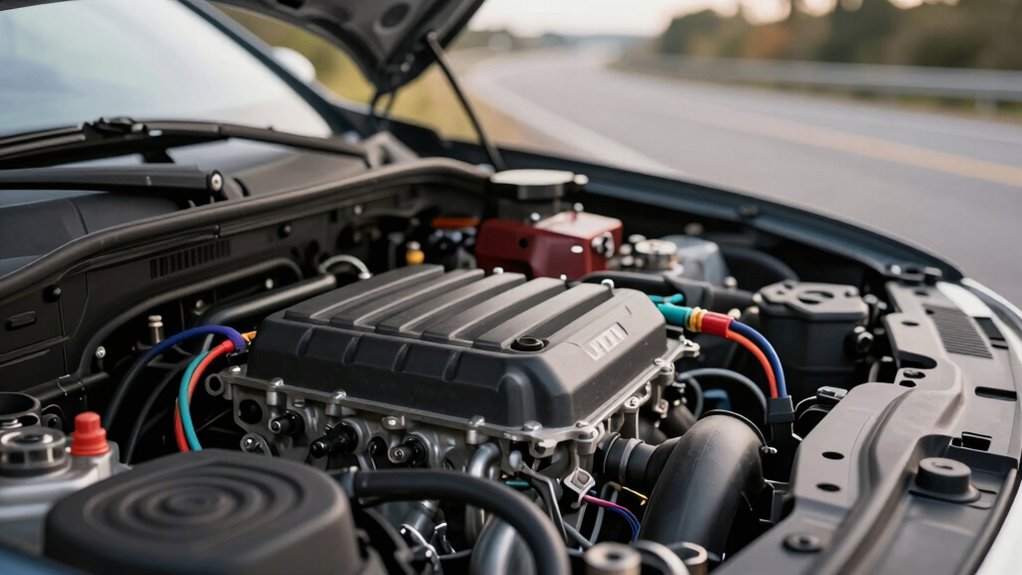
Long trips play an essential role in maintaining your vehicle’s emission system efficiency because they give the engine enough time to reach and sustain ideal operating temperatures. When your engine warms up fully, it activates the catalytic converter and diesel particulate filter, allowing them to do their job effectively. During long drives, the exhaust gases reach the necessary 600°C to burn off soot in the particulate filter, preventing clogging. Additionally, the catalyst operates efficiently, reducing harmful emissions. The engine also burns off combustion byproducts from oil, keeping these residues from accumulating. This process ensures that your emission system stays clean and functional. Regular long trips help engine components stay in good working order, preventing costly repairs and maintaining optimal emissions performance. Without regular long trips, these critical components can become obstructed or less effective, leading to increased emissions and potential costly repairs.
Tips to Protect Your Car During Frequent Short Trips
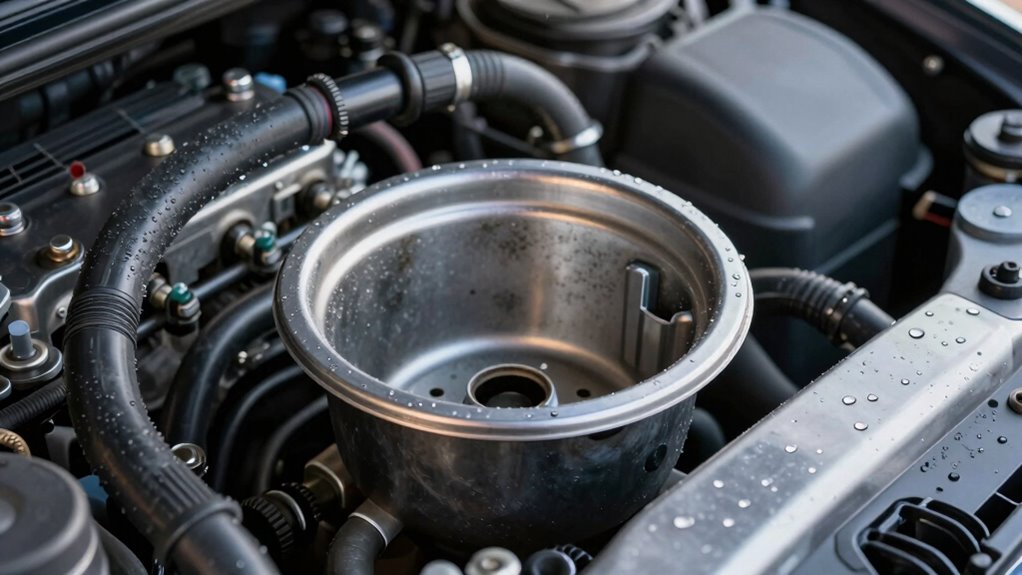
To protect your car during frequent short trips, it’s important to take proactive steps to minimize engine wear and keep emission systems functioning properly. First, regular maintenance is key—schedule oil changes with high-quality, additive-enhanced oils designed for short-trip driving. Consider installing a fuel additive formulated to improve combustion and reduce soot buildup. Keep your cooling system in top shape to prevent overheating during cold starts and short runs. Avoid aggressive driving to reduce stress on engine components. Additionally, ensure your battery is in good condition, as frequent cold starts can drain it faster. Finally, drive slightly longer or combine errands to allow your engine to reach ideal temperature more often, helping burn off residues and keep emission systems clear. Proper piercing care and hygiene can also prevent complications that might indirectly affect your vehicle’s performance, especially if your car is used to transport you to appointments.
How Additives Improve Combustion and Oil Quality

Additives play a crucial role in enhancing combustion efficiency and maintaining oil quality, especially during frequent short trips where engine conditions are less ideal. They help improve fuel vaporization, ensuring more complete burning and fewer residues. Additives also prevent oil breakdown by neutralizing acids and dispersing contaminants. This results in a chemical reaction that keeps your engine cleaner and reduces wear. Imagine the difference these additives make:
| Without Additives | With Additives |
|---|---|
| Soot buildup | Cleaner combustion |
| Oil breakdown | Longer-lasting, stable oil |
| Increased wear | Reduced component wear |
| Poor fuel vaporization | Efficient fuel use |
Signs Your Short-Trip Routine Is Causing Engine Problems
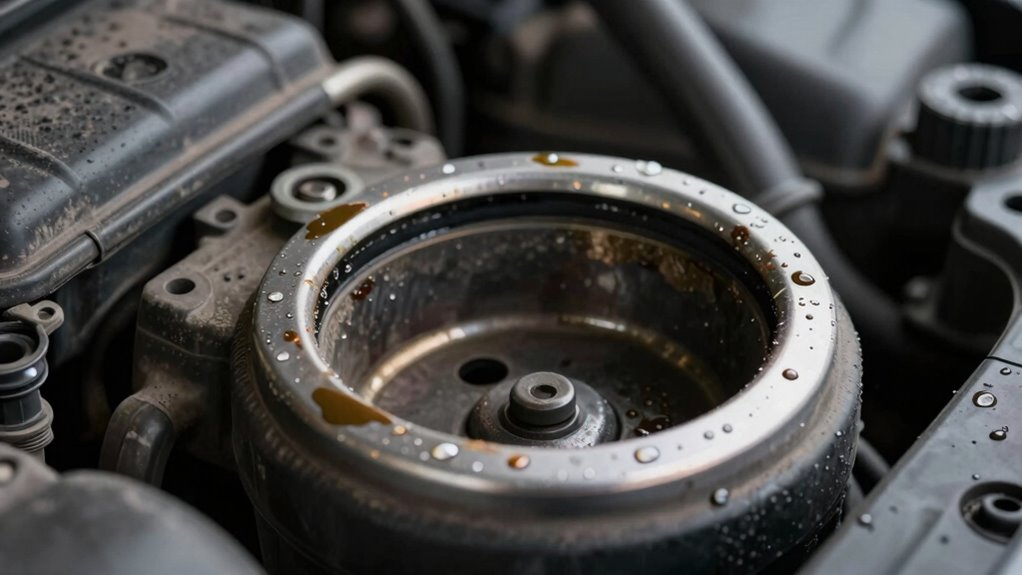
Frequent short trips can quietly undermine your engine’s health, often before you notice any issues. One sign is increased engine oil consumption, as unburned fuel and combustion byproducts contaminate the oil faster. You might also notice rough idling or hesitations during startup, caused by incomplete combustion and cold engine components. Another indicator is reduced fuel efficiency, since the engine struggles to reach ideal operating temperatures, leading to wasted fuel. Additionally, you may see more soot buildup in the exhaust or notice a decline in overall engine performance. If your check engine light comes on unexpectedly or if your vehicle takes longer to warm up, these are signs your short-trip routine could be causing premature wear and damage. Addressing these signs early can save you costly repairs later.
Frequently Asked Questions
How Do Short Trips Impact Diesel Particulate Filter Regeneration?
Short trips hinder your diesel particulate filter regeneration because they don’t allow the engine to reach the necessary 600°C temperature. Without this heat, soot buildup isn’t burned off properly, leading to clogging. This results in reduced filter efficiency and potential engine issues. To keep your filter clean, make sure you occasionally take longer drives that let your engine fully warm up and reach the ideal temperature for proper regeneration.
Can Short Trips Cause Long-Term Damage to Engine Components?
Think of your engine as a delicate dance; short trips disrupt its rhythm, causing long-term damage. When you frequently take short journeys, your engine doesn’t reach ideal temperatures, leading to increased wear on components, oil contamination, and clogged filters. Over time, this prevents proper combustion and accelerates part degradation. So, those short trips aren’t just brief—they quietly undermine your engine’s health, risking costly repairs down the line.
What Role Do Fuel Additives Play During Frequent Short Trips?
Fuel additives help during frequent short trips by improving fuel combustion, reducing soot, and preventing carbon buildup. They enhance vaporization and keep engine components cleaner, which minimizes wear and tear caused by incomplete burning. Additives also assist in maintaining emission system efficiency, ensuring filters and catalysts function properly despite the short trips. By using the right additives, you can protect your engine and extend its lifespan even with frequent short-distance driving.
Why Does Engine Oil Degrade Faster With Short Trip Driving?
You might notice your engine oil degrades faster during short trips, and there’s a hidden reason. When you don’t let the engine reach full temperature, unburned fuel and combustion byproducts mix into the oil, accelerating breakdown. Cold starts cause incomplete combustion, leaving residues that contaminate your oil. Over time, this reduces lubrication efficiency, increases friction, and speeds up wear, making regular oil changes even more vital for short-trip drivers.
How Can I Tell if My Short Trip Driving Is Harming My Car?
You can tell if your short trip driving is harming your car by noticing increased engine oil breakdown, more soot buildup, or reduced fuel efficiency. If your engine feels rough, there’s higher emissions, or you notice frequent cold starts, these are signs. Regularly check oil quality and monitor engine performance. Addressing these issues early helps prevent long-term damage caused by incomplete combustion and insufficient engine warm-up.
Conclusion
Ironically, those quick trips meant to save time could be silently sabotaging your engine’s chemistry. While short rides seem convenient, they actually invite soot, oil breakdown, and even battery issues. So, next time you’re tempted to dash off for a quick errand, remember—sometimes, long trips are the real heroes for your car’s health. After all, in the world of engines, short trips might just be the worst kind of “quick fix.”
Fall Picks
fall essentials
As an affiliate, we earn on qualifying purchases.