
Start-stop driving changes how your engine’s oil ages by causing frequent thermal cycling, which accelerates wear on key components like the starter, battery, and ignition system. This pattern stresses the oil differently, leading to faster degradation and increased chances of engine stress. While it boosts fuel efficiency, it’s essential to maintain your vehicle properly to counteract these effects. Want to know more about how this pattern impacts your engine’s longevity? Keep exploring to learn more.
Open a free Amazon Business account
Business pricing, bulk buying and tax-exempt orders.
As an affiliate, we earn on qualifying purchases.
Key Takeaways
- Frequent engine startups in start-stop systems cause repeated thermal expansion and contraction, stressing engine oil prematurely.
- The rapid cycling accelerates wear on oil pump components and reduces oil film stability.
- Thermal fluctuations degrade oil viscosity and can increase engine friction over time.
- Increased engine engagement cycles demand more frequent oil changes and monitoring of oil condition.
- Proper maintenance and high-quality oil are essential to mitigate the unique stress pattern caused by start-stop driving.
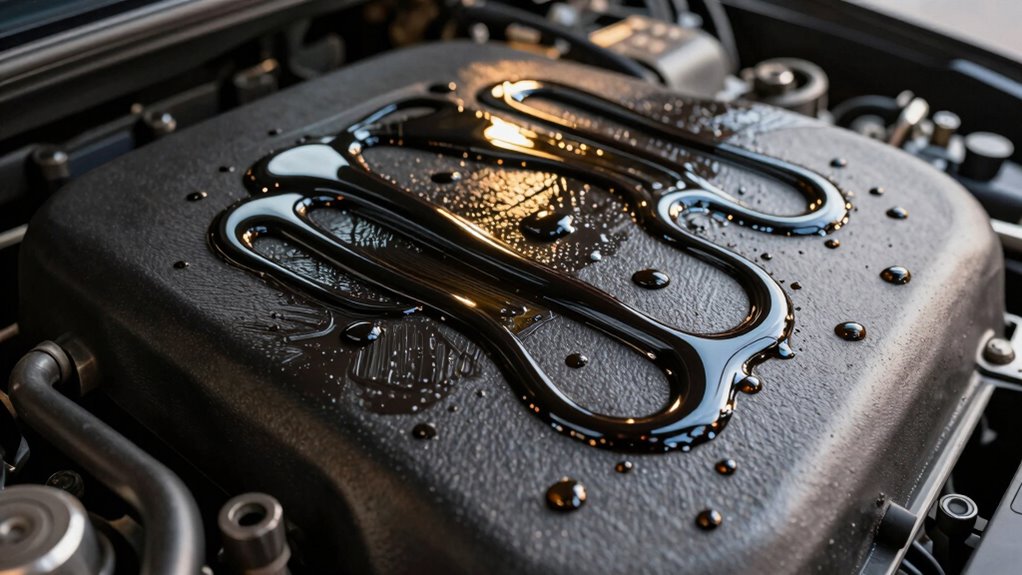
Have you ever wondered how your car’s start-stop system works to save fuel and reduce emissions? When you come to a stop—at a red light or in traffic—the system automatically switches off your engine. As soon as you press the accelerator, it restarts. This process is designed to boost fuel efficiency by reducing idle time, but it also introduces a unique pattern of strain on your engine that many drivers overlook. The frequent stopping and starting might seem minor, but it creates a cycle of repeated engine engagement and disengagement that can impact engine wear over time.
Every time your engine shuts off, there’s a brief pause before it restarts. This cycle isn’t just about saving fuel; it’s also about how often your engine goes through hot-starter cycles. These repeated startups can accelerate wear on components like the starter motor, battery, and ignition system. While modern vehicles are engineered to handle this stress, the increased frequency can still lead to quicker wear if you’re driving in heavy stop-and-go traffic daily. The engine’s components experience more thermal cycling—expanding and contracting repeatedly—which can cause premature fatigue if not properly managed. Over time, this pattern may lead to increased maintenance needs or reduced engine longevity.
You might notice that your car’s system is optimized to minimize engine stress during these cycles, but it’s important to recognize that the stress pattern is different from traditional driving. The constant stop-and-start rhythm means your engine operates under a different set of forces, affecting how you should approach vehicle maintenance. For example, ensuring your battery is in good condition is vital since the start-stop system relies heavily on electrical components. Also, using high-quality oil and following recommended service intervals helps mitigate some of the wear caused by these frequent cycles. Keeping an eye on engine health becomes essential, especially if you live in a city with heavy traffic, where start-stop driving is unavoidable.
Understanding this start-stop oil stress pattern helps you appreciate the trade-offs involved. While the system improves fuel efficiency and lowers emissions, it subtly accelerates certain types of engine wear. Being aware of this allows you to take proactive steps—like regular maintenance and mindful driving—to extend your engine’s life. Ultimately, start-stop driving is a useful feature, but it’s one that comes with its own set of challenges. If you’re aware of how it affects your engine, you can better balance the benefits of improved fuel economy with the realities of engine stress, ensuring your vehicle remains reliable for the long haul.
high quality engine oil for start-stop vehicles
As an affiliate, we earn on qualifying purchases.
As an affiliate, we earn on qualifying purchases.
Frequently Asked Questions
How Does Start-Stop Driving Affect Engine Lifespan?
Start-stop driving accelerates engine wear because frequent stopping and starting put extra stress on components. This pattern causes the oil viscosity to fluctuate, making it harder for the oil to lubricate effectively during constant engine cycles. Over time, this leads to increased engine wear, potentially shortening its lifespan. To mitigate this, verify you’re using the right oil viscosity and follow regular maintenance to keep your engine in good shape.
Are There Specific Oils Better Suited for Stop-Start Vehicles?
Yes, you should choose synthetic oils with advanced additive formulations for stop-start vehicles. These oils handle frequent engine on-off cycles better, providing enhanced protection against wear and thermal stress. Synthetic oils flow quickly during cold starts and maintain their stability under repeated stress, helping extend your engine’s lifespan. Always check your vehicle manufacturer’s recommendations, but investing in quality synthetic oils is a smart move for stop-start driving conditions.
What Maintenance Tips Can Mitigate Oil Stress From Frequent Stops?
Think of your engine oil as the heart of your car, tirelessly pumping through every stop and go. To mitigate oil stress, stick to an ideal maintenance schedule and choose the right engine oil formulation designed for stop-start driving. Regular oil changes, using high-quality synthetic oils, and inspecting for leaks keep your engine resilient. These steps help your vehicle adapt to frequent stops, preventing wear and extending engine life.
Does Start-Stop Driving Impact Fuel Efficiency Significantly?
Yes, start-stop driving can impact your fuel efficiency markedly. Frequent stopping and idling reduce fuel savings because your engine works harder to restart. Over time, this pattern also increases emissions, contributing to environmental harm. To minimize this, consider driving smoothly and anticipating stops. Proper maintenance and eco-friendly driving habits help enhance fuel efficiency and support emission reduction efforts, making your drives more economical and environmentally responsible.
Can Aftermarket Modifications Improve Oil Longevity in Stop-Start Driving?
Yes, aftermarket modifications can help improve oil longevity in stop-start driving. You should consider switching to synthetic blends, which resist breakdown better under stress, and applying engine coatings to reduce wear and heat. These upgrades create a barrier, bolster barrier, and boost durability, making your engine’s oil last longer, even during relentless start-stop cycles. With these modifications, you’ll maximize oil life and maintain smooth, sustained engine performance.
As an affiliate, we earn on qualifying purchases.
Conclusion
Next time you hit traffic or stop at lights, remember that start-stop driving causes significant oil stress, leading to increased engine wear. Did you know that vehicles in stop-and-go traffic can experience oil breakdown rates up to 50% higher than steady driving? Being aware of this pattern helps you take better care of your engine. Consider regular oil changes and maintenance to reduce stress and keep your car running smoothly longer. Stay proactive and protect your investment.
As an affiliate, we earn on qualifying purchases.
As an affiliate, we earn on qualifying purchases.
Fall Picks
fall essentials
As an affiliate, we earn on qualifying purchases.