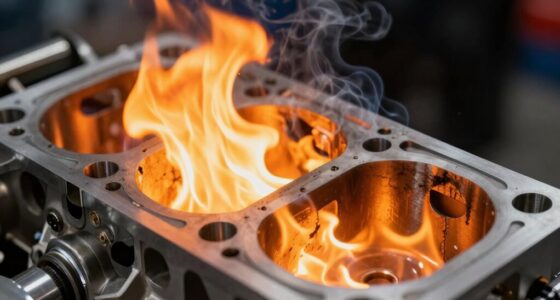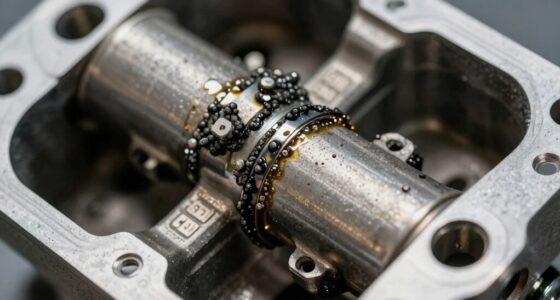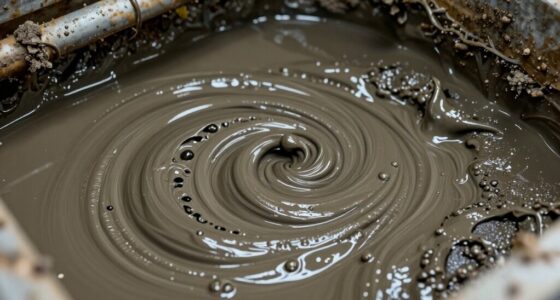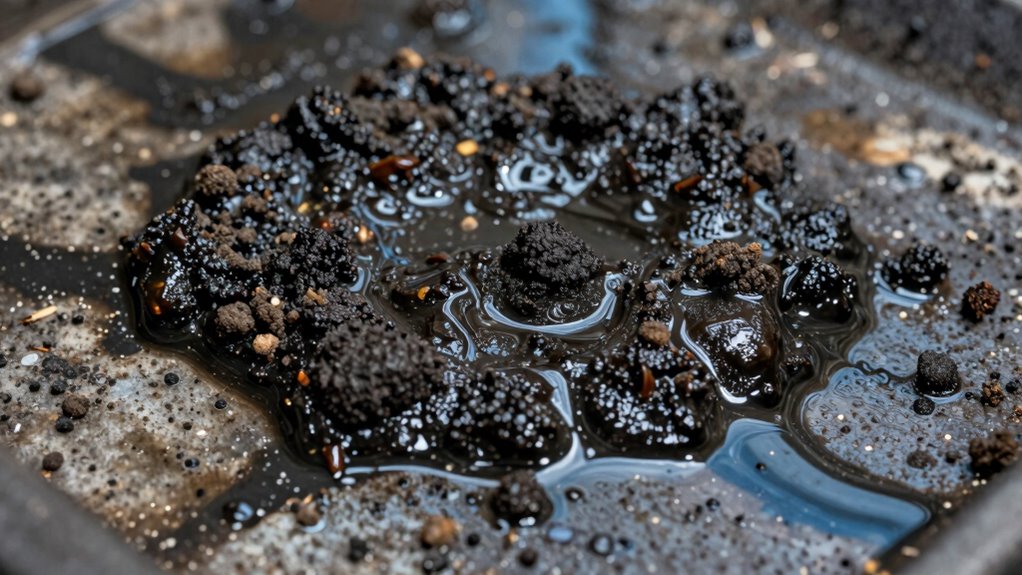

Viscosity in used oil mainly increases due to soot buildup, oxidation products, or coolant leaks. Soot from incomplete combustion sticks to the oil, making it thicker over time. Oxidation creates sludge and varnish, also raising viscosity. Coolant leaks introduce glycol fluids, thickening the oil further. Understanding which factor plays the biggest role helps you decide on necessary maintenance. Keep exploring to discover how these causes impact engine health and what you can do about them.
Key Takeaways
- Soot from incomplete combustion forms sticky deposits that significantly raise oil viscosity over time.
- Oxidation produces sludge and varnish, leading to thickening of used oil.
- Coolant leaks introduce glycol-based fluids that cause the oil to thicken and become more viscous.
- Contaminants like dirt and metal particles also increase viscosity but are less specific than soot, oxidation, or coolant.
- Analyzing oil for soot, oxidation products, and coolant presence helps determine the primary cause of viscosity increase.
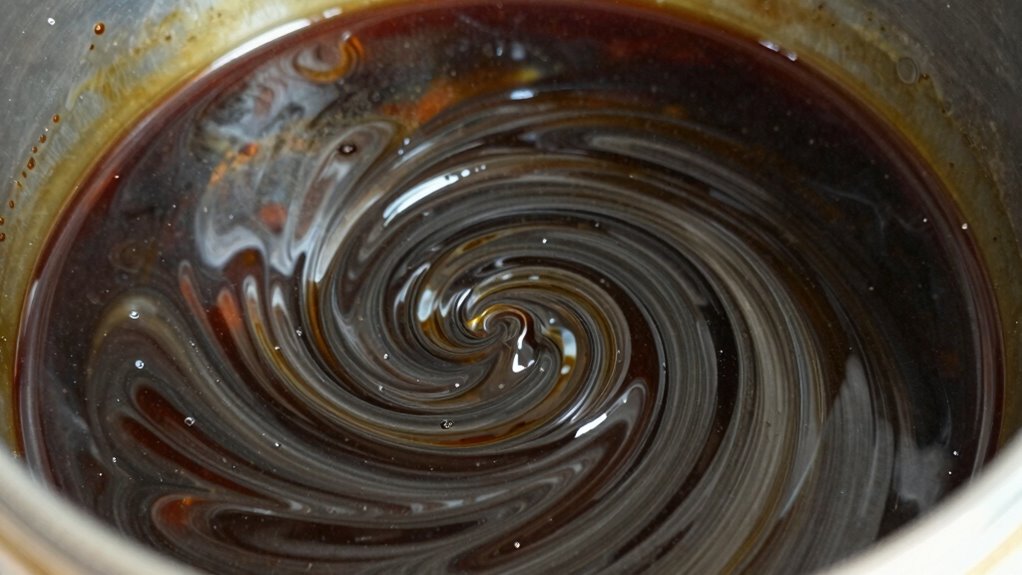
Over time, used oil tends to become more viscous, which can negatively affect engine performance and efficiency. As your engine runs, various factors contribute to this increase in viscosity. One key factor is oil contamination, where dirt, metal particles, and combustion byproducts mix with the oil. These contaminants can thicken the oil, making it less effective at lubricating engine components. When oil becomes contaminated, it loses its ability to flow smoothly, leading to increased resistance and wear on engine parts. This, in turn, can cause higher fuel consumption and even engine damage if not addressed.
Used oil thickens over time, reducing lubrication and risking engine damage. Regular changes prevent contamination buildup.
Another significant contributor to the viscosity increase is additive depletion. Engine oils contain additives that help prevent oxidation, corrosion, and build-up of sludge. Over time, these additives break down or become exhausted, reducing the oil’s ability to maintain proper viscosity. With depleted additives, the oil becomes less stable and more prone to thickening, especially under high temperatures. This degradation accelerates the formation of deposits and sludge, which further contribute to the increase in viscosity, impairing the oil’s lubricating properties.
You might also wonder whether soot, oxidation, or coolant leaks are responsible for the viscosity rise. Soot, generated from incomplete combustion, can accumulate in the oil, forming soft, sticky deposits that thicken it. Oxidation occurs when the oil reacts with oxygen at high temperatures, leading to the formation of sludge and varnish. These oxidation products increase the oil’s viscosity, making it less effective at protecting your engine. A coolant leak introduces glycol-based fluids into the oil, which can also cause thickening. The presence of coolant in the oil not only raises viscosity but can lead to corrosion and other severe engine issues. Moreover, soot accumulation from incomplete combustion can significantly alter the oil’s properties over time, further contributing to viscosity increase.

AUTOOL Engine Oil Tester Gasoline & Diesel Engine Oil Quality Tester Kit, Quick Testing Transmittance and Temperature, with 31.5 inch Flexible Probe, 2.8-inch Backlit Display
【More Powerful Detection Range】Transmittance Detection: Measure the oil transmittance (0-100%) through optical technology, visualize the degree of oil…
As an affiliate, we earn on qualifying purchases.
As an affiliate, we earn on qualifying purchases.
Frequently Asked Questions
How Does Soot Specifically Impact Oil Viscosity?
Soot specifically impacts oil viscosity by causing particle accumulation, which thickens the oil. As soot builds up, it can promote soot oxidation, leading to further formation of sticky, dense deposits. These particles interfere with oil flow, increasing viscosity and reducing lubrication efficiency. You’ll notice this as increased resistance in engine parts, potentially causing overheating and wear if not addressed promptly. Regular oil analysis helps detect soot-related viscosity changes early.
Can Oxidation Cause Viscosity to Decrease Instead of Increase?
Yes, oxidation effects can cause viscosity to decrease instead of increase. As oxidation progresses, it breaks down oil molecules, leading to a thinner, less viscous fluid. You’ll notice this change in viscosity behavior when the oil becomes more prone to leaks and reduced lubrication. Keep an eye on oil condition and replace it if oxidation causes significant viscosity loss, ensuring your engine runs smoothly and efficiently.
What Test Methods Accurately Differentiate Coolant Contamination?
You can use coolant analysis tests like infrared spectroscopy, chemical testing, or laboratory contamination detection methods to precisely identify coolant contamination. These tests detect specific additives or properties unique to coolants, helping you differentiate contamination sources effectively. Proper coolant analysis ensures accurate diagnosis, preventing misinterpretation of oil condition, and helps you decide whether coolant intrusion is affecting your oil’s viscosity or overall performance.
How Quickly Does Viscosity Change After Coolant Leaks?
Like the butterfly effect, coolant leaks trigger rapid oil changes. Viscosity can increase within days due to coolant contamination, signaling early oil degradation. Regular viscosity monitoring helps catch these shifts early, sometimes within a few days, allowing you to address issues before engine damage occurs. Keep an eye on viscosity changes, as they serve as a critical indicator of coolant intrusion and overall oil health.
Are There Preventive Measures to Stop Soot Buildup?
To prevent soot buildup, you should prioritize regular preventive maintenance, including timely engine checks and oil changes. Installing soot filtration systems can also assist in trapping particles before they accumulate. Keep an eye on exhaust systems and ensure proper combustion to minimize soot formation. Consistent maintenance routines and using quality oil and filters are your best defenses against excessive soot buildup, ensuring smoother engine operation and longer oil life.

Oil Analysis Premier Kit by Under My Hood with return postage included
NOT FOR USE ON AIRCRAFT!
As an affiliate, we earn on qualifying purchases.
As an affiliate, we earn on qualifying purchases.
Conclusion
Think of your used oil like a sponge soaking up everything around it. When soot, oxidation, or coolant sneak in, it thickens and loses its flow—just like a sponge saturated with too much water. I once saw an engine struggle because its oil had turned into sludge, nearly like trying to swim through honey. Keep an eye on those viscosity changes; they’re the oil’s way of warning you to act before things get sticky and costly.
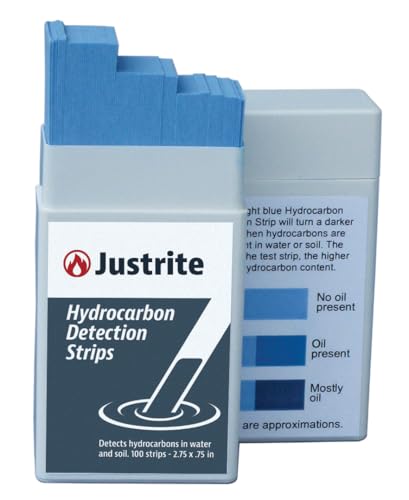
Justrite Hydrocarbon Test Strips for Oil and Water, 2.75" x 0.75" Instant Results, Pack of 100, Blue, 26486
Instant Results – Our oil tester strips change from light blue to dark blue upon contact with hydrocarbons,…
As an affiliate, we earn on qualifying purchases.
As an affiliate, we earn on qualifying purchases.

Robinair 75134 Econo-Clean Coolant Test Strip – 50 Piece
Robinair's Econo-Clean Coolant Test Strips allow you to test your vehicle's coolant to ensure it will provide adequate…
As an affiliate, we earn on qualifying purchases.
As an affiliate, we earn on qualifying purchases.