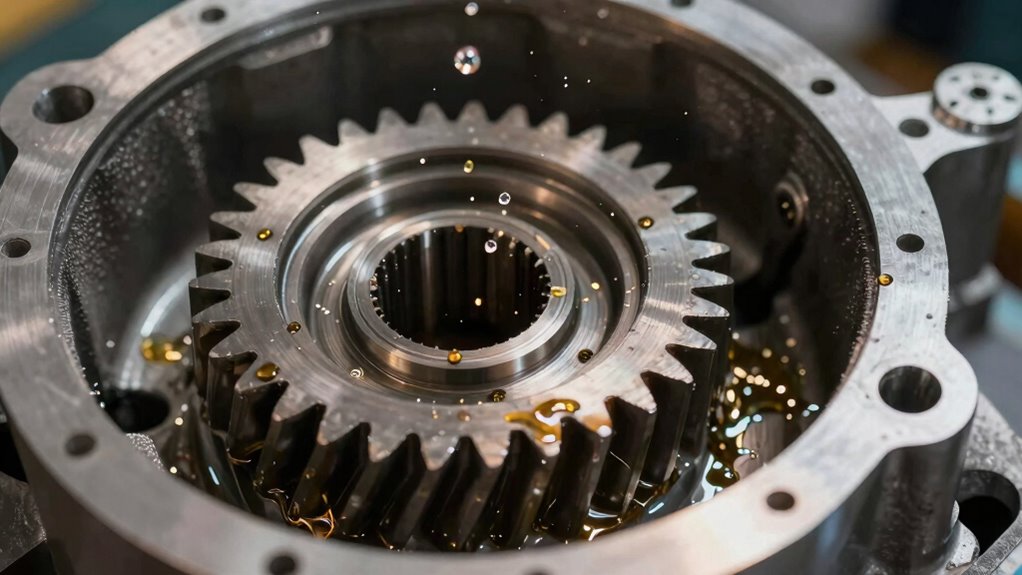

Even in splash-lubed gearboxes, filtration is essential because splash alone doesn’t remove dirt, metal particles, or debris that accumulate over time. Contaminants can settle inside, causing premature wear and potential failures. Relying solely on splash lubrication can lead to increased damage and costly repairs. To keep your gearbox running smoothly and extend its lifespan, proper filtration systems are necessary. If you want to understand how to choose and maintain the right filters, keep exploring this topic.
Key Takeaways
- Splash lubrication alone cannot remove contaminants; debris can settle and cause wear without filtration.
- Effective filtration prevents debris buildup, reducing gear wear and extending gearbox lifespan.
- Relying solely on splash action ignores the accumulation of metal particles and dirt that damage components.
- Proper filters ensure lubricant cleanliness, supporting reliable splash patterns and optimal gear performance.
- Combining splash lubrication with filtration safeguards gearboxes from contamination-related failures and reduces maintenance costs.

Yokoma 220V Filtering Machine Portable Hydraulic Oil Filter Cart Single Cylinder Mobile Oil Filtration Purification System 3um Fine Size with 78.74in/2m PVC Hose
【Efficiency】- Effectively maintain the performance of the oil, with high purification accuracy. Old oil can be regularly filtered...
As an affiliate, we earn on qualifying purchases.
How Splash Lubrication Keeps Your Gearbox Running Smoothly
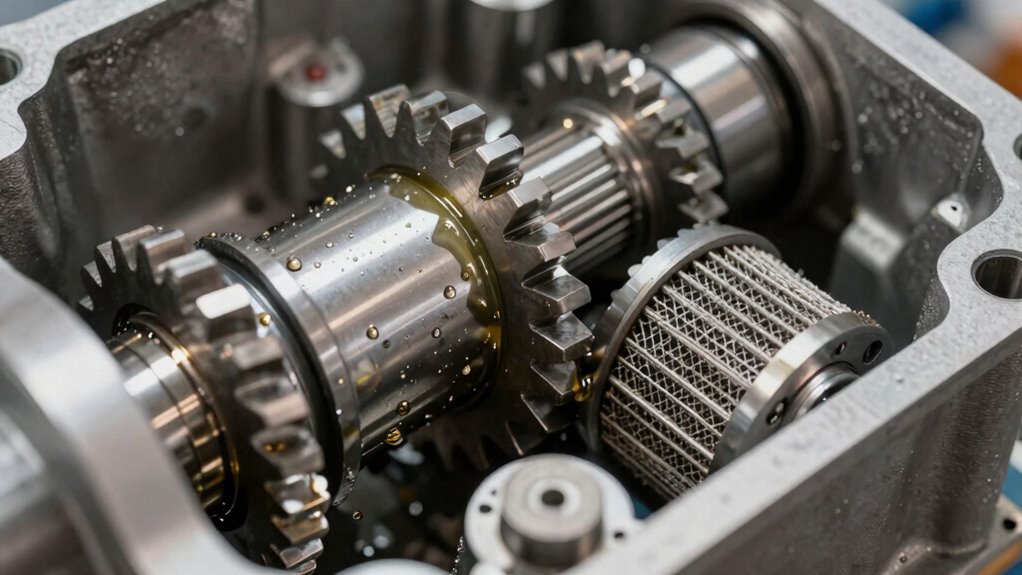
Splash lubrication plays a crucial role in keeping your gearbox operating smoothly by guaranteeing continuous oil circulation within the system. The effectiveness of this process depends heavily on oil viscosity, which influences how well the oil can form a consistent splash pattern. If the oil is too thick, it won’t splash effectively, leading to inadequate lubrication and increased wear. Conversely, if it’s too thin, it might not provide enough film strength to protect gears. The splash pattern created by rotating gears distributes oil across bearing surfaces and gear teeth, reducing friction and heat. Proper oil viscosity ensures a dependable splash pattern, maintaining lubrication where it’s needed most. Additionally, oil viscosity impacts how well the oil can resist breakdown under operating conditions, further influencing the lifespan of your gearbox components. A well-designed gearbox system considers these factors to optimize performance. Understanding lubrication mechanisms helps in selecting the right oil and maintenance schedule to ensure longevity, especially when considering the oil’s flow characteristics under various conditions. Regularly monitoring oil flow and viscosity levels can prevent potential issues before they become costly repairs. This simple yet essential process helps your gearbox run smoothly and prolongs its lifespan.

JARYANNIX 220V Portable Filtering Machine, Hydraulic Oil Filter Cart with Single Barrel, Oil Filtration Purification System with 78.74in/2m PVC Hose, 63 L/min
Excellent Purification Performance: Filter elements ranging from 3μm to 40μm are available on demand. Equipped with a dual...
As an affiliate, we earn on qualifying purchases.
Why Splash-Lubed Gearboxes Still Need Filtration
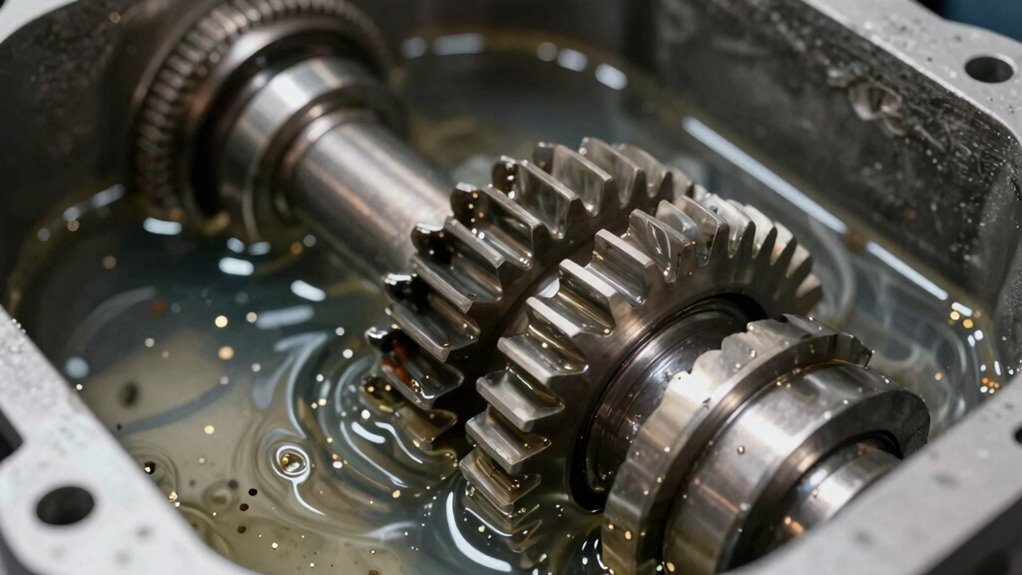
Even though splash lubrication effectively distributes oil within the gearbox, it doesn’t remove contaminants or debris that can accumulate over time. Many lubrication myths suggest that splash lubrication alone keeps gearboxes clean, but in reality, debris can settle and cause damage if not filtered out. Relying solely on splash action gives a false sense of gearbox cleanliness, risking increased wear and unexpected failures. Filtration ensures that dirt, metal shavings, and other particles are removed, maintaining ideal lubricant quality. Without proper filtration, these contaminants can circulate, accelerating component wear and reducing gearbox lifespan. Contaminant removal is essential for maintaining optimal gear performance and longevity. Incorporating a dedicated filtration system helps prevent the buildup of harmful debris and prolongs gear life. Proper filtration techniques can also help in preventing corrosion, which can occur when moisture interacts with contaminants in the lubricant, further damaging gears. Additionally, regular monitoring of lubricant condition can help identify contamination issues early, preventing costly repairs. Implementing filtration methods can significantly improve the reliability and operational efficiency of splash-lubed gearboxes, making maintenance easier and more effective. So, even in splash-lubed systems, filtration plays a crucial role in preserving gear health and ensuring reliable operation.

220V Filtering Machine Portable Hydraulic Oil Filter Oil Filtration Purification System for Hydraulic, Lubricating, Industrial Purification 600L/h Flow, 5um Fineness
High-Efficiency Filtration: This portable oil filter delivers 5um filtration fineness with a 600L/h flow rate, ensuring rapid removal...
As an affiliate, we earn on qualifying purchases.
Debunking Myths About Dirt and Splash Lubrication
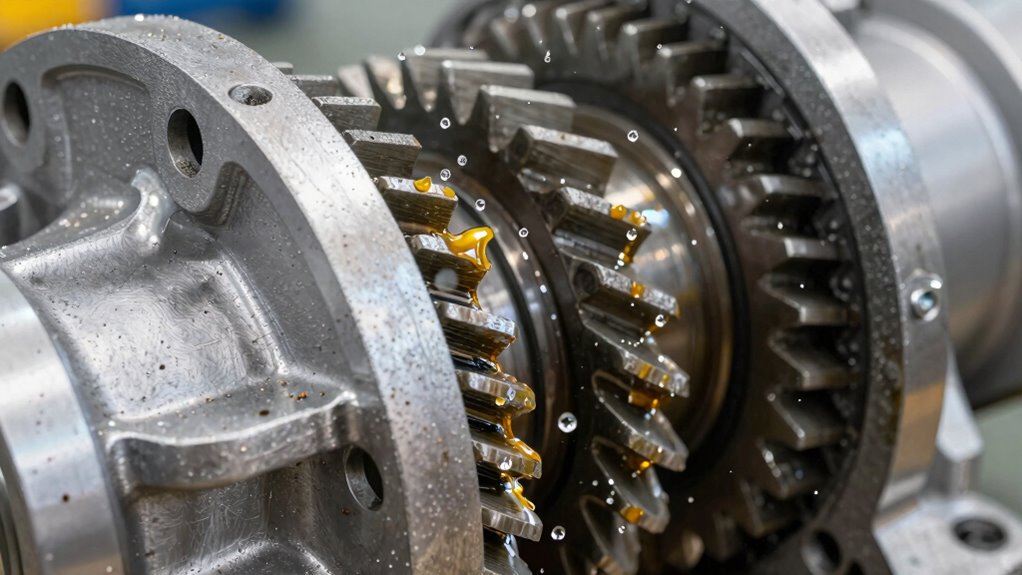
Many believe that splash lubrication alone keeps gearboxes clean and free of harmful debris. However, this isn’t entirely true. The effectiveness of splash lubrication depends on factors like oil viscosity; if the oil is too thick or too thin, debris may settle or circulate improperly. Additionally, the gear material influences how debris interacts within the system—softer materials can trap more particles, increasing wear. Relying solely on splash action risks allowing dirt and metal shavings to accumulate, leading to damage over time. Proper filtration is essential regardless of these factors. Splash lubrication reduces direct contact but doesn’t eliminate the need for filtration. Understanding these myths helps you appreciate why maintaining clean oil and using appropriate filtration safeguard your gearbox’s longevity.
TECHTONGDA Hydraulic Oil Filter Cart, 3 Stage Filtration Mobile Oil Filtration System, 63 L/min Flow, 220V Cart Filtering Machine with 78.74in/2m PVC Hose, Portable Filter Device
Efficient Filtration System: The voltage is 220v, and the power is 1500w. Adopting a single tube and three-stage...
As an affiliate, we earn on qualifying purchases.
Choosing the Right Filtration System for Splash-Lubed Gearboxes

Choosing the right filtration system for splash-lubed gearboxes is crucial to guarantee your equipment stays clean and operates efficiently. You need a system that ensures lubricant compatibility, preventing additive depletion or degradation. Consider filtration maintenance requirements, selecting filters that are easy to service and replace to minimize downtime.
| Filter Type | Benefits |
|---|---|
| Metal Mesh Filters | Durable, reusable, excellent debris removal |
| Cartridge Filters | Easy to replace, customizable filtration |
Opt for filters compatible with your lubricant’s specifications, and schedule regular maintenance to prevent contamination buildup. Proper filtration helps maintain oil quality, reduces wear, and extends gear life—all critical factors in splash-lubed systems.
Signs Your Splash-Lubed Gearbox Needs Better Filtration
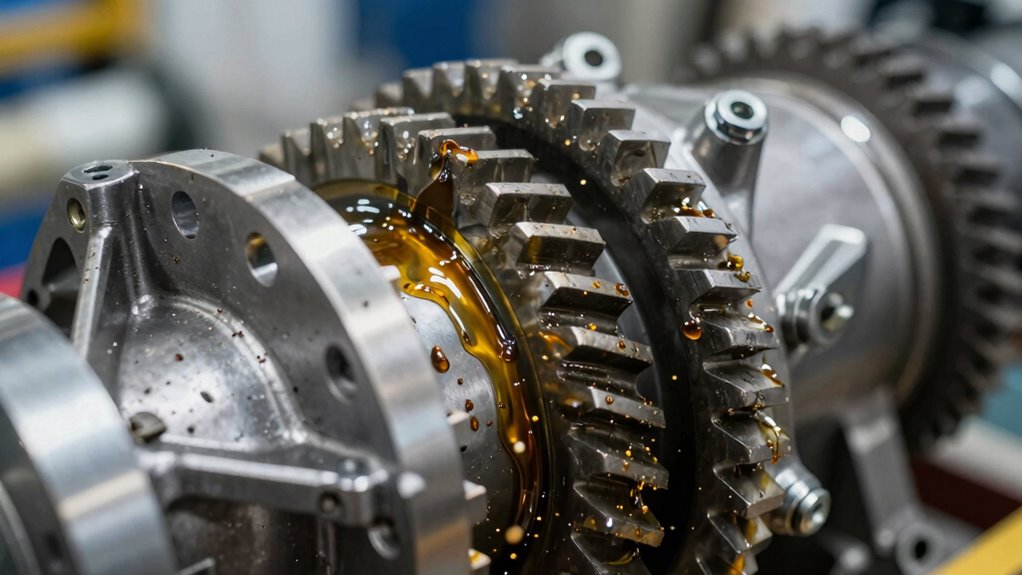
If your splash-lubed gearbox shows increased wear or frequent breakdowns, it may be a sign that your filtration system isn’t effectively removing contaminants. Oil contamination can build up, leading to accelerated gear wear and reduced efficiency. You might notice higher noise levels during operation, indicating internal damage or imbalance caused by debris. Unusual noises, such as grinding or knocking, often signal that contaminants are causing friction or impacting gear contact. Additionally, frequent oil darkening or sludge formation suggests inadequate filtration. These signs point to the need for improved filtration to keep contaminants out of the oil. Addressing these issues promptly helps prevent costly repairs, extends gearbox life, and maintains smooth, reliable operation.
Tips to Keep Your Gearbox Filtration Effective
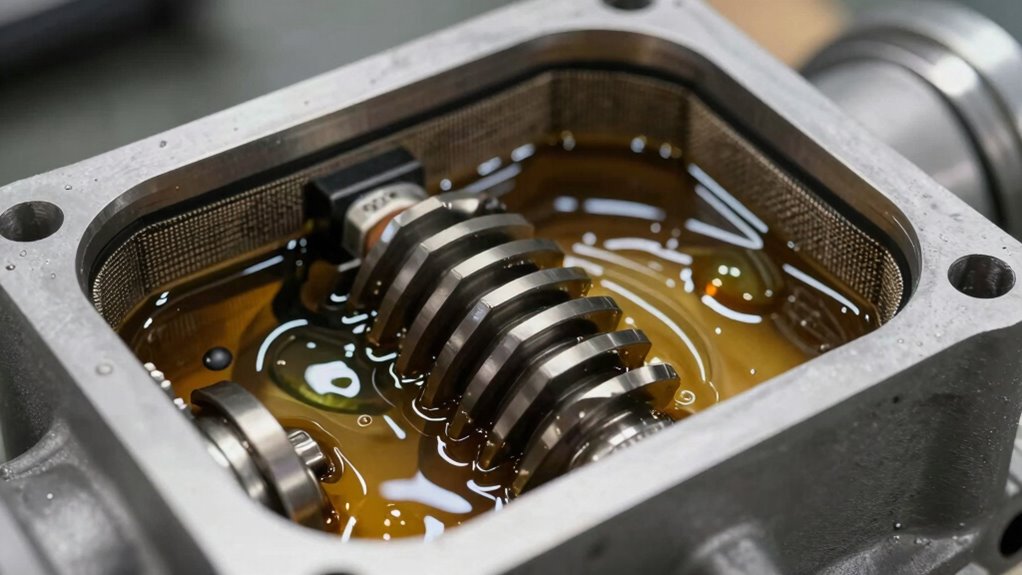
To maintain peak performance in your splash-lubed gearbox, regular attention to filtration practices is key. Many lubrication myths suggest that splash lubrication negates the need for filtration, but that’s a filtration myth. To keep things running smoothly, regularly inspect and replace filters, and avoid assuming oil cleanliness is guaranteed by splash alone. Visualize your gearbox as shown below:
| Dirty Oil | Clean Oil |
|---|---|
| Metal Shavings | Clear Lubricant |
| Debris Buildup | Consistent Flow |
| Cloudy Appearance | Transparency |
| Increased Wear | Smooth Operation |
| Filter Clogging | Proper Filtration |
Staying vigilant counters lubrication myths and ensures debris doesn’t cause premature wear. Proper filtration maintains your gearbox’s longevity and efficiency. Additionally, understanding filtration methods can help optimize your maintenance routine and protect your equipment from unnecessary damage. Incorporating water filtration techniques can further enhance the removal of contaminants that water may introduce, even in splash lubrication systems. Recognizing the importance of oil cleanliness standards ensures that your gearbox remains protected against unseen pollutants. Regularly assessing contaminant levels in your oil can provide early warning signs of filtration inefficiency and help prevent costly repairs.
Prevent Costly Gearbox Failures With Proper Filtration
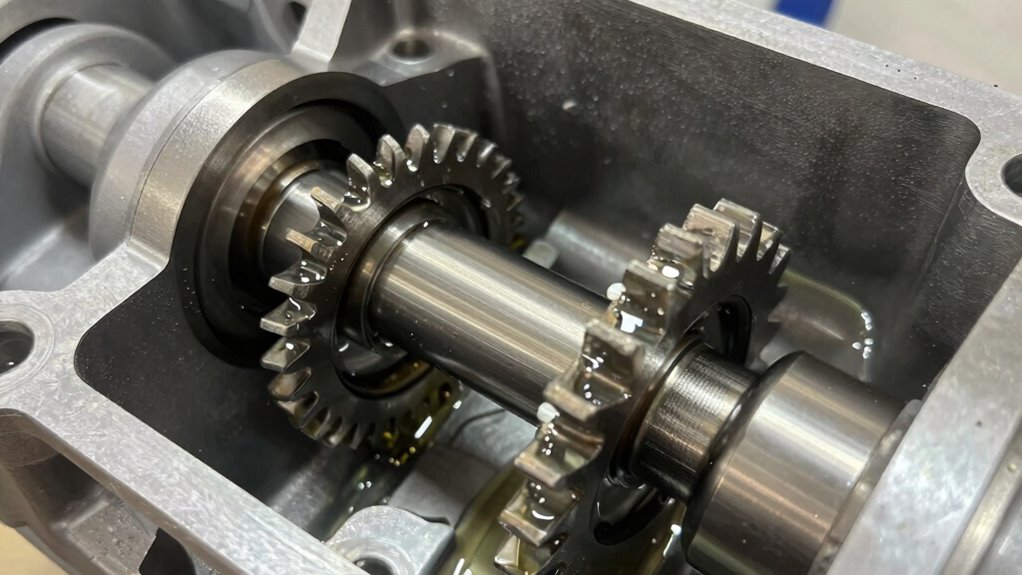
Proper filtration plays a critical role in preventing costly gearbox failures by keeping harmful particles and contaminants out of the lubricant. Many lubrication myths and filtration misconceptions lead operators to overlook the importance of effective filtration, assuming splash lubrication alone suffices. In reality, neglecting proper filtration allows debris and metal particles to circulate, accelerating wear and increasing the risk of failure. Investing in reliable filtration systems ensures contaminants are captured before they cause damage. Regular piercings cleaning and maintenance are essential to maintain optimal filtration performance. By dispelling these myths, you can maintain cleaner lubricants, reduce downtime, and extend gear life. Proper filtration isn’t just an accessory; it’s an essential maintenance practice that safeguards your gearbox’s performance and longevity. Don’t fall for misconceptions—prioritize effective filtration to prevent costly repairs.
Frequently Asked Questions
How Often Should Splash-Lubed Gearboxes Be Checked for Contamination?
You should inspect splash-lubed gearboxes regularly, ideally every 3 to 6 months, to detect contamination early. Consistent inspection frequency helps you identify issues like dirt or metal particles, preventing damage. By proactively monitoring for contamination detection, you guarantee the gearbox remains properly lubricated and functional. Regular checks are essential, especially if your equipment operates under heavy loads or harsh conditions, to maintain ideal performance and extend service life.
Can Improper Filtration Cause Gearbox Overheating?
Improper filtration can turn your gearbox into a ticking time bomb, causing overheating. When oil contamination occurs due to neglected filter maintenance, debris builds up and impedes heat dissipation. This traps heat like a sponge soaking up moisture, risking damage. Ensuring regular filter checks and replacing contaminated oil prevents this scenario, keeping your gearbox cool and running smoothly. Don’t let neglect turn your gearbox into a hot mess—prioritize proper filtration now.
What Types of Filters Are Best for Splash-Lubed Systems?
For splash-lubed systems, you should choose high-quality mesh or screen filters, as they effectively trap debris while allowing adequate oil flow. Metal mesh filters are durable and suitable for continuous filtration, whereas paper or fabric filters can provide finer filtration but may require more frequent maintenance. These filter types work well with filtration methods that focus on removing larger particles, ensuring your gearbox stays clean and operates smoothly.
How Does Dirt Impact Gear Longevity in Splash-Lubed Gearboxes?
Dirt damages gear longevity by causing contamination, which compromises lubricant purity. When debris gets into your splash-lubed gearbox, it accelerates wear and tear, leading to costly breakdowns. To prevent this, prioritize contamination prevention through effective filtration, ensuring cleaner lubricant circulation. You can improve gear lifespan by keeping dirt out, maintaining ideal performance, and avoiding unnecessary expenses. Proper filtration safeguards your gear’s health by preserving lubricant purity and reducing harmful dirt intrusion.
Are There Maintenance Practices to Improve Filtration Effectiveness?
To improve filtration effectiveness, you should regularly check the oil condition and perform filter maintenance. Keep an eye on oil quality, looking for contaminants or degradation, and replace filters as recommended by the manufacturer. This proactive approach guarantees dirt and debris don’t accumulate, which can harm gear longevity. Consistent oil testing and timely filter changes help maintain ideal lubrication, reduce wear, and extend the gearbox’s lifespan.
Conclusion
Remember, even if your gearbox is splash-lubed, it’s not invincible against dirt and debris. Think of filtration like a health check-up—preventive care keeps things running smoothly. By choosing the right system and staying vigilant, you can avoid costly failures and keep your gearboxes humming like a well-oiled orchestra. Don’t let dirt be the silent thief of your machinery’s lifespan—invest in proper filtration and keep your equipment singing its best tune.