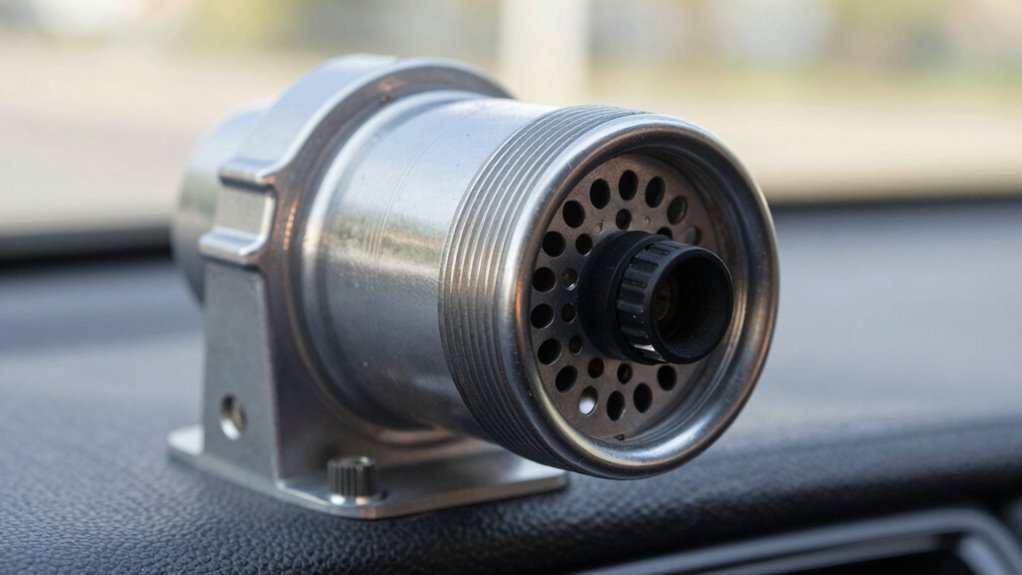

Differential vent breathers are affordable components that protect your equipment from water and debris ingress while still allowing air to flow freely. They maintain pressure balance inside systems and act as barriers against dust, dirt, and moisture. Proper installation and regular maintenance ensure they work effectively over time. If you want to know how to choose, install, or care for these essential parts, there’s more to discover that can help you keep your systems protected.
Key Takeaways
- Differential vent breathers allow airflow while blocking water, dirt, and debris from entering systems.
- Properly installed vent breathers maintain pressure balance and prevent water ingress effectively.
- Regular inspection and cleaning of vent filters ensure continued protection against water and contaminants.
- Selecting affordable, high-quality vent breather units enhances system longevity at low cost.
- Upgrading or replacing damaged vent breathers prevents costly water damage and system failure.
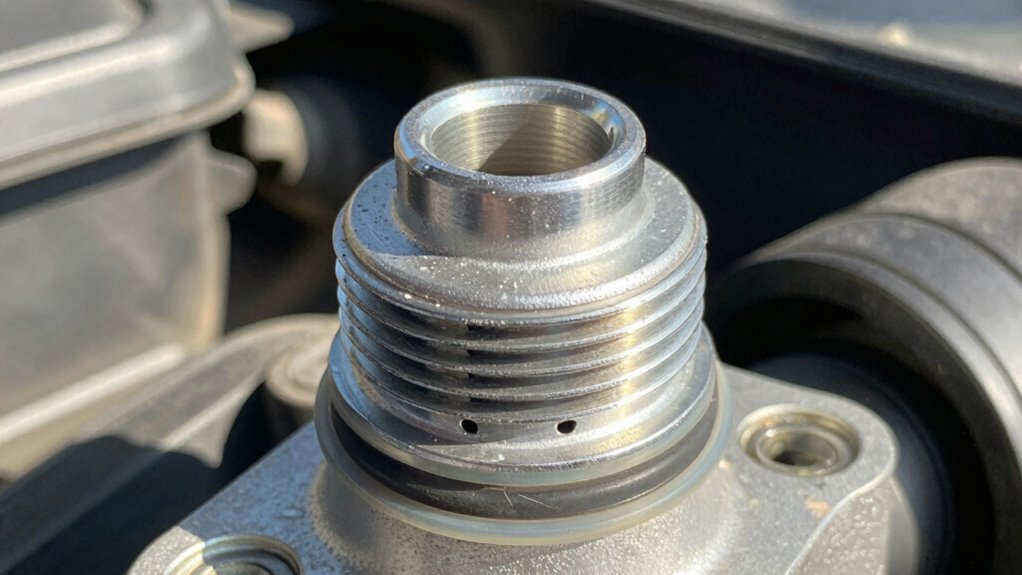
Differential vent breathers are essential components that help maintain proper pressure balance within a system by allowing air to flow in and out while preventing contaminants from entering. When installed correctly, they act as a vital barrier against water ingress, dirt, and other debris that could compromise your equipment. Proper installation tips are key to guaranteeing these breathers work effectively over time. First, make sure you select the right size and type for your specific application, considering factors like pressure range and environmental conditions. When mounting the vent breather, position it in a location that minimizes exposure to direct water splashes or heavy dust, ideally elevated and away from potential water paths. Use compatible fittings and secure the unit tightly to prevent leaks or dislodgement during operation. A clean, dry installation surface also helps maintain a good seal, reducing the risk of contaminants bypassing the breather.
Once installed, maintaining your differential vent breather is straightforward but vital for longevity and proper function. Establish a routine maintenance schedule where you regularly inspect the unit for signs of clogging, damage, or wear. Many breathers come equipped with a filter element that needs periodic cleaning or replacement—neglecting this can cause pressure imbalances or allow water and debris to bypass the filter. During maintenance routines, check for corrosion or cracks in the housing and ensure the vents are unobstructed. Some systems feature a drain or moisture collection point; make sure this is emptied regularly to prevent water buildup, which can compromise the breather’s ability to prevent ingress. Regularly verifying the pressure balance within the system ensures optimal performance and longevity of your vent breather.
Additionally, keep an eye on the environment where the vent breather operates. If it’s exposed to harsh conditions, consider protective measures like shields or covers that do not impede airflow but offer extra defense against environmental elements. Updating your maintenance routines to include these checks guarantees your differential vent breather remains reliable. If you notice consistent clogging or damage, replacing the unit is often more cost-effective than risking system contamination or failure.

Dorman 924-284 Front Differential Vent Breather Compatible with Select Lexus / Toyota Models
Direct replacement – this axle vent is designed to match the fit and function of the original vent…
As an affiliate, we earn on qualifying purchases.
As an affiliate, we earn on qualifying purchases.
Frequently Asked Questions
How Often Should I Replace My Differential Vent Breather?
You should replace your differential vent breather every 20,000 to 30,000 miles or when you notice signs of water ingress or reduced ventilation system efficiency. Regular checks help prevent water from entering your differential, which can cause damage. If you see cracks, clogs, or corrosion, it’s time for a replacement. Maintaining this part guarantees your ventilation system functions correctly, protecting your vehicle’s differential from moisture-related issues.
Can a Damaged Breather Cause Differential Pressure Issues?
Did you know that over 60% of vehicle ventilation issues stem from damaged breathers? A damaged breather can definitely cause differential pressure issues by disrupting ventilation efficiency. When the breather’s compromised, it can lead to a pressure imbalance, making it harder for fluids to escape and potentially damaging seals and components. Regularly inspecting and replacing faulty breathers guarantees proper pressure regulation and keeps your differential system functioning smoothly.
Are There Specific Vehicles That Benefit Most From These Breathers?
You’ll find differential vent breathers especially beneficial on vehicles with high water exposure or in humid climates. Vehicle compatibility varies, but off-road vehicles, trucks, and vehicles used in muddy or rainy conditions gain the most protection. These breathers prevent water ingress and pressure issues, ensuring your differential stays dry and functions properly. Consider climate conditions and your vehicle’s environment to determine if installing a vent breather will improve longevity and performance.
What Maintenance Is Required for Long-Term Effectiveness?
To keep your differential vent breather effective long-term, regularly check for clogs or debris and clean with compressed air or a gentle brush. Follow proper installation tips, ensuring a secure fit and correct positioning to prevent water ingress. Choose vent breathers made from durable, weather-resistant materials to withstand environmental elements. Periodic inspection and maintenance will ensure peak performance, protecting your vehicle’s differential from water damage and contamination.
Do Different Climates Affect Breather Performance?
A stitch in time saves nine, and that’s true for breather performance across different climates. Climate impact affects how well your breather works, so you need to consider climate when choosing the right breather. In humid or rainy areas, opt for breather selection that resists water ingress. In colder climates, look for features that prevent freezing. Properly matching your breather to your climate ensures long-term, reliable protection.

2-Pack IP68 Industrial Breather Vent – M12x1.5 Pressure Equalization Valve, Dual-Port Moisture Control for Electrical Cabinets Enclosures
DUAL-PORT DESIGN: Features two separate ports for enhanced pressure equalization and moisture control in electrical enclosures and cabinets
As an affiliate, we earn on qualifying purchases.
As an affiliate, we earn on qualifying purchases.
Conclusion
Remember, a simple differential vent breather is like a gatekeeper, protecting your equipment from water ingress without breaking the bank. It’s the small part that can save you from costly repairs down the line. Don’t overlook its importance—think of it as the “little things” that keep the big picture running smoothly. Invest in quality, and you’ll keep your systems dry and running longer. After all, an ounce of prevention is worth a pound of cure.

Duck Brand Air Vent Filters, Reduce Airborne Particles like Dust, Dander, Pollen and Trap Debris in your Ventilation System, Air Register Vent Filters for Home, 4 In. x 12 In., 12-Pack, White
REDUCES AIRBORNE PARTICLES: Air vent filters keep the air in your home cleaner; reduce airborne particles such as…
As an affiliate, we earn on qualifying purchases.
As an affiliate, we earn on qualifying purchases.
2-Pack IP68 Industrial Breather Vent – M12x1.5 Pressure Equalization Valve, Dual-Port Moisture Control for Electrical Cabinets Enclosures
DUAL-PORT DESIGN: Features two separate ports for enhanced pressure equalization and moisture control in electrical enclosures and cabinets
As an affiliate, we earn on qualifying purchases.
As an affiliate, we earn on qualifying purchases.