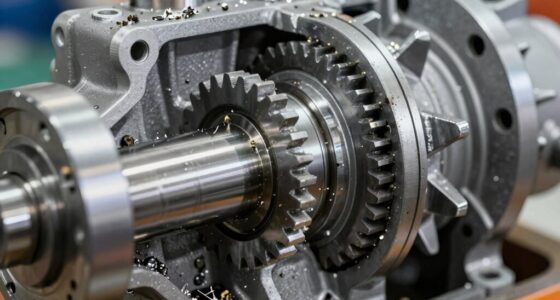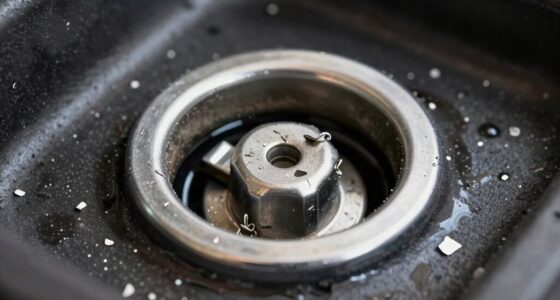

Adding too many friction modifiers to your vehicle’s lubricant can make the surface too slick, preventing proper lock-up during clutch engagement or braking. When there’s excess additive, it reduces the friction needed for grip, causing slippage instead of secure connections. Proper balance is key—too little won’t protect or improve performance, but too much can hinder it. To protect your engine and understand how to optimize this, keep exploring how formulations work together.

Get garage and car supplies delivered free — and shop member deals
- Fast, free delivery on millions of items
- Access to Prime Big Deal Days deals on October 6–7
- Prime Video, Amazon Music and more included
Key Takeaways
- Excess friction modifiers can create a overly slick film, preventing proper metal-to-metal contact needed for lock-up.
- Over-application may reduce the friction required for clutch engagement or brake lock-up, causing slippage.
- An imbalance in additive concentration can diminish grip, leading to decreased performance in high-pressure situations.
- Proper formulation ensures that friction modifiers provide enough slip without overly inhibiting necessary lock-in.
- Too much additive can interfere with other lubricant components, compromising overall lock-up effectiveness.
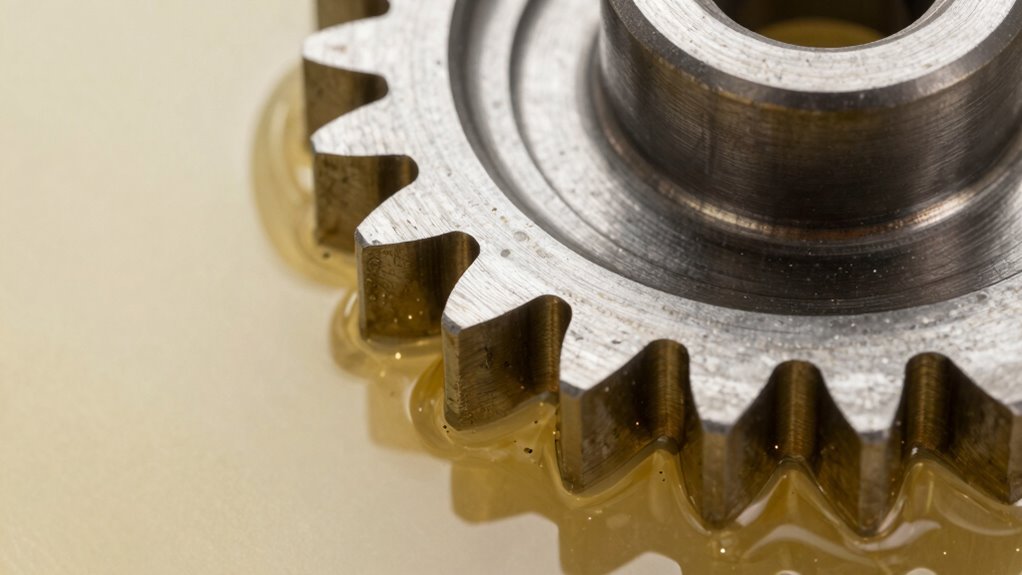
Friction modifiers are additives used in lubricants to reduce the resistance between moving surfaces, improving efficiency and protecting equipment. In the domain of automotive applications, these additives play a pivotal role in enhancing engine performance, fuel economy, and component longevity. They work by altering the chemical properties of the lubricant, forming a thin film that minimizes metal-to-metal contact. This film reduces friction and wear, helping your vehicle run more smoothly and last longer. Understanding how friction modifiers function in automotive lubricants can help you make smarter choices for maintenance and performance.
The chemical properties of friction modifiers are fundamental to their effectiveness. These additives are typically organic compounds that contain elements like sulfur, phosphorus, or chlorine, which help create a low-shear, durable film on metal surfaces. For example, molybdenum disulfide and zinc dialkyldithiophosphates are common friction modifiers. Their chemical structures allow them to adsorb onto metal surfaces, forming a protective layer that reduces the coefficient of friction. However, it is crucial to recognize that more isn’t always better. Excessive use of friction modifiers can lead to a paradoxical situation where the lubricant becomes too slick, preventing necessary lock-up during specific operations, such as clutch engagement or braking.
In automotive applications, the balance of chemical properties in friction modifiers is essential. Too much of a certain additive can cause slippage or reduced grip, especially in high-performance parts that depend on precise friction levels. Conversely, insufficient amounts might fail to provide the desired protection or efficiency benefits. This delicate equilibrium is why lubricant formulations are carefully engineered, with manufacturers optimizing the concentration of friction modifiers to match specific engine needs and operating conditions. Proper formulation ensures that the friction modifiers work effectively without compromising safety or performance.
Understanding the chemical interactions at play can also help you identify potential issues. For instance, certain friction modifiers may interact negatively with other additive components, leading to deposits or corrosion. This is why quality lubricants are formulated with compatibility in mind, ensuring that the chemical properties of the additives complement each other and deliver consistent performance. When choosing lubricants for your vehicle, consider those with well-balanced formulations that account for the specific demands of your automotive application. Additionally, awareness of additive compatibility can guide you in selecting products that maintain optimal engine health over time.
automotive friction modifier lubricant
As an affiliate, we earn on qualifying purchases.
As an affiliate, we earn on qualifying purchases.
Frequently Asked Questions
How Do Friction Modifiers Impact Fuel Efficiency?
Friction modifiers improve fuel efficiency by reducing internal engine friction, allowing your engine to run smoother and require less energy. Your engine oil formulation, including additive compatibility, plays a vital role in ensuring these modifiers work effectively without causing adverse effects. When properly balanced, friction modifiers help maximize fuel economy, but overuse can diminish benefits or cause compatibility issues, so it’s imperative to use the right formulation for maximum performance.
Are Friction Modifiers Compatible With All Engine Oils?
Friction modifiers are generally compatible with most engine oils, especially synthetic types designed for additive stability. You should check your oil’s specifications to verify synthetic compatibility, as some formulations may not support certain additives. When choosing an oil with friction modifiers, confirm it maintains additive stability over time, so your engine benefits from improved efficiency without risking compatibility issues. Always follow manufacturer recommendations for ideal results.
What Are the Environmental Effects of Using Friction Modifiers?
Using friction modifiers can impact the environment by introducing chemicals that may affect water and soil quality if not properly managed. They can contribute to pollution during manufacturing or disposal. To minimize this, you should look for eco-friendly alternatives that reduce environmental impact. Choosing products with biodegradable friction modifiers helps protect ecosystems and supports sustainable practices, ensuring your vehicle’s performance doesn’t come at the expense of environmental health.
Can Friction Modifiers Cause Long-Term Engine Wear?
Friction modifiers can cause long-term engine wear if they break down over time or aren’t compatible with your oil, affecting additive stability. This degradation may lead to increased engine component wear due to inconsistent friction reduction. To prevent this, use products with proven additive stability and follow manufacturer recommendations, ensuring your engine stays protected and functions smoothly without premature wear caused by deteriorating friction modifiers.
How Do I Choose the Right Friction Modifier for My Vehicle?
You should choose the right friction modifier by checking your vehicle’s specifications and oil compatibility. Coincidentally, many modern engines need synthetic-compatible additives with stable formulations to prevent wear and guarantee smooth lock-up. Look for products that mention additive stability and synthetic compatibility, matching your vehicle’s requirements. This way, you get ideal performance without risking long-term damage, especially during high-stress driving conditions.
high performance brake lubricant
As an affiliate, we earn on qualifying purchases.
As an affiliate, we earn on qualifying purchases.
Conclusion
Just like a masterful conductor knows when to ease the tempo, understanding friction modifiers helps you control lock-up precisely when you need it. Sometimes, adding a little less creates a smoother performance, preventing chaos in the gears. Think of it as a delicate dance—balancing the push and pull—to keep your system functioning flawlessly. When you grasp this subtle art, you guarantee your vehicle’s rhythm stays steady, even when the stakes are high.
clutch engagement lubricant additive
As an affiliate, we earn on qualifying purchases.
As an affiliate, we earn on qualifying purchases.
engine oil with friction modifiers
As an affiliate, we earn on qualifying purchases.
As an affiliate, we earn on qualifying purchases.
Halloween Picks
halloween
As an affiliate, we earn on qualifying purchases.