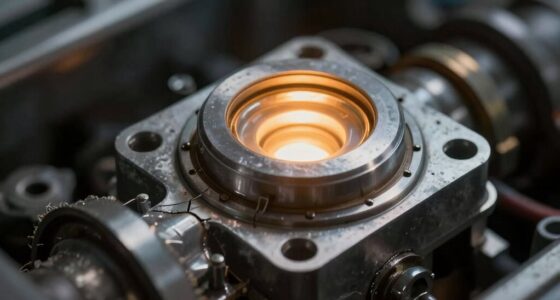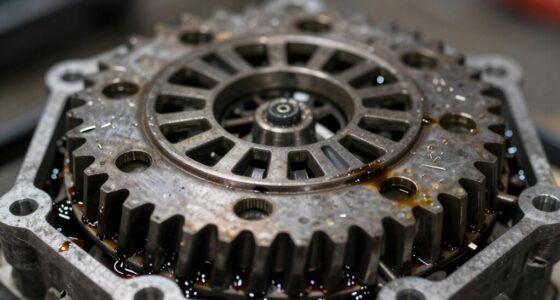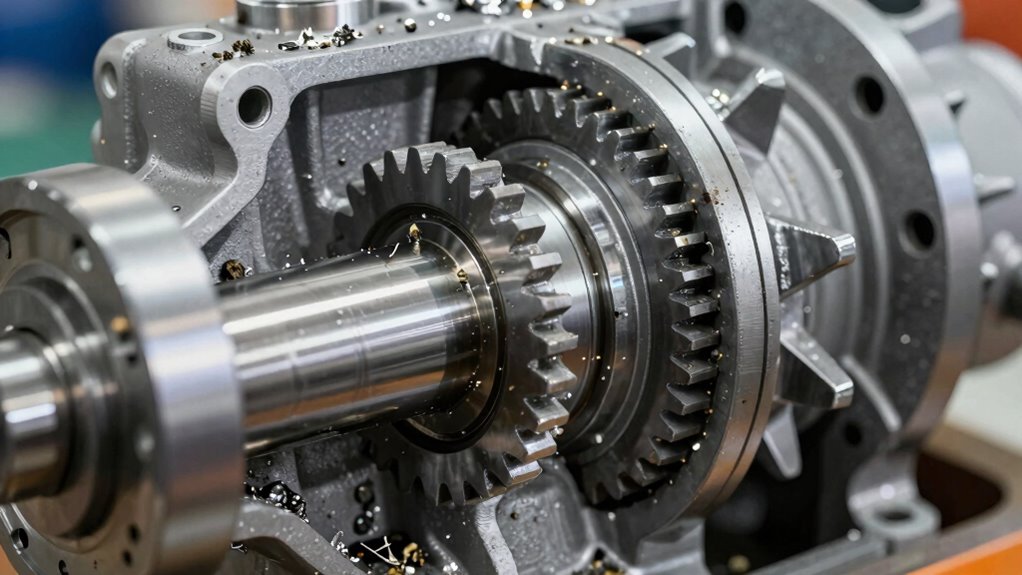
Contaminants like dirt, metal shavings, and debris are often the real enemies of your gearbox, not lubricant viscosity issues. These particles accelerate wear, cause corrosion, and can lead to costly failures, even if the oil seems fine. Regular cleaning, proper sealing, and maintenance are essential to keeping debris out. Staying vigilant about cleanliness helps extend your gearbox’s life and maintains peak performance; explore more to discover how to keep debris at bay and protect your equipment.

Get business pricing on garage and car supplies
- Business-only prices and quantity discounts
- Tax-exempt purchasing
- Multiple users, one account, clear invoices
Key Takeaways
- Debris and contamination accelerate wear more significantly than lubricant viscosity issues in gearboxes.
- Dirt ingress via damaged seals or poor environment introduces harmful debris, leading to internal damage.
- Regular cleaning and inspection prevent debris buildup, protecting gearbox components from premature failure.
- Proper sealing, filtration, and maintenance reduce contamination pathways better than focusing solely on viscosity.
- Maintaining a clean environment and using clean tools is essential to prevent debris from turning into the main enemy.
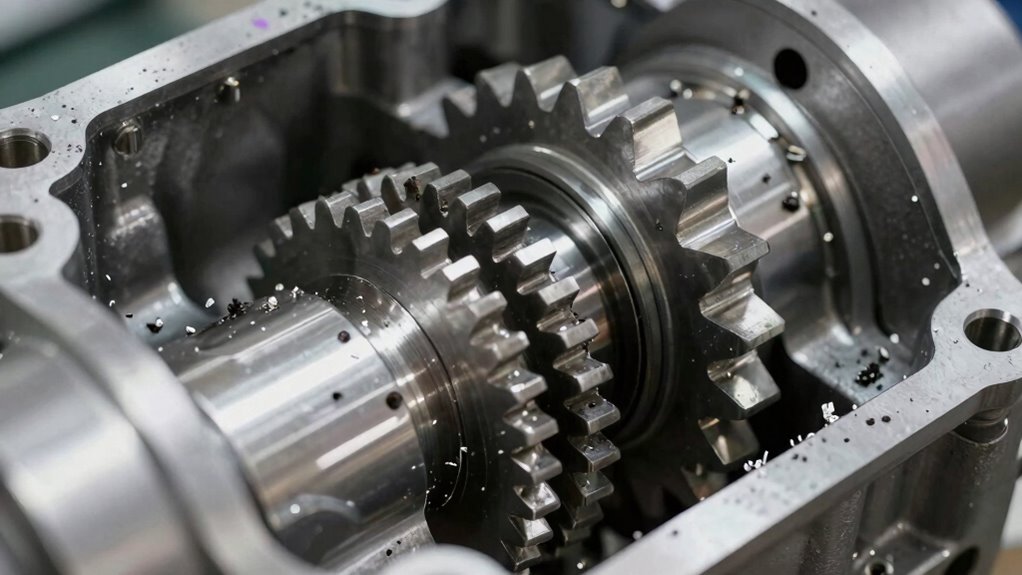
Maintaining cleanliness in your gearbox is essential for ideal performance and longevity. When dirt, debris, or metal shavings find their way inside, they often become the real enemies, causing more harm than issues related to lubricant viscosity. While choosing the right lubricant is important, it’s equally critical to keep the gearbox free of contaminants that can accelerate wear and lead to costly repairs. Lubricant contamination can occur through various pathways, including inadequate sealing, dirt ingress during maintenance, or even from residual debris left over from previous operations. This is why proper maintenance practices are vital; they serve as your first line of defense against these potential threats. Regularly inspecting and cleaning your gearbox can dramatically reduce the risk of lubricant contamination. This involves checking seals and breathers for damage or leaks, ensuring they are functioning correctly to prevent dirt and moisture from entering. When you perform maintenance practices like draining old oil, always ensure the gearbox is clean beforehand to prevent introducing new debris into the system. Using clean tools and containers during oil changes helps maintain the integrity of the lubricant and avoids accidental contamination. Moreover, establishing a routine maintenance schedule allows you to catch issues early before they escalate into severe problems. During these inspections, look for signs of debris accumulation or metal particles, which can indicate internal wear or contamination. Additionally, contamination pathways such as poor sealing or inadequate filtration systems can be minimized by employing proper inspection and maintenance routines. Implementing good housekeeping around the equipment can significantly improve gearbox cleanliness. Keep the surrounding area free of dirt and debris, and avoid opening the gearbox unless necessary. When opening it for maintenance, do so in a clean environment and wear protective gear to prevent introducing external contaminants. Employing proper filtration systems during oil top-ups or replacements also plays a crucial role. These filters trap debris, preventing them from circulating within the gearbox and causing damage. Remember, the goal isn’t just to add lubricant but to ensure it remains uncontaminated and effective. You should also be mindful of how your maintenance practices influence lubricant contamination risk. For example, avoiding unnecessary openings, keeping seals intact, and using the right cleaning tools all contribute to maintaining gearbox cleanliness. When you follow these best practices, you prolong the lifespan of your gears, reduce downtime, and maintain optimal performance. Ultimately, a clean gearbox isn’t just about aesthetics; it’s about preventing debris from turning into the true enemy that accelerates wear and damages internal components. Prioritize regular checks, proper procedures, and a clean environment, and you’ll keep your gearbox running smoothly for years to come.
As an affiliate, we earn on qualifying purchases.
Frequently Asked Questions
How Often Should I Inspect My Gearbox for Debris Buildup?
You should inspect your gearbox for debris buildup at least every 3 to 6 months, or more frequently if you operate in a dusty or dirty environment. Regular inspection allows you to monitor debris accumulation and prevent damage. Keep an eye on oil clarity and listen for unusual noises. Implementing consistent debris monitoring helps maintain peak gearbox performance and extends its lifespan, reducing costly repairs down the line.
What Are the Signs of Debris Contamination in a Gearbox?
Think of debris contamination as a wolf in sheep’s clothing—disguised as a minor issue but damaging your gearbox. Signs include unusual noises, vibration, and inconsistent operation. Many fall for lubrication myths, thinking viscosity alone is the culprit, but debris can sabotage performance faster. Keep an eye out for metal shavings, sludge, or dirt, and remember, debris often trumps viscosity as the real enemy in gearbox health.
Can Debris Cause Gearbox Failure Even if Viscosity Is Correct?
Debris can definitely cause gearbox failure, even if viscosity is correct. While proper viscosity keeps parts lubricated, debris impact damages gears and bearings, leading to wear or failure. Debris vs viscosity is a common concern; debris causes abrasions and blockages that viscosity alone can’t prevent. Regular inspection and maintenance help prevent debris buildup, ensuring your gearbox runs smoothly without risking costly breakdowns.
What Cleaning Methods Are Safest for Gearbox Internal Components?
You should use gentle cleaning techniques like flushing with appropriate solvents or using specialized gear oil filters to maintain contamination control. Avoid harsh chemicals or abrasive methods that could damage internal components. Always guarantee the gearbox is properly sealed during cleaning and allow thorough drying before operation. Regular inspections and proper lubrication help prevent debris buildup, safeguarding your gearbox’s longevity and performance.
Are There Specific Filters Recommended for Debris Prevention?
Are you aware of the filters that can keep debris at bay? Your best bet is selecting filters designed specifically as debris barriers—high-quality mesh or screen filters that trap particles before they reach vital components. These filters are essential for preventing damage, especially in harsh environments. Always choose filters compatible with your gearbox, ensuring they’re easy to inspect and replace, so your machinery stays clean and runs smoothly.
As an affiliate, we earn on qualifying purchases.
Conclusion
If you ignore gearbox cleanliness, debris becomes your ultimate enemy, wreaking havoc like a chaotic tornado inside your gears. Viscosity might be important, but it’s the tiny, sneaky debris that causes the real destruction, turning your gearbox into a ticking time bomb. Keep it spotless, or risk catastrophic failure that could cost you everything. Don’t let debris be the villain—it’s the real enemy you must defeat to keep your gearbox running smoothly forever!
As an affiliate, we earn on qualifying purchases.
As an affiliate, we earn on qualifying purchases.
Halloween Picks
halloween
As an affiliate, we earn on qualifying purchases.