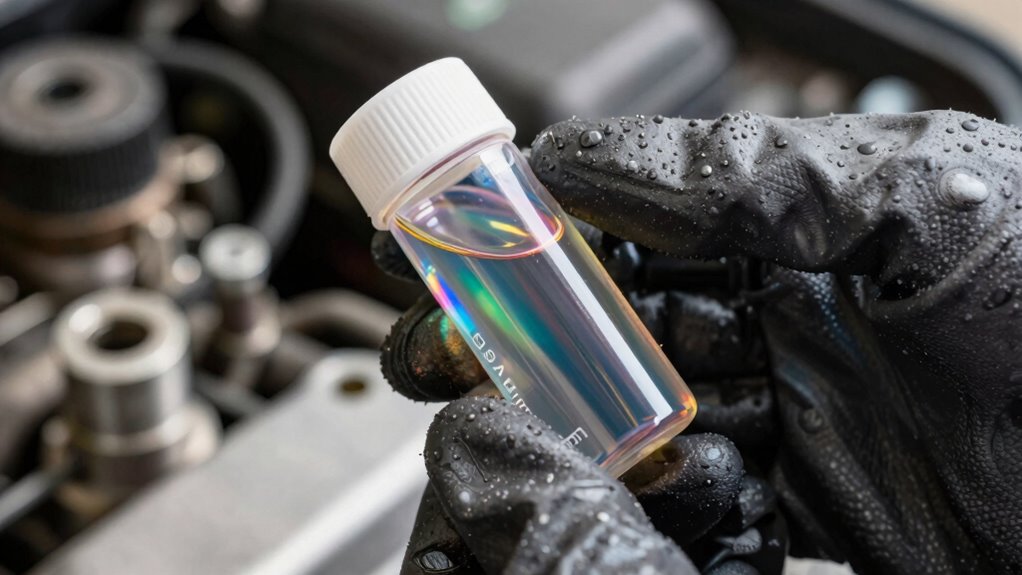

If you’re experiencing limited slip differential chatter, start with a fluid check. Contaminated or degraded oil often causes clutch packs to stick or slip, leading to vibrations. Adding the correct friction modifiers can improve clutch engagement if the fluid is the issue. However, if problems persist after fluid and additive adjustments, worn clutch packs or mechanical damage might be the cause. Keep exploring to learn effective steps that save your differential from unnecessary wear.

Get business pricing on garage and car supplies
- Business-only prices and quantity discounts
- Tax-exempt purchasing
- Multiple users, one account, clear invoices
Key Takeaways
- Check differential fluid for contamination, burnt smell, or lack of proper friction modifiers to identify fluid-related chatter issues.
- Use the correct differential fluid with manufacturer-specified friction modifiers to improve clutch engagement and reduce chatter.
- Regularly replace differential fluid as per maintenance schedules to prevent contamination and fluid degradation that cause clutch wear.
- Inspect clutch packs for wear or damage if chatter persists after fluid treatment, indicating mechanical issues needing repair.
- Proper application of friction modifiers and timely fluid changes can often resolve chatter without costly mechanical repairs.
As an affiliate, we earn on qualifying purchases.
What Causes Limited Slip Differential Chatter and How Can You Recognize It?
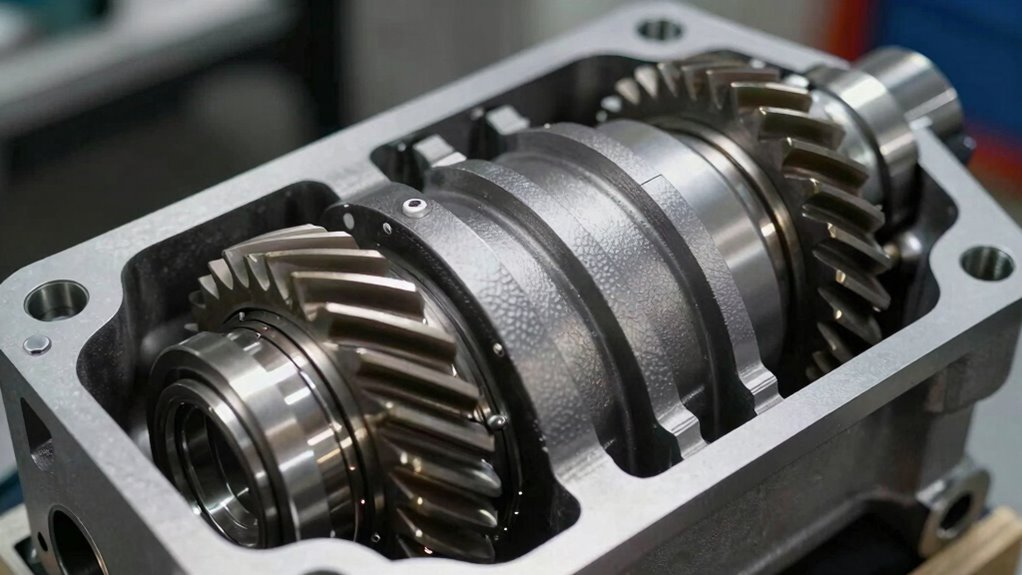
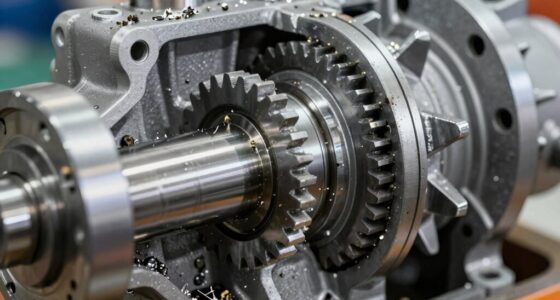
Limited slip differential (LSD) chatter occurs when the clutch packs inside the differential stick or slip irregularly, causing vibrations, growling noises, or jerking sensations during turns. This usually happens when friction levels inside the differential are off, often due to insufficient friction modifier or degraded fluid. Worn or damaged clutch packs can also cause inconsistent engagement, leading to chatter. Contaminated or overheated oil impairs proper lubrication, making clutches stick or slip unexpectedly. Incorrect or incompatible fluid lacking proper additives further worsens the problem. You might notice chatter during low-speed turns or when accelerating from a stop, especially at dead stops. These symptoms are often a sign that the clutch packs are not engaging smoothly, which can accelerate wear and lead to further differential issues if left unaddressed. Proper differential maintenance can help prevent or reduce these symptoms and prolong the life of your drivetrain components.
differential friction modifier additive
As an affiliate, we earn on qualifying purchases.
As an affiliate, we earn on qualifying purchases.
How Do You Diagnose the Root Cause of Limited Slip Chatter?
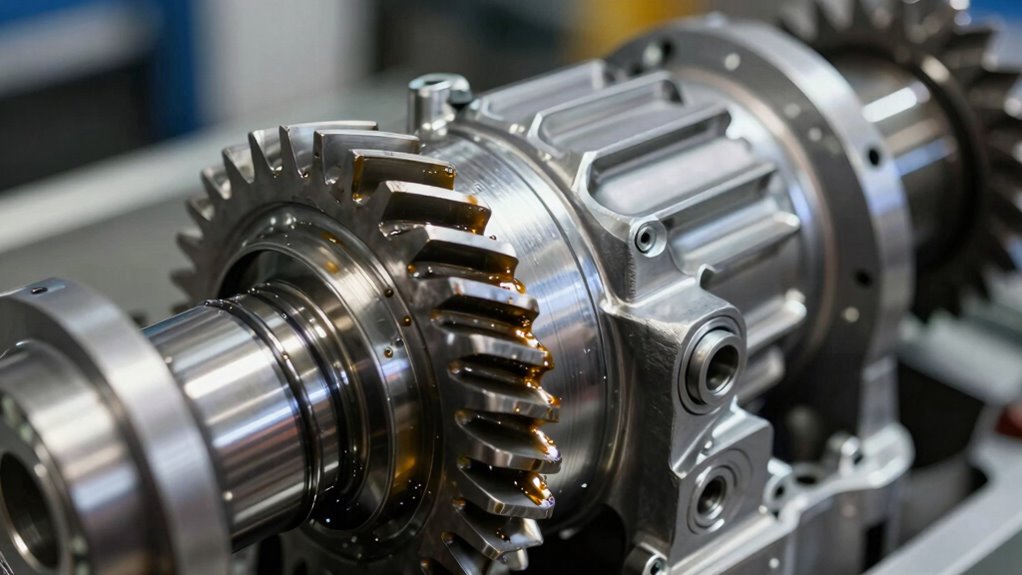
To accurately diagnose the root cause of limited slip chatter, start by reproducing the symptoms under controlled conditions. Drive slowly at 1-2 mph in a parking lot or turnarounds, focusing on sharp steering inputs. Pay attention to whether the chatter occurs only during turns at low speeds or when accelerating from a stop with the wheel turned. Next, perform a fluid inspection—check for contamination, burnt smell, or lack of friction modifier. If the noise persists even after changing the fluid, it suggests worn or damaged clutch packs. Also, test by adding a friction modifier to see if chatter diminishes. Finally, rule out other issues like misalignment or corrosion. Accurate diagnosis relies on observing symptom patterns and inspecting fluid condition to pinpoint the underlying cause. Understanding the digital content and research context can help in utilizing diagnostic tools and techniques effectively.
differential clutch pack repair kit
As an affiliate, we earn on qualifying purchases.
As an affiliate, we earn on qualifying purchases.
Can Adding Friction Modifiers Fix Limited Slip Chatter?
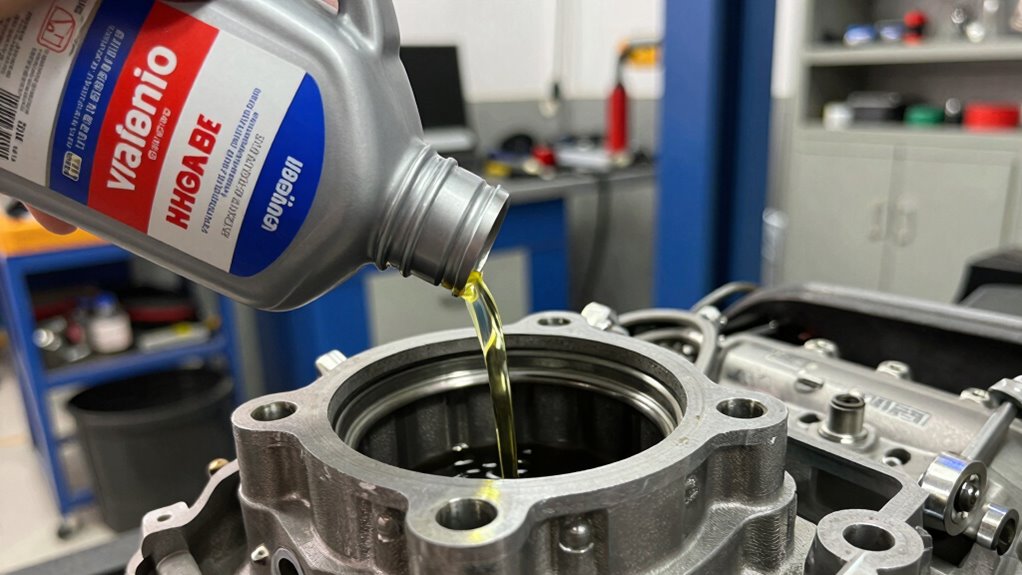
Adding a friction modifier can sometimes reduce limited slip chatter by improving clutch engagement, but its effectiveness depends on the root cause. You need to guarantee you’re using the correct type and amount of additive for your differential. Proper application techniques, like thorough mixing and following manufacturer instructions, are essential for achieving the best results. Additionally, understanding the differential’s design can help determine whether additive treatment is appropriate.
Friction Modifier Effectiveness
Friction modifiers are often the first line of defense against limited slip chatter, but their effectiveness depends on the root cause of the issue. If the problem stems from insufficient additive levels in the differential fluid, adding a friction modifier like Lubegard Limited Slip Supplement can restore proper clutch engagement and reduce chatter. These additives alter the fluid’s frictional properties, promoting smoother clutch pack operation. However, if the chatter results from worn or damaged clutch packs, adding friction modifiers may provide only temporary relief. In such cases, the underlying mechanical wear needs addressing through component inspection or replacement. While friction modifiers can improve performance when used correctly, they aren’t a cure-all for mechanical faults or severely degraded clutches. Proper diagnosis determines whether additives will resolve the issue or if further repairs are necessary. Additionally, understanding the contrast ratio of your projectors can help you select the best visual setup for your home cinema.
Proper Application Techniques
Ever wonder if you’re applying friction modifiers correctly to fix limited slip chatter? Proper application is key. First, confirm the fluid’s compatibility and ensure the differential is clean. Add the recommended amount of friction modifier—usually a specific percentage of the total fluid volume—following the manufacturer’s instructions. Mixing too much or too little can worsen chatter or cause damage. Ensuring the differential fluid is properly floating on water can also help improve the effectiveness of the treatment.
| Step | Action | Tips |
|---|---|---|
| Check Fluid | Inspect for contamination and proper level | Use the correct LSD fluid |
| Add Modifier | Pour additive gradually into differential | Follow manufacturer’s dosing guide |
| Distribute | Drive gently to circulate and evenly distribute | Confirm symptom improvement |
Applying the right amount correctly often resolves chatter without costly repairs.
limited slip differential fluid change kit
As an affiliate, we earn on qualifying purchases.
As an affiliate, we earn on qualifying purchases.
When Do Worn Clutch Packs or Mechanical Parts Need Replacement?
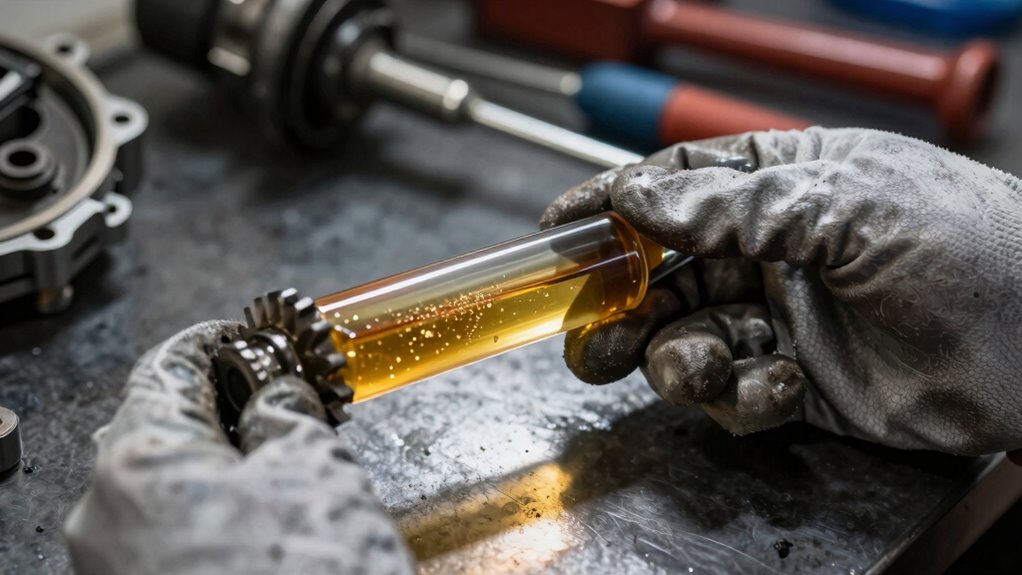
You’ll need to replace clutch packs or mechanical parts when you notice persistent chatter or jerking during turns, even after adding friction modifiers. Signs of uneven wear or damage, like cracks or broken components, also indicate it’s time for replacement. Ignoring these signs can lead to further damage and more costly repairs down the line. Proper diagnostic techniques can help identify worn parts early before major failures occur.
Clutch Pack Wear Indicators
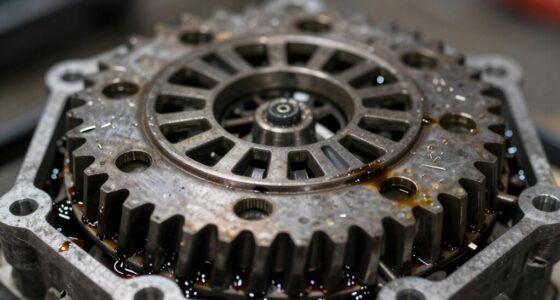
Worn clutch packs typically need replacement when they no longer engage smoothly or cause persistent chatter despite proper fluid levels and additives. You might notice increased slipping, inconsistent power transfer, or abnormal noises during turns. These signs indicate the clutch pack’s friction surfaces are deteriorating. To help identify wear, consider this table:
| Indicator | Symptoms | Action Needed |
|---|---|---|
| Excessive chatter or noise | Popping, grinding, vibrations | Replace clutch packs |
| Slipping or inconsistent grip | Loss of traction during turns | Inspect and replace if worn |
| No improvement with additive | Persistent chatter despite additives | Mechanical inspection required |
If these indicators persist, it’s time to replace the clutch pack to prevent further damage. Implementing proactive monitoring techniques can also help detect early signs of mechanical failure before significant issues arise.
Signs of Mechanical Damage
Signs of mechanical damage in your differential indicate that clutch packs or internal components may have deteriorated beyond simple wear. If you notice persistent chatter, grinding noises, or vibrations when turning, it’s a clear sign something’s wrong. You might also feel jerking or uneven power transfer during acceleration or cornering. Additionally, clutch packs that lock and disengage rapidly, producing popping sounds, point to internal damage. Excessive heat or contaminated fluid can accelerate component wear. If these symptoms persist after fluid changes or additive treatments, it’s time to contemplate replacing worn parts. Regular inspection and maintenance help prevent severe damage. Understanding the role of clocks and time in mechanical systems can also provide insight into diagnosing and addressing these issues. Addressing these signs early saves your differential from costly repairs down the line.
- Persistent chatter or grinding sounds
- Jerking during turns or acceleration
- Rapid clutch pack lock/unlock behavior
- Vibrations at low speeds
How Can You Prevent Limited Slip Chatter and Extend Differential Life?
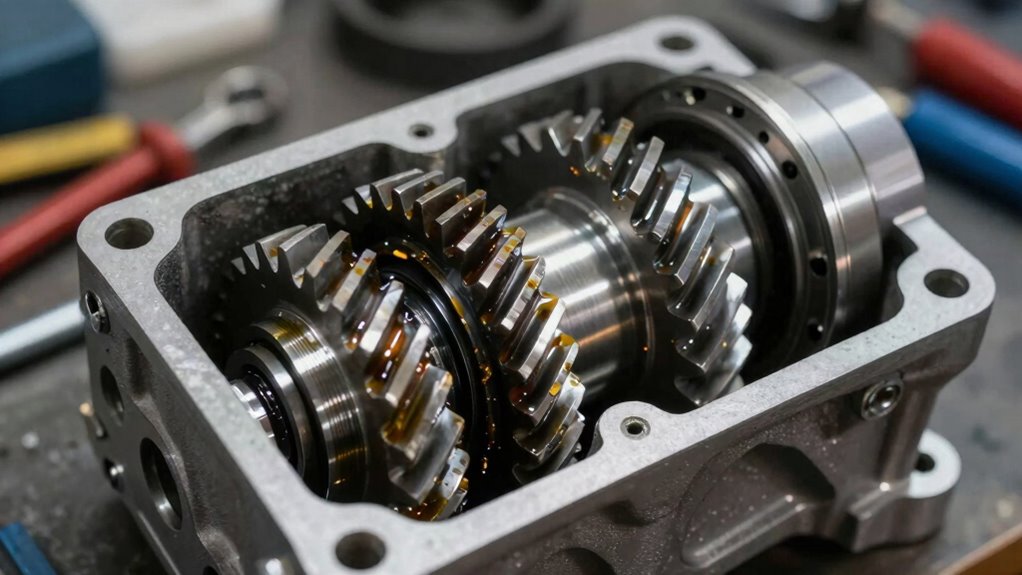
Preventing limited slip chatter starts with proper maintenance and careful attention to your differential’s needs. Regularly change the differential fluid according to your vehicle’s manufacturer recommendations, using the correct fluid type with necessary friction modifiers. After any rear-end service, proactively add a friction modifier supplement to maintain clutch pack engagement. During routine inspections, check for signs of contamination or degraded fluid, which can cause clutch sticking. If you notice symptoms, address them promptly by adding additives or changing the fluid before more severe issues develop. Avoid neglecting maintenance, as worn clutch packs or contaminated fluid accelerate wear and increase chatter risk. Staying vigilant with proper fluid maintenance and using compatible products helps ensure smooth operation, prolongs differential life, and minimizes the chance of limited slip chatter. Additionally, utilizing essential oils for machinery care can help reduce friction and enhance component longevity when used appropriately.
Troubleshooting Tips: What Should You Do if the Chatter Persists?
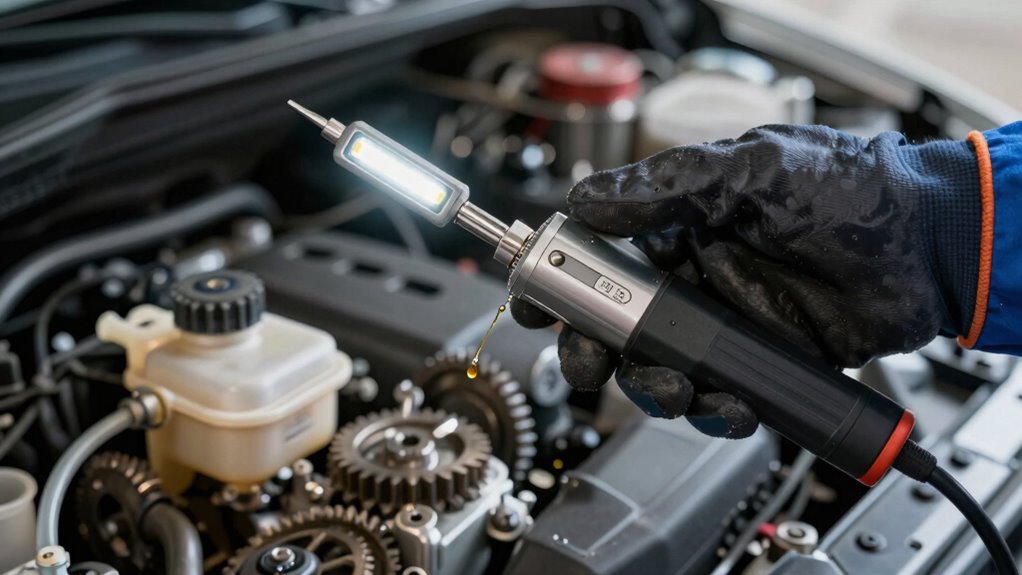
If your limited slip chatter continues despite initial fixes, it’s time to take a systematic approach to troubleshooting. First, verify the fluid condition—look for contamination or low friction modifiers. Next, check for proper fluid type and ensure it includes the right additives for your LSD. Consider whether the clutch packs are worn out; persistent noise after fluid changes often indicates this. Finally, inspect the clutch packs and internal components for damage or misalignment, preferably with a qualified mechanic. Additionally, maintaining proper gear care can prevent future issues related to differential performance.
Frequently Asked Questions
Can Improper Installation Cause Limited Slip Differential Chatter?
Yes, improper installation can cause limited slip differential chatter. When components like clutch packs or bearings aren’t aligned correctly or are installed with incorrect torque, it can lead to uneven engagement and sticking. This results in the characteristic shudder and noise during turns. To prevent this, guarantee all parts are installed precisely according to manufacturer specifications, and have a qualified mechanic verify the setup after any differential service.
Does Aggressive Driving Increase the Risk of Differential Clutch Wear?
Yes, aggressive driving speeds up differential clutch wear, much like repeatedly slamming a door weakens hinges. Hard acceleration, sharp turns, and high-stress driving cause clutch packs to slip and bind more often, wearing them faster. If you push your vehicle hard, you’re asking the differential to work harder, increasing the risk of premature wear and chattering issues. Regular maintenance and gentle driving can prolong your differential’s life.
Are Certain Vehicle Models More Prone to Limited Slip Chatter?
Yes, some vehicle models are more prone to limited slip chatter due to design differences in their differentials. You might notice this in vehicles with specific limited slip differentials that use cone or flat clutch packs, especially if they have higher mileage or less frequent maintenance. Factors like inadequate fluid, worn clutch packs, or improper installation can make certain models more susceptible to chatter, so regular inspections and using the correct fluids help prevent issues.
How Does Ambient Temperature Affect Limited Slip Differential Operation?
Think of your limited slip differential like a thermostat—warm or cold, it reacts differently. When ambient temperatures drop, the fluid thickens, making clutch engagement harsher and increasing chatter. Conversely, hot weather thins the fluid, easing movement but risking insufficient lubrication. You might notice shuddering more in winter or summer’s extreme heat. Regularly check and adjust fluid properties to keep your differential running smoothly, regardless of the temperature.
Is There a Way to Test Differential Fluid Compatibility at Home?
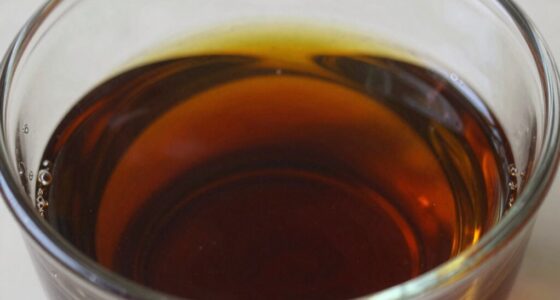
Yes, you can test differential fluid compatibility at home by checking its appearance and smell. Drain a small amount into a clear container, then observe for contamination like metal shavings or discoloration. Smell the fluid for burnt or unusual odors. If it looks dirty or smells off, it’s a sign you need to replace it with the correct LSD fluid and possibly add friction modifier. For accurate results, consider professional testing if unsure.
Conclusion
Think of your differential as the heart of your drivetrain—when it whispers troubles like chatter, ignoring it is like sailing past the lighthouse in a storm. By understanding the fluid-first approach and catching issues early, you keep your vehicle running smoothly, much like a seasoned sailor steering calm seas. Stay attentive, diagnose wisely, and prevent small ripples from turning into a storm, ensuring your ride remains steady on every journey.
Fall Picks
fall essentials
As an affiliate, we earn on qualifying purchases.