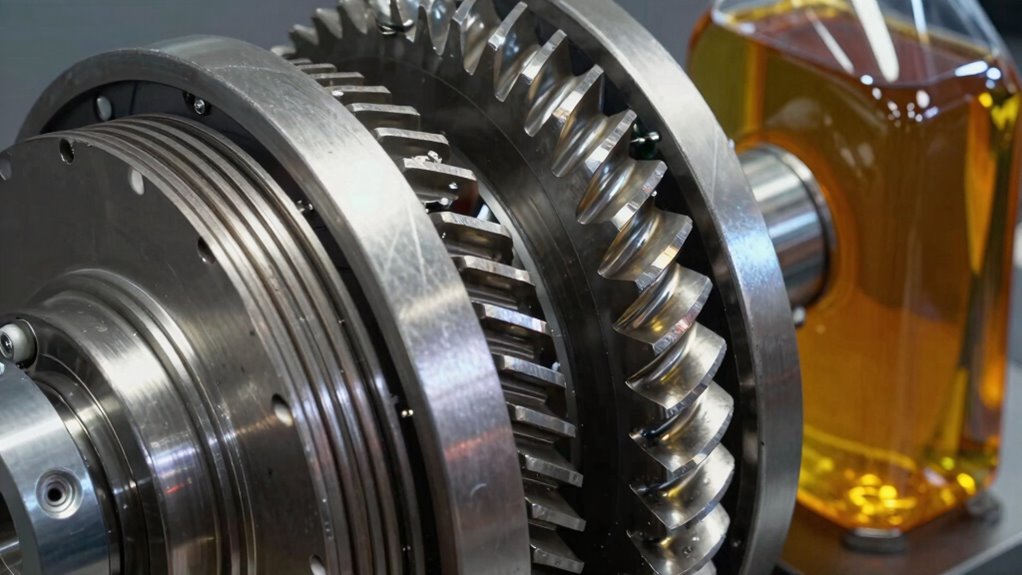

Limited slip differentials help improve traction by managing power between wheels. Clutch types use friction plates that transfer torque when a wheel slips, requiring good lubrication and sometimes adjustments. Helical limited slips rely on angled gears that smoothly transfer torque without much heat or maintenance. The fluids used—like gear oil with specific additives—are essential, as they keep the system functioning properly and durable. Want to find out how each type works and how fluids make a difference? Keep exploring to learn more.
Key Takeaways
- Clutch-type LSDs use friction plates to transfer torque and require specialized limited slip fluids for proper operation.
- Helical LSDs rely on gear engagement with angled teeth, offering durability and less maintenance, influenced by high-quality gear oils.
- The choice of differential fluid, including viscosity and additives, affects heat management, wear, and slipping behavior of both types.
- Clutch LSDs’ performance depends heavily on fluid friction characteristics, which can be adjusted with specific limited slip lubricants.
- Proper lubrication with compatible fluids ensures longevity and optimal torque transfer in both clutch and helical limited slip differentials.
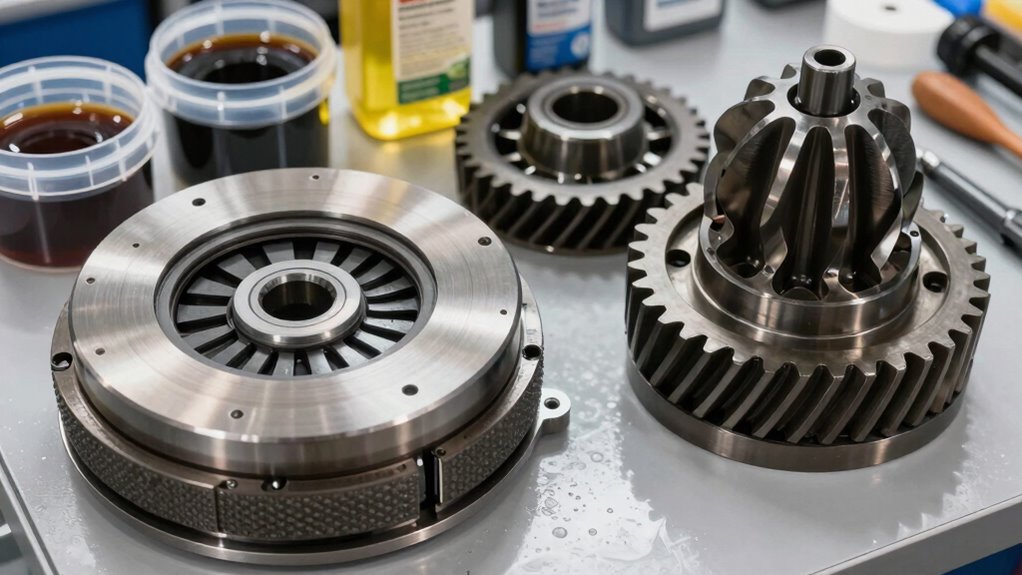
Limited slip differentials are essential components in many vehicles, providing better traction by preventing wheel spin during acceleration or uneven terrain. When you’re steering through rough roads or taking sharp turns, these differentials help distribute power more effectively between your wheels, ensuring you keep control and avoid getting stuck. One of the key features of a limited slip differential is its ability to mimic a differential lock, which outright connects the wheels on an axle, but with more finesse and smoother operation. This synergy enhances traction control, making your driving experience safer and more confident, especially in challenging conditions.
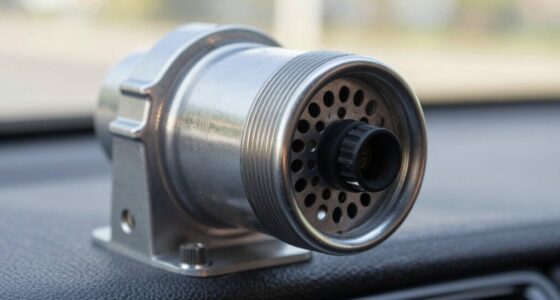
There are several types of limited slip differentials, with clutch-based and helical designs being the most common. Clutch-type limited slip differentials use friction plates similar to those in a manual clutch. When one wheel starts to slip, the clutch engages, transferring torque to the wheel with better grip. This system is adjustable, allowing drivers to fine-tune how much slip occurs before the clutch engages fully. Because it relies on friction, the clutch-based system can generate some heat and requires regular maintenance or fluid changes to keep it functioning smoothly. On the other hand, helical limited slip differentials rely on gears with angled teeth, such as helical or spiral gears, which transfer torque smoothly through a natural gear engagement process. These are usually more durable and require less maintenance because they don’t depend on friction plates. The gear design ensures a consistent transfer of torque, improving traction during sudden acceleration or when steering through uneven terrain. Additionally, the quality of the lubrication used in these differentials significantly impacts their longevity and performance.
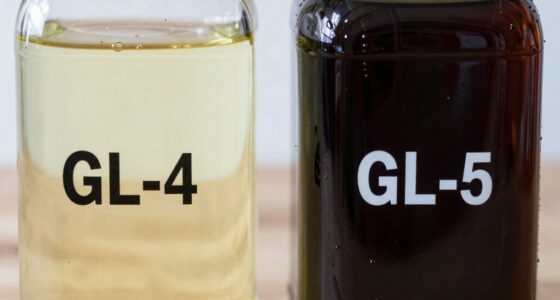
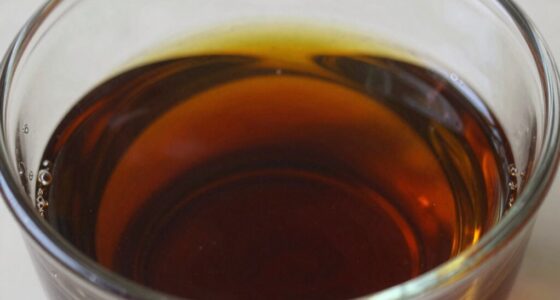
The fluids used within these differentials play a vital role in their performance. Proper lubrication reduces wear and tear, especially in clutch-type units where friction generates heat. The right gear oil with the correct viscosity and additive package ensures the clutch plates or gears operate smoothly, preventing slipping or harsh engagement. For clutch-type limited slip differentials, specialized limited slip oils are often recommended to maintain proper friction characteristics. Conversely, helical differentials typically require regular gear oil changes with high-quality lubricants that can withstand high temperatures and provide consistent gear meshing. The choice of fluid directly influences how well the differential can perform its function of traction control, especially when you’re pushing the vehicle to its limits or driving in demanding conditions.

TRIAX Synergy Gear Max 75W-90 GL-5 Limited Slip, Ultra Long Drain 500k Miles, Manual Transmission, Gear/Differential Lubricant (1 Gallon)
EXTREME DRAIN INTERVALS: PAO and Esters formulation lasts up to 500,000 miles for heavy-duty trucks and passenger cars,…
As an affiliate, we earn on qualifying purchases.
As an affiliate, we earn on qualifying purchases.
Frequently Asked Questions
How Do I Choose the Right Limited Slip Differential for My Vehicle?
You should choose the right limited slip differential by considering your vehicle’s differential ratios and drive shaft compatibility. Match the differential ratio to your vehicle’s specifications for peak performance, and verify the limited slip type fits your driving style—whether for off-road or daily driving. Check your drive shaft compatibility to avoid installation issues. Consulting your vehicle’s manual or a professional mechanic helps you make the best choice.
Can Limited Slip Differentials Be Used in Front-Wheel-Drive Cars?
Yes, you can use limited slip differentials in front-wheel-drive cars, but it often requires differential modification. These differentials improve traction by preventing wheel slip during acceleration, which is especially beneficial in challenging driving conditions. Keep in mind, installing a limited slip in a front-wheel-drive vehicle may involve additional adjustments or upgrades to your existing differential setup, ensuring proper fit and function for peak performance.
What Are the Signs Indicating a Limited Slip Differential Needs Service?
Ever notice unusual sounds or uneven tire wear? These are signs your limited slip differential might need service. You could hear differential noise, such as grinding or whining, especially during turns. Additionally, uneven tire wear indicates the differential isn’t distributing power evenly. Don’t ignore these signs, as they can lead to more serious damage. Regular maintenance and inspections can help keep your differential working smoothly and extend its lifespan.
Are Limited Slip Differentials Compatible With All Types of Gear Oils?
Limited slip differentials aren’t compatible with all gear oils. You need to check your vehicle’s manual for the correct differential fluid, ensuring oil compatibility. Using the wrong oil can cause slipping or damage, so always select a high-quality gear oil designed for limited slip units. Regularly inspecting and changing your differential fluid helps maintain performance and prolongs the life of your limited slip differential.
How Does Temperature Affect the Performance of Limited Slip Fluids?
Temperature greatly impacts limited slip fluids by causing thermal degradation and changing fluid viscosity. As temperatures rise, fluids can break down faster, reducing their effectiveness in ensuring proper slip and traction. Higher temperatures also lower viscosity, making the fluid thinner and less able to maintain the necessary friction for performance. Conversely, cold temperatures increase viscosity, potentially causing sluggish engagement. Maintaining ideal fluid temperature is essential for consistent limited slip differential performance.
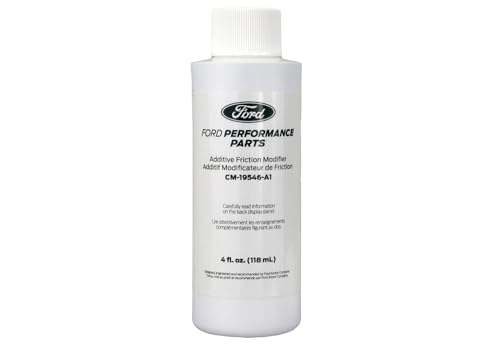
Ford Friction Modifier Additive, Clutch Type Limited Slip Differential, 3.80 oz Bottle, Each
Country of Origin : China
As an affiliate, we earn on qualifying purchases.
As an affiliate, we earn on qualifying purchases.
Conclusion
Understanding the different limited slip types is like knowing the secret ingredients that make your drive smoother. Whether it’s clutch, helical, or the fluids that influence them, each plays a essential role in keeping your wheels gripping when you need it most. By choosing the right type and fluid, you’ll keep your vehicle’s performance as reliable as a trusted friend. Think of it as giving your ride the perfect recipe for a seamless, controlled journey every time.

Yukon Friction Modifier Additive for Limited Slip/Posi – 4 Ounce Bottle
Positraction additive
As an affiliate, we earn on qualifying purchases.
As an affiliate, we earn on qualifying purchases.

Lubegard 42851 Limited Slip Supplement, 4 fl. oz.
Eliminates differential chatter and other noises (squeals, groans, etc. )
As an affiliate, we earn on qualifying purchases.
As an affiliate, we earn on qualifying purchases.