
When your differential is underfilled, it starts to wear unevenly, but the signs are subtle at first. You might notice a faint whine or hum as the gears struggle to stay lubricated, especially during acceleration or deceleration. Over time, vibrations and slight noises grow more noticeable, hinting that your differential isn’t functioning smoothly. If you keep ignoring these quiet warnings, more serious damage could develop—explore further to understand how to prevent this early wear.

Get business pricing on garage and car supplies
- Business-only prices and quantity discounts
- Tax-exempt purchasing
- Multiple users, one account, clear invoices
Key Takeaways
- Initial underfilling causes subtle gear noise, often mistaken for normal road sounds.
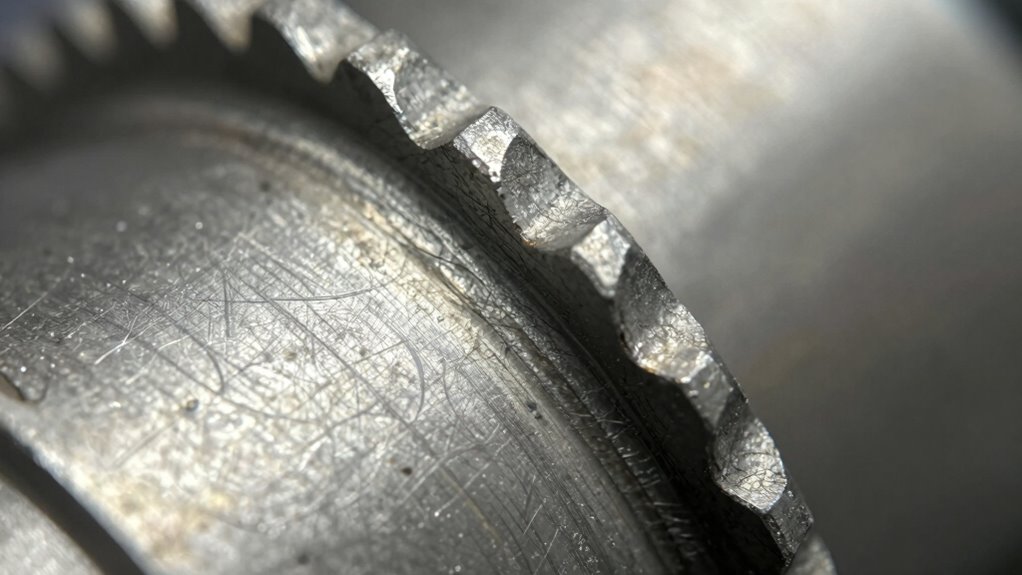
- Quiet wear patterns develop on gear surfaces due to insufficient lubrication.
- Early signs include faint whining or humming during acceleration or deceleration.
- As lubrication diminishes, gear contact increases, leading to uneven wear patterns.
- Continued underfilling accelerates wear, risking louder noises and potential damage over time.
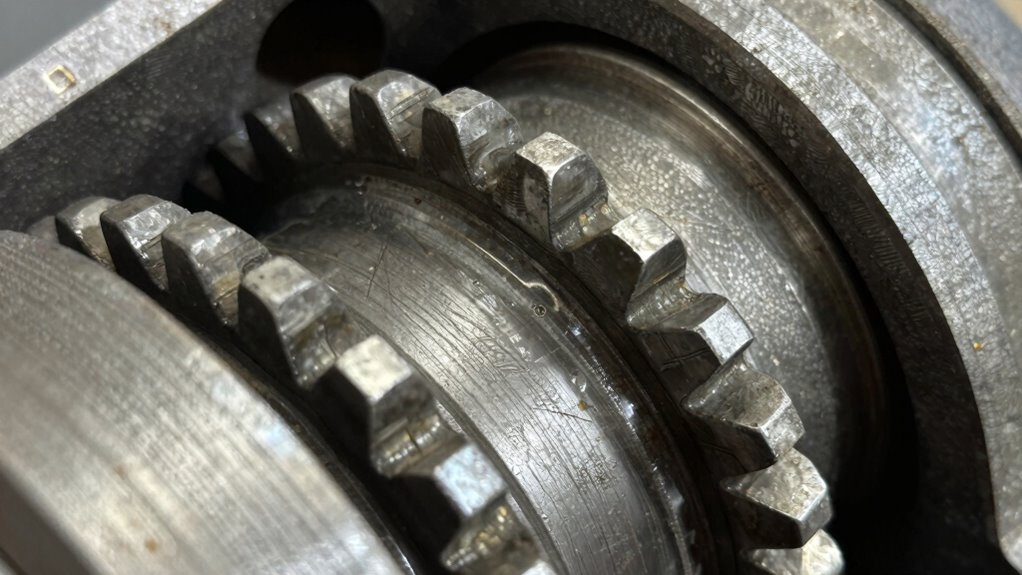
Have you ever wondered what happens when you underfill a differential? At first, you might not notice much, but over time, subtle signs start to emerge that can lead to bigger problems. When the differential doesn’t have enough fluid, it can’t lubricate the gears properly, which leads to increased friction and wear. This wear often begins quietly, with minor gear noise that may seem insignificant at first. You might hear a faint whine or hum during acceleration or deceleration, but it’s easy to dismiss it as normal road noise. However, as the issue persists, these sounds can become more pronounced, signaling that the differential isn’t operating smoothly.
One of the early indicators of underfilling is gear noise. When the fluid level drops below the necessary amount, the gears start to grind against each other more than they should. Without enough lubrication, metal components generate more heat and wear faster. This increased friction can cause the gears to produce abnormal noises, which you can’t ignore for long. If you ignore these signs, the noise will intensify, and you might notice your vehicle vibrating or experiencing a rougher ride. These symptoms are often the first clues that the differential’s fluid level is inadequate.
Another sign to watch for is fluid leaks. While leaks are often associated with damaged seals or gaskets, they can also be a consequence of overworking the differential due to underfilling. When the fluid level is too low, the differential components generate excessive heat and pressure, which can cause seals to fail prematurely. Fluid leaks might appear as drips or puddles beneath your vehicle, especially after driving for a while. If left unaddressed, these leaks can lead to a loss of fluid, further exacerbating the problem. The combination of gear noise and fluid leaks is a clear warning that your differential needs attention.
In the long run, underfilling a differential doesn’t just cause noise or leaks; it accelerates wear and tear on critical components. The metal gears and bearings endure unnecessary stress, which can lead to costly repairs or replacements. You might save a little money by skipping regular fluid checks, but the eventual damage and repairs will cost much more. To prevent these issues, it’s essential to check your differential fluid regularly, top it off when necessary, and address any signs of gear noise or fluid leaks promptly. Regular maintenance and fluid level monitoring are crucial for keeping your differential lubricated, quiet, and functioning properly for miles to come.
As an affiliate, we earn on qualifying purchases.
Frequently Asked Questions
How Can I Tell if My Differential Is Underfilled?
You can tell if your differential is underfilled by paying attention to differential warning signs like unusual noises or vibrations during driving. To confirm, perform a fluid level check—park on a level surface, remove the fill plug, and see if the fluid is at the recommended level. If it’s low, top it off to prevent further damage. Regular checks help catch issues early before costly repairs arise.
What Are the Long-Term Effects of Underfilling a Differential?
Imagine a vintage radio struggling for signal—underfilling your differential causes similar issues over time. The long-term effects include reduced lubrication efficiency, leading to increased wear on gears. This accelerates gear fatigue and diminishes gear longevity, risking costly repairs. If you ignore underfilling, your differential’s performance worsens, and you might face premature failure. Regularly checking fluid levels guarantees ideal lubrication, prolonging the life of your gears and maintaining smooth operation.
Is Underfilling More Common in Certain Vehicle Types?
You’re more likely to see underfilling in older vehicles or those with high mileage, where routine vehicle maintenance might have been overlooked. Certain vehicle types, like trucks or off-road models, are also prone due to their demanding use. Regular differential diagnosis during maintenance helps catch issues early. If you neglect this, underfilling can cause quiet wear patterns that lead to costly repairs down the line.
Can Underfilling Cause Other Transmission Issues?
Think of your transmission as a delicate dance partner; underfilling can throw off its rhythm. Yes, it can cause issues like increased friction and overheating, leading to damage. Proper lubrication consistency is essential, and regular fluid level monitoring helps prevent these problems. When you neglect this, you risk accelerated wear, poor shifting, and even transmission failure. Keep the fluid topped up to ensure smooth, trouble-free operation.
How Often Should Differential Fluid Be Checked or Changed?
You should check your differential fluid during regular maintenance, ideally every 30,000 to 50,000 miles. Fluid inspection helps identify contamination or low levels early, preventing issues like uneven wear. Change the differential fluid as recommended in your vehicle’s owner’s manual, especially if you notice unusual noises or performance problems. Proper differential maintenance guarantees smooth operation and extends the lifespan of your drivetrain components.
As an affiliate, we earn on qualifying purchases.
Conclusion
So, next time you notice a subtle wear pattern on your differential, don’t ignore it. Underfilling might seem minor, but it quietly signals bigger issues ahead—kind of like the faint hum of a vintage radio before the storm. Address it early, and you’ll avoid costly repairs later. Trust me, a little vigilance now keeps your ride smoother, longer. After all, even in the age of dial-up, some problems still require swift action.
As an affiliate, we earn on qualifying purchases.
As an affiliate, we earn on qualifying purchases.
Fall Picks
fall essentials
As an affiliate, we earn on qualifying purchases.