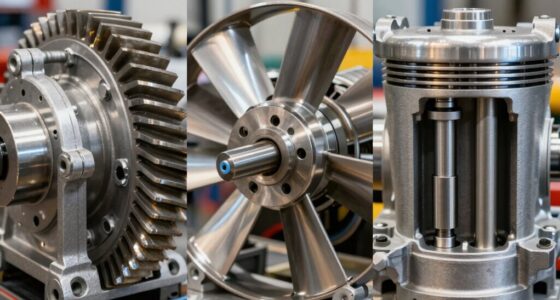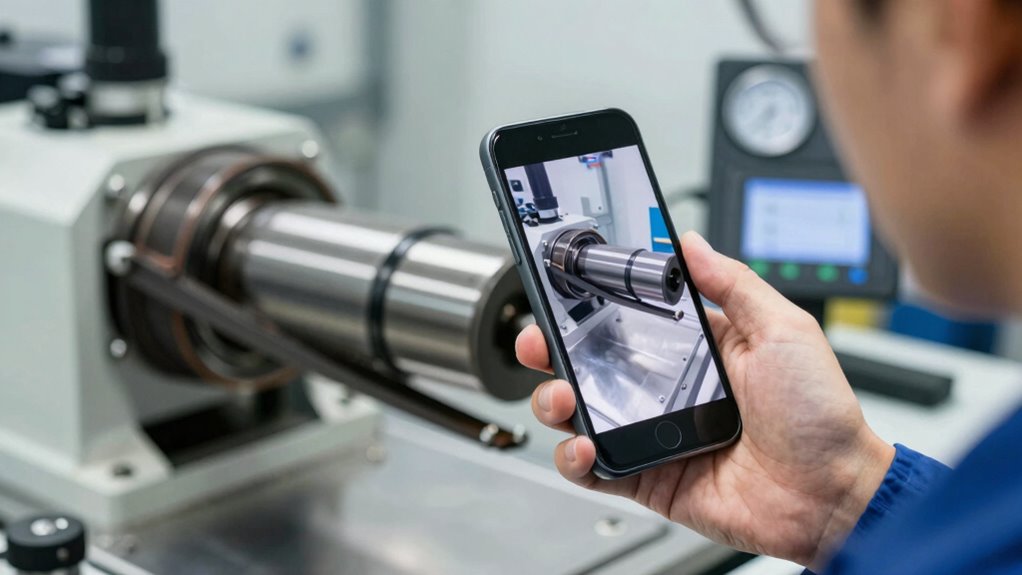

You can spot equipment problems early without lab tests by using simple, quick checks like vibration analysis and infrared thermography. Attach sensors or handheld infrared cameras to monitor machinery soft spots, such as bearings or electrical connections. These methods help you detect overheating, misalignments, or worn components in real-time, reducing downtime and maintenance costs. Keep exploring how these straightforward techniques can keep your equipment running smoothly and prevent costly failures before they happen.

Get garage and car supplies delivered free — and shop member deals
- Fast, free delivery on millions of items
- Access to Prime Big Deal Days deals on October 6–7
- Prime Video, Amazon Music and more included
Key Takeaways
- Use portable vibration analyzers to monitor machinery vibrations and detect misaligned or worn components early.
- Conduct quick infrared thermography scans to identify overheating or temperature anomalies in equipment parts.
- Establish baseline operational data for comparison to spot deviations indicating potential issues.
- Perform regular visual and tactile inspections of equipment to catch early signs of wear or damage.
- Utilize real-time condition monitoring tools for immediate insights without relying on lab analysis.
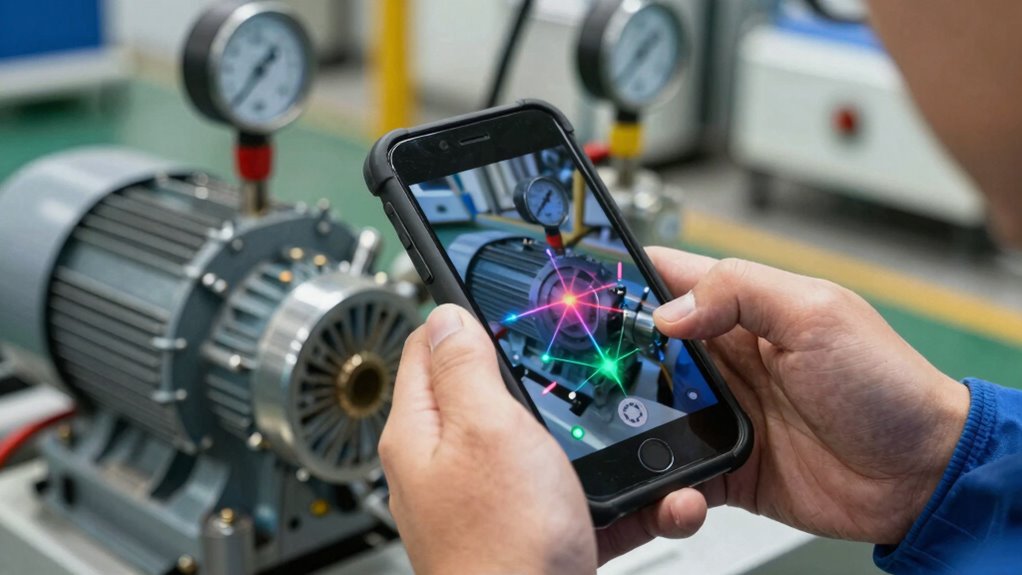
Traditionally, evaluating equipment health required sending samples to a lab, causing delays and added costs. This process often meant downtime while waiting for lab results, which could take days or even weeks. Fortunately, you no longer have to rely solely on this outdated method. Modern condition monitoring tools allow you to spot issues early, saving time and money. Two of the most accessible and effective techniques are vibration analysis and infrared thermography.
Vibration analysis is a straightforward way to monitor the mechanical health of your machinery. By attaching sensors to equipment, you can measure vibrations as it operates. If vibrations increase or change in pattern, it’s often a sign that something’s worn or misaligned, like bearings, gears, or shafts. You don’t need complex setups; portable vibration analyzers make it simple to perform quick checks on-site. With regular monitoring, you can catch problems before they escalate into costly failures or catastrophic breakdowns. Plus, vibration analysis provides real-time data, so you can act immediately rather than waiting for lab results.
Vibration analysis offers quick, real-time insights into machinery health with simple on-site checks.
Infrared thermography is another powerful, non-invasive check that gives you instant insights into your equipment’s condition. Using a handheld infrared camera, you can scan machinery to detect temperature anomalies. Overheated bearings, electrical components, or motors often give off heat before they fail. By spotting these hot spots early, you can schedule maintenance during planned downtime rather than facing unexpected shutdowns. Infrared thermography is especially useful for inspecting hard-to-reach or rotating parts where traditional inspections are difficult. It’s quick, safe, and requires minimal training, making it ideal for routine checks. Additionally, understanding the thermal patterns of equipment can help identify issues that are not visible to the naked eye.
Together, vibration analysis and infrared thermography enable you to perform simple, regular inspections without needing a lab. These tools can be integrated into your maintenance routine, allowing you to identify potential problems during normal operation. The key is consistency—regular monitoring helps you build a baseline, making it easier to recognize deviations that indicate trouble. They also empower you to prioritize repairs, avoid unnecessary part replacements, and extend equipment lifespan. Instead of waiting for failures or relying on costly lab tests, you gain immediate, actionable information.
As an affiliate, we earn on qualifying purchases.
Frequently Asked Questions
What Are the Best Portable Tools for On-Site Condition Monitoring?
You should use portable tools like handheld vibration analyzers, infrared thermometers, and ultrasonic leak detectors for on-site condition monitoring. These devices allow you to perform quick checks, log data easily, and guarantee sensor calibration is maintained. With these tools, you can spot issues early, prevent costly downtime, and keep equipment running smoothly. They’re compact, user-friendly, and essential for effective condition monitoring outside the lab.
How Often Should Simple Checks Be Performed for Optimal Results?
You should perform simple checks regularly based on your maintenance scheduling and inspection frequency guidelines. For critical equipment, daily or weekly inspections help catch issues early. Less essential machinery may only need monthly checks. Adjust your inspection frequency according to usage, environment, and manufacturer recommendations. Consistent, proactive checks ensure problems are identified early, reducing downtime and costly repairs. Stay vigilant and adapt your maintenance schedule to maintain ideal equipment performance.
Can These Checks Detect All Types of Mechanical Failures?
Did you know that simple checks can detect over 80% of mechanical failures early? While these checks are effective for many failure modes, they have diagnostic limitations. They might miss subtle issues like internal wear or complex failure modes, so they’re not foolproof. You should combine regular simple checks with more advanced diagnostics for thorough monitoring, ensuring you catch problems before they escalate.
What Training Is Required to Perform These Simple Condition Checks?
You need basic training to perform these simple condition checks effectively. Focus on skill development through hands-on practice and understanding key indicators like unusual vibrations, noises, or temperature changes. Training requirements typically include learning safe inspection methods, recognizing early warning signs, and recording observations accurately. With proper training, you’ll develop the skills to spot potential issues early, helping prevent costly breakdowns and ensuring equipment runs smoothly.
Are There Any Safety Concerns During Manual Inspections?
Like steering a ship through fog, you must stay alert during manual inspections. Safety protocols are vital to avoid inspection hazards, such as sharp edges or hot surfaces. Always wear appropriate PPE, follow lockout/tagout procedures, and be aware of your surroundings. By staying vigilant and adhering to safety guidelines, you minimize risks and guarantee your inspections are both effective and safe, preventing potential accidents before they happen.
handheld infrared thermography camera
As an affiliate, we earn on qualifying purchases.
As an affiliate, we earn on qualifying purchases.
Conclusion
By performing simple checks regularly, you might just catch issues before they escalate. It’s easy to overlook small signs—like strange noises or vibrations—that could signal bigger problems. When you stay attentive, you create a coincidence where early detection leads to fewer repairs and less downtime. Remember, monitoring doesn’t need a lab; your eyes and ears are powerful tools. Stay vigilant, and you’ll keep things running smoothly, often before trouble even shows up on the radar.
equipment condition monitoring tools
As an affiliate, we earn on qualifying purchases.
As an affiliate, we earn on qualifying purchases.
As an affiliate, we earn on qualifying purchases.
Halloween Picks
halloween
As an affiliate, we earn on qualifying purchases.