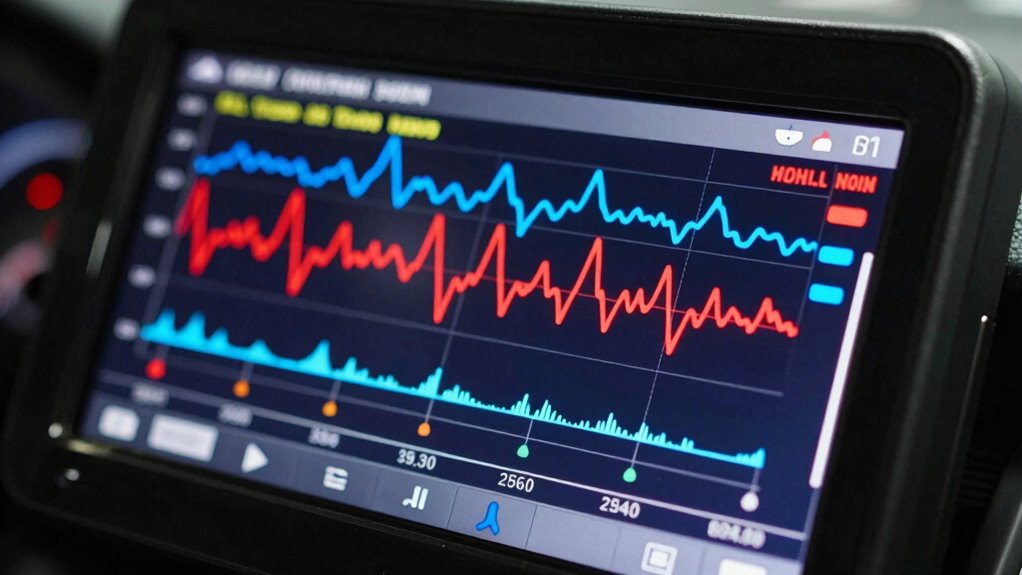

Tracking the Temp channel in your data logger helps you connect oil pressure drops with engine temperature changes. When oil pressure fluctuates unexpectedly, checking temperature data reveals if overheating, viscosity issues, or cooling system problems are involved. Sudden pressure drops coupled with rising temps usually indicate overheating or flow restrictions. If you want to understand these patterns better and identify the exact cause, keep exploring how temperature data can guide your troubleshooting efforts.

Get garage and car supplies delivered free — and shop member deals
- Fast, free delivery on millions of items
- Access to Prime Big Deal Days deals on October 6–7
- Prime Video, Amazon Music and more included
Key Takeaways
- Monitoring the temp channel reveals temperature fluctuations that correlate with sudden oil pressure drops, indicating possible overheating or viscosity issues.
- Proper sensor calibration ensures temperature data accuracy, crucial for diagnosing whether pressure drops are due to genuine engine conditions or sensor errors.
- Tracking temperature patterns alongside oil pressure helps distinguish between true engine problems and sensor anomalies or calibration inaccuracies.
- Sudden pressure drops paired with rising oil temperature suggest overheating, while stable temps with pressure fluctuations may point to sensor or flow issues.
- Regularly reviewing logged temperature data can identify patterns or anomalies that explain otherwise ‘random’ oil pressure fluctuations.
As an affiliate, we earn on qualifying purchases.
Why Does Oil Pressure Drop Unexpectedly, and How Can Data Logging Help?
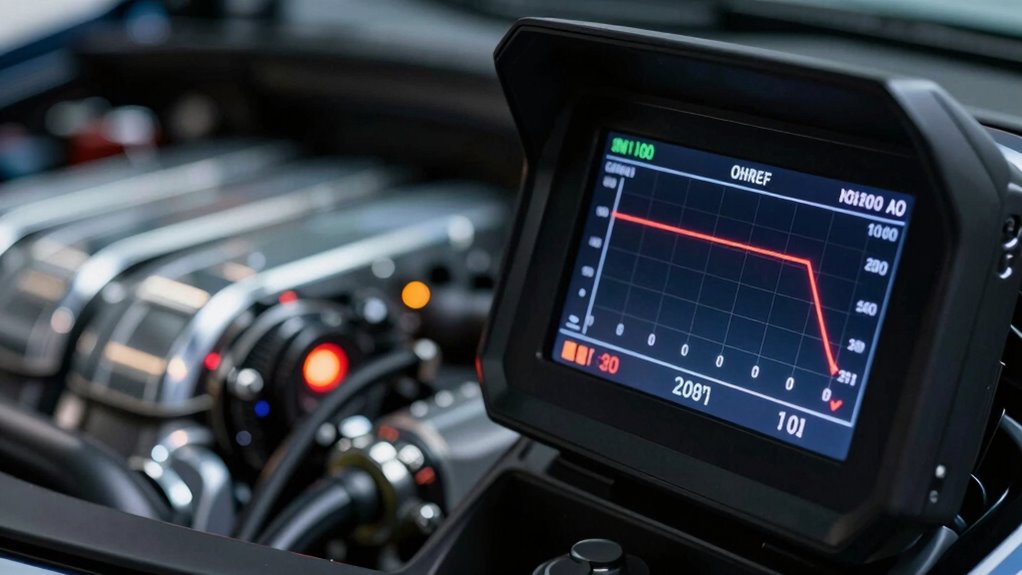
Unexpected drops in oil pressure can indicate a serious issue with your engine, but pinpointing the cause can be challenging without detailed data. Variations in oil viscosity due to temperature changes or improper oil type can lead to pressure fluctuations. Additionally, sensor calibration errors can cause inaccurate readings, making it seem like there’s a pressure drop when there isn’t. Data logging helps you track these patterns over time, revealing whether pressure drops are consistent or linked to specific conditions. You can also use troubleshooting techniques that incorporate data analysis to further enhance troubleshooting efforts, allowing you to take targeted action, avoiding unnecessary repairs and ensuring your engine runs smoothly. Monitoring sensor accuracy and maintaining proper calibration are crucial for reliable data interpretation. Furthermore, understanding engine sensor behavior can aid in diagnosing potential issues more effectively.
oil pressure sensor calibration kit
As an affiliate, we earn on qualifying purchases.
As an affiliate, we earn on qualifying purchases.
Understanding How Oil Pressure and Engine Temperature Are Connected
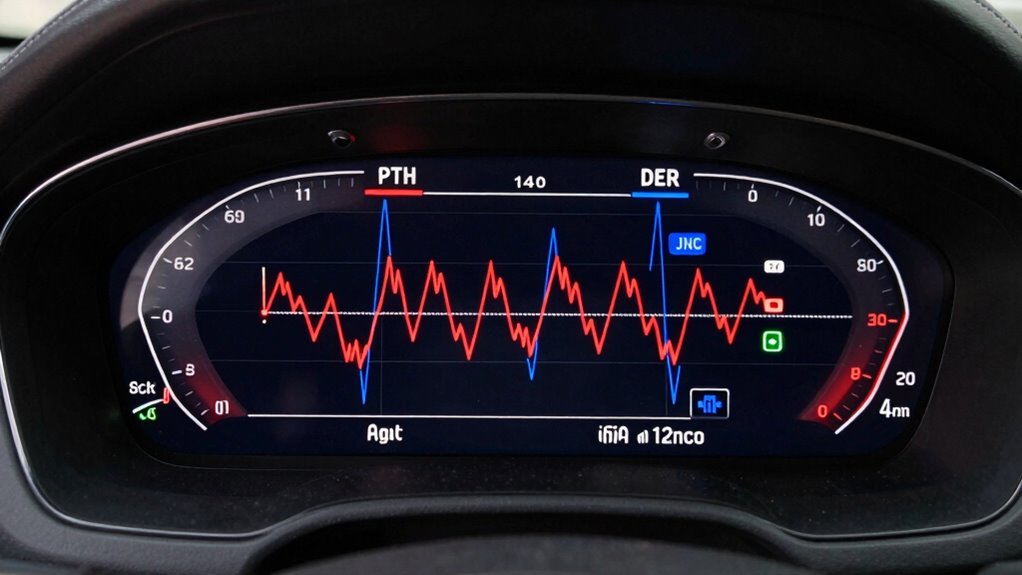
Engine temperature directly influences oil pressure because as the engine warms up, the oil becomes less viscous and flows more easily through engine components. When coolant flow is ideal, it helps regulate engine temperature, preventing overheating and maintaining consistent oil pressure. Higher temperatures can reduce oil’s viscosity, causing pressure drops, especially during high loads or slow traffic. Conversely, efficient combustion improves engine temperature stability, supporting steady oil pressure. Additionally, coolant flow plays a crucial role in maintaining optimal engine temperature, which directly impacts oil pressure consistency. Proper cooling system function helps prevent thermal fluctuations that can lead to pressure irregularities. Poor coolant flow can cause uneven engine heating, leading to fluctuating oil pressure. Excessively high temperatures thin the oil, decreasing pressure unexpectedly. Cooler engine temperatures increase oil viscosity, sometimes raising pressure. engine temperature sensors can provide early warning signs of cooling system issues that may affect oil pressure stability. Maintaining proper engine management systems ensures consistent temperature regulation, which is vital for stable oil pressure performance. Furthermore, regular maintenance of cooling components ensures that the system operates efficiently, reducing the likelihood of temperature-related pressure issues.
engine cooling system diagnostic tools
As an affiliate, we earn on qualifying purchases.
As an affiliate, we earn on qualifying purchases.
What Is the Temp Channel in Your Data Logger, and Why Is It Important?
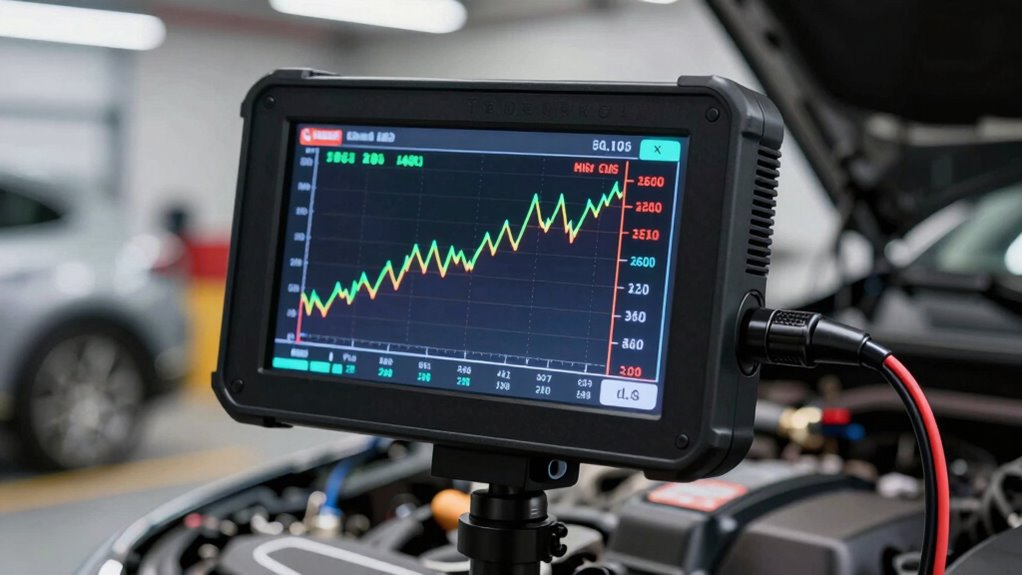
Have you ever wondered how your data logger tracks temperature? The Temp Channel captures real-time temperature data from sensors, which need proper calibration to guarantee accuracy. Sensor calibration is vital because it aligns the sensor’s readings with known standards, preventing false or inconsistent data. Accurate temperature data is essential for diagnosing problems and optimizing performance. The Temp Channel’s data allows you to see how temperature fluctuations influence engine performance, including oil pressure drops. Using data analysis techniques, you can identify patterns or anomalies related to temperature changes, such as calibration procedures that ensure data reliability. Proper calibration not only maintains data integrity but also helps in understanding sensor limitations, which can affect overall measurement accuracy. Recognizing Mythology-inspired names can help enhance your understanding of meaningful naming conventions and their significance in various contexts. Additionally, understanding data validation methods can further improve the trustworthiness of your temperature readings.
automotive temperature and pressure data logger
As an affiliate, we earn on qualifying purchases.
As an affiliate, we earn on qualifying purchases.
How to Set Up Your Data Logger to Track Oil and Temperature Data
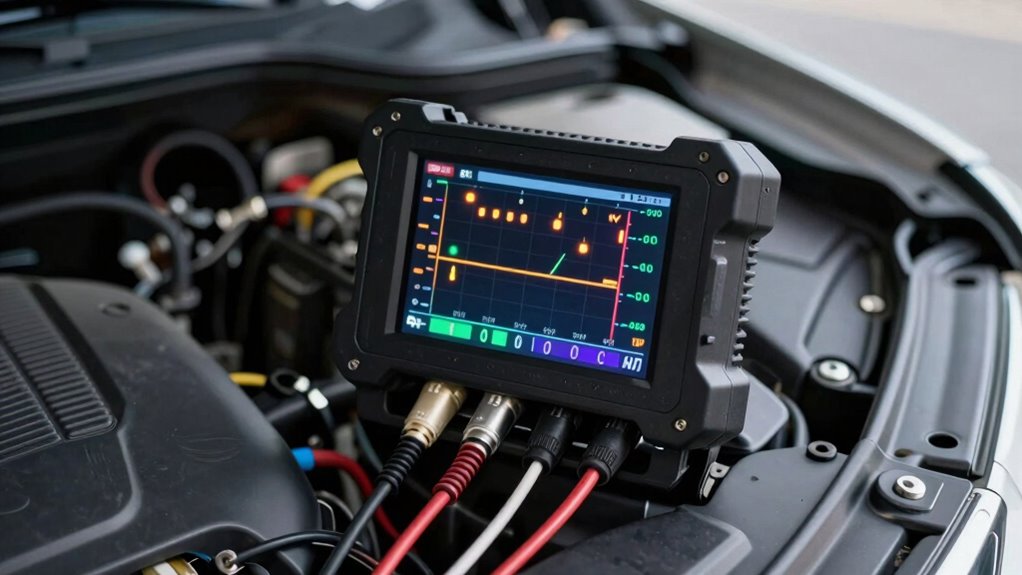
Setting up your data logger to track oil and temperature data involves configuring the appropriate channels and sensors to guarantee accurate readings. First, ensure your sensors are properly calibrated for precise data acquisition. Correct calibration minimizes errors and improves reliability. Next, connect your sensors to the designated channels on the logger, verifying secure, stable connections. Adjust sampling rates to capture relevant fluctuations without overloading storage. Also, set threshold alerts for abnormal readings to catch issues early. Consider these key steps:
- Perform sensor calibration before installation
- Configure channels for oil and temperature sensors
- Set appropriate data acquisition intervals
- Enable alerts for out-of-range values
- Proper calibration techniques can significantly enhance data accuracy
Additionally, regularly reviewing your data logs helps identify patterns and anomalies that may indicate underlying issues. Employing accurate measurement methods ensures your data remains reliable over time. Following these steps ensures your logger provides dependable data, helping you identify patterns and troubleshoot oil pressure drops effectively.
Using Temperature Fluctuations to Identify Causes of Oil Pressure Drops
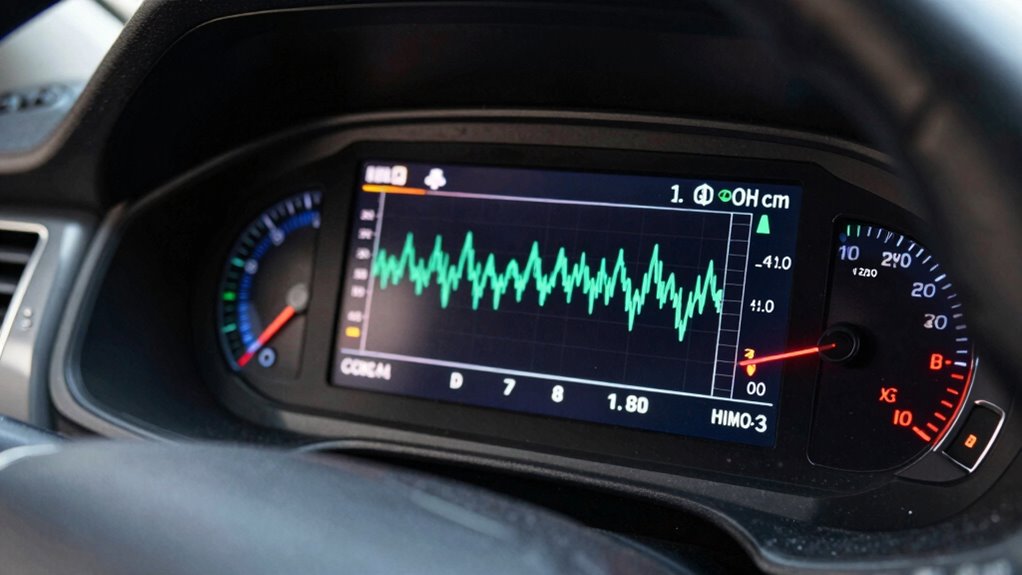
When oil pressure drops suddenly, examining temperature fluctuations can reveal underlying issues. Changes in oil temperature often correlate with pressure variations, helping you identify causes quickly. For example, a sudden rise in oil temperature paired with a pressure drop suggests oil overheating, possibly from a failing cooler or excessive engine load. Conversely, a sudden drop in oil temperature with pressure loss might indicate oil flow restrictions or pump issues. Tracking these temperature fluctuations allows you to see patterns and pinpoint whether temperature and pressure changes happen simultaneously or at different times. Understanding this pressure correlation gives you insights into whether the problem stems from oil viscosity, cooling system malfunctions, or internal engine wear, enabling more accurate troubleshooting and faster repairs.
Interpreting Temp Channel Data to Detect Hidden Engine Problems
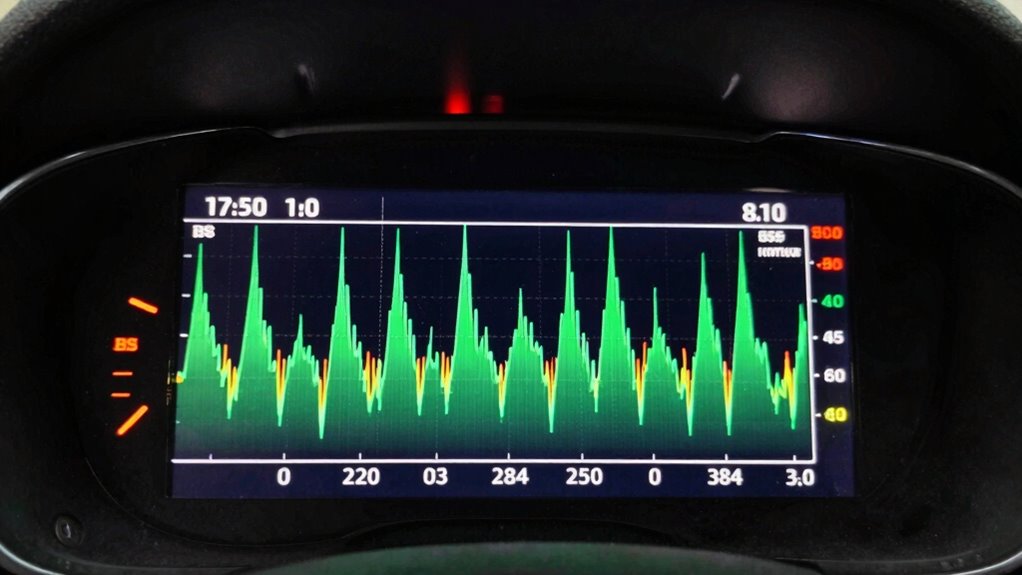
Interpreting temperature channel data can reveal hidden engine problems that aren’t immediately obvious through visual inspection or basic gauges. By analyzing subtle temperature fluctuations, you can spot issues like sensor calibration errors, coolant flow irregularities, or early signs of engine wear. Use data analysis techniques such as trend analysis, deviation detection, and cross-referencing with other sensor data to uncover anomalies. Keep an eye on sudden temperature spikes or drops that deviate from normal patterns, as they often indicate underlying problems. To improve accuracy, regularly calibrate sensors and verify data integrity. Incorporating these methods helps you detect issues early, preventing costly damage. Effective interpretation of data is supported by understanding sensor behavior, which enhances your ability to troubleshoot accurately. Recognizing data patterns can also assist in identifying intermittent issues that might otherwise go unnoticed. Developing a thorough understanding of engine temperature dynamics can further aid in diagnosing complex problems. Additionally, understanding thermal response characteristics can provide deeper insights into engine health. Effectively interpreting temp channel data empowers you to make informed decisions and troubleshoot problems before they escalate.
Common Reasons for Sudden Oil Pressure Loss and How Temperature Trends Reveal Them
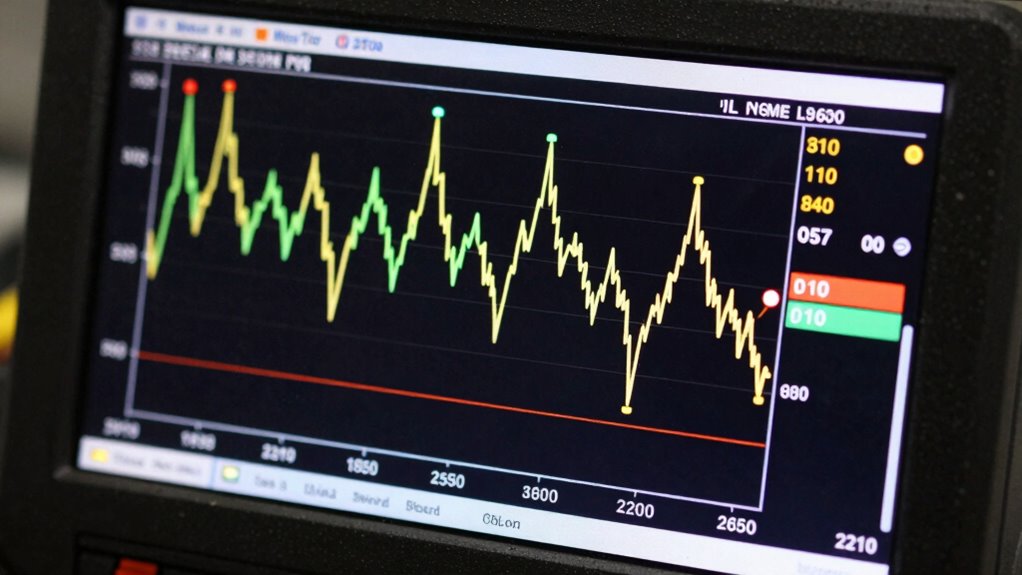
Sudden drops in oil pressure often indicate underlying issues that can be detected through analyzing temperature trends. When oil temperature and pressure correlation shifts unexpectedly, it suggests problems like oil pump failure, clogged passages, or worn bearings. For example, if oil pressure drops while temperature remains stable, it might point to a failing oil pump or a blocked oil flow. Conversely, if pressure drops and temperature spikes, it could indicate oil overheating due to insufficient cooling or excessive engine load. Monitoring these temperature trends alongside oil pressure helps you pinpoint the root cause quickly. Recognizing patterns in the temperature correlation enables timely interventions, preventing serious engine damage caused by unnoticed oil pressure drops. This approach offers a clearer picture of your engine’s health, especially during critical moments.
Practical Tips for Troubleshooting Oil Pressure Issues With Data Logging
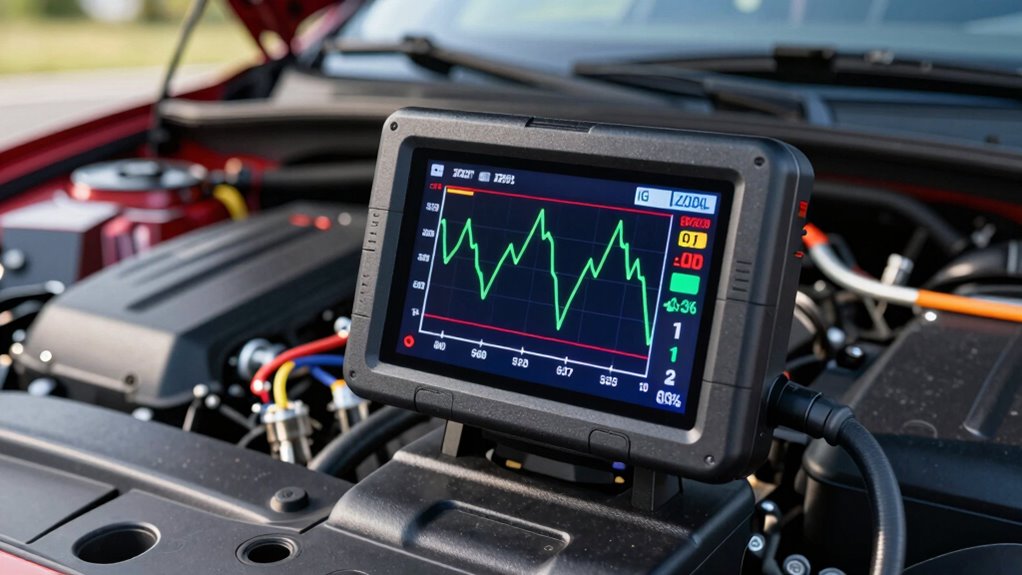
To effectively troubleshoot oil pressure issues using data logging, start by setting up a reliable system that continuously records oil pressure and temperature readings during engine operation. This allows you to identify patterns and pinpoint anomalies. Consider these practical tips:
- Verify the oil sensor’s wiring and connections for any corrosion or damage.
- Compare data from your pressure gauge with the logged readings to spot discrepancies.
- Focus on sudden drops or spikes in pressure that correlate with engine activity.
- Monitor temperature trends to rule out overheating as a cause of pressure fluctuations.
Keeping an eye on these factors helps you interpret the data accurately. Remember, clean, properly calibrated sensors and consistent logging intervals are key to troubleshooting effectively.
Monitoring Engine Temperature and Oil Pressure Proactively to Prevent Damage
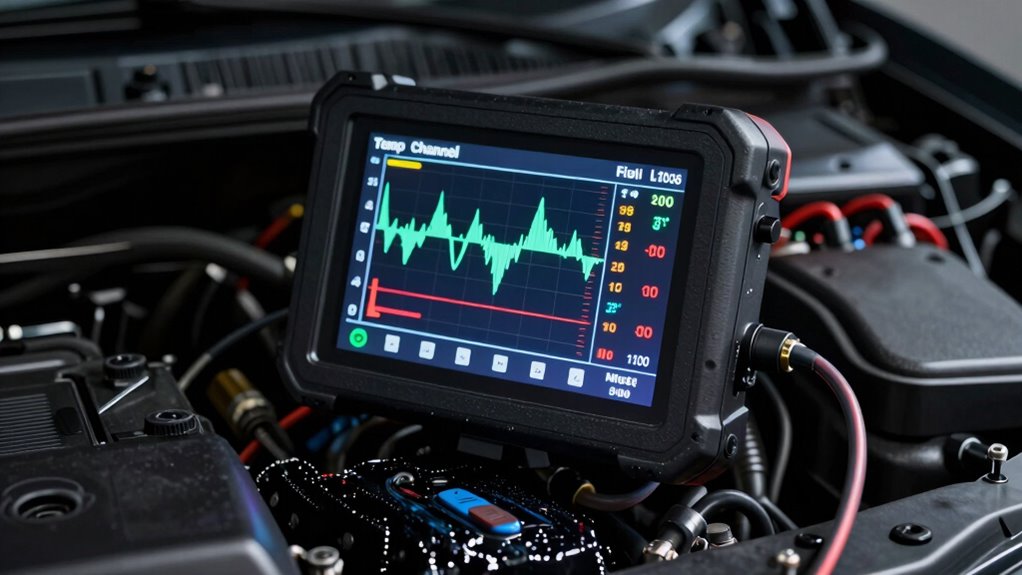
Building on the importance of analyzing data logs for troubleshooting, proactively monitoring engine temperature and oil pressure helps prevent damage before issues become serious. Keeping an eye on coolant temperature ensures your engine stays within ideal ranges, reducing unnecessary engine wear. Simultaneously, tracking oil pressure alerts you to potential lubrication problems early. Use data logs to identify patterns and anomalies that could indicate overheating or oil flow restrictions. Being aware of the capacity of your system can also influence how you interpret these readings and plan maintenance. Additionally, understanding common dog breeds and their specific needs can guide you in maintaining a healthy environment for your vehicle’s components. Here’s a quick reference:
| Parameter | Normal Range | Warning Signs |
|---|---|---|
| Coolant Temp | 180-220°F | Spikes above 220°F |
| Oil Pressure | 20-80 psi | Drop below 20 psi |
| Engine Wear | Gradual increase in temp | Sudden temp spikes or pressure drops |
| Monitoring Tip | Regular log reviews | Immediate action if anomalies appear |
When to Consult a Professional Based on Your Data Log Insights
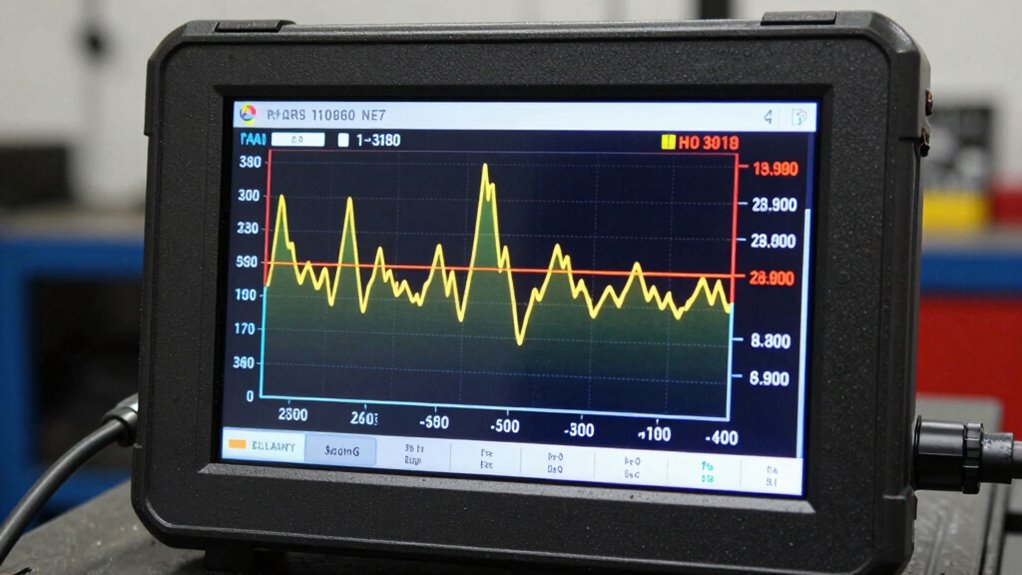
While monitoring your engine data logs regularly is essential, knowing when to seek professional help is equally important. If your data analysis reveals inconsistent or unexpected readings—such as fluctuating oil pressure or temperature spikes—it’s time to consult an expert. Poor sensor calibration can cause false alarms, so a professional can verify sensor accuracy. Persistent anomalies, despite recalibration, indicate underlying issues needing diagnostic tools. Also, if you notice that your logs show sudden drops or irregular patterns that don’t resolve, skimping on professional advice risks engine damage. These signs suggest it’s time to get a mechanic involved, especially when data inconsistencies point toward mechanical or electrical faults beyond your scope. Trust your data, but don’t hesitate to seek expert help when signs escalate. Understanding the importance of accurate diagnostics can help prevent minor issues from becoming major repairs. Additionally, understanding sensor calibration and ensuring it’s correctly maintained is crucial for reliable data logging. Regular sensor maintenance ensures your readings remain trustworthy, reducing the likelihood of false alarms and overlooked problems.
Frequently Asked Questions
Can Temperature Data Predict Future Oil Pressure Drops Accurately?
Yes, temperature data can predict future oil pressure drops accurately because of the strong pressure correlation with oil temperature. When oil temperature rises, it often leads to a decrease in oil viscosity, causing pressure fluctuations. By monitoring oil temperature closely, you can anticipate pressure drops before they happen, allowing you to take proactive measures. This proactive approach helps maintain engine health and prevents unexpected failures during track sessions.
How Often Should I Review My Data Logger Readings?
You should review your data logger readings regularly, ideally before every race or event. This way, you stay ahead of issues and keep your maintenance schedule on track. Don’t wait for problems to pop up—interpret your data consistently to spot trends early. Think of it as keeping your finger on the pulse; the more often you check, the better you understand your engine’s health.
Are There Specific Engine Types Where Temp Channel Monitoring Is More Effective?
You’ll find temp channel monitoring most effective on high-performance or turbocharged engines, where temperature changes substantially impact operation. Confirm your engine compatibility and sensor calibration are suitable for accurate readings, as improper calibration can lead to misleading data. This way, you’ll better identify issues like cooling problems or oil pressure drops, allowing you to address them proactively and maintain ideal engine performance during track sessions.
What Additional Sensors Can Enhance Oil Pressure and Temperature Analysis?
You can enhance oil pressure and temperature analysis by adding sensors like oil flow sensors, ambient temperature sensors, and vibration sensors. To guarantee accuracy, regularly calibrate these sensors and maintain proper data synchronization across all channels. This helps you identify issues more precisely, especially during high-stress conditions, giving you a clearer picture of your engine’s performance and preventing potential failures.
How Do Ambient Temperature Changes Affect Engine Temperature Readings?
Imagine your engine as a delicate crystal, sensitive to its surroundings. When ambient temperatures change, they cause thermal expansion in engine components, affecting temperature readings. You need to account for these shifts through proper sensor calibration to guarantee accurate data. Without this, your readings can become distorted, like a distorted mirror, making it harder to diagnose issues. Always calibrate sensors regularly to maintain reliable, precise engine temperature measurements.
Conclusion
By regularly monitoring your engine’s temperature and oil pressure with data logging, you can catch issues before they cause serious damage. Many believe temperature fluctuations directly cause oil pressure drops, but recent studies suggest they’re more correlated indicators of underlying problems like worn bearings or oil degradation. Staying proactive and analyzing your temp channel helps you troubleshoot effectively—potentially confirming that temperature changes are a symptom, not the cause, of pressure issues.
Halloween Picks
halloween
As an affiliate, we earn on qualifying purchases.