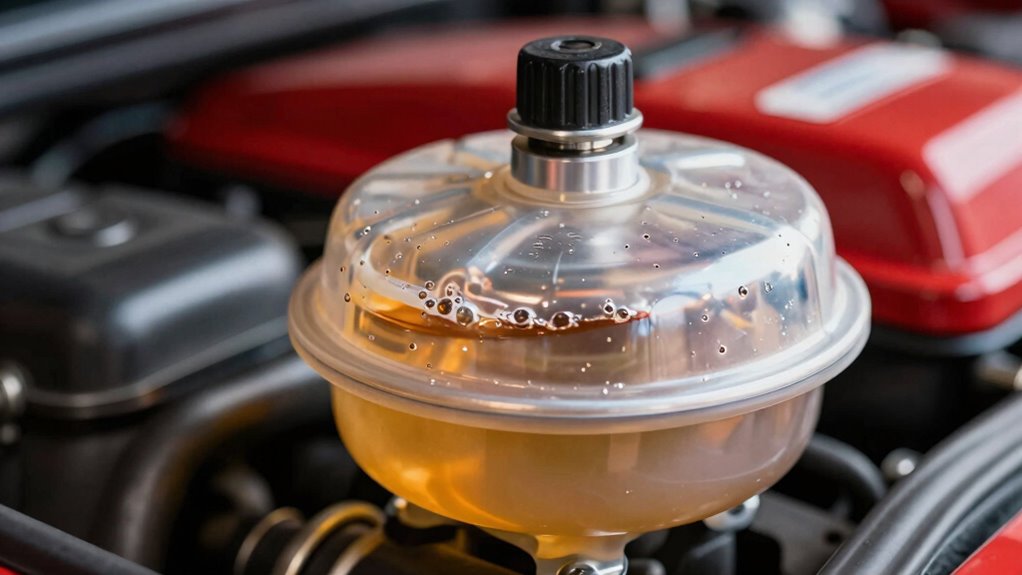
If you neglect proper brake fluid maintenance for track days, you risk boiling the fluid, which causes vapor bubbles and reduces braking effectiveness. Many drivers make the mistake of sticking to standard service intervals or ignoring fluid condition, leading to unsafe situations. To prevent this, use high-performance brake fluid and change it every 3-6 track days or sooner if it darkens. Keep your brakes cool and stay safe—continue to discover how to optimize your brake system for peak performance.
Key Takeaways
- Using brake fluid beyond recommended service intervals increases moisture absorption, lowering boiling points and risking vaporization during track use.
- Failing to flush and replace brake fluid regularly leads to water contamination, which causes early boiling and brake fade.
- Relying on infrequent brake fluid changes, such as annually, is a common mistake that promotes fluid boiling under high-performance conditions.
- Not monitoring fluid color and condition can result in using degraded fluid that is more prone to boiling during intense braking.
- Neglecting scheduled brake fluid maintenance compromises safety and performance, especially on demanding track days.

Portable Ultrasonic Flow Meter TUF-2000P Portable Ultrasonic Flow Meter for Water and Hydraulic Medium(SD)
Flowmeters
As an affiliate, we earn on qualifying purchases.
Why Does Brake Fluid Boil and How Does It Affect Your Pedal?
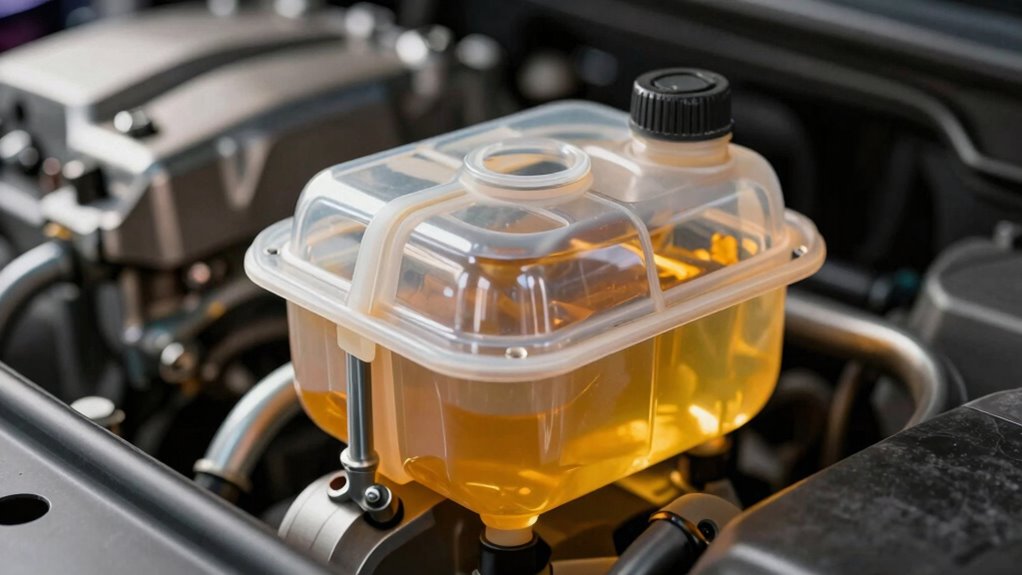
Brake fluid boils when it reaches its high temperature limit, causing it to turn into gas rather than remaining as a liquid. When you brake hard, your brake system generates intense heat, especially during track driving. If the fluid’s boiling point is too low, it’ll vaporize, forming gas bubbles. These bubbles compress under pressure, preventing your brake calipers from applying force properly. As a result, your pedal feels soft or spongy, and braking becomes less effective, risking brake fade or failure. This vapor lock interrupts the hydraulic pressure needed to stop your vehicle. To avoid this, you need brake fluid with a high boiling point, especially for track use. Proper fluid selection and regular maintenance ensure your pedal remains firm, even under demanding conditions. Choosing the right brake fluid with a high boiling point is essential for maintaining safe braking performance during high-stress driving.

XZT 6000PSI 200 GPM Inline Digital Hydraulic Flow Meter,Hydraulic Pressure Test kit, Flow Test for Excavator, Pump,Cylinder,Hydraulic Valve,Motor(800L /200Gallon)
Digital Display, Test Flow, Pressure and Temperature in same time
As an affiliate, we earn on qualifying purchases.
How Water Contamination Lowers Brake Fluid’s Boiling Point and What Signs to Watch For?
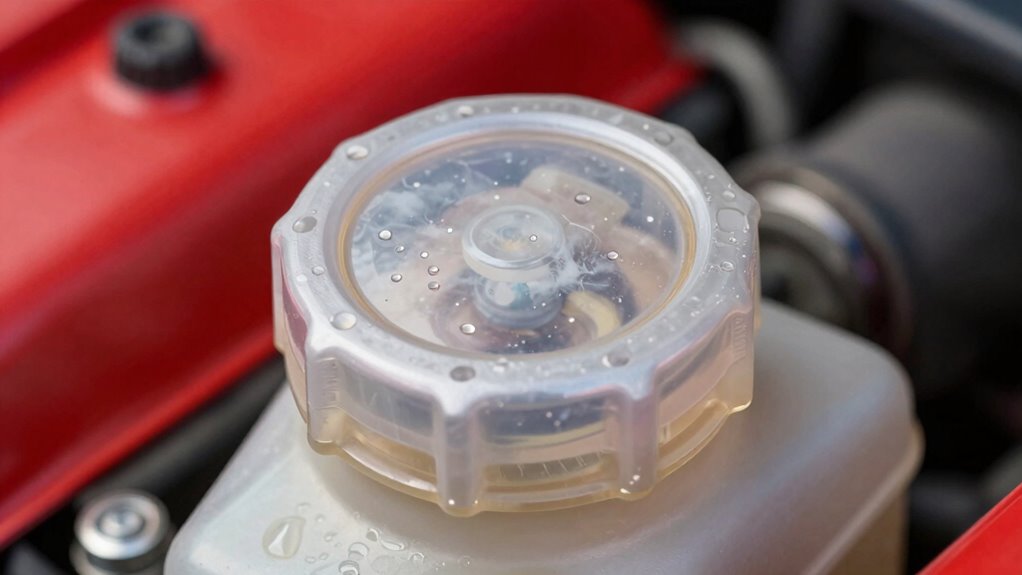
Water contamination in brake fluid substantially lowers its boiling point, making your braking system more vulnerable during intense use. As water mixes with the fluid, it creates vapor bubbles at lower temperatures, increasing the risk of brake fade or failure. Signs of water contamination include a spongy or soft pedal, which indicates gas bubbles forming under pressure. You might also notice reduced braking performance, especially during repeated hard stops or track sessions. Over time, moisture absorption causes the fluid to turn darker, often brown or cloudy, signaling it’s time for a change. If you ignore these signs, water-laden brake fluid can boil at lower temperatures, jeopardizing your safety and braking efficiency during high-demand driving. Regularly inspecting your brake fluid helps catch contamination early.

OTC Tools 4277 50 GPM Hydraulic Flow Meter
Tests hydraulic oil circuits on your machinery with high accuracy and Measures flow from 4 to 54 gpm
As an affiliate, we earn on qualifying purchases.
When and How Often Should You Change Your Brake Fluid for Track Days?
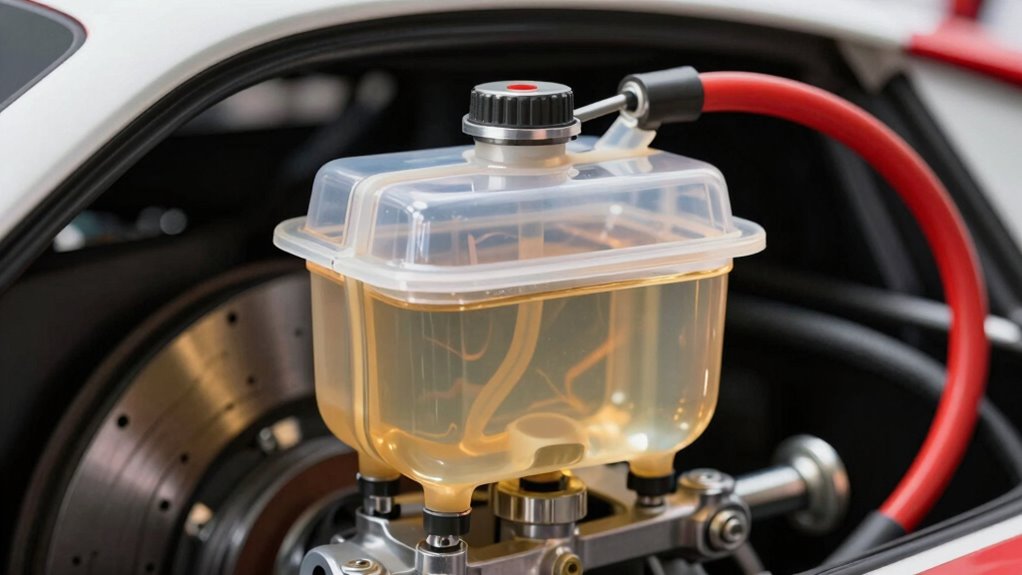
To make certain your brake system performs reliably during track days, it’s crucial to change the brake fluid at regular intervals. For frequent track enthusiasts, a flush every 3 to 6 track days ensures contaminants and absorbed water don’t lower boiling points. If you drive less often, aim to replace fluid every 1 to 2 years, especially if it’s been exposed to high heat or moisture. Many track organizations require fluid less than 6 months old for tech inspections. Regularly check your brake fluid’s color and level—dark or low fluid signals it’s time to flush. Also, consider bleeding the brakes every 4-6 months during intense use to keep moisture levels in check. Consistent maintenance helps prevent boiling and maintains essential pedal feel during demanding sessions. Incorporating proper contingency plans can help address unexpected issues like fluid failure during critical moments on the track.

CGOLDENWALL Handheld Ultrasonic Flowmeter Clamp on Flow Meter Portable Liquid Flow Meter with S1+M2 Transducers for Copper/PVC Pipe DN15-700mm 1/2-28" ((Old or New Panel))
S1+M2 TRANSDUCERS: Easy to setup the transducers on the pipe and enter the required information in the control...
As an affiliate, we earn on qualifying purchases.
How to Choose the Best High-Performance Brake Fluid for Track Use?
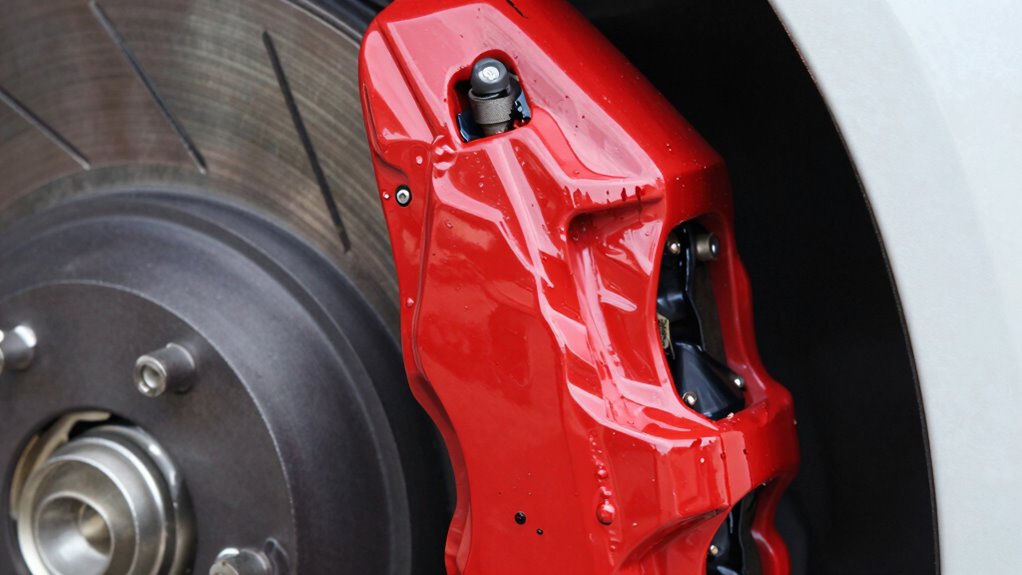
Choosing the right high-performance brake fluid for track use depends on your vehicle’s weight, braking demands, and session length. To select the best fluid, consider these factors:
- Boiling Point: Opt for fluids with high dry and wet boiling points, like Castrol SRF or Pentosin racing fluid, to prevent vapor lock during intense braking.
- Compatibility: Ensure the fluid matches your car’s brake system specifications—DOT4 or racing-specific formulations often work best.
- Water Absorption Resistance: Look for fluids designed to resist moisture absorption, maintaining performance longer under track conditions.
- Cost and Maintenance: Balance fluid quality with your budget; frequent changes of high-quality fluids maximize safety and performance.
Prioritize fluids that meet or exceed your vehicle’s demands for safety and endurance on the track.
Maintenance Tips for Preventing Brake Fluid Boil During Track Days?
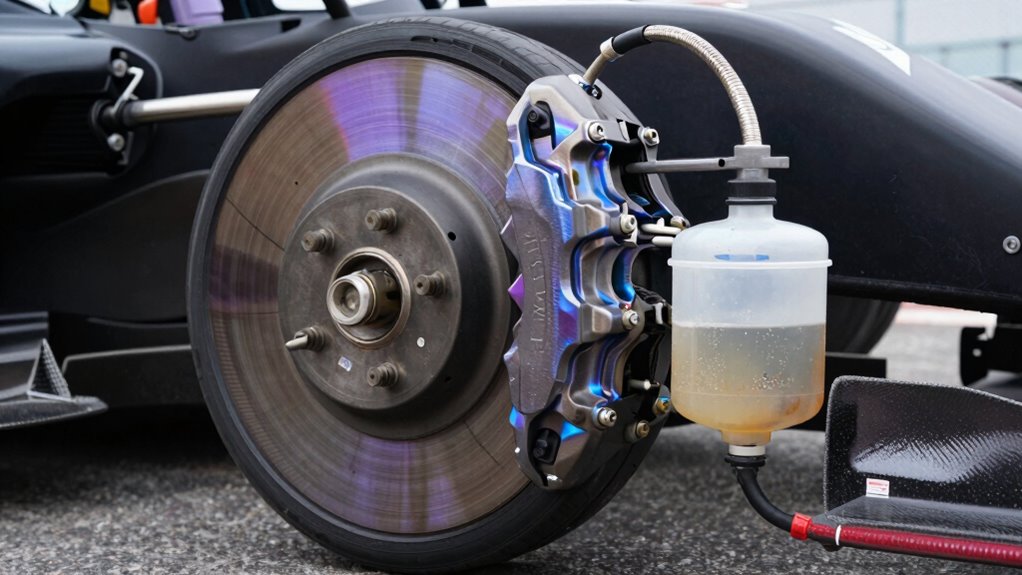
Proper maintenance is essential to prevent brake fluid from boiling during track days. Regularly check your fluid levels and top up with the correct high-performance fluid before each session. Flushing the system every 3 to 6 months guarantees moisture doesn’t accumulate, which lowers boiling points. Use fresh, high-quality brake fluid suited for your car’s demands. Additionally, monitor brake pad wear; worn pads can cause heat buildup that accelerates fluid boiling. Understanding regional brake fluid requirements can help tailor maintenance to your specific driving conditions.
| Fluid Type | Recommended Change Interval | Notes |
|---|---|---|
| DOT4/High-Temp | Every 3-6 months | Prevents moisture buildup |
| Racing Fluids | Every 1-2 track days | Highest boiling points, costly |
| Stock Fluid | Annually or after 6 sessions | Suitable for light use, less risky |
Consistent inspection and timely fluid changes keep your braking system responsive and prevent boil-induced fade.
Frequently Asked Questions
Can Using Synthetic Brake Fluid Prevent Boiling During Track Sessions?
Yes, using synthetic brake fluid can help prevent boiling during track sessions. Synthetic fluids generally have higher boiling points and better stability under extreme heat, reducing the risk of vapor lock. They also resist moisture absorption better, maintaining performance over time. However, even with synthetic fluid, you should still follow recommended service intervals, especially if you’re tracking often, to ensure consistent brake performance and safety.
How Does Ambient Temperature Influence Brake Fluid Boiling Points?
Did you know that high ambient temperatures can reduce brake fluid’s boiling point by up to 10%? When it’s hot outside, your brake fluid heats faster and reaches its boiling point sooner during aggressive braking. This increases the risk of vapor lock and brake fade. To prevent this, choose high-quality, high-temperature brake fluid and regularly flush your system, especially in hot climates or during summer track days.
Does Brake Pad Material Impact Brake Fluid Temperature and Boiling Risk?
Yes, brake pad material impacts brake fluid temperature and boiling risk. High-performance pads generate more heat during aggressive braking, raising the fluid temperature nearby. This increases the likelihood of fluid boiling, especially if the fluid’s boiling point isn’t maintained with regular changes. Softer or metallic pads tend to produce less heat, reducing boiling risk, but you should always monitor fluid condition and upgrade to high-temp fluids for intense track sessions.
Are There Specific Signs Indicating Brake Fluid Has Already Boiled?
You’ll notice your brake fluid has boiled if your pedal feels spongy or sinks under pressure, especially after hard braking. Shockingly, fluid boiling can occur after just 6 sessions on stock brakes, causing pedal fade and risking loss of braking power. Other signs include increased stopping distances, a burning smell, or visible darkening of the fluid. Regularly check your fluid and replace it before these symptoms appear to prevent unsafe conditions.
What Role Does Brake System Design Play in Fluid Boiling Susceptibility?
Your brake system design influences fluid boiling susceptibility by affecting heat management and fluid flow. If the system has poor ventilation, inadequate cooling, or inefficient caliper and rotor setups, heat builds up faster, raising the risk of fluid boiling. High-performance designs with better airflow, larger rotors, and cooling ducts help dissipate heat more effectively, reducing boiling chances during intense track sessions. Proper design is vital for maintaining brake performance under extreme conditions.
Conclusion
Remember, your brake fluid is like the heartbeat of your braking system — it keeps your car stopping on a dime. Think of it as an essential river flowing through your brakes, cooling and protecting every component. When you maintain it properly, you’ll feel confident slicing through the air on track days, knowing your brakes won’t boil over like a wild storm. Keep it fresh, keep it cool, and enjoy every thrilling corner with peace of mind.