
ACEA C2 and C3 oils mainly differ in their focus on fuel efficiency versus engine protection, with each suited to different needs. C2 oils have lower viscosity, helping you save fuel, while C3 oils emphasize durability and compatibility with aftertreatment systems like DPFs and catalytic converters. Choosing the right depends on your driving conditions and vehicle requirements. Want to uncover the subtle differences in how these oils support your engine’s health? Keep exploring to find out more.
Key Takeaways
- C3 oils are formulated for better compatibility with aftertreatment devices like DPFs and catalytic converters.
- C2 oils have lower viscosity for fuel efficiency but may offer less robust aftertreatment system protection.
- The “C” in both oils indicates compliance with ACEA standards, but the numbers specify their focus—C2 for efficiency, C3 for durability.
- C3 oils typically contain additives supporting aftertreatment system longevity under high-stress conditions.
- Choosing between C2 and C3 depends on your vehicle’s aftertreatment system and the need for fuel economy versus engine protection.
ACEA C2 oils are formulated to provide excellent fuel efficiency while offering good engine protection. They typically have lower viscosity, which reduces internal friction within the engine. This means your engine works less hard to move parts, leading to improved fuel economy. If you’re looking to maximize every drop of fuel and reduce emissions, C2 oils are a smart choice. They are compatible with a wide range of modern turbocharged engines and help optimize combustion, ultimately lowering your fuel consumption. Plus, their formulation includes additives that protect engine components from wear and deposits, ensuring your engine stays clean and efficient over thousands of miles. Additionally, their compatibility with aftertreatment systems ensures they support emission reduction technologies effectively.
ACEA C2 oils boost fuel efficiency with low viscosity and wear protection for modern turbocharged engines.
On the other hand, ACEA C3 oils also focus on engine protection but tend to emphasize durability and compatibility with aftertreatment devices like diesel particulate filters (DPFs) and catalytic converters. These oils usually have a slightly higher viscosity than C2 oils, providing a robust protective barrier against wear and tear, especially under high-stress conditions. If your vehicle is subject to heavy loads, frequent stop-and-go driving, or operates in demanding environments, C3 oils can offer added peace of mind. They are designed to maintain their protective qualities even under high temperatures and extended oil change intervals, ensuring your engine remains protected from sludge, deposits, and wear.
Both C2 and C3 oils are formulated to be compatible with aftertreatment systems, but their differences in viscosity and additive chemistry mean they serve slightly different roles. If your priority is maximizing fuel efficiency without sacrificing too much engine protection, C2 is generally suitable. However, if durability, extended service intervals, and aftertreatment compatibility are your main concerns, C3 might be the better option. Ultimately, understanding these subtle distinctions helps you choose the oil that best aligns with your driving habits and vehicle requirements, ensuring optimal performance and protection in the long run.

Castrol Edge Extended Performance 5W-30 Advanced Full Synthetic Motor Oil, 5 Quart
Protection: Proprietary titanium additive provides unsurpassed wear protection; Bottle Color: Gold
As an affiliate, we earn on qualifying purchases.
As an affiliate, we earn on qualifying purchases.
Frequently Asked Questions
Can ACEA C2 or C3 Oils Improve Fuel Efficiency?
Yes, using ACEA C2 or C3 oils can improve your fuel economy and engine performance. These low-SAPS oils reduce engine wear and improve efficiency, helping your vehicle run smoother and last longer. C2 oils are especially designed for fuel efficiency, while C3 oils support ideal aftertreatment system function. Switching to the right oil guarantees better engine performance and can save you money on fuel over time.
Are C2 and C3 Oils Suitable for Hybrid Vehicles?
Imagine your hybrid’s engine as a delicate dance, and choosing the right lubricant is key. C2 and C3 oils are indeed suitable for hybrid vehicles, offering excellent hybrid compatibility and protecting aftertreatment systems. They help optimize fuel efficiency and reduce emissions. When selecting lubricants, focus on those that meet your hybrid’s specific needs, ensuring smooth operation and longevity while keeping environmental impact minimal.
How Often Should C2 and C3 Oils Be Changed?
You should change C2 and C3 oils based on your vehicle’s maintenance schedule, typically every 7,500 to 10,000 miles or every 6 to 12 months. However, always check your owner’s manual for specific oil change intervals, as driving conditions can impact how often you need to replace the oil. Regular oil changes keep your engine running smoothly and ensure aftertreatment systems remain compatible and effective.
Do C2 and C3 Oils Impact Engine Noise?
Did you know that engine noise can decrease by up to 15% with proper oil choice? C2 and C3 oils, with their specific viscosity ratings, can influence engine vibration and noise levels. Using the right oil helps reduce friction and smooths engine operation, resulting in quieter performance. So, selecting C2 or C3 oils can positively impact your engine’s noise, especially as they are formulated to optimize lubrication and minimize vibrations.
Are There Specific Brands Recommended for C2 or C3 Oils?
You should choose brands known for quality standards and compatibility with your engine’s needs. Top brands like Mobil, Shell, and Castrol often meet these criteria for C2 and C3 oils. Always check the manufacturer’s recommendations to make certain the brand you pick aligns with your vehicle’s requirements and aftertreatment systems. This way, you maintain engine performance, protect emissions systems, and enjoy reliable lubrication throughout your driving experience.
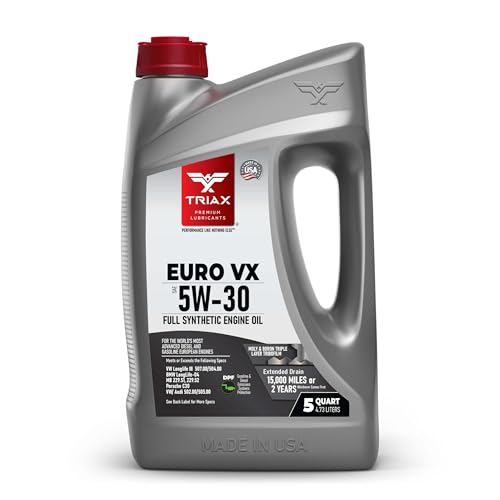
TRIAX Euro VX 5W-30 Full Synthetic Ester, Compatible with VW 507.00/504.00, VW Audi 502.00, 505.01, BMW LL-04, Porsche C30, ACEA C3, Mercedes 229.51, 229.5, 229.31 (5 Quart)
PAO / Ester full synthetic engine oil especially designed for European diesel and gasoline engines, including those fitted…
As an affiliate, we earn on qualifying purchases.
As an affiliate, we earn on qualifying purchases.
Conclusion
In choosing between ACEA C2 and C3, you decide based on your engine’s needs, your environmental goals, and your maintenance routine. You consider compatibility, performance, and longevity. You weigh your options, balance your priorities, and make your choice. Whether you opt for C2 or C3, remember it’s about aligning your vehicle’s demands with the right aftertreatment solution. Make an informed decision, enjoy superior performance, and keep your engine running smoothly for miles to come.

MotorPower Care Best Cleaning Solution for The Diesel particulate Filter DPF no disassembling Needed Fast and Effective
The Latest Foam cleaning technology, Super effective easy to use DPF cleaner Kit, used by professionals and 1000s…
As an affiliate, we earn on qualifying purchases.
As an affiliate, we earn on qualifying purchases.
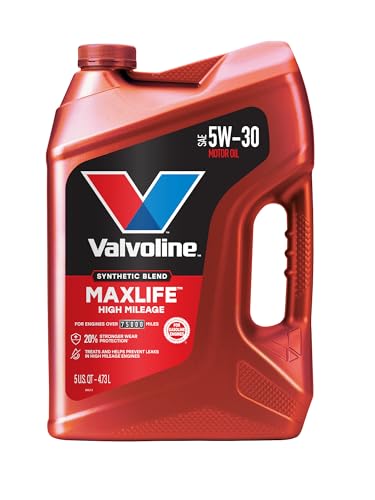
Valvoline MaxLife High Mileage 5W-30 Synthetic Blend Motor Oil 5 Quart
Formulated for engines with 75,000 miles or more, Valvoline MaxLife High Mileage synthetic blend is formulated with seal…
As an affiliate, we earn on qualifying purchases.
As an affiliate, we earn on qualifying purchases.