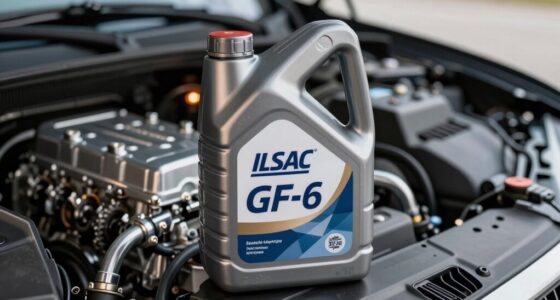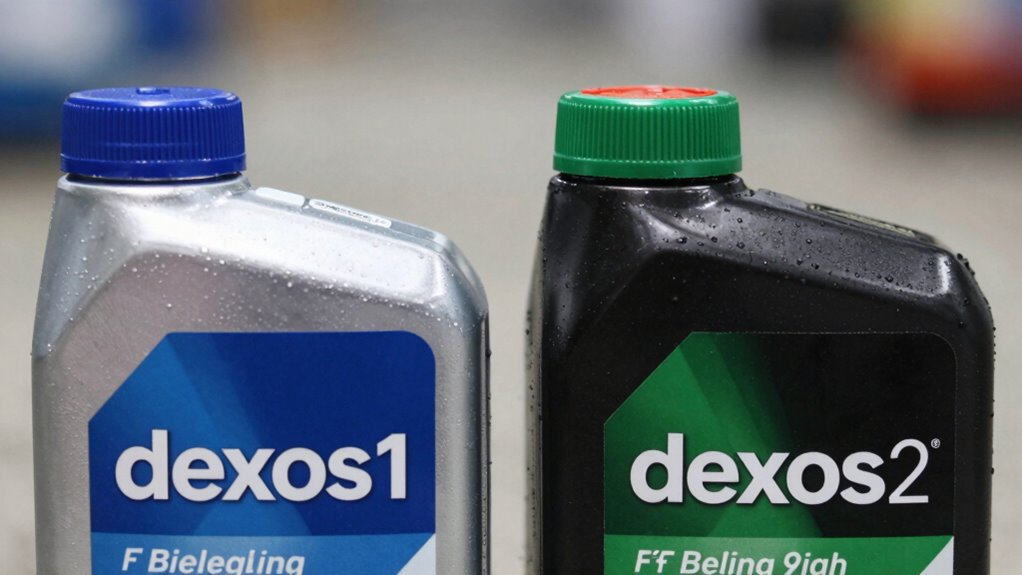

If you’re choosing between GM’s dexos1 and dexos2, consider your vehicle’s engine type and usage. dexos1 is designed mainly for gasoline engines in passenger cars, providing fuel efficiency and engine protection. dexos2 suits both gasoline and diesel engines, especially in heavy-duty or demanding conditions, offering better durability. To make the right choice, understand your engine’s needs and driving habits. Keep exploring to learn how each standard can boost your vehicle’s performance and longevity.

Get garage and car supplies delivered free — and shop member deals
- Fast, free delivery on millions of items
- Access to Prime Big Deal Days deals on October 6–7
- Prime Video, Amazon Music and more included
Key Takeaways
- dexos1 is designed mainly for gasoline engines, promoting fuel efficiency and engine cleanliness.
- dexos2 suits both gasoline and diesel engines, offering higher protection under demanding conditions.
- Choose dexos1 for standard passenger vehicles; opt for dexos2 for diesel engines or heavy-duty use.
- dexos2 provides better wear protection and deposit control in high-temperature, high-pressure environments.
- Correctly matching the oil standard to your engine type ensures optimal performance and engine longevity.
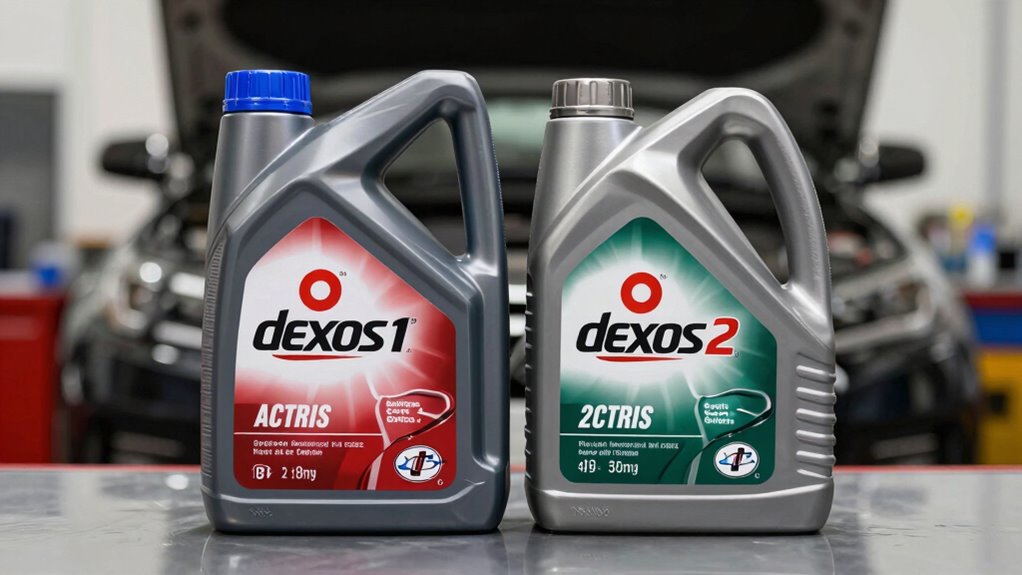
When choosing motor oil for your GM vehicle, understanding the differences between dexos1 and dexos2 is essential. These certifications aren’t just labels; they indicate that the oil meets specific standards set by GM for performance, protection, and efficiency. Knowing which one suits your vehicle can directly impact fuel efficiency and engine longevity, helping you get the most out of every mile.
Choosing between dexos1 and dexos2 is key for optimal GM engine protection and performance.
Dexos1 is primarily designed for gasoline engines, typically found in passenger cars and light trucks. It promotes better fuel efficiency by reducing friction within the engine, which helps your vehicle run smoothly and use less fuel. If your vehicle operates on gasoline, choosing dexos1 ensures you’re using oil that supports ideal combustion and reduces wear and tear. This can extend your engine’s lifespan, as the oil maintains its protective properties longer, even under demanding conditions. The formulation of dexos1 often includes advanced additives that prevent sludge build-up and corrosion, further enhancing engine longevity and keeping your vehicle reliable over time.
On the other hand, dexos2 caters to both gasoline and diesel engines, including some light commercial vehicles. It’s formulated to handle the higher temperatures and pressures associated with diesel engines, offering superior protection against deposits and wear. If you drive a diesel-powered GM vehicle, opting for dexos2 can improve fuel efficiency by maintaining cleaner injectors and combustion chambers, which leads to better engine performance. Plus, dexos2’s enhanced anti-wear properties help extend engine life, especially in vehicles subject to heavy-duty use or frequent towing. Its ability to withstand harsher conditions makes it a versatile choice for drivers who need a more robust oil that still promotes fuel savings and engine longevity. Additionally, the compatibility of dexos2 with a broader range of engines makes it suitable for mixed fleets or vehicles with varying needs.
Ultimately, your choice depends on your vehicle’s engine type and your driving habits. If you own a gasoline GM vehicle, dexos1 is typically the better fit, providing excellent fuel efficiency and protecting your engine over the long haul. If you have a diesel or a more demanding driving routine, dexos2 offers added resilience and the same benefits—keeping your engine cleaner, running smoother, and lasting longer. In either case, selecting the right oil based on these standards ensures you’re not just meeting manufacturer requirements but actively supporting your vehicle’s performance and durability. Remember, using the correct oil isn’t just about compliance; it’s about the health of your engine and saving money on fuel and repairs down the road. Proper oil selection also contributes to engine health, ensuring optimal operation and longevity.
As an affiliate, we earn on qualifying purchases.
Frequently Asked Questions
Can I Use dexos1 Oil in a Vehicle Requiring dexos2?
You shouldn’t use dexos1 oil in a vehicle requiring dexos2, as oil compatibility depends on certification standards. Dexos2 oils are formulated for newer engines and meet stricter requirements, so using dexos1 could cause insufficient protection or engine issues. Always check your vehicle’s manual and verify the oil you choose meets the proper certification standards for your engine. Using the correct oil helps maintain performance and longevity.
Are There Specific Engine Types Better Suited for dexos1 or dexos2?
You’re better off playing it safe when it comes to engine compatibility and vehicle specifications. Dexos2 suits diesel engines and vehicles that need higher temperature stability, making it ideal for turbocharged or heavy-duty engines. Dexos1 works well with gasoline engines, especially in passenger cars. Check your owner’s manual—using the right oil isn’t just a rule of thumb; it’s the key to keeping your engine running smoothly.
How Often Should I Change Oil With dexos1 Compared to dexos2?
You should change oil with dexos1 every 5,000 to 7,500 miles, depending on your driving habits and vehicle manufacturer recommendations. For dexos2, the maintenance intervals are similar, but some vehicles may benefit from slightly longer intervals up to 10,000 miles if using synthetic oil. Always check your owner’s manual for specific oil change frequency, and adjust based on driving conditions to keep your engine running smoothly.
Do dexos1 and dexos2 Oils Differ in Price Significantly?
Think of choosing motor oil like selecting a trusted map—some cost a bit more but guide you better. The price difference between dexos1 and dexos2 oils is usually minimal, making the value comparison clear: invest in the oil that suits your engine’s needs. While dexos1 might be slightly pricier, the overall cost difference isn’t significant, and both oils deliver quality, so your choice depends on your vehicle’s requirements.
Are There Regional Differences in the Availability of dexos1 and dexos2?
You’ll find regional availability of dexos1 and dexos2 varies due to market differences. In some areas, both oils are easy to find, while others may have limited options or focus on just one type. Market differences influence supply chains and consumer demand, so check local stores or online retailers to see which oil is readily available in your region. This way, you can choose the best fit for your vehicle.
GM dexos2 diesel engine oil 5W-40
As an affiliate, we earn on qualifying purchases.
As an affiliate, we earn on qualifying purchases.
Conclusion
Choosing between GM dexos1 and dexos2 might seem tricky, but it’s all about knowing what your engine needs. Remember, don’t put all your eggs in one basket—pick the oil that best suits your vehicle’s requirements. When in doubt, consult your owner’s manual or a trusted mechanic. By doing your homework now, you’ll save yourself headaches down the road. Sometimes, a little extra effort now pays off in the long run.
best synthetic oil for GM vehicles
As an affiliate, we earn on qualifying purchases.
As an affiliate, we earn on qualifying purchases.
heavy-duty engine oil for diesel engines
As an affiliate, we earn on qualifying purchases.
As an affiliate, we earn on qualifying purchases.
Halloween Picks
halloween
As an affiliate, we earn on qualifying purchases.