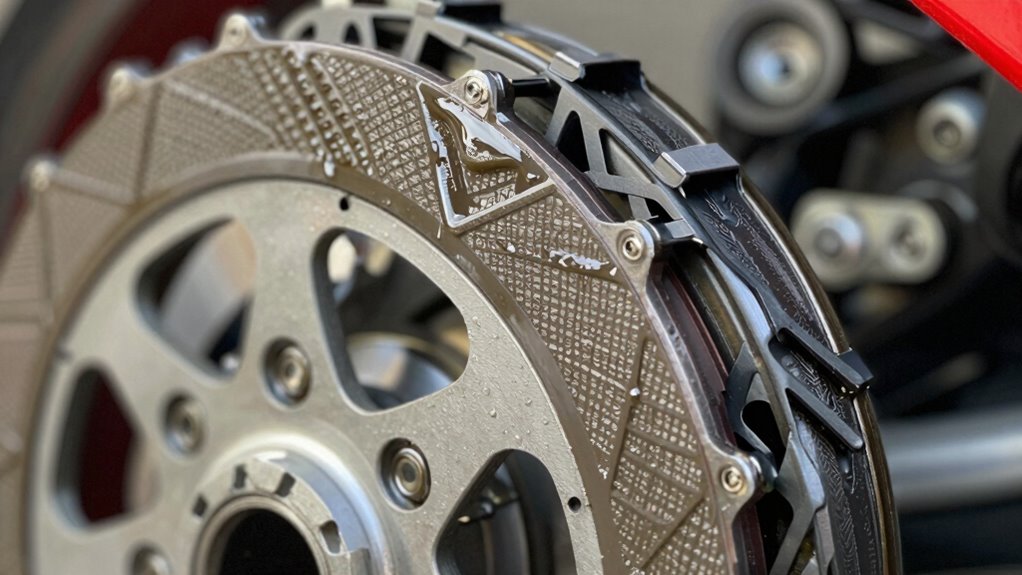

JASO MA and MA2 standards guarantee motorcycle oils have the right friction levels to keep wet clutches engaging smoothly without slipping. MA oils provide reliable performance for standard setups, while MA2 oils offer higher friction for modern, high-performance bikes. Choosing the correct type protects your clutch and improves performance. If you want to understand exactly how these standards affect your engine and find the best oil, there’s more to discover.
Key Takeaways
- JASO MA and MA2 are standards ensuring motorcycle oils provide appropriate friction for wet clutches.
- MA oils suit older or standard bikes; MA2 offers higher friction for modern, high-performance models.
- Using the correct JASO rating prevents clutch slippage and prolongs clutch life.
- Check your motorcycle’s manual to confirm if JASO MA or MA2 oil is required.
- Oils with friction modifiers or not labeled JASO MA/MA2 are incompatible and can cause clutch issues.

TRIAX XTerra 4T 10W-40 Full Synthetic For Motorcycles, ATVs, Quads & Snowmobiles | JASO MA2 & API P | True All Season | Race Ready (1 Gallon)
Complete OEM Compatibility: Compatible with Honda, Kawasaki, Yamaha, Bombardier, Arctic Cat, Can-Am, Polaris, Argo, Linhai, Suzuki, and many…
As an affiliate, we earn on qualifying purchases.
As an affiliate, we earn on qualifying purchases.
What Are JASO MA and MA2 Standards and Why Do They Matter?
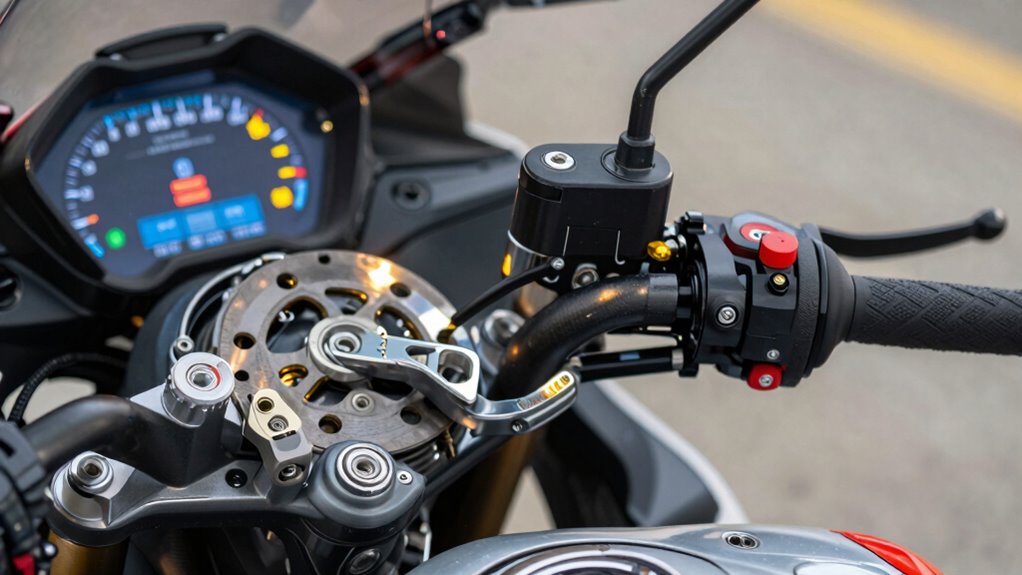
Have you ever wondered why motorcycle oils are labeled with JASO MA or MA2? These standards are essential because they guarantee the oil’s friction properties match what your wet clutch needs. JASO T 903:1998 first introduced these categories to prevent clutch slippage caused by incompatible oils. The MA standard provides reliable friction control, preventing your clutch from slipping during operation. In 2016, JASO introduced MA2, which offers higher friction levels for modern motorcycles that demand more grip. Both standards are developed by the Society of Automotive Engineers of Japan to guarantee oil compatibility with wet clutches, ensuring ideal performance and durability. Using the correct oil with the right standard helps you avoid clutch issues and extends your motorcycle’s lifespan. Additionally, understanding these standards is crucial for maintaining a free floating clutch system that operates smoothly over time.

Valvoline 4-Stroke Motorcycle Full Synthetic 10W-40 Motor Oil 1 Quart
Up to 10X better friction protection vs. JASO T903:2016 friction std. and up to 5X better wear protection…
As an affiliate, we earn on qualifying purchases.
As an affiliate, we earn on qualifying purchases.
How Do JASO MA and MA2 Oils Differ in Friction and Performance?
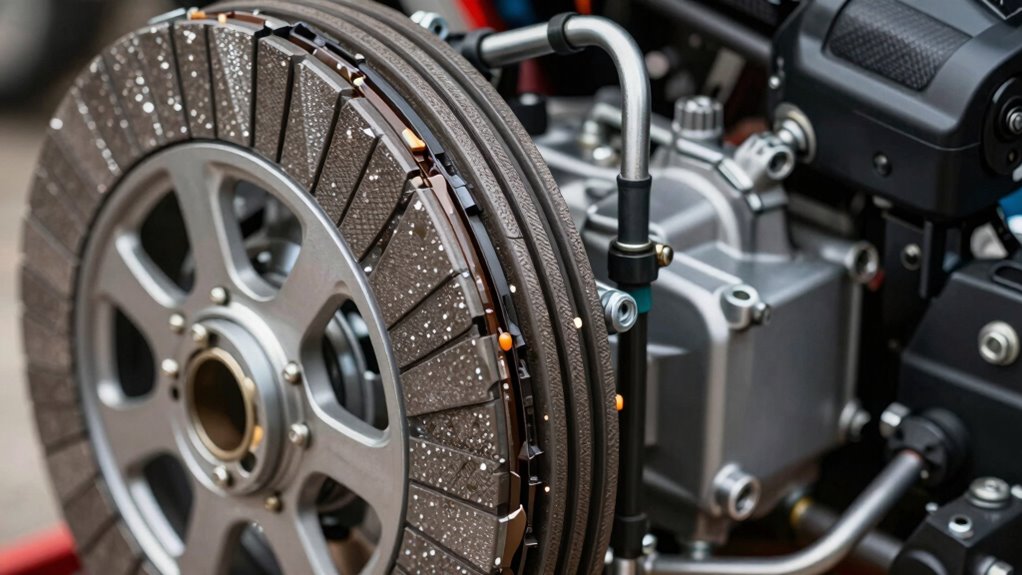
JASO MA and MA2 oils are designed to meet different friction performance levels, directly impacting how your clutch behaves during riding. MA oils provide adequate friction to prevent slipping in standard wet clutches, ensuring smooth engagement. MA2 oils, however, deliver higher friction, offering more grip and a more direct clutch feel. This increased grip results in less slip, which is especially beneficial for aggressive riding or high-performance motorcycles. In terms of performance, MA2 oils tend to produce a more immediate response from the clutch, making shifts feel sharper and more precise. While both oils meet wet clutch standards, MA2’s enhanced friction levels mean your clutch can handle more demanding conditions without slipping, giving you better control and confidence.

Lucas Oil 10767 High Performance Conventional SAE 10W-40 Motorcycle Oil – 1 Quart
Lower oil temperatures
As an affiliate, we earn on qualifying purchases.
As an affiliate, we earn on qualifying purchases.
Does Your Motorcycle Need JASO MA or MA2 Oil?
To determine whether your motorcycle needs JASO MA or MA2 oil, start by checking your owner’s manual, which specifies the recommended oil type for your engine’s wet clutch system. If it calls for JASO MA, it’s suitable for older or standard wet clutch setups. For newer bikes requiring higher performance, especially with modern features like catalytic converters, JASO MA2 is probably necessary. Recognizing the difference in performance between these oils can help you make a more informed choice for your motorcycle’s needs.
Remember:
- Always follow the manufacturer’s recommendation for ideal clutch performance.
- JASO MA suits traditional wet clutches with standard friction needs.
- JASO MA2 is better for modern motorcycles needing enhanced grip and protection.
Using the correct oil type guarantees your clutch operates smoothly and avoids slippage or damage.
Lucas Oil 10767 High Performance Conventional SAE 10W-40 Motorcycle Oil – 1 Quart
Lower oil temperatures
As an affiliate, we earn on qualifying purchases.
As an affiliate, we earn on qualifying purchases.
Which Motorcycles Require JASO MA or MA2 Oil?
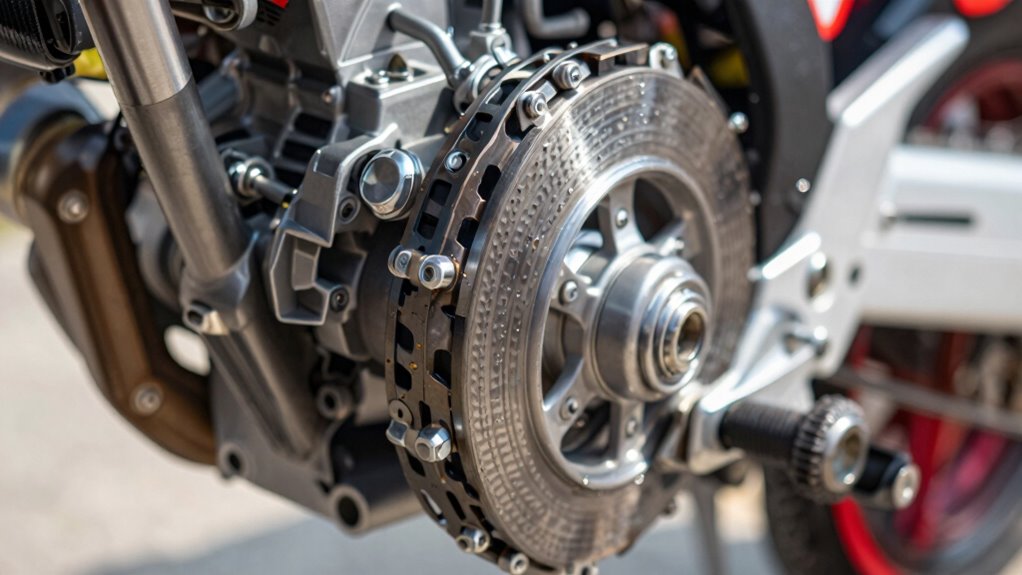
If you ride a motorcycle with a wet clutch system, understanding which oils are required is essential for peak performance. Most modern four-stroke motorcycles with integrated oil systems need JASO MA or MA2 oils to prevent clutch slippage and ensure proper operation. This includes sport bikes, naked bikes, cruisers, and dirt bikes designed for wet clutch use. If your motorcycle manual specifies JASO MA or MA2, you must use these oils to maintain clutch integrity and avoid damage. Bikes with traditional dry clutches or those using separate oil systems typically don’t require JASO MA/MA2 oils. Always check your motorcycle’s owner’s manual to confirm the recommended oil standard, as using incompatible oil can lead to clutch slippage and performance issues. Using the correct oil type is important because manufacturers recommend specific standards to optimize performance and prolong engine life.
How to Choose the Right Oil to Prevent Slippage and Ensure Compatibility?
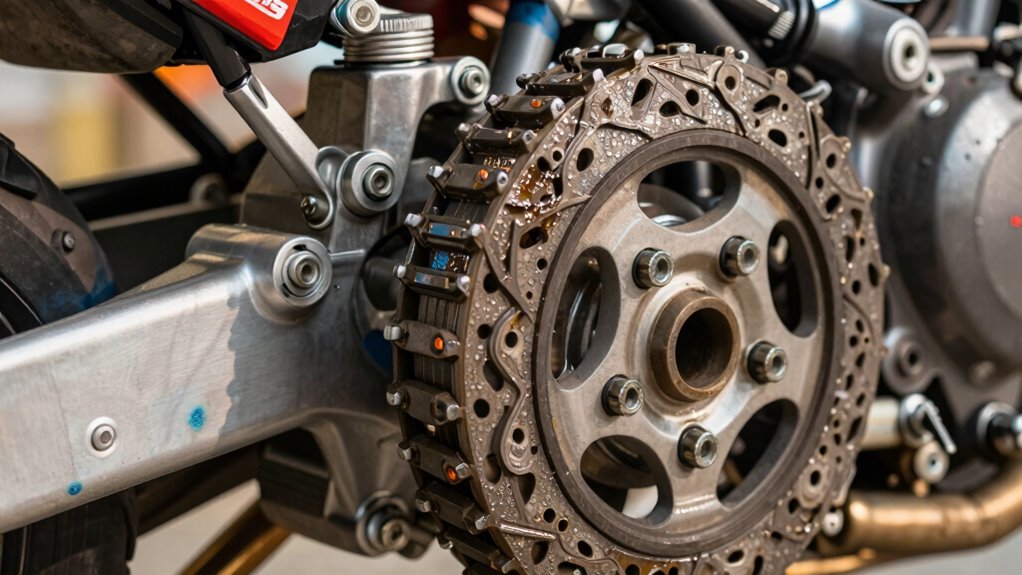
Choosing the right oil for your motorcycle is crucial to prevent clutch slippage and guarantee peak performance. To do this, always check your owner’s manual for the recommended JASO rating—either MA or MA2—based on your bike’s requirements. Look for oils labeled explicitly as JASO MA or MA2 to ensure compatibility. Avoid oils with friction modifiers, like those designed for cars or scooters with CVT, as they cause slippage. Focus on these key points:
Choose JASO MA or MA2 oils without friction modifiers for optimal motorcycle clutch performance.
- Confirm the oil’s JASO rating matches your motorcycle’s specs.
- Avoid oils with friction modifiers to prevent clutch slipping.
- Opt for synthetic or high-quality oils for better protection and performance.
- Consider the horsepower of your electric dirt bike to choose an oil that can handle the power output effectively.
Sticking to these guidelines helps maintain clutch integrity and ensures ideal operation.
Frequently Asked Questions
Can I Use JASO MA2 Oil on Older Motorcycles?
Yes, you can use JASO MA2 oil on older motorcycles with wet clutches. It offers higher friction performance, which can improve clutch feel and grip, especially if your bike is newer or has upgraded components. Just double-check your motorcycle’s manual to verify compatibility. Using MA2 may enhance performance, but avoid oils with friction modifiers like MB, as they can cause clutch slippage.
Are Synthetic JASO Ma/Ma2 Oils Better Than Mineral Oils?
Are synthetic JASO MA/MA2 oils better than mineral oils? Think of synthetic oils as the marathon runners of lubricants—faster, more durable, and capable of handling stress better. You’ll notice smoother clutch operation, improved protection, and better temperature stability. While they cost more, their advanced formulation keeps your engine cleaner and running efficiently longer. If you want peak performance and longevity, synthetic oils are a smart choice, especially for modern, high-performance bikes.
How Often Should I Change JASO Ma/Ma2 Motorcycle Oil?
You should change your JASO MA or MA2 motorcycle oil every 3,000 to 5,000 miles, or about every 6 months, whichever comes first. Regular oil changes keep your wet clutch functioning smoothly and protect your engine. Always check your motorcycle’s manual for specific recommendations, especially if you ride aggressively or in harsh conditions. Maintaining fresh oil ensures peak performance and longevity of your motorcycle’s clutch and engine components.
Is JASO Ma/Ma2 Oil Compatible With All Wet Clutch Bikes?
Yes, JASO MA and MA2 oils are compatible with most wet clutch bikes. You should check your motorcycle’s manual, though, because some models, especially hybrids or those with specific requirements, might need different oils. Stick to oils labeled JASO MA or MA2 to guarantee proper clutch performance and avoid slippage. Always choose the right oil to protect your engine and clutch components effectively.
What Signs Indicate My Clutch Oil Is Incompatible or Causing Slippage?
If your clutch oil is incompatible or causing slippage, you’ll notice the clutch feels less responsive or slips when you accelerate. You might hear slipping sounds, experience difficulty shifting gears, or notice a burning smell from the clutch area. The clutch lever could feel unusually light or heavy, and acceleration may feel inconsistent. These signs suggest your oil isn’t providing proper friction, so check if you’re using the correct JASO MA or MA2 oil.
Conclusion
Choosing between JASO MA and MA2 oils is like steering a delicate dance with your motorcycle’s wet clutch—each step must be precise to keep everything moving smoothly. Think of these standards as your bike’s secret language, whispering promises of ideal performance and protection. When you select the right oil, you’re tuning your machine’s symphony, ensuring the gears shift seamlessly and the ride stays fluid like a well-orchestrated masterpiece on the open road.