If you’re comparing VW 502 00 and 504 00 oils, you’ll notice that 502 00 generally supports shorter drain intervals, especially in older engines, due to its formulation focused on cleanliness and wear protection. VW 504 00 oils are designed for newer engines with complex emission systems and often allow longer maintenance intervals thanks to their advanced additive packages and lower ash content. Understanding these differences can help optimize your engine’s lifespan—stay tuned to learn more about how to choose the right one.
Key Takeaways
- VW 502 00 oils generally support longer drain intervals in older or less emission-intensive engines.
- VW 504 00 oils, designed for modern emission systems, often require shorter or more specific drain intervals.
- Using the correct oil standard ensures optimal oil performance, affecting how often you should change the oil.
- VW 504 00 may contain advanced additives for stricter emission compliance, influencing maintenance schedules.
- Incorrectly pairing oil standards with engine requirements can lead to shortened drain intervals and engine wear.
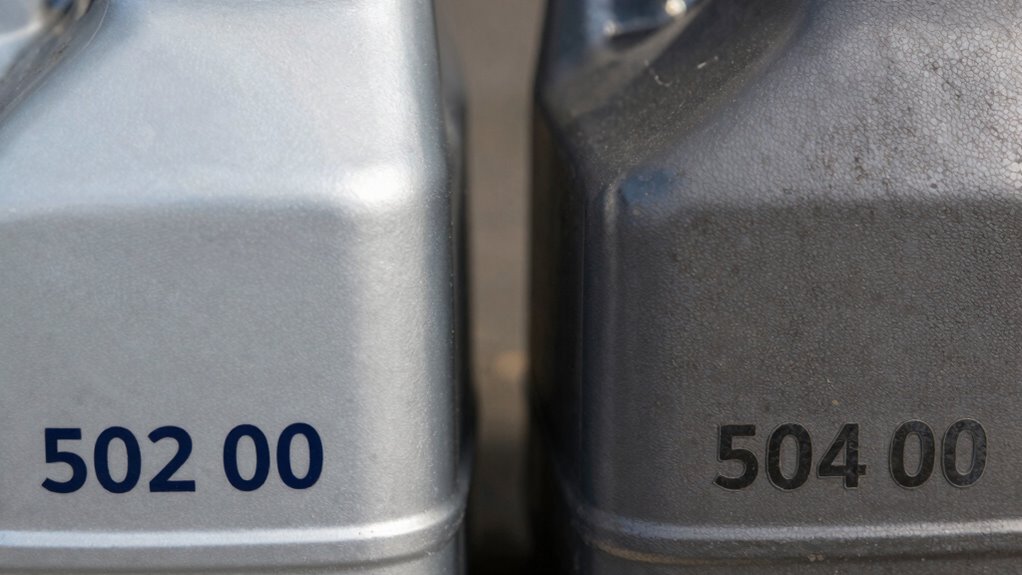
When choosing the right motor oil for your vehicle, understanding the differences between VW 502 00 and VW 504 00 is vital. Both standards are set by Volkswagen to guarantee excellent engine performance, but they serve different purposes and have specific requirements. One of the key aspects to consider is oil viscosity, which influences how well the oil flows at various temperatures. VW 502 00 typically calls for a 5W-30 viscosity, meaning the oil flows easily at cold start temperatures and maintains proper lubrication during operation. VW 504 00, on the other hand, often recommends a similar viscosity but is designed for newer engines that may require additional properties, such as lower ash content or improved fuel efficiency.
Understanding these differences in oil viscosity is vital because it influences your engine’s protection and efficiency. If your vehicle’s manufacturer specifies VW 502 00, using an oil with the appropriate viscosity guarantees that cold starts are smooth, and lubrication remains consistent across engine components. For VW 504 00, the focus is often on meeting stricter emission standards and improving fuel economy, which might involve using synthetic oils with specific viscosity grades tailored for modern engines. Always check your owner’s manual to confirm the recommended viscosity and guarantee compatibility with your vehicle’s engine.
Another critical factor is adhering to manufacturer specifications. VW 502 00 and VW 504 00 are not interchangeable without considering these specifications. VW 502 00 generally applies to a broad range of gasoline engines, emphasizing engine cleanliness, wear protection, and compatibility with catalytic converters. VW 504 00, however, is more suited for newer engines with complex emission systems and often requires oils formulated with advanced additive packages to meet these standards. Using the wrong standard can impact your engine’s longevity and may even void warranty coverage.
Furthermore, selecting oils that meet these standards can also influence the drain interval, helping you extend your service intervals when using compliant oils. When selecting oil, always verify that it complies with the specific Volkswagen specifications. This guarantees that the oil has been tested and certified to meet the engine’s demands. Manufacturers design these standards to enhance performance, reduce emissions, and extend service intervals, but only if you follow their guidelines. Improper oil viscosity or ignoring manufacturer specifications can lead to increased engine wear, poorer fuel efficiency, or premature failure.
In essence, understanding the importance of oil viscosity and manufacturer specifications helps you make a confident choice. Whether you opt for VW 502 00 or VW 504 00, ensuring the oil matches your engine’s needs will promote better performance and longevity. Always consult your vehicle’s manual and select oils that meet the precise standards set by Volkswagen to avoid pitfalls and keep your engine running smoothly.

Handheld Vacuum Cordless, Rechargeable Car Vacuum Cleaner with Multiple Attachments, Portable Hand Held Vacuum Suction Power, Mini Vacuum for Car, Home, Pet Hair, Office, Desk, Keyboards Black Silver
- Cordless, Portable Design: Easy to use anywhere
- Powerful Suction: Removes pet hair and debris effectively
- Large Capacity Battery: Supports fast charging and longer use
As an affiliate, we earn on qualifying purchases.
Frequently Asked Questions
Can VW 502 00 and 504 00 Oils Be Mixed Safely?
You can generally mix VW 502 00 and 504 00 oils, but it’s not ideal. Oil compatibility and additive differences may cause issues over time, reducing overall performance and protection. If you must blend them, do so carefully and consider changing the oil sooner. To guarantee peak engine health, it’s best to stick with one oil type and avoid mixing unless absolutely necessary.
Are There Specific Vehicles Better Suited for Each Oil Type?
Think of vehicle compatibility as a tailored suit—each car fits best with its specific oil formulation. You’ll find that VW 502 00 oils suit older models or those requiring longer drain intervals, while VW 504 00 oils are better for newer vehicles with advanced engine needs. Always check your vehicle’s manual to guarantee you choose the right oil for maximum performance and longevity, matching the right oil to your specific vehicle.
How Do Climate Conditions Affect Drain Intervals for These Oils?
Climate impact profoundly influences your drain frequency for these oils. In colder climates, you might extend drain intervals as engine stress is lower, but in hot, humid conditions, more frequent changes are necessary to prevent oil breakdown. High temperatures accelerate oil degradation, so monitor your vehicle’s performance and follow manufacturer recommendations to maintain engine health. Adjusting your drain intervals based on climate conditions guarantees ideal engine protection and efficiency.
What Are the Long-Term Effects of Exceeding Recommended Drain Intervals?
Imagine your engine’s health like a marathon runner’s stamina. If you ignore the long-term effects of exceeding recommended drain intervals, oil degradation accelerates, leading to sludge buildup and increased wear. This can cause long-term engine damage, reducing performance and lifespan. You risk costly repairs, so sticking to your vehicle’s recommended oil change schedule keeps your engine running smoothly and preserves its long-term health.
Do These Oils Require Special Disposal Procedures?
Yes, these oils do require special disposal procedures. You should follow proper disposal procedures by taking used oil to authorized recycling centers that handle oil recycling responsibly. Never pour used oil down drains or onto the ground, as it can harm the environment. Proper disposal helps guarantee environmental safety and complies with regulations, so always check local guidelines for specific instructions on disposing of engine oils safely.

Black+Decker, Dustbuster AdvancedClean Handheld Vacuum Cordless, Compact Home and Car Vacuum with Crevice Tool, Rotating Nozzle and Charging Station
- Brand: #1 in hand vacs
- Cordless Design: Portable, rechargeable, lightweight
- Multi-surface Use: Cleans hair, dirt, pet hair, debris
As an affiliate, we earn on qualifying purchases.
Conclusion
So, there you have it—comparing VW 502 00 and 504 00 is like choosing between a superhero and a legend. Both keep your engine running smoother than ever, but 504 00 takes the crown with longer drain intervals and unbeatable protection. If you want your engine to thank you with unstoppable power and legendary durability, go for 504 00. Trust me, once you see the difference, you’ll never settle for anything less!

MONOZEL Car Vacuum Portable Cordless, 18000Pa 2 in 1 Vacuum Cleaner&Air Duster, 130W Brushless Motor Handheld Vacuum Cordless with 7800mAh Battery, LED Light, Multi-Nozzles for Car, Home, Office, Pet
- Powerful Suction and Blowing: 18000PA vacuum and air duster functions
- High-Speed Brushless Motor: 130W motor with 115000RPM speed
- Quiet Operation: Noise level ≤85dB
As an affiliate, we earn on qualifying purchases.
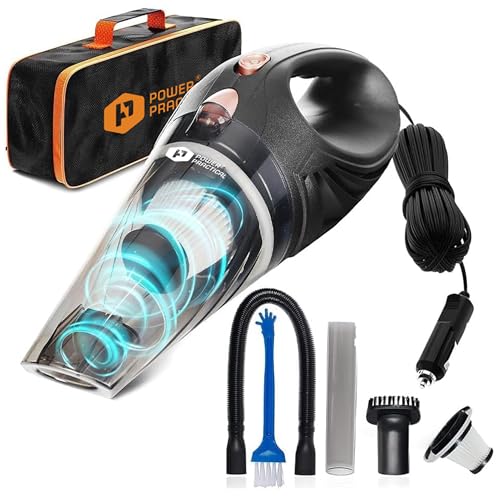
ThisWorx Handheld Car Vacuum, Portable Car Vacuum Cleaner with 16Ft Cord
- Compact and Lightweight: Weighs 2.4 lbs for easy handling
- Large Dust Bin Capacity: Handles ash, dust, and spills easily
- Ergonomic Design: Houses a complete interior detailing kit
As an affiliate, we earn on qualifying purchases.