
Assuming any ATF will work just because it’s labeled compatible can lead to serious transmission damage and costly repairs. Mismatched viscosity and friction profiles can cause delayed shifts, shuddering, or slipping, while using universal fluids may lack the necessary additives designed for your specific model. To avoid these issues, it’s essential to verify OEM specifications and match the proper fluid exactly. Find out more to guarantee your transmission stays smooth and reliable.

Get business pricing on garage and car supplies
- Business-only prices and quantity discounts
- Tax-exempt purchasing
- Multiple users, one account, clear invoices
Key Takeaways
- Using ATF that isn’t OEM-approved can cause friction profile mismatches, leading to harsh shifts or slipping.
- “Close enough” viscosity may degrade over shear and heat, impairing lubrication and shift quality.
- Mismatched friction modifiers increase shudder risks, accelerating transmission wear and potential failure.
- Universal or generic ATF often lacks specific additive packages required for your transmission, risking damage.
- Proper verification of OEM part numbers and specifications is essential to prevent costly transmission repairs.
OEM approved automatic transmission fluid
As an affiliate, we earn on qualifying purchases.
As an affiliate, we earn on qualifying purchases.
Why Using the Wrong ATF Can Damage Your Transmission
Using the wrong automatic transmission fluid (ATF) can cause serious damage to your transmission because different fluids have unique friction properties, additives, and viscosities tailored to specific models. When you use an incompatible fluid, it can disrupt the delicate balance necessary for smooth shifting and proper lock-up. A fluid with too high or too low viscosity may cause delayed engagement, harsh shifts, or slipping. Mismatched friction modifiers can lead to shuddering or grabbing, while improper additives can cause overheating or varnished valves. Over time, these issues result in increased wear, thermal degradation, and even transmission failure. Always verify the OEM specifications before choosing a fluid to prevent costly repairs and ensure your transmission operates reliably. Understanding content formats can help you better interpret manufacturer recommendations and ensure proper fluid selection.
vehicle-specific ATF transmission fluid
As an affiliate, we earn on qualifying purchases.
As an affiliate, we earn on qualifying purchases.
How to Check OEM Specs Before Choosing Transmission Fluid
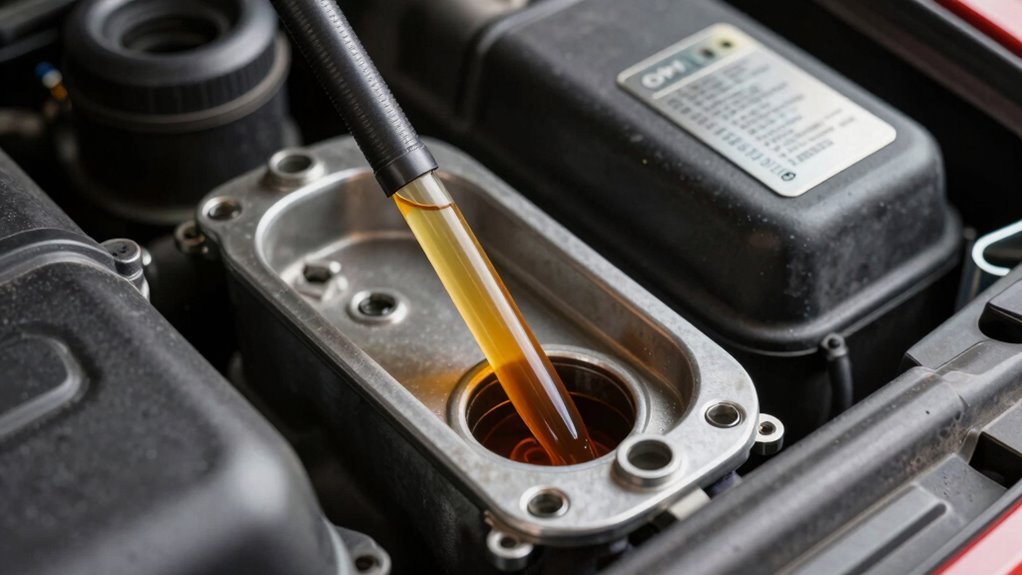
To make certain you select the right transmission fluid, start by verifying the OEM part number for your vehicle. Next, check the transmission code in your owner’s manual or on the vehicle itself to confirm the exact specifications. Finally, cross-reference this information with the manufacturer’s documentation or TDS to pick a compatible fluid that matches OEM standards. Additionally, ensure that the transmission system is free from Free Floating issues that could affect fluid performance.
Verify OEM Part Number
Verifying the OEM part number is a crucial step before selecting transmission fluid because it guarantees compatibility with your vehicle’s specific transmission. Start by checking your vehicle’s owner’s manual or service records for the exact part number. You can also locate the transmission’s identification label, usually found on the transmission case or near the oil pan, which lists the OEM part number. Cross-check this number with manufacturer databases or trusted parts suppliers to ensure you’re sourcing the correct fluid. Using the wrong part number can lead to mismatched fluid properties, causing shift issues, increased wear, or damage. Always confirm that the part number matches the OEM specifications before purchasing any transmission fluid to avoid costly mistakes. Additionally, understanding the correct fluid type for your system helps maintain optimal transmission performance and longevity.
Check Transmission Code
How can you guarantee you’re choosing the correct transmission fluid for your vehicle? The key is to check your transmission code. Start by consulting your owner’s manual or service manual to find the exact transmission model number and code. This code indicates the specific specifications your transmission requires. Look for labels or tags on the transmission itself, often located on the transmission pan or near the bellhousing, which display the transmission code. Cross-reference this code with OEM documentation or manufacturer databases to determine the precise fluid type, viscosity, and additive package needed. Don’t rely on generic labels or assumptions—using the right transmission code assures compatibility, prevents shifting issues, and maintains transmission longevity. Always verify before buying any transmission fluid. Additionally, understanding large number conversions can help interpret technical data or specifications more effectively.
transmission fluid cross-reference kit
As an affiliate, we earn on qualifying purchases.
As an affiliate, we earn on qualifying purchases.

Viscosity mismatches can quietly cause transmission issues like delayed shifts, harsh engagement, or shuddering. When the fluid’s viscosity isn’t aligned properly, shear and thermal effects can degrade performance over time. Recognizing these symptoms early helps prevent long-term damage and ensures smooth operation. Additionally, maintaining proper fluid balance is essential for ongoing transmission health.
Viscosity and Shift Quality
Have you ever wondered how subtle differences in transmission fluid viscosity can cause noticeable shift issues? Even slight mismatches can lead to delayed engagement, harsh shifts, or slipping. When the viscosity is too high, the fluid resists flow, causing sluggish shifts and poor pressure control. Conversely, if the viscosity is too low, the fluid becomes overly slick, resulting in delayed or soft shifts, or even converter shudder. These issues often stem from using an ATF that doesn’t match the OEM’s specified viscosity, especially with newer ultra-low viscosity fluids designed for modern transmissions. Maintaining proper viscosity ensures best friction, pressure, and torque transfer, directly impacting shift quality. Always check your vehicle’s manual and use the recommended fluid to avoid these problems and preserve transmission longevity.
Shear and Thermal Effects
Shear forces and thermal effects silently undermine transmission fluid performance, often causing hidden issues that lead to shifting problems and component wear. As the transmission operates, high shear rates break down the fluid’s viscosity, reducing its ability to lubricate and maintain proper friction. Elevated temperatures accelerate this process, causing oxidation and varnish buildup that clog valves and passages. Additionally, the use of electric dirt bikes with high horsepower and demanding riding conditions can further stress transmission fluids, making proper maintenance even more critical. Consider these key effects: 1. Shear thinning lowers viscosity, resulting in delayed engagement and slipping. 2. Thermal degradation weakens additives, compromising friction control. 3. Viscosity mismatches from shear and heat cause inconsistent shifts and increased wear. Monitoring fluid viscosity and staying within OEM specifications helps prevent these silent failures. Proper fluid management guarantees your transmission’s longevity and reliable performance.
Mismatch Symptoms and Risks
When transmission fluid viscosity deviates from its specified range, it can silently cause a range of shifting issues that are often mistaken for mechanical faults. A mismatch can lead to delayed engagement, slipping, or harsh shifts, making your transmission feel inconsistent. Overly thin fluids reduce friction, causing flare-ups, poor pressure modulation, and converter shudder. Conversely, too thick fluids can cause grabby shifts, sluggish responses, and increased heat buildup. These symptoms compromise drivability and accelerate wear, risking costly repairs. Shear, oxidation, or incorrect fluid choices alter viscosity over time, hiding these issues. Recognizing these signs early and ensuring proper viscosity match helps maintain smooth shifting, prolongs transmission life, and prevents expensive failures. Proper fluid selection based on OEM specs is essential to avoid these hidden risks. Viscosity consistency plays a crucial role in maintaining optimal transmission performance and avoiding costly repairs.
transmission fluid OEM part number verification
As an affiliate, we earn on qualifying purchases.
As an affiliate, we earn on qualifying purchases.
Signs Your Transmission Fluid Might Be Incompatible
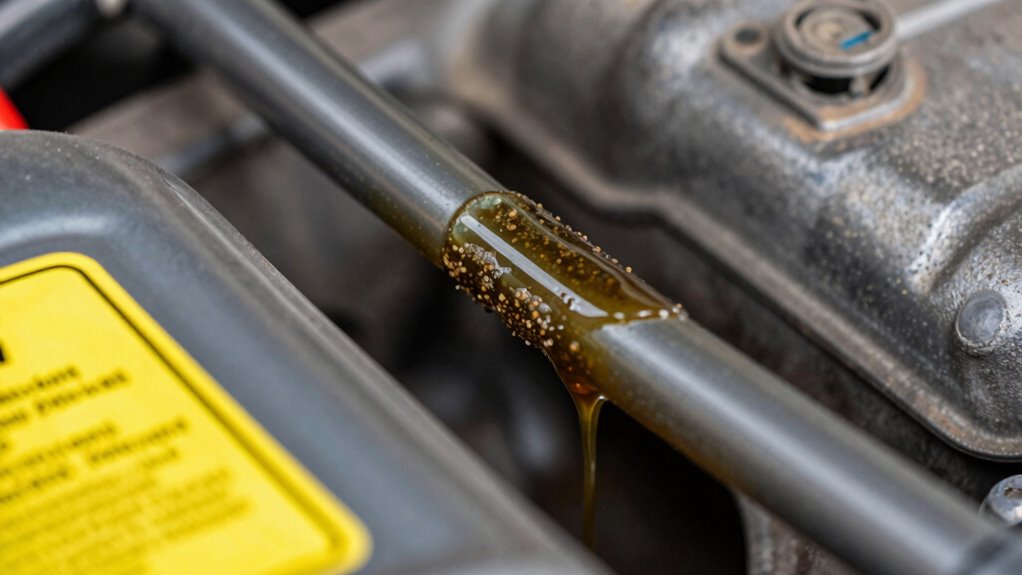
Incompatibility between your transmission fluid and your vehicle’s transmission can quickly lead to noticeable issues. If your fluid isn’t the right match, you might experience:
- Delayed or Sluggish Shifts: The transmission may hesitate or shift harshly due to improper friction properties.
- Strange Noises or Shuddering: You could feel vibrations or hear banging during shifts, indicating poor pressure regulation.
- Overheating and Increased Pan Temps: Wrong fluid can cause thermal degradation, raising operating temperatures and risking damage.
- Disrupted Emotional Skills and building stronger relationships, can also hinder your ability to recognize and respond to signs of incompatibility effectively.
These signs point to incompatible fluid disrupting transmission performance. If you notice any of these, don’t ignore them—using the correct, OEM-approved fluid is essential to keep your transmission healthy and functioning smoothly.
Risks of Using Universal ATF and Why It Can Cost You More
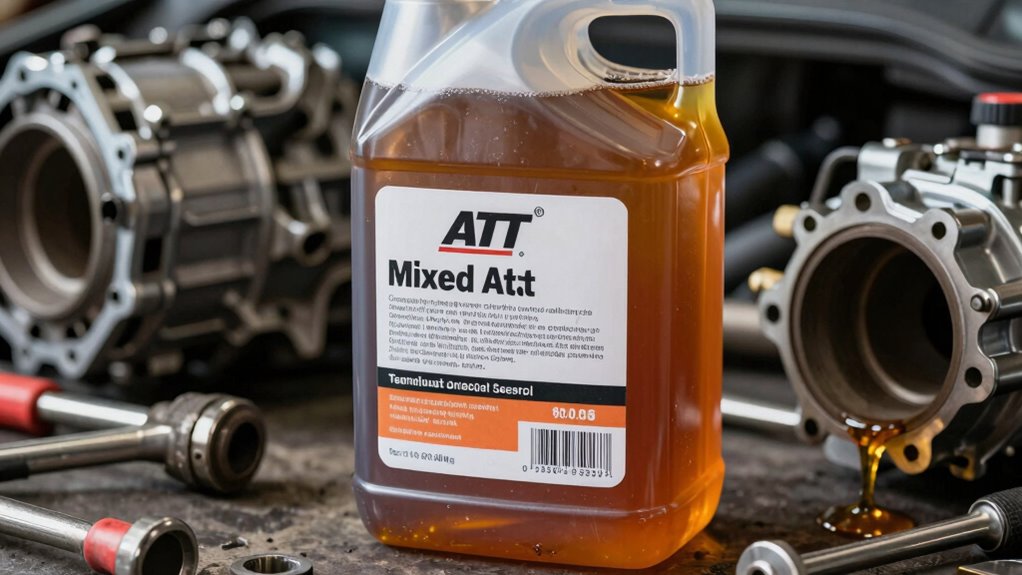
Using universal ATF might seem like a convenient and cost-effective solution, but it often poses significant risks to your transmission’s health. These fluids typically don’t match OEM-specific friction profiles, leading to issues like light-throttle shudder or harsh shifts. They lack the proper additive packages needed for your transmission, which can cause increased wear, varnished valves, and even early failure. Viscosity mismatches can result in delayed gear engagement, aeration, and overheating. Using the wrong fluid may also compromise lock-up performance and cause thermal degradation, raising pan temperatures and accelerating fluid breakdown. Additionally, improper fluids can interfere with the proper functioning of body jewelry, leading to inflammation or irritation in sensitive areas. Ultimately, opting for a universal ATF might save money upfront but can cost you much more in repairs, rebuilds, and shortened transmission lifespan over time.
Step-by-Step: How to Match ATF to Your Transmission Properly
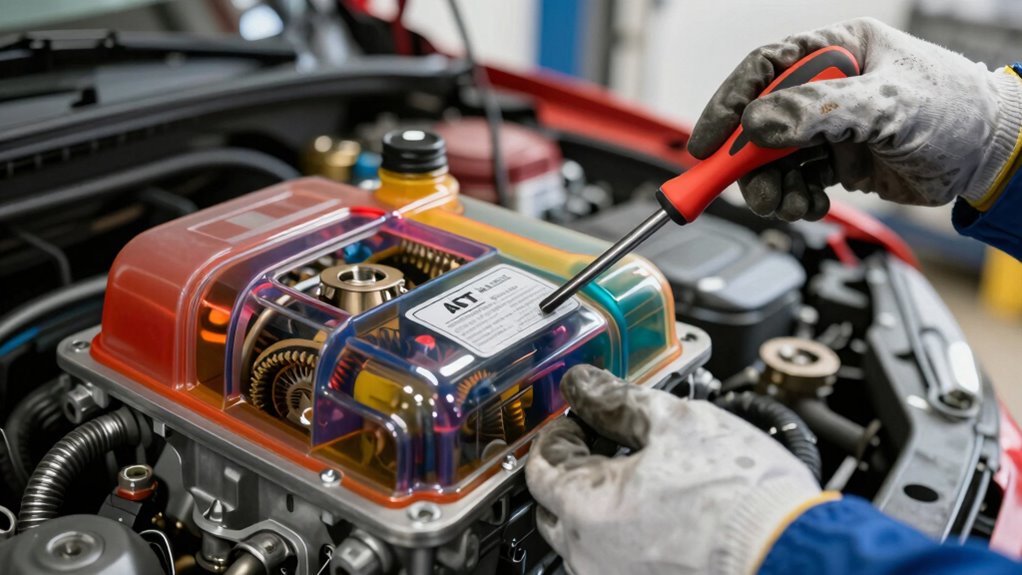
To properly match ATF to your transmission, start by consulting the vehicle’s owner’s manual or OEM service documentation to identify the exact fluid specification required. Once you have that, follow these steps:
- Cross-reference the OEM spec with the transmission’s VIN and code to confirm the right fluid.
- Check the TDS for viscosity, friction profile, and temperature requirements to make certain of compatibility.
- Use only licensed or explicitly approved fluids, especially for service intervals around 50-60K miles.
- Remember that using the correct ATF properly maintains your transmission’s performance and longevity.
Avoid guessing or mixing fluids. Stick to OEM recommendations or approved equivalents. Using the correct ATF ensures proper shifting, prevents damage, and maintains transmission longevity. Always verify before filling or topping off.
Why Viscosity and Friction Profiles Matter When Picking ATF

Choosing the right ATF isn’t just about matching the OEM part number; it’s about ensuring the fluid’s viscosity and friction profile align with your transmission’s specific needs. Viscosity affects how well the fluid lubricates and maintains hydraulic pressure, impacting shift quality and wear. Too thick, and it can cause delayed engagement or sluggish shifts; too thin, and it may lead to harsh shifting or slip. The friction profile determines how the fluid interacts with clutch packs and valves, affecting smoothness and durability. An incompatible friction additive can cause shudder, chatter, or early failure. Modern fluids often have reduced viscosity for efficiency, but if they don’t match your transmission’s requirements, you risk drivability issues and expensive repairs. Always verify viscosity and friction profiles against manufacturer specifications. Understanding transmission fluid is essential for proper maintenance and avoiding costly errors.
How OEMs Specify and Approve Their Transmission Fluids
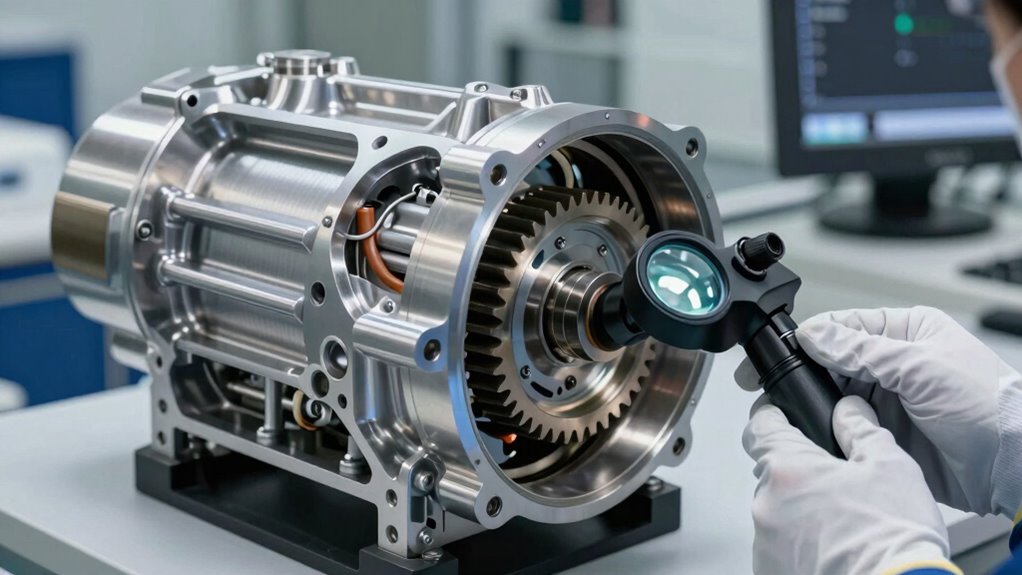
OEMs rigorously specify and approve their transmission fluids through a thorough process that includes detailed testing and validation. They guarantee each fluid meets strict performance criteria before approval. This process involves:
- Viscosity Matching: Checking viscosity at 40°C and 100°C to ensure compatibility with transmission components and prevent issues like delayed engagement or valve varnishing.
- Friction Profile Testing: Confirming that the fluid’s friction characteristics match OEM requirements for smooth shifting and lock-up performance.
- Additive Certification: Verifying that additives support proper wear protection, thermal stability, and compatibility with existing transmission materials.
Additionally, fluid formulation is closely scrutinized to prevent long-term operational issues. Only fluids that pass all tests receive OEM approval, ensuring reliable operation and avoiding costly failures. This meticulous process prevents compromises that could lead to drivability issues or damage.
Best Practices to Keep Your Transmission Running Smoothly
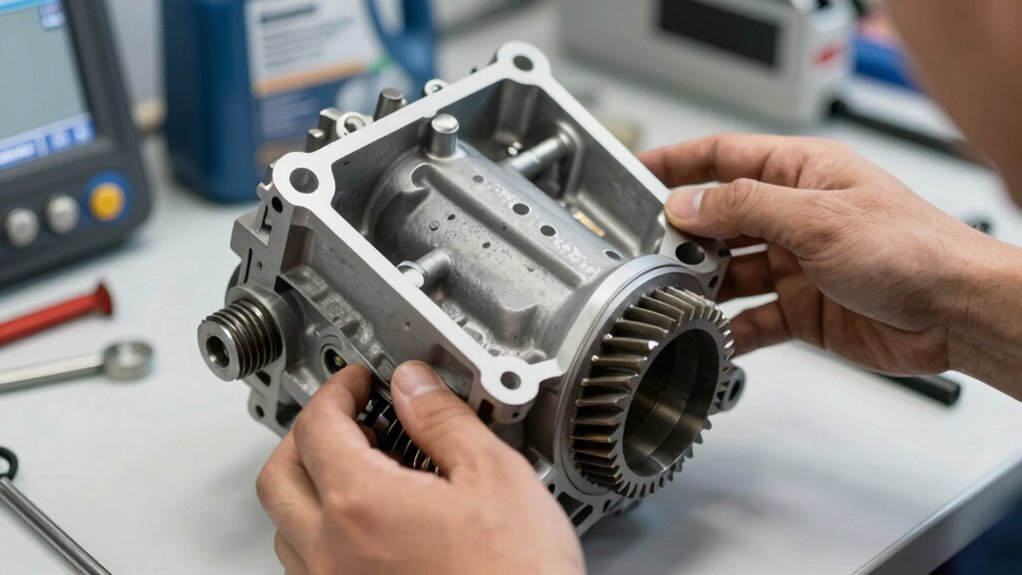
Maintaining proper transmission fluid is key to guaranteeing smooth operation and longevity. Always use the exact OEM-specified ATF for your vehicle, confirmed through your owner’s manual, VIN, or transmission code. Avoid universal or aftermarket fluids unless explicitly approved; these often lack the correct friction modifiers and viscosity. Check the fluid’s viscosity at 40/100°C to ensure it matches OEM standards, especially for newer ultra-low viscosity fluids. Regularly inspect the fluid level and condition—discoloration or burnt smell signals a need for replacement. Change your transmission fluid at manufacturer-recommended intervals, typically every 50,000 to 60,000 miles, using a licensed or approved product. Proper matching and routine maintenance prevent shift issues, reduce wear, and extend your transmission’s lifespan.
Frequently Asked Questions
Can I Mix Different Brands of ATF Safely?
You shouldn’t mix different brands of ATF, as it can cause compatibility issues and lead to transmission problems. Each brand often has unique additive packages and friction profiles that aren’t interchangeable. Mixing fluids may result in shift flare, harsh shifts, or even transmission failure. Always check your vehicle’s manual for the recommended OEM fluid, and use only approved, licensed fluids to guarantee proper performance and longevity.
How Often Should I Check My Transmission Fluid Viscosity?
You should check your transmission fluid viscosity every 30,000 to 50,000 miles or during regular maintenance. For example, a driver noticed rough shifting and delayed engagement after 40,000 miles. A quick viscosity check revealed the fluid had thinned below OEM specs. Regular checks help catch issues early, preventing costly damage. Use the right tools and follow the manufacturer’s guidelines for accurate readings and ideal transmission health.
Is Universal ATF Approved for My Specific Transmission Model?
You shouldn’t assume universal ATF is approved for your transmission. Always check your vehicle’s manual for the exact OEM specifications. Cross-reference the fluid’s viscosity, friction properties, and licensing status with the manufacturer’s recommendations. Using the wrong fluid can cause shift issues, overheating, or even transmission failure. Stick to licensed, approved fluids designed specifically for your transmission to guarantee durability and peak performance.
What Are the Risks of Using Older ATF Formulations?
Using older ATF formulations risks causing shift flare, harsh shifts, or converter shudder. These issues happen because the friction and additive packages no longer align with your transmission’s requirements, leading to poor pressure modulation, overheating, or thermal degradation. You might also experience drivability problems or even transmission failure if incompatible fluids are used. Always check your vehicle’s manual and use OEM-approved fluids to guarantee proper function and avoid costly repairs.
How Do I Verify if My Transmission Fluid Meets OEM Specifications?
To verify if your transmission fluid meets OEM specifications, first check your vehicle’s manual for the exact fluid type. Then, review the Technical Data Sheet (TDS) for viscosity, friction properties, and additive details. Confirm the fluid’s license or approval status and match it to OEM requirements. Always make certain the fluid’s viscosity, especially at 40/100°C, aligns with specifications, and use licensed, approved products to avoid drivability issues.
Conclusion
Choosing the right ATF is like fitting a puzzle piece perfectly—you’ll avoid costly damage and keep your transmission running smoothly. Don’t settle for “close enough,” because that’s when problems slip in unnoticed. Take the time to check OEM specs and understand viscosity ratings. When you match the right fluid, you’re steering your vehicle clear of expensive repairs, ensuring your transmission stays a well-oiled machine instead of a ticking time bomb.
Halloween Picks
halloween
As an affiliate, we earn on qualifying purchases.