
Shift flares and harsh shifts are often caused by poor transmission fluid, especially if it’s dark, burnt, or low in level. Fresh, clean fluid maintains proper hydraulic pressure, ensuring smooth shifts. However, fluid condition isn’t the only factor—mechanical parts or electronic issues can also cause these symptoms. To better understand what might be affecting your vehicle, keep exploring how fluid and other problems can influence shifting performance.
Key Takeaways
- Poor or degraded transmission fluid can cause shift flares, harsh shifts, and delayed engagement due to reduced hydraulic pressure.
- Dark, burnt, or contaminated fluid indicates deterioration that may contribute to shifting irregularities.
- Regular fluid checks and replacements help prevent fluid-related shift issues but may not resolve mechanical or electronic faults.
- Fluid condition explains some symptoms but cannot account for problems caused by worn clutch components, valve body failures, or sensor issues.
- Addressing shift flares and harsh shifts requires comprehensive diagnosis beyond fluid condition, including mechanical and electronic system checks.

Transmission Service Kit: 6L ATF (Blue), Filter, Gaskets, Pan Bolts (without pump) for Mercedes 2011-2017 Select Models
If any item is missing from the kit, please contact us directly and we will ship it ASAP!
As an affiliate, we earn on qualifying purchases.
As an affiliate, we earn on qualifying purchases.
How Transmission Fluid Causes Shift Flares and Harsh Shifts
Transmission fluid plays a crucial role in ensuring smooth gear shifts by providing the hydraulic pressure needed to engage and disengage clutches properly. When the fluid level drops or it becomes contaminated, hydraulic pressure decreases, causing shift flares and harsh shifts. Low fluid makes clutches slip, delaying engagement and causing RPM spikes during shifts. It can also lead to rough, jolting gear changes because the fluid can’t provide consistent pressure. Overheating or degraded fluid worsens these effects, making shifts more abrupt and unresponsive. Contaminants or burnt fluid reduce lubrication and hydraulic efficiency, exacerbating problems. Regularly checking and maintaining proper fluid levels and quality helps prevent these symptoms. Adequate, clean transmission fluid ensures the hydraulic system functions smoothly, promoting comfortable and reliable shifting.

Transmission Fluid Tester Kit Gasoline & Diesel Gearbox Oil Diagnostic Tool High-Precision Diagnostic Analysis Tool with 31.5in Probe Transmittance/Temperature Testing, 2.8in Display (4 Batteries)
【WHY NEED IT】Our transmission fluid tester features an advanced optical probe that measures light transmittance within the transmission…
As an affiliate, we earn on qualifying purchases.
As an affiliate, we earn on qualifying purchases.
Recognizing Symptoms of Transmission Fluid Problems

Recognizing symptoms of transmission fluid problems is essential for maintaining your vehicle’s performance and preventing costly repairs. Common signs include shift flares, harsh shifts, slipping gears, and delayed engagement. You might notice a burning smell or dark, burnt fluid during checks. Unusual noises like grinding or roaring also indicate fluid issues. Keep an eye on the fluid level and condition regularly to catch problems early. Monitoring fluid quality can help prevent more serious transmission damage over time.

Yokoma Auto Transmission Flush Machine Fluid Oil Exchange Cleaning and Replacement Machine for Automatics 70W 5.3gal*2
【Dual Oil Tanks & Powerful Pump】This automatic transmission flush machine boasts dual 5.3-gallon tanks for storing both fresh…
As an affiliate, we earn on qualifying purchases.
As an affiliate, we earn on qualifying purchases.
What Low or Degraded Transmission Fluid Means for Your Shifting
When your transmission fluid is low or degraded, it directly impacts how smoothly your vehicle shifts gears. Reduced fluid levels mean less hydraulic pressure, causing your transmission to struggle with engaging gears properly. You might notice delayed shifts, gear slippage, or even flare-ups where RPMs spike unexpectedly. Degraded fluid loses its lubricating and cooling properties, leading to increased friction and heat, which can cause harsh shifts or shuddering. Over time, this can wear out internal components faster and increase the risk of overheating. Low or poor-quality fluid also hampers the transmission’s ability to respond promptly, making your driving experience feel rough or jerky. Addressing fluid issues promptly helps maintain smooth, reliable shifts and prevents further damage to your transmission system. Proper fluid condition is also essential for supporting caregivers’ emotional well-being, as vehicle troubles can cause stress and anxiety.

Valvoline MaxLife Multi-Vehicle ATF Full Synthetic Automatic Transmission Fluid 1 Gallon
For use in 95% of vehicles including most CVTs in operation with US registered light duty applications
As an affiliate, we earn on qualifying purchases.
As an affiliate, we earn on qualifying purchases.
Causes of Shift Issues Beyond Fluid: What Else Could Be Wrong?

While low or degraded transmission fluid is a common cause of shifting problems, other issues can also disrupt smooth gear changes. One major factor is a faulty transmission control module (TCM), which manages shift timing and can malfunction due to electrical problems or software glitches, causing unexpected shifts or stuck gears. Worn or damaged sensors, such as speed sensors or pressure sensors, can send incorrect signals, leading to rough or delayed shifts. Mechanical problems like worn clutches, damaged bands, or broken valve bodies also interfere with proper engagement. Additionally, electrical wiring issues or poor connections can disrupt communication within the transmission system, causing shifting irregularities that aren’t related to fluid condition. Regular inspection of body jewelry measurements and materials can help prevent complications that might indirectly affect transmission components. Identifying these problems often requires a detailed diagnosis beyond fluid checks.
How to Check Your Transmission Fluid and What to Look For
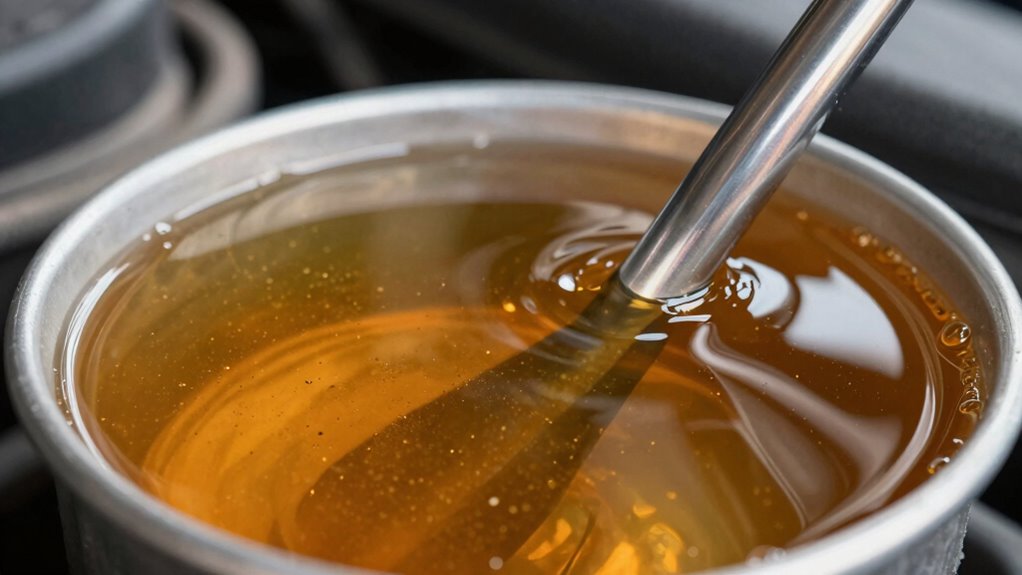
Checking your transmission fluid is a straightforward process that can help you spot potential problems early. Start by parking on a level surface and engine warm. Open the hood, locate the transmission dipstick, and pull it out. Wipe it clean with a rag, then reinsert and pull it out again to check the level. Look for these signs:
Check your transmission fluid on a level surface with the engine warm; look for color, smell, debris, and level.
- Bright red color indicating fresh fluid
- Dark, brown, or black fluid signaling contamination
- A burnt smell suggesting overheating
- Clumps or debris indicating fluid breakdown
- Low fluid level, even after topping off
Ensure the fluid reaches the recommended level on the dipstick. If it’s low or shows signs of degradation, consider a fluid change or professional inspection to prevent shift issues. Regularly checking fluid condition is an important early warning sign for transmission health.
The Importance of Fluid Quality and Regular Maintenance
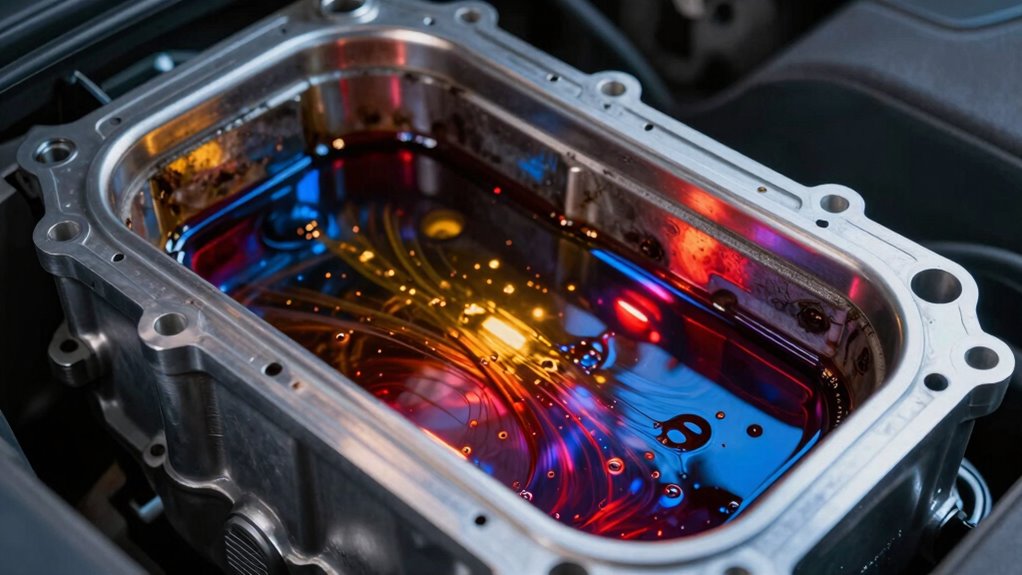
Maintaining high-quality transmission fluid and following a regular maintenance schedule are essential for preventing shift flares and harsh shifts. Fresh, clean fluid guarantees proper hydraulic pressure, allowing your transmission to shift smoothly and respond promptly. Regular fluid checks help you catch low levels or contamination before they cause problems. Over time, fluid degrades from heat, friction, and contaminants, losing its viscosity and lubricating properties. This can lead to slipping, delayed engagement, and harsh shifting. By replacing the fluid at recommended intervals, especially in hot climates like Arizona, you preserve its thermal stability and hydraulic performance. Using quality transmission fluid also prevents breakdowns and reduces wear on internal components, keeping your transmission operating reliably for longer. Fluid condition is a critical factor in transmission health, and neglecting it can lead to costly repairs. Consistent maintenance is the key to smooth, trouble-free shifting.
When to Investigate Other Causes for Shifting Problems
Even if your transmission fluid is in good condition and properly maintained, shifting problems can still occur due to causes beyond fluid quality. When issues persist despite fresh fluid, it’s time to look elsewhere. You might notice:
- Unresponsive or stuck gears, indicating electronic or sensor faults.
- Unusual noises like whining or grinding unrelated to fluid condition.
- Unexpected shifting behavior, such as sudden downshifts or slips.
- Trouble with the transmission control module (TCM) or solenoid malfunctions.
- Persistent warning lights or error codes signaling electrical or mechanical problems.
- Underlying electronic glitches or mechanical wear that cannot be diagnosed solely through fluid inspection.
These symptoms suggest causes beyond fluid health—like sensor failures, electronic glitches, or mechanical wear. Diagnosing these issues often involves scanning for codes, inspecting wiring, or testing sensors rather than just checking fluid levels.
Tips to Maintain Healthy Transmission Fluid and Smooth Shifts
To keep your transmission shifting smoothly, it’s essential to prioritize proper care of your transmission fluid. Regular checks ensure fluid levels stay adequate, preventing slips and harsh shifts. Change the fluid according to your vehicle’s schedule, especially in hot climates like Arizona where fluid degrades faster. Use high-quality automatic transmission fluid (ATF) to maintain proper viscosity and thermal stability. Keep an eye out for dark, burnt-smelling fluid and replace it promptly. Proper maintenance prevents overheating and hydraulic pressure issues that cause flares and jolts. Here’s a quick guide:
| Action | Frequency | Benefits |
|---|---|---|
| Check fluid level | Monthly | Prevents low fluid-related issues |
| Replace fluid | Every 30,000-60,000 miles | Maintains hydraulic pressure |
| Use quality ATF | During fluid change | Ensures smooth shifting |
Frequently Asked Questions
Can Transmission Fluid Problems Cause Transmission Slipping Without Shifting Symptoms?
Yes, transmission fluid problems can cause slipping without shifting symptoms. When fluid is contaminated, degraded, or low, it reduces hydraulic pressure, making the transmission slip. However, you might not notice harsh shifts or flares right away. Instead, the slipping occurs silently, reducing power transfer. Regularly checking and maintaining your fluid helps prevent unnoticed slipping caused by fluid issues, ensuring smoother operation and avoiding potential damage.
Do Electrical Issues in the TCM Affect Shift Quality Independent of Fluid Condition?
Electrical issues in the TCM can definitely affect shift quality even if your fluid is fine. You might experience delayed shifts, harsh engagements, or unexpected gear changes because the TCM controls shift timing and pressure electronically. Faulty sensors, wiring problems, or module failures disrupt communication between the TCM and transmission, causing shifting problems independent of fluid condition. So, don’t assume fluid issues are the only cause of shifting irregularities.
Is It Possible for a Transmission to Have Shift Flares From Overheating Alone?
Yes, it’s possible for your transmission to have shift flares from overheating alone. Picture the sudden revving of your engine as the transmission struggles to maintain proper hydraulic pressure in high heat. Overheating degrades fluid, reducing its ability to transmit pressure smoothly. This causes RPM spikes or flares during shifts, even if fluid levels are normal. However, persistent overheating signals a need to check cooling systems and fluid condition to prevent further damage.
Can Low Fluid Cause Slipping but Not Produce Any Audible Noises?
Yes, low fluid can cause slipping without producing audible noises. When the transmission fluid level drops, hydraulic pressure decreases, leading to insufficient clutch engagement and slipping gears. Since slipping may happen smoothly without grinding or banging, you might not hear any noises. However, you’ll notice reduced power, delayed shifts, or engine revving without movement, all signs that low fluid is impairing proper gear engagement silently.
Are There Signs of Transmission Damage That Fluid Condition Cannot Explain?
You won’t see signs like stuck gears or unexpected shifts caused solely by fluid condition. These issues often stem from electronic or mechanical failures, such as TCM problems or worn sensors, which fluid issues can’t explain. If your transmission is slipping despite good fluid levels, or if there’s a persistent gear jam, it’s likely a mechanical or electronic fault rather than a fluid problem. Proper diagnosis will identify the root cause.
Conclusion
While fresh, clean transmission fluid keeps your shifts smooth, neglecting it can lead to flare-ups and harsh shifts. Yet, fluid issues aren’t always the culprit—sometimes, the problem lies deeper within your transmission. Think of fluid as the performance’s foundation; without it, even the best components struggle. Prioritize regular maintenance and stay attentive to symptoms, because a well-maintained transmission offers seamless shifts, whereas ignoring the warning signs leaves you facing costly repairs and breakdowns.