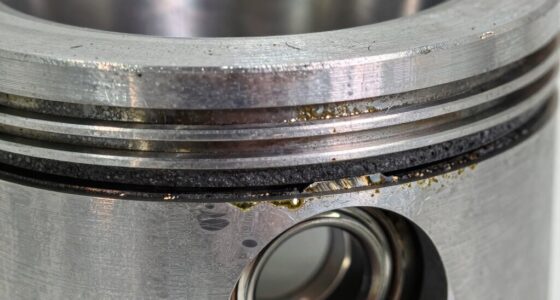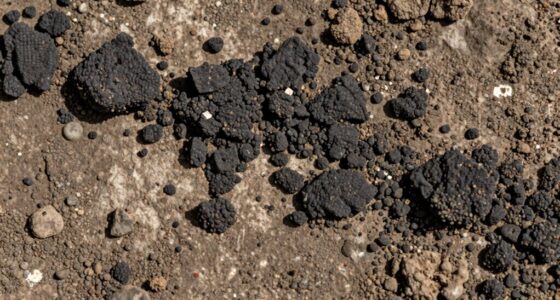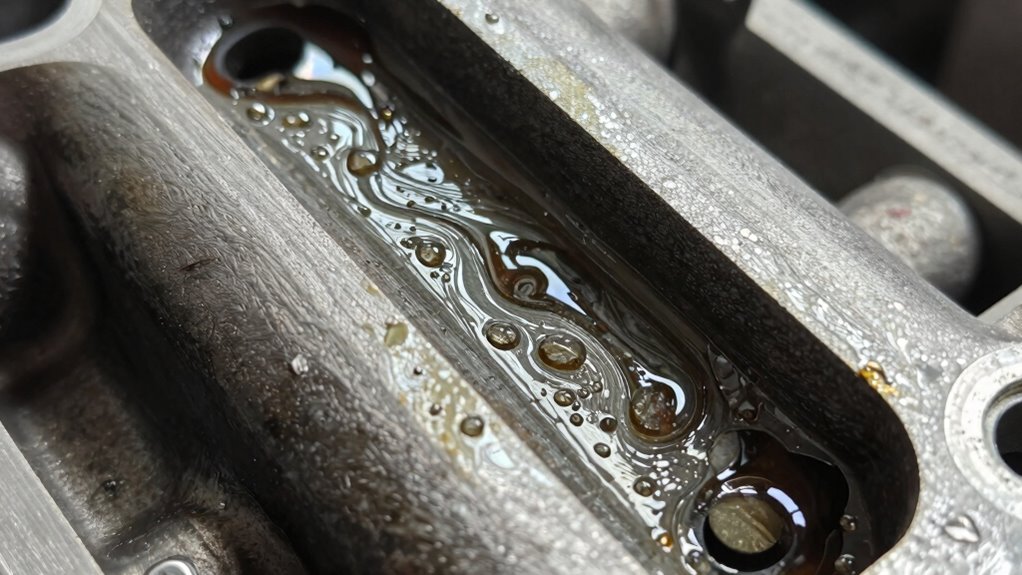

If coolant leaks into your engine oil, advanced oil analysis (UOA) can spot subtle signs before serious damage happens. Look for increased glycol levels, foam, or abnormal viscosity that indicate coolant contamination. These clues often appear long before catastrophic failure, giving you time to act. Pay attention to shifts in oil composition, wear metals, and contaminants—early warning signs that can save your engine. Keep exploring to understand how to catch these issues early and protect your vehicle.

Get business pricing on garage and car supplies
- Business-only prices and quantity discounts
- Tax-exempt purchasing
- Multiple users, one account, clear invoices
Key Takeaways
- Elevated glycol levels in UOA indicate coolant intrusion before significant engine damage occurs.
- Milky, frothy oil from the dipstick is an early visual sign of coolant mixing with oil.
- Abnormal viscosity or increased foaming in oil analysis suggests internal leaks like head gasket failure.
- Detecting white sludge or oily sheen in the coolant reservoir points to early coolant ingress.
- Rising oil levels combined with coolant contamination signs in UOA are strong indicators of internal leaks.
As an affiliate, we earn on qualifying purchases.
What Causes Coolant to Enter Your Engine Oil?
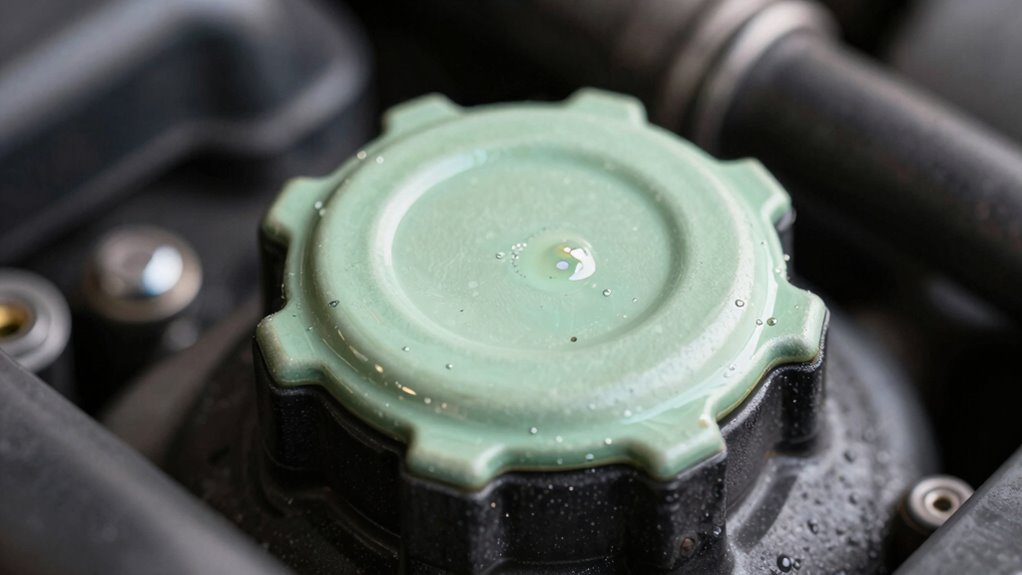
Coolant enters your engine oil mainly due to a failure in the engine’s sealing components, allowing fluids to cross from the cooling system into the lubrication system. The most common cause is a blown head gasket, which creates a direct pathway for coolant to seep into the oil passages. Cracked or warped cylinder heads can also lead to this issue, as they compromise the seal between cylinders and the cooling system. Additionally, a leaking oil cooler in turbocharged engines can allow coolant and oil to mix. Overheating can cause internal components like the engine block or water pump to crack or warp, creating gaps for coolant to enter the oil. These failures disrupt the seal integrity, enabling coolant to contaminate your engine oil and cause severe damage if not addressed promptly. Understanding the role of coolant system integrity is crucial for diagnosing and preventing such problems.
As an affiliate, we earn on qualifying purchases.
How to Recognize the Signs of Coolant in Oil
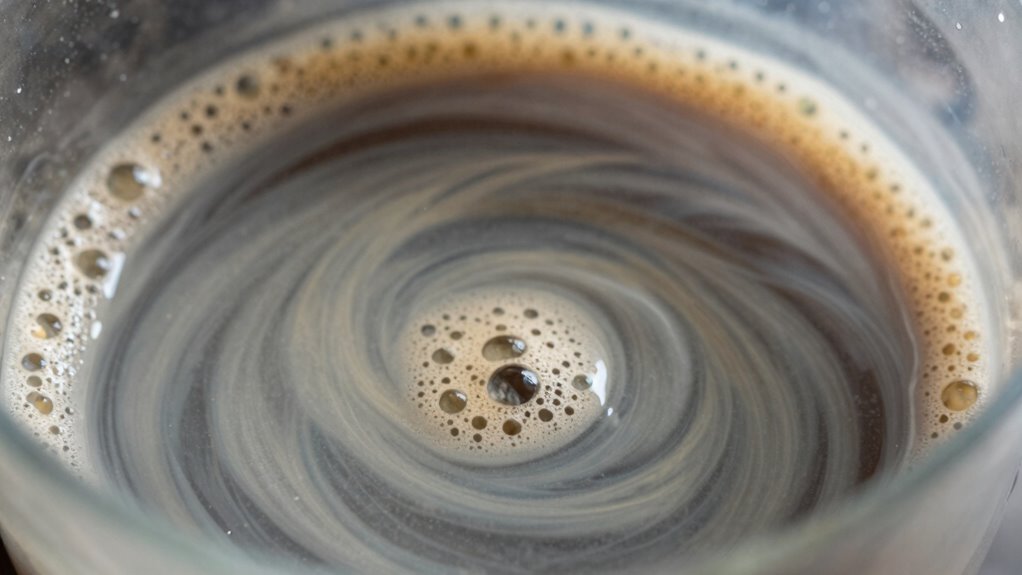
Recognizing the presence of coolant in your engine oil is essential to preventing serious damage. Start by checking your dipstick; if the oil looks milky or frothy, that’s a red flag. A chocolate milk-like color indicates contamination, and a thicker, foamy consistency suggests coolant mixing with oil. You might notice the oil level rising past the full mark or see white sludge under the oil cap. In the coolant reservoir, look for brown, milky sludge or an oily sheen. Smells can also reveal issues—sweet or syrupy odors on the oil dipstick or white smoke from the exhaust point to coolant entry. Keep an eye on these signs to catch problems early before they cause engine failure. Regular maintenance and inspections are crucial in early detection and prevention of coolant-oil mixing issues.
As an affiliate, we earn on qualifying purchases.
What Your Oil Analysis Can Tell You About Coolant Contamination
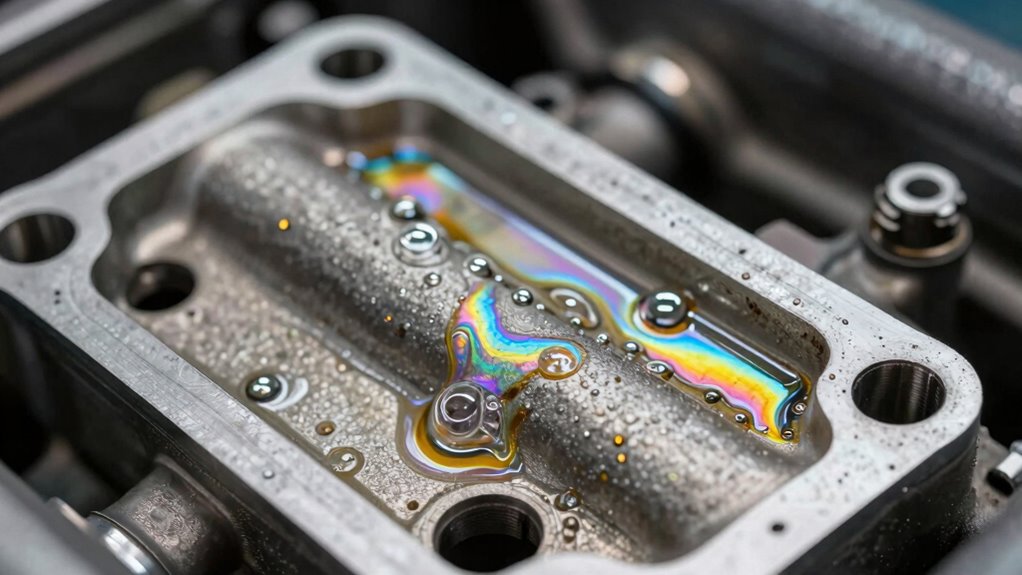
Analyzing your engine oil can reveal crucial clues about coolant contamination and help you catch problems early. When you perform a UOA (used oil analysis), look for increased levels of glycol or specific contaminants associated with coolant. Elevated wear metals alongside coolant indicators suggest internal damage, such as a blown head gasket or cracked head. A milky or frothy oil sample indicates coolant intrusion, while the presence of glycol compounds confirms contamination. Additionally, abnormal viscosity or foaming signals may point to coolant mixing. Regular oil analysis can detect these signs before symptoms become severe, giving you a chance to address issues proactively. Early detection through UOA helps prevent engine damage, reduces repair costs, and guarantees your vehicle runs smoothly and reliably. Recognizing the importance of engine maintenance ensures you stay ahead of potential failures and maintain optimal vehicle performance.
As an affiliate, we earn on qualifying purchases.
Main Causes of Coolant Leaking Into Engine Oil
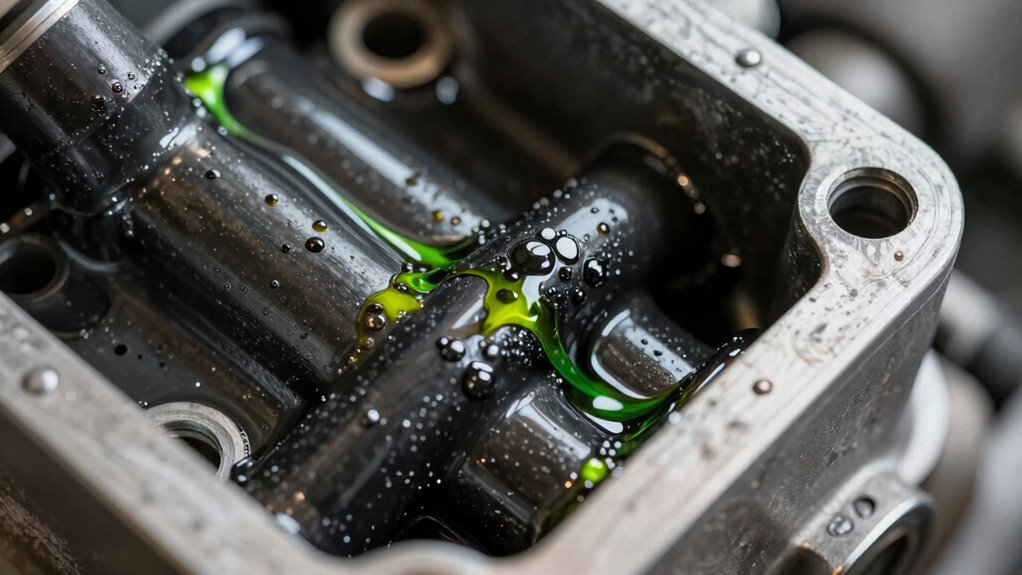
When coolant leaks into engine oil, it usually points to specific mechanical failures that compromise the engine’s sealing systems. These failures can be devastating if left unchecked. Common causes include:
- Blown head gasket, allowing coolant to seep into the oil passages
- Cracked or warped cylinder head, creating internal leaks
- Leaking oil cooler, especially in turbocharged engines, enabling coolant and oil crossover
- Damaged internal water pump, which can introduce coolant into the oil system
These issues often develop from overheating or wear, weakening seals and gaskets. Recognizing these causes early can prevent severe engine damage. If you notice milky oil or other symptoms, don’t delay—diagnose and repair promptly to avoid catastrophic failure.
Why Ignoring Coolant in Oil Can Damage Your Engine
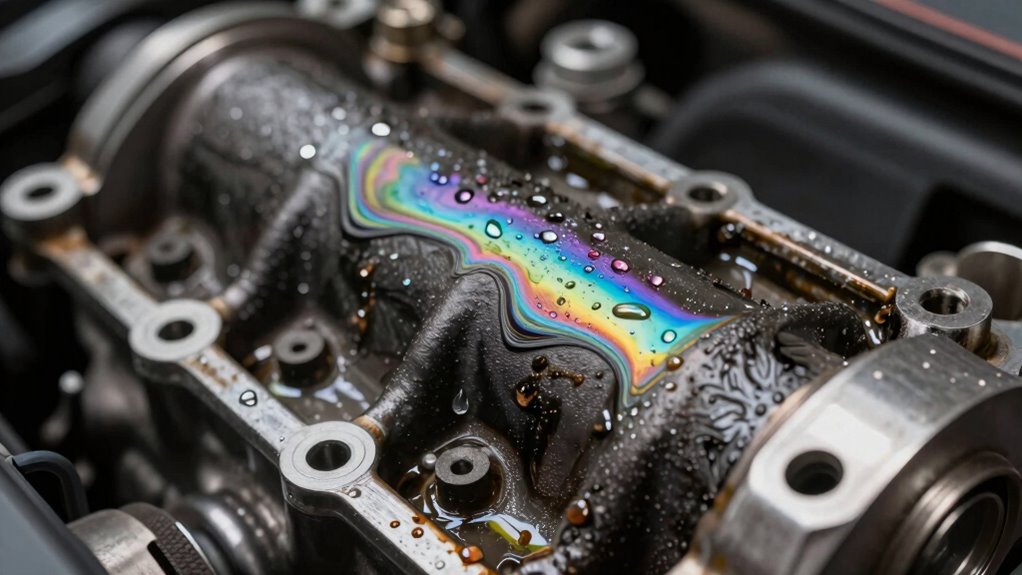
Ignoring coolant in your oil can lead to serious engine damage. It speeds up corrosion, weakens lubrication, and increases the risk of overheating. Addressing the issue promptly helps prevent costly repairs and keeps your engine running smoothly. Understanding content formats and how they evolve can assist in early detection and effective communication of such issues.
Accelerates Engine Corrosion Risks
Coolant leaking into your oil doesn’t just cause temporary engine issues; it sets off a chemical reaction that accelerates corrosion inside your engine. When coolant mixes with oil, glycolic acids form, attacking metal parts and leading to rust and pitting. This corrosion weakens critical components, risking costly failures. You might feel confident ignoring it at first, but damage quickly escalates, compromising engine integrity.
Be alert to these warning signs:
- Metal shavings in oil indicating accelerated wear
- Rust spots on engine parts
- Decreased oil viscosity from corrosion byproducts
- Unusual engine noises or rough operation
Ignoring these signals accelerates the deterioration process, ultimately leading to catastrophic engine failure. Addressing coolant leaks promptly can save you time, money, and your engine’s lifespan.
Causes Lubrication Breakdown Faster
Allowing coolant to mix with your engine oil accelerates the breakdown of lubrication because the contaminants and chemical reactions weaken oil’s protective properties. When coolant enters the oil, it creates a foamy, thick consistency that hampers proper lubrication. The chemical interaction also produces acids that degrade oil’s stability, reducing its ability to form a strong film between moving parts. This deterioration leads to increased metal-to-metal contact, causing accelerated wear and potential engine damage. Additionally, the presence of coolant contaminants promotes sludge formation, further impairing oil flow and filtration. Over time, this breakdown hampers engine efficiency, increases friction, and raises the risk of component failure. Ignoring these signs can lead to costly repairs and severe engine damage, emphasizing the importance of addressing coolant in oil promptly.
Leads to Overheating and Damage
When coolant leaks into the engine oil, it impairs the oil’s ability to effectively transfer heat away from critical components. This can cause your engine to overheat quickly, risking severe damage. Ignoring this problem can lead to:
- Engine warping or cracking due to excessive heat buildup
- Seized pistons or valves from insufficient lubrication and cooling
- Cylinder head failure from sustained high temperatures
- Complete engine failure, requiring costly repairs or replacements
Ignoring coolant in oil can also lead to corrosion inside the engine, which further accelerates wear and damage. Overheating accelerates wear on essential parts, weakens gaskets, and can cause internal components to seize or warp. The longer you ignore coolant in oil, the higher the risk of catastrophic failure. Addressing the issue promptly prevents irreversible damage and extends your engine’s lifespan.
Steps to Take When You Find Coolant in Your Oil
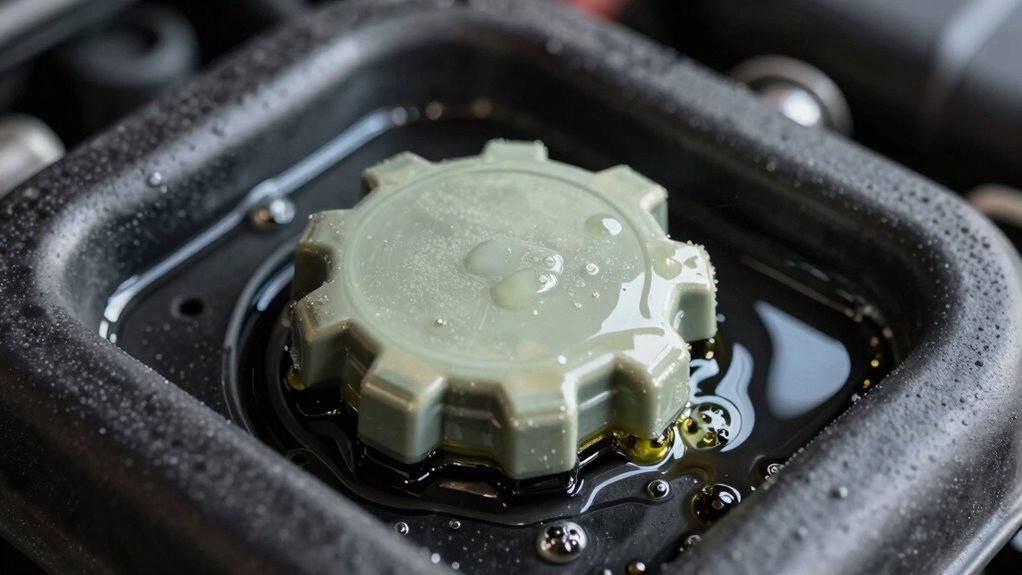
Discovering coolant in your oil is a serious issue that requires immediate action. First, stop driving your vehicle to prevent further damage. Carefully check the oil and coolant levels, noting any milky or frothy oil or sludge in the reservoir. Next, schedule a professional mechanic inspection as soon as possible. Do not attempt to drive or repair the system yourself, since misdiagnosis can worsen the problem. Request a thorough diagnosis to identify the source—such as a blown head gasket or cracked cylinder head. Depending on the findings, the mechanic might recommend a system flush, repair, or replacement of damaged parts. Recognizing the symbolic meaning of engine distress can help you understand the urgency of addressing underlying issues. Acting promptly minimizes engine damage, preserves your vehicle’s longevity, and helps avoid costly repairs later.
Preventive Tips to Protect Your Engine From Coolant Contamination

To keep your engine safe from coolant contamination, you should regularly check fluid levels and look for signs of leaks. Fix any leaks promptly to prevent coolant from entering the oil system. Staying vigilant and addressing issues early can save you costly repairs down the line.
Regular Fluid Checks
Have you checked your engine fluids lately? Regular checks are your best defense against coolant contamination. By inspecting oil and coolant levels frequently, you catch issues early before they escalate. Look for these warning signs during your checks:
- Milky or frothy oil on the dipstick
- Rising oil levels that shouldn’t be there
- Oily sheen or sludge in the coolant reservoir
- Unusual sweet smell from the oil or exhaust fumes
These clues can alert you to internal leaks or gasket failures. Keeping a routine helps you spot problems early, saving money and preventing engine damage. Don’t wait for symptoms to worsen—make fluid checks a priority. Staying vigilant now can help you avoid catastrophic failures later. Monitoring market trends in vehicle maintenance can also inform you about emerging issues and best practices.
Prompt Leak Repairs
Prompt leak repairs are crucial for preventing coolant from contaminating your engine oil and causing serious damage. Ignoring leaks can lead to engine corrosion, overheating, and costly repairs. To stay ahead, regularly inspect your engine for signs of leaks, such as white sludge or milky oil. Address issues immediately to minimize damage.
| Leak Source | Repair Priority |
|---|---|
| Head gasket failure | Replace gasket promptly |
| Cracked cylinder head | Repair or replace component |
| Leaking oil cooler | Seal or replace cooler |
| Damaged water pump | Repair or replace water pump |
| Cracked engine block | Major repair or rebuild needed |
Timely repairs protect your engine’s lubrication system, reducing the risk of catastrophic failure. Don’t delay—act when symptoms appear.
Frequently Asked Questions
Can Coolant in Oil Cause Immediate Engine Failure?
Yes, coolant in oil can cause immediate engine failure. When coolant mixes with oil, it compromises lubrication, leading to increased friction, overheating, and potential engine damage. You might notice milky oil, white smoke, or a sweet smell. Ignoring these signs and continuing to drive risks severe damage, so you should stop immediately, have a mechanic diagnose the issue, and repair any leaks or gasket failures before further damage occurs.
How Often Should I Check for Coolant Contamination?
You should check for coolant contamination every 3,000 to 5,000 miles or during each oil change. It’s easy to overlook, but catching early signs like milky oil or white sludge can save your engine. Regular checks help you spot problems before they escalate, especially if you notice sweet smells, white smoke, or rising oil levels. Stay vigilant—your engine’s health depends on it.
Are There Specific Vehicle Models More Prone to Coolant Leaks?
Certain vehicle models are more prone to coolant leaks, especially those with known design flaws or age-related wear. For example, some BMW, Subaru, and Honda engines have been reported to develop head gasket issues or radiator cracks over time. If you own an older or high-mileage vehicle, stay vigilant for signs of coolant leaks. Regular inspections and maintenance can help catch problems early, preventing costly repairs and engine damage.
What Tools Are Needed to Identify Coolant in Oil?
Detecting coolant in oil is vital to prevent engine disaster. You’ll need a dipstick for a visual check, a clean cloth to wipe and inspect, and a test kit like a coolant in oil test strip or chemical tester. These tools allow you to quickly identify milky or frothy oil, confirming coolant intrusion. Don’t delay—spotting these signs early can save your engine from catastrophic failure.
How Long Can an Engine Run With Coolant in the Oil Before Damage?
You shouldn’t run your engine with coolant in the oil for more than a few miles or a short drive. Doing so risks severe damage, including bearing wear, piston damage, and engine overheating. The longer you run it, the higher the chances of costly repairs. It’s best to stop immediately and have a mechanic inspect and repair the issue to prevent catastrophic engine failure.
Conclusion
Spotting coolant in your oil might seem like bad luck, but it’s often a warning sign you can’t ignore. Regular oil analysis can reveal early clues before catastrophe strikes. By staying vigilant and taking quick action, you might just avoid costly repairs. Sometimes, a small leak or a overlooked sign can be the coincidence that saves your engine from serious damage. Keep an eye out—your engine’s health depends on it.
Fall Picks
fall essentials
As an affiliate, we earn on qualifying purchases.