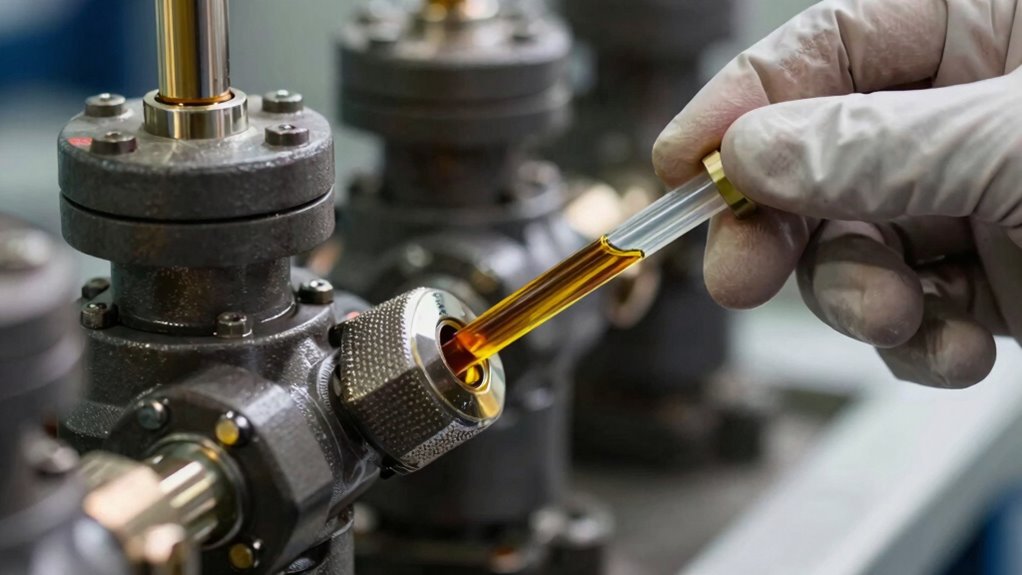
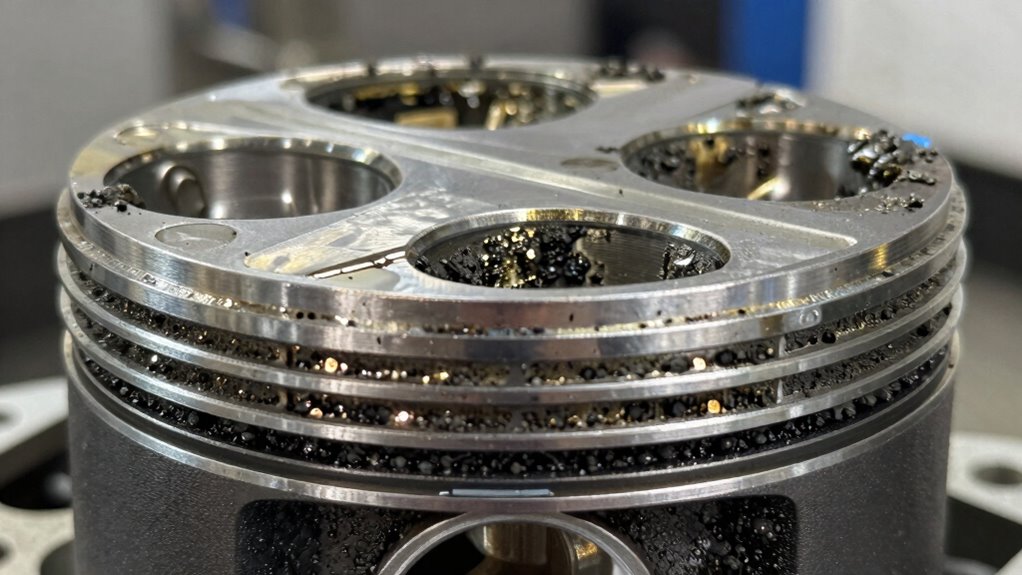
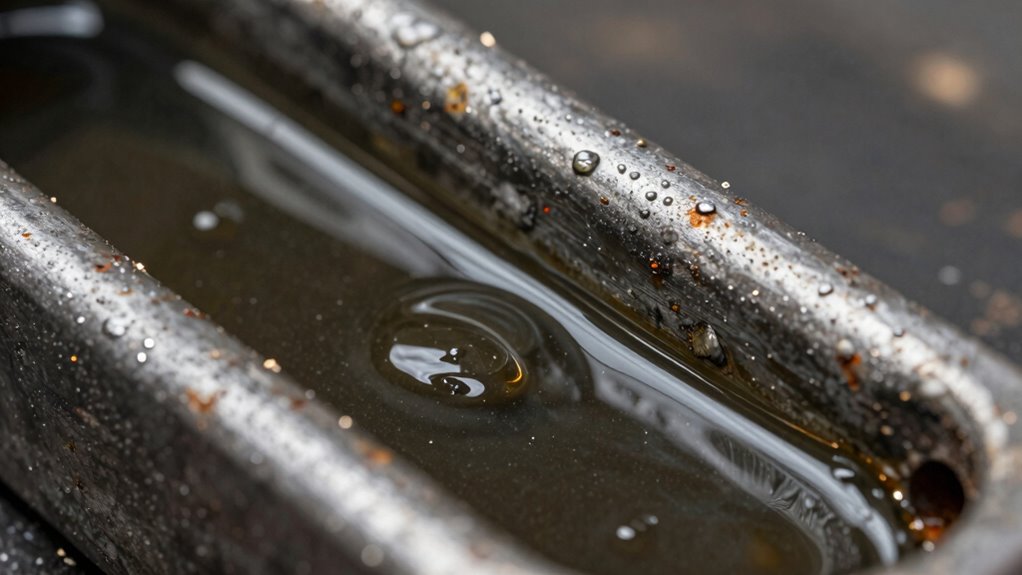
Clever sampling techniques from the right reservoir point ensure your hydraulic oil analysis results are truly meaningful; learn where to sample correctly.
Browsing Tag
oil analysis
15 posts
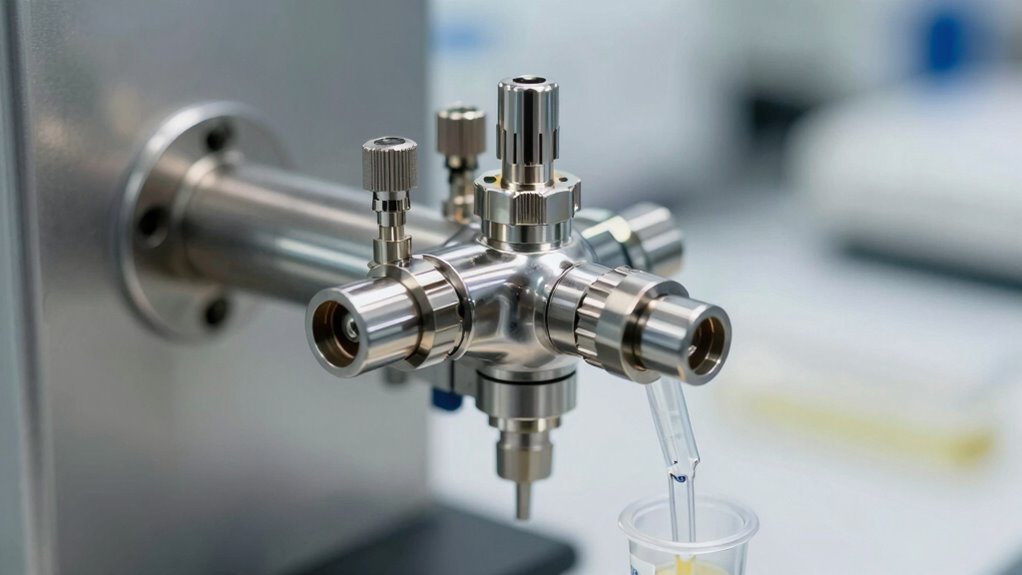
Sampling Ports: The Upgrade That Makes Oil Analysis Actually Repeatable
Nurturing accurate oil analysis begins with sampling ports—discover how proper upgrades ensure repeatable results and why you shouldn’t miss this essential guide.
How to Trend Oil Analysis by Hours, Not Miles (Industrial-Friendly)
Just understanding how to trend oil analysis by hours instead of miles can significantly improve maintenance accuracy and equipment longevity.
FTIR in Oil Reports: Oxidation, Nitration, and What FTIR Actually Measures
When exploring FTIR in oil reports, understanding how it detects oxidation and nitration reveals the secrets behind its remarkable measurements.
Soot % in Diesel UOA: What’s Normal and What’s a Red Flag
The soot percentage in diesel UOA reveals engine health—discover what levels are normal and when signs point to potential trouble ahead.
Insolubles: The Dirt/Deposit Marker That Predicts Sludge Risk
Monitoring insolubles reveals dirt buildup and sludge risk, crucial for maintenance, but understanding how to mitigate these issues can save your machinery.
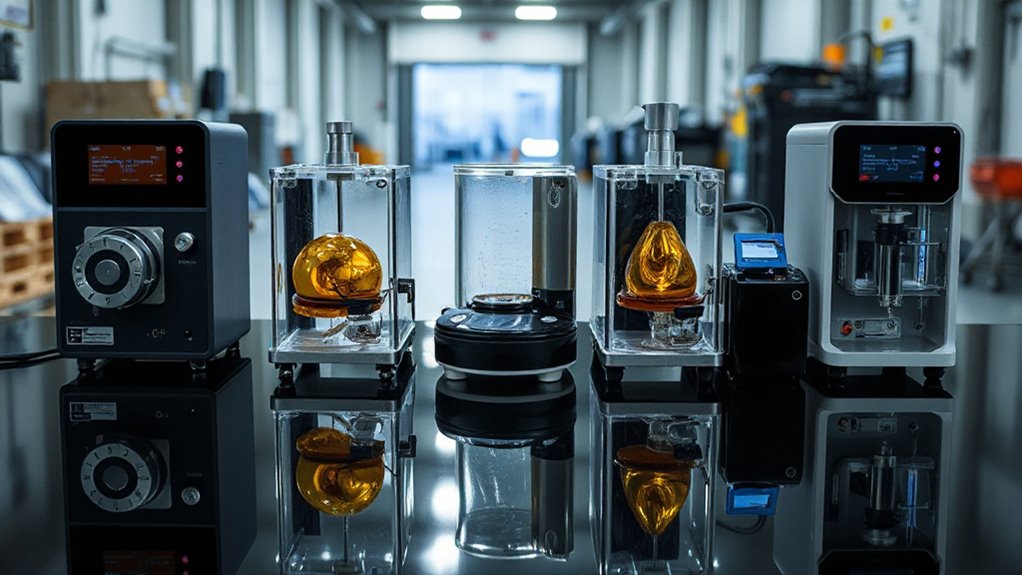
Iron in Oil: When It Means Normal Wear vs Abnormal Contact
In understanding iron in oil, recognizing normal wear versus abnormal contact is crucial; discover what your engine signals before it’s too late.
5 Best Oil Cleanliness Monitoring Kits for 2026
Learn about the top 5 oil cleanliness monitoring kits for 2026 that can help ensure optimal engine health and prevent costly issues—discover which one suits your needs best.
The Trendline Rule: How to Read UOA Like a Reliability Engineer
An essential guide to mastering the Trendline Rule in UOA analysis reveals how to detect early signs of equipment failure before it’s too late.
Oxidation, Nitration, Insolubles: The Trio That Predicts Deposit Risk
Discover how oxidation, nitration, and insolubles signal deposit risks, helping you prevent engine damage before it’s too late.