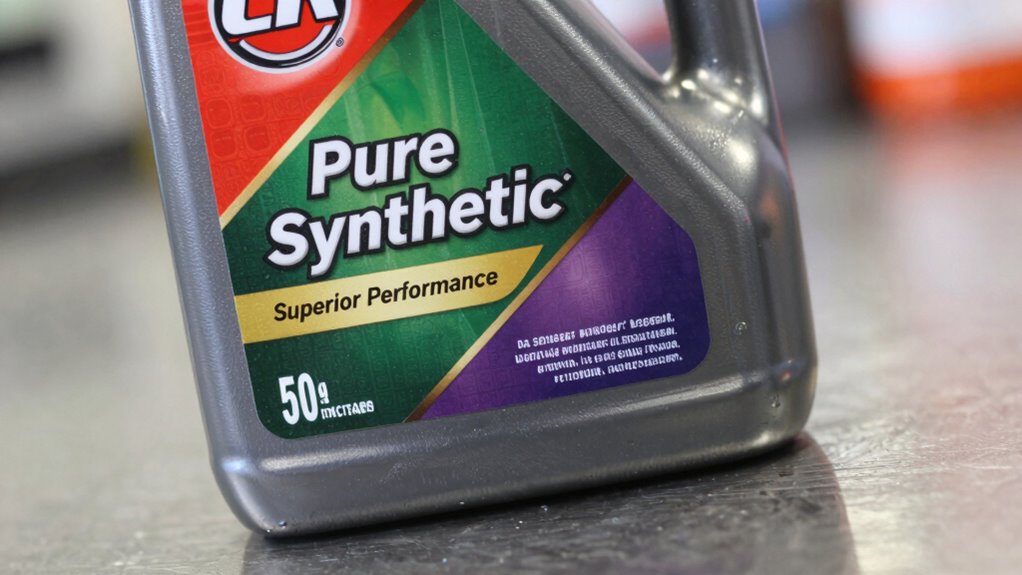

To spot a misleading oil claim in the first paragraph, watch for exaggerated benefits like instant engine protection or dramatic fuel savings. Be wary of vague buzzwords or emotional language that make claims sound too good to be true. Look for unsupported statements or overhyped promises without evidence. If you pay close attention, you’ll notice subtle clues that reveal whether the claim is based on facts or just marketing hype—discover how to uncover them as you go further.

Get business pricing on garage and car supplies
- Business-only prices and quantity discounts
- Tax-exempt purchasing
- Multiple users, one account, clear invoices
Key Takeaways
- Look for exaggerated language claiming immediate or dramatic benefits, like “instant” or “revolutionary.”
- Be cautious of buzzwords that imply superiority without supporting evidence.
- Check if the claim oversimplifies complex factors such as engine type or driving conditions.
- Identify vague or emotionally charged statements that lack specific data or credible sources.
- Watch for language suggesting exclusivity or urgency to persuade quickly.

Ever come across an oil claim that sounds too good to be true? If so, you’re not alone. Many marketing tactics in the oil industry play on your desire for the best protection and performance, often making bold promises that can be misleading. Companies frequently tout synthetic oils as revolutionary products that will instantly extend engine life or dramatically improve fuel economy. While synthetic oils do offer benefits, some claims inflate their capabilities or suggest that they’re a one-size-fits-all solution, which isn’t entirely accurate. It’s essential to recognize when a claim is just marketing hype designed to persuade you to buy their product.
Not all oil claims are accurate; beware of marketing hype and assess your vehicle’s true needs.
One common tactic is to suggest that synthetic oils are universally superior without considering your specific vehicle or driving habits. Advertisers may emphasize synthetic oils’ ability to withstand extreme temperatures or last longer between oil changes, but they often omit that these benefits depend on proper maintenance and your vehicle’s needs. They might also tout synthetic oils as being “better than everything else,” ignoring the fact that conventional oils can still perform well under normal conditions and that not every engine requires synthetic formulations. Such exaggerated claims leverage the perception that synthetics are a magic fix, which isn’t necessarily true for every driver.
Another marketing tactic is to make you believe that synthetic oils are the only option for ideal engine health, implying that using traditional oils is a mistake or will cause damage over time. This is misleading because many vehicles operate perfectly fine with conventional oils, especially if you follow the manufacturer’s recommended oil change schedule. The industry often pushes synthetic oils as a premium product, but it’s important to remember that the choice depends on your vehicle, driving style, and budget. Claims that synthetic oils will instantly protect your engine from wear or prevent all future breakdowns are often oversimplifications designed to create a sense of urgency or exclusivity. Additionally, understanding how oil formulations vary can help you make more informed decisions tailored to your specific needs.
Being aware of these tactics helps you make smarter decisions. Don’t get swayed solely by buzzwords or bold promises. Instead, look for credible sources, read the fine print, and consider your vehicle’s specific needs. Understand that not all claims are backed by independent testing or real-world evidence. Recognize that some companies use emotional appeals or technical jargon to mask the fact that their product isn’t necessarily a game-changer. By staying informed and skeptical of overly promotional claims, you can avoid falling prey to misleading marketing tactics and choose an oil that truly suits your vehicle and driving habits.
As an affiliate, we earn on qualifying purchases.
Frequently Asked Questions
What Are Common Misleading Oil Marketing Tactics?
You often encounter misleading oil marketing tactics through vague marketing jargon and misleading labels. Companies might use terms like “synthetic” or “high mileage” without clear definitions, making it hard to understand the actual benefits. They may also exaggerate claims about performance or protection, using fine print or ambiguous language. Always read labels carefully, question vague phrases, and look for independent testing to verify the claims made by the marketing.
How Can I Verify an Oil’s True Quality?
Think of verifying an oil’s quality like checking the trustworthiness of a map. You look for labeling accuracy and ingredient transparency, ensuring what’s on the label matches the actual product. Always read labels carefully, seek third-party testing results, and research brands with good reputations. By doing so, you’re steering with a reliable map, confidently finding true quality without falling for misleading claims.
Are Expensive Oils Always Better Than Cheaper Options?
Expensive oils aren’t always better; instead, focus on oil purity and ingredient sourcing. High prices often reflect branding or packaging, not necessarily quality. You should scrutinize labels to guarantee the oil is pure and sourced responsibly. Cheaper options can be just as effective if they meet quality standards. Always research the brand’s reputation, verify ingredient sourcing, and check for third-party testing to make sure you’re getting a quality product.
What Certifications Indicate Trustworthy Oil Products?
Look for certifications like USDA Organic, NSF, or ISO standards to guarantee trustworthy oil products. These certifications indicate that the oil meets strict standards for purity and quality, giving you confidence in its oil purity and safety. Always check labels carefully, and choose oils backed by reputable certification standards. This way, you can avoid misleading claims and select products that genuinely meet high-quality criteria.
How Do I Distinguish Factual Claims From Advertising Hype?
To distinguish factual claims from advertising hype, look for ingredient transparency and check the brand reputation. Trustworthy brands openly list their ingredients and avoid vague language. Be wary of exaggerated benefits or unverified claims, and research the company’s history. When you see clear, specific information backed by credible sources, you can feel more confident that the claim is genuine rather than just marketing hype.
As an affiliate, we earn on qualifying purchases.
Conclusion
By paying close attention to the wording and claims made about oils, you can gently steer clear of misleading information. Remember, some companies might try to sprinkle in a little extra sparkle to catch your eye. Trust your instincts, ask questions, and take the time to do a little digging. With a keen eye and a curious mind, you’ll find yourself enjoying the journey of making more informed choices—turning what seems tricky into a delightful learning experience.
As an affiliate, we earn on qualifying purchases.
As an affiliate, we earn on qualifying purchases.
Halloween Picks
halloween
As an affiliate, we earn on qualifying purchases.