
Understanding chemical compatibility is crucial to prevent dangerous reactions like explosions, fires, or toxic releases. Always check compatibility charts to see which chemicals can safely mix and which shouldn’t be combined. Incompatible substances like acids, oxidizers, and organic chemicals can react violently if stored or handled together. Following best storage practices and carefully evaluating each interaction helps keep your workspace safe. If you want to master these rules, you’ll find essential details that could save your life if you continue exploring.

Get business pricing on garage and car supplies
- Business-only prices and quantity discounts
- Tax-exempt purchasing
- Multiple users, one account, clear invoices
Key Takeaways
- Always consult chemical compatibility charts to identify safe combinations and avoid mixing incompatible substances.
- Incompatible chemicals, such as acids with organics or oxidizers, can cause dangerous reactions or explosions.
- Prioritize segregation and proper labeling of chemicals based on their compatibility ratings (A, B, C, X).
- Use appropriate containers and storage conditions to prevent reactions from temperature or material incompatibility.
- Seek expert advice and review MSDS data if uncertain about chemical interactions or reactions.
chemical compatibility test kits
As an affiliate, we earn on qualifying purchases.
As an affiliate, we earn on qualifying purchases.
Why Chemical Compatibility Matters in Safe Chemical Handling
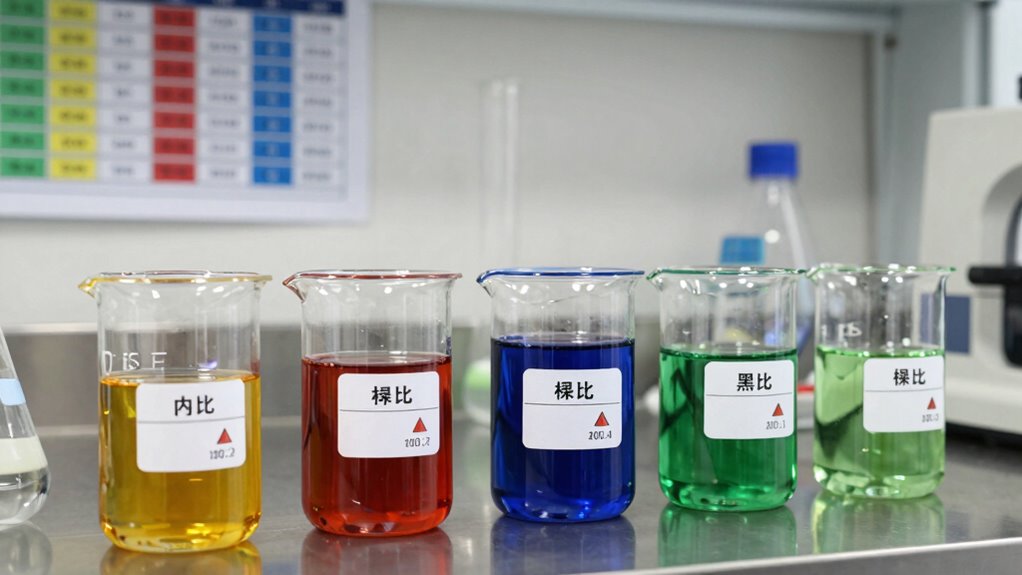
Why does chemical compatibility matter in safe handling? Because mixing incompatible chemicals can cause dangerous reactions like explosions, fires, or toxic releases. When you don’t check compatibility, you risk damaging containers, creating hazardous fumes, or triggering violent reactions. For example, acids like sulfuric or nitric acid can react explosively with organic materials or metals, leading to severe safety hazards. Phenols, cyanohydrins, and alkylene oxides also pose risks if stored together with incompatible substances. Knowing which chemicals can coexist helps you prevent accidents and protects everyone involved. Proper compatibility knowledge guarantees safe storage, handling, and disposal. Additionally, understanding chemical interaction risks is crucial to prevent unexpected hazards. It’s essential to avoid costly damage, injuries, and environmental harm. Staying informed about chemical interactions keeps your workplace safe and compliant with regulations.
chemical storage safety containers
As an affiliate, we earn on qualifying purchases.
As an affiliate, we earn on qualifying purchases.
How to Read and Interpret Compatibility Charts
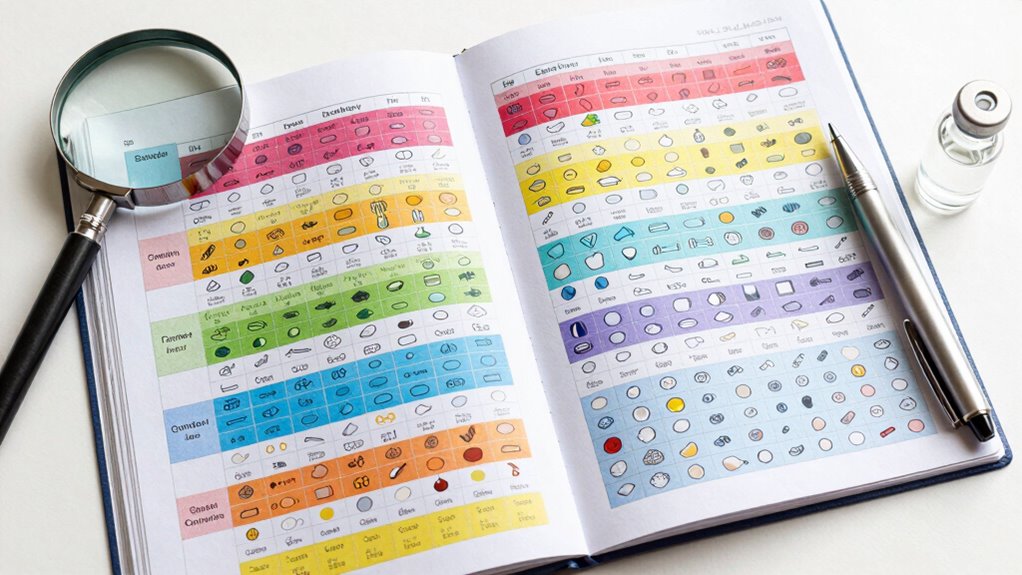
Reading and interpreting compatibility charts helps you quickly determine which chemicals can safely be stored or handled together. Start by identifying the chemical you’re working with and locate it on the chart. Compatibility is usually indicated through color codes, symbols, or ratings like A, B, C, or X. An A rating means minimal risk, while X indicates incompatibility. Look for specific group numbers or hazard codes that show which substances are incompatible. Pay attention to notes about reactivity, such as explosion risks or corrosiveness, especially with acids or oxidizers. Always verify the legend or key on the chart to understand what each symbol or rating signifies. This process helps you avoid dangerous chemical interactions, ensuring safe storage and handling practices. Understanding chemical compatibility is essential for safe chemical management.]
As an affiliate, we earn on qualifying purchases.
Common Chemical Incompatibilities You Should Know

Are you aware of the key chemical incompatibilities that can lead to dangerous reactions or storage hazards? Inorganic acids like hydrochloric, hydrofluoric, and sulfuric acids react violently with many metals, oxidizers, and cyanides. Nitric acid is a strong oxidizer, posing risks with combustible materials. Phenols and cresols are hazardous with azo compounds and certain elastomers, requiring testing before use. Alkylene oxides such as ethylene and propylene oxide can explode when mixed with acids or oxidizers, making storage tricky. Cyanohydrins like acetone cyanohydrin react dangerously with acids and cyanides, producing toxic gases. Oxidizers, including nitrates and perchlorates, can cause explosions or fires when combined with organics or metals. chemical incompatibilities are critical to understanding for safe handling and storage practices. Knowing these incompatibilities helps prevent accidents and ensures safe storage practices.
As an affiliate, we earn on qualifying purchases.
Best Practices for Storing Chemically Compatible Materials
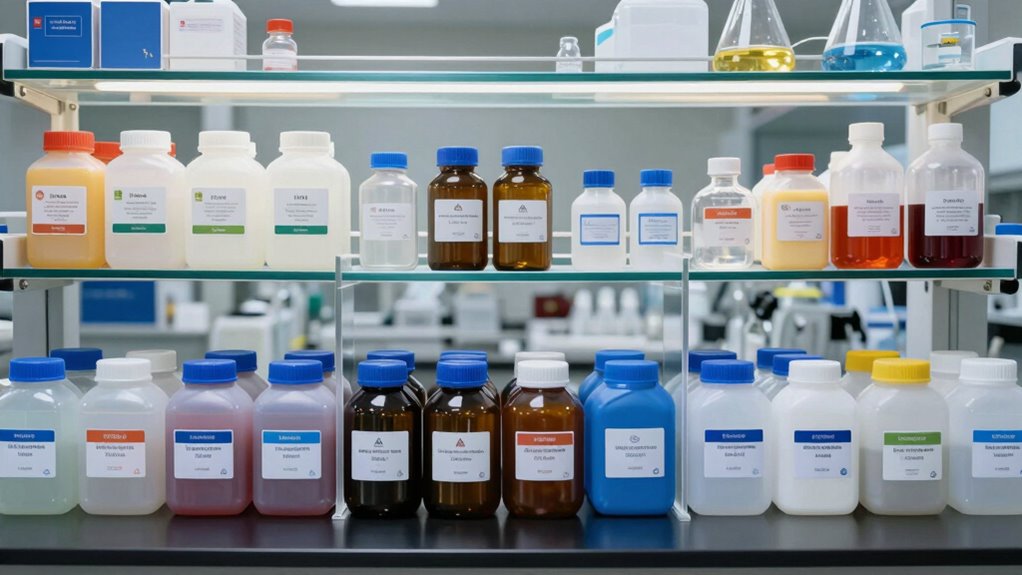
Properly storing chemically compatible materials is essential to maintaining safety and preventing dangerous reactions. Always segregate incompatible chemicals, such as acids and organic materials, into separate storage areas. Label containers clearly with contents and hazard information, and use appropriate containers made from compatible materials. Maintain stable temperatures and avoid exposure to heat, moisture, or sunlight that could accelerate reactions. Keep reactive substances away from oxidizers, reducing agents, and acids, following manufacturer guidelines. Regularly inspect storage areas for leaks, corrosion, or deterioration. Use secondary containment to contain spills and prevent cross-contamination. Train staff on proper storage procedures, emphasizing the importance of compatibility. Monitoring storage conditions is crucial to ensure materials stay stable and safe until use. Consistent organization and diligent monitoring reduce risks, ensuring materials stay stable and safe until use.
Troubleshooting Compatibility Problems and When to Consult Experts

When you encounter unexpected reactions or signs of incompatibility during storage or handling, addressing the problem promptly is vital to prevent hazards. First, stop handling the materials immediately and isolate the affected containers to avoid cross-contamination. Check the Material Safety Data Sheets (MSDS) for specific incompatibility information related to the chemicals involved. Look for signs like leaks, discoloration, gassing, or unusual odors. If reactions are severe, such as fires, explosions, or toxic releases, evacuate the area and notify emergency responders. For less clear issues, consult with a chemical safety expert or your organization’s hazardous materials team. Always document the incident thoroughly, including conditions, observed reactions, and steps taken. Proper storage practices are essential to prevent such issues and ensure safety. When in doubt, professional guidance ensures safe resolution and prevents future problems.
Frequently Asked Questions
How Do I Test Compatibility Between Unfamiliar Chemicals Safely?
You test compatibility safely by reviewing MSDS sheets, understanding each chemical’s reactivity, and identifying incompatible groups. Always conduct small-scale tests in a controlled environment, wearing proper PPE. Use inert containers, avoid mixing directly, and add chemicals slowly. Monitor reactions closely for heat, fumes, or changes. Document results meticulously, and consult experts if uncertain. Never force reactions or guess—prioritize safety to prevent hazardous incidents.
What Are the Signs of Material Degradation From Incompatibility?
You’ll notice material degradation through several signs, like swelling, cracking, or discoloration of containers or seals. You might observe leaks, bubbling, or a change in texture indicating chemical reactions. Over time, weakened materials can break apart or lose strength. Always monitor for these visual cues and any unusual odors or heat, as they often signal incompatibility issues that could compromise safety and equipment integrity.
Can Incompatible Chemicals Be Stored Together if Separated?
Did you know that improper storage causes over 50% of chemical accidents? You can store incompatible chemicals separately, but don’t rely solely on separation. Incompatible substances like acids and organics can still react if leaks occur or containers break. Always follow recommended guidelines, use proper barriers, and make certain ventilation. Regularly inspect storage areas, label clearly, and avoid stacking incompatible chemicals to prevent dangerous reactions.
How Often Should Compatibility Assessments Be Updated?
You should update your compatibility assessments at least annually or whenever you change chemicals, storage conditions, or procedures. Regular reviews guarantee safety by catching new incompatibilities or changes in chemical properties. Keep track of incidents or near-misses, and update assessments immediately if any new risks emerge. Staying proactive helps prevent accidents, maintains compliance, and ensures your storage practices remain safe and effective over time.
Are There Universal Materials That Resist Most Chemical Incompatibilities?
Yes, you can find some universal materials resistant to most chemical incompatibilities. For example, certain fluoropolymers like PTFE (Teflon) show exceptional chemical resistance across a wide range of acids, bases, and solvents. Similarly, glass and some high-performance ceramics resist many corrosive substances. You should always verify specific material compatibility, but these materials are generally reliable choices when dealing with diverse and aggressive chemicals.
Conclusion
Think of chemical compatibility like a carefully balanced dance. When you know which partners move well together, the routine flows smoothly and safely. But if you mix the wrong steps, it can lead to chaos or accidents. By understanding compatibility rules and respecting the guidelines, you keep your chemical handling safe and efficient. Remember, staying informed is your best partner in this dance—so keep learning and always prioritize safety.
Fall Picks
fall essentials
As an affiliate, we earn on qualifying purchases.