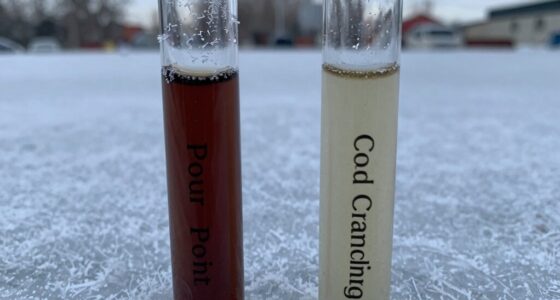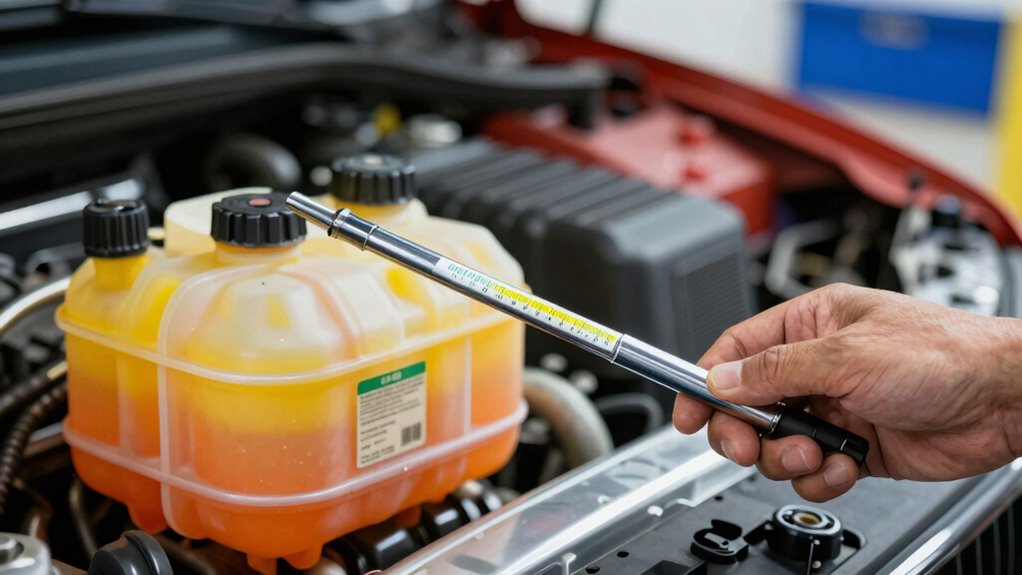

To prevent bad fluid decisions, establish a clear ‘normal operating range’ by regularly monitoring key parameters like viscosity, contamination levels, and metal particle counts. Use baseline data to identify acceptable thresholds, and update these benchmarks as your equipment operates under different conditions. Comparing ongoing results against this range helps you spot early signs of issues before costly repairs. Keep a checklist to guarantee consistent tracking and gain confidence in your fluid management. Continuing will reveal how to create an effective and proactive fluid monitoring plan.
Key Takeaways
- Regularly establish and update the normal operating range using current fluid analysis data to track healthy conditions.
- Compare ongoing fluid test results against the normal range to identify early signs of deterioration or contamination.
- Use deviations from the normal range to guide maintenance decisions, preventing unnecessary or delayed interventions.
- Incorporate additional parameters like temperature and pressure for a comprehensive understanding of fluid and equipment health.
- Maintain consistent data collection and review to refine the normal range and support proactive, data-driven fluid management.
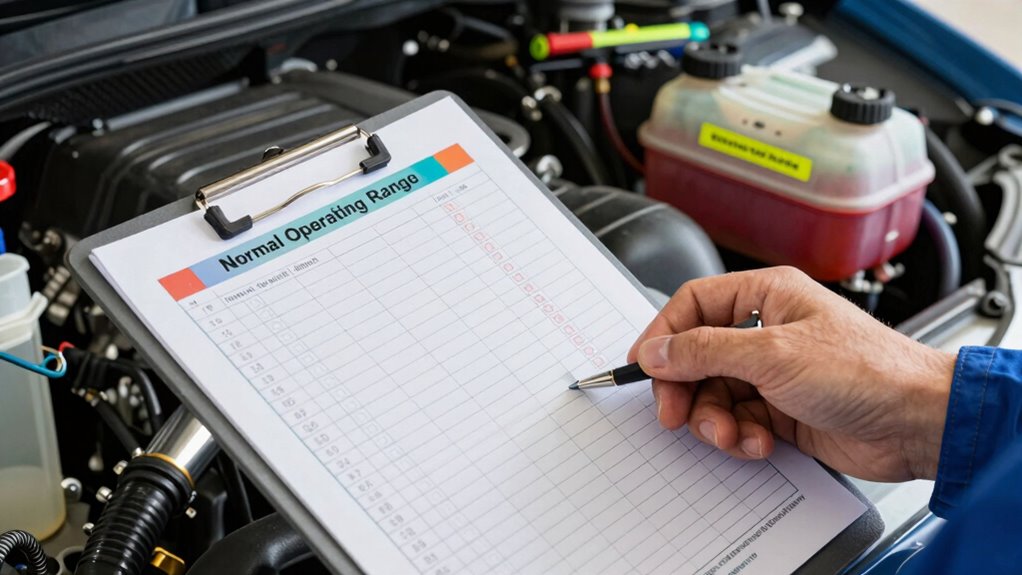
Have you ever wondered if your equipment is operating within safe and efficient limits? Maintaining ideal performance depends heavily on monitoring key parameters, especially when it comes to fluid health. Fluid analysis plays a critical role here; by examining the lubricants, coolants, or hydraulic fluids, you can detect early signs of wear, contamination, or degradation. This proactive approach allows you to identify issues before they escalate into costly repairs or unexpected downtime. Incorporating regular fluid analysis into your maintenance scheduling ensures you’re not just reacting to problems but preventing them. When fluid conditions stay within the normal operating range, your machinery runs smoothly, and you extend its lifespan.
Monitoring fluid health ensures equipment runs smoothly and lasts longer.
Understanding the importance of fluid analysis means recognizing what to look for in the results. Elevated metal particle counts, increased viscosity, or signs of contamination can indicate internal wear or leaks. When such indicators are caught early, you can adjust your maintenance schedule accordingly, avoiding unnecessary part replacements and reducing maintenance costs. Conversely, ignoring fluid analysis results might lead you to overlook essential signs of trouble, resulting in severe damage and unplanned outages. That’s why establishing a ‘normal operating range’ for your fluids is fundamental. This range acts as a benchmark, showing you what healthy fluid looks like under your specific operating conditions.
A well-structured maintenance scheduling plan based on fluid analysis ensures your equipment is serviced at appropriate intervals. Instead of sticking to a rigid timetable, you adapt your maintenance activities according to fluid health data. For example, if fluid analysis reveals the oil is still within acceptable limits, you can extend the interval before the next change. However, if it indicates deterioration or contamination, you can prioritize immediate servicing. This targeted approach minimizes unnecessary maintenance and maximizes equipment uptime. It also helps you allocate resources more efficiently, preventing over-maintenance or overlooked issues that could cause catastrophic failures.
Additionally, understanding equipment diagnostics and integrating it with fluid analysis can further enhance your predictive maintenance capabilities. In addition to fluid analysis, monitoring other parameters—such as temperature, pressure, and flow rates—is essential to understanding your equipment’s overall health. But fluid analysis provides a direct insight into internal conditions, making it a cornerstone of your ‘normal operating range’ checklist. Regularly updating this benchmark based on collected data enables you to refine your maintenance strategies continually. Ultimately, by integrating fluid analysis into your routine and sticking to a clear, data-driven maintenance schedule, you gain better control over your equipment’s reliability. You’ll make smarter fluid decisions, avoid unnecessary costs, and keep your machinery running at peak efficiency—exactly the goal of any effective maintenance program.

Under My Hood Oil Analysis Kit – Oil Test Kit for Gasoline & Diesel Engines
- Aircraft Use Warning: Not for aircraft engine testing
- Monitor Equipment Health: Detects wear metals and contamination
- Universal Compatibility: Suitable for gasoline and diesel engines
As an affiliate, we earn on qualifying purchases.
As an affiliate, we earn on qualifying purchases.
Frequently Asked Questions
How Often Should I Perform the Checklist?
You should perform the checklist regularly, ideally during each maintenance visit or at least monthly, to monitor fluid quality and guarantee everything stays within the normal operating range. Consistent checks help catch issues early and keep your maintenance schedule on track. By sticking to this routine, you prevent bad fluid decisions, prolong equipment life, and maintain ideal performance. Make it a habit to stay ahead of potential problems.
Can I Use Aftermarket Fluids With the Checklist?
You can use aftermarket fluids with the checklist, but you need to prioritize fluid compatibility. While aftermarket options might be tempting, they may not meet your vehicle’s specifications, risking damage or reduced performance. Always check the manufacturer’s recommendations and compare the fluid’s properties against OEM standards. By doing so, you guarantee your fluid choices support peak operation and longevity, avoiding costly mistakes despite the allure of cheaper or easier alternatives.
What Are Signs of Fluid Degradation Outside the Range?
You’ll notice fluid degradation if it shows discoloration or viscosity changes. Discolored fluid might appear darker or cloudy, indicating contamination or oxidation. Viscosity changes can cause the fluid to become thinner or thicker, affecting lubrication and performance. These signs suggest the fluid is no longer within the normal operating range and should be replaced promptly to prevent damage. Regular checks help you catch these issues early, ensuring ideal vehicle function.
Does Temperature Affect the Normal Operating Range?
You might wonder if fluid temperature impacts the operating limits, and it definitely does. When fluid temperature rises too high, it pushes the fluid beyond its normal operating range, risking degradation and system failure. Conversely, if it’s too cold, the fluid thickens, impairing flow and lubrication. Always monitor fluid temperature carefully, as exceeding the normal operating range leads to compromised performance and potential damage.
How Do I Troubleshoot Inconsistent Fluid Readings?
To troubleshoot inconsistent fluid readings, first check the fluid consistency—look for contamination, air bubbles, or irregular viscosity that could skew results. Next, verify sensor calibration; ensure sensors are properly calibrated and functioning correctly. If readings still vary, inspect the sensor connections and cleanliness, and consider recalibrating or replacing sensors as needed. Regular maintenance and monitoring help guarantee accurate, reliable fluid measurements.

GRYVOZE BB01 Hydraulic Pressure Test Kit for Excavators, Loaders, Machinery
- Complete Test Kit Includes: Gauges, couplings, connectors, hoses, case
- Non-Yellowing Dual-Scale Gauges: Precise readings from 0-600 bar / 15000 PSI
- Durable Stainless Steel Casing: Resists rust, shock, water, dust, corrosion
As an affiliate, we earn on qualifying purchases.
As an affiliate, we earn on qualifying purchases.
Conclusion
Sticking to the ‘Normal Operating Range’ checklist keeps your vehicle running smoothly, much like a steady heartbeat. While ignoring it might seem harmless, the consequences can be costly and unexpected—like a sudden breakdown. Think of it as the difference between a well-oiled machine and one on the verge of failure. By making small, consistent fluid checks, you make certain of longevity and reliability, turning routine maintenance into a powerful safeguard against costly surprises.
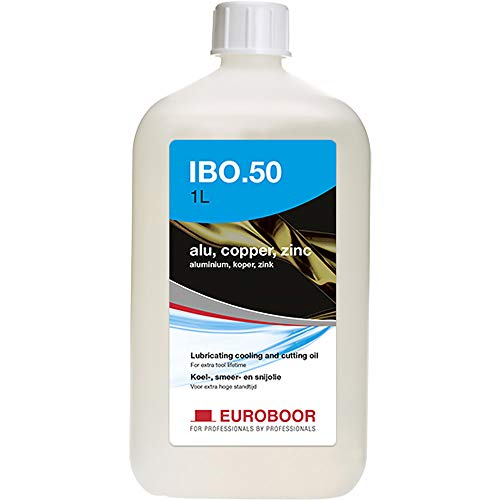
Euroboor Non-ferrous metals Cooling and Cutting Lubricant (1L)
- Lubricant for Non-Ferrous Metals: Cooling and lubrication for non-ferrous steels
- Suitable for Aluminum, Copper, Zinc: Compatible with various non-ferrous metals
- 1 Liter Capacity: Contains 33.8 oz. of lubricant
As an affiliate, we earn on qualifying purchases.
As an affiliate, we earn on qualifying purchases.

HomeRight Paint Viscosity Measuring Cup for HVLP Spray Painting
- Versatile Viscosity Measurement: Measures paint, varnish, stains, and more
- Pre-Spray Viscosity Check: Ensures proper spray atomization
- Simple Gravity Tool: Times coating flow easily
As an affiliate, we earn on qualifying purchases.
As an affiliate, we earn on qualifying purchases.