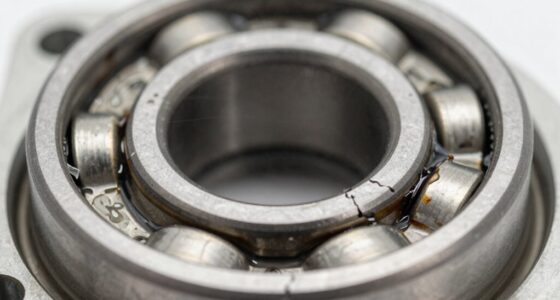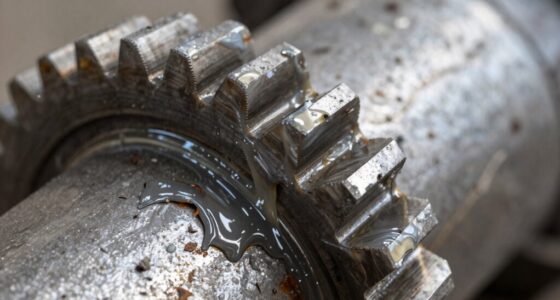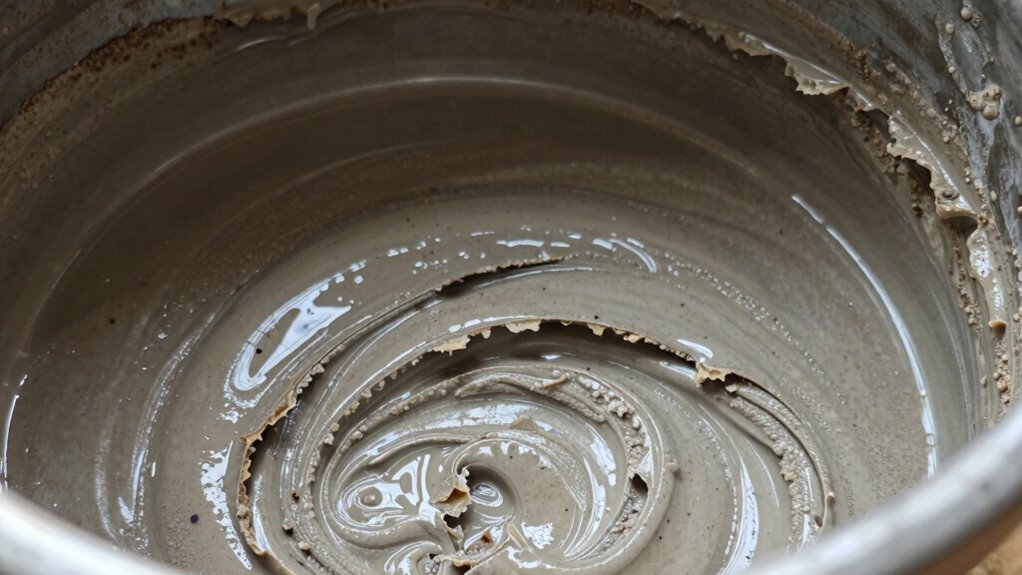

If you expose grease to heat, light, or air during storage, it can oxidize prematurely, making it less effective before you even use it. Poor storage conditions—like leaving containers in warm spots or in direct sunlight—accelerate chemical changes and break down the grease. To keep it fresh and maintain its lubricating qualities, store it in a cool, sealed place away from heat sources. Continuing to explore can help you protect your grease investment even better.

Get garage and car supplies delivered free — and shop member deals
- Fast, free delivery on millions of items
- Access to Prime Big Deal Days deals on October 6–7
- Prime Video, Amazon Music and more included
Key Takeaways
- Storing grease in open or unsealed containers exposes it to air and oxygen, accelerating oxidation.
- Exposure to heat sources or direct sunlight increases the rate of chemical reactions and grease aging.
- Poor storage environments lacking temperature control cause premature deterioration of grease.
- Absence of antioxidant additives in stored grease reduces its resistance to oxidation and shelf life.
- Storing grease in high-humidity areas promotes moisture absorption, leading to oxidation and spoilage.
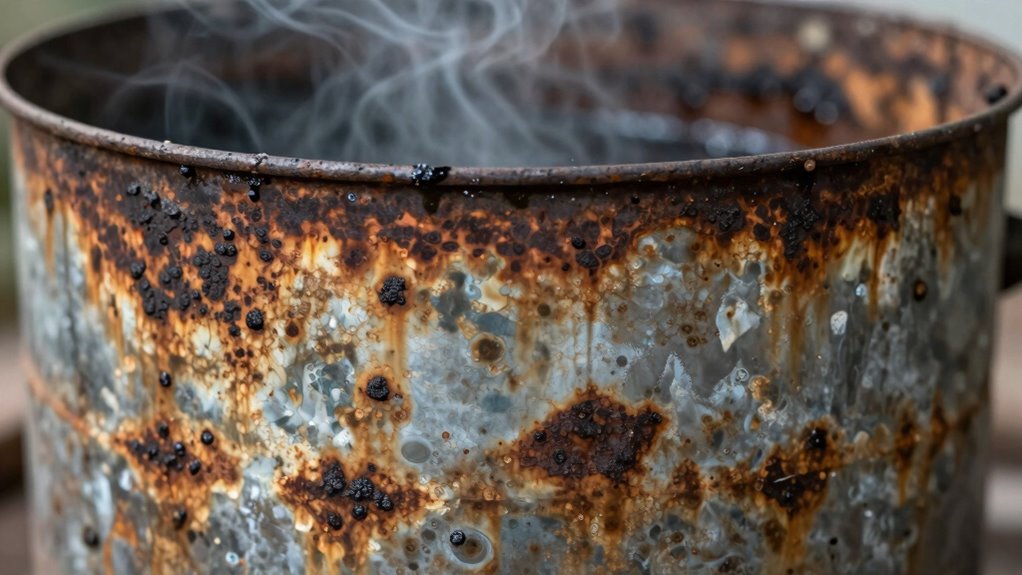
Have you ever wondered what causes grease to break down over time? It’s a process called oxidation, and it’s influenced by several storage conditions that you might overlook. When grease is exposed to air, heat, or light, it begins to undergo chemical changes, leading to deterioration and reduced performance. One of the key factors that accelerate this process is temperature effects. Higher temperatures speed up oxidation, causing grease molecules to break apart more quickly. When stored in warm environments or near heat sources, grease can age prematurely, losing its lubricating qualities long before its intended use. Conversely, keeping grease in a cool, stable environment slows down these chemical reactions, helping to preserve its effectiveness over a longer period.
Temperature accelerates grease oxidation, causing premature deterioration and loss of lubricating qualities.
Another essential aspect that affects grease oxidation is the presence of antioxidant additives. These are specially formulated chemicals added to grease to combat oxidation and extend its shelf life. Antioxidant additives act by neutralizing free radicals—unstable molecules that form during the oxidation process and cause further damage to the grease. By preventing or slowing down the chain reactions associated with oxidation, these additives help maintain the grease’s stability and lubricating properties. Without antioxidant additives, grease is much more vulnerable to rapid degradation, especially when storage conditions are less than ideal.
Temperature effects and antioxidant additives are interconnected in determining how quickly grease deteriorates. If grease lacks proper antioxidant protection and is stored in a warm environment, oxidation occurs at an accelerated rate, leading to thickening, rancidity, or the formation of sludge. This not only shortens the lifespan of the grease but can also damage machinery if used while compromised. On the other hand, storing grease in cooler temperatures and ensuring it contains effective antioxidant additives provides a double layer of defense, reducing oxidation and extending usability.
Understanding these factors can save you money and prevent equipment failures. Proper storage involves keeping grease in sealed containers away from heat sources and direct sunlight, and choosing products with adequate antioxidant additives. This combination minimizes oxidation, ensuring the grease remains effective when you need it. So, next time you handle grease, think about these storage conditions and how temperature effects and antioxidant additives play critical roles in maintaining its quality. Proper storage isn’t just about convenience; it’s about preserving the grease’s integrity so you get the best performance and value from your lubricant.
high temperature grease storage container
As an affiliate, we earn on qualifying purchases.
As an affiliate, we earn on qualifying purchases.
Frequently Asked Questions
How Can I Detect Grease Oxidation Visually?
You can detect grease oxidation visually by looking for color changes or unusual appearances. If the grease turns darker, develops a crust, or shows a cloudy or hazy layer, these are clear visual clues of oxidation. Sometimes, you might notice a foul smell or a sticky texture as well. Keep an eye out for these signs, as they indicate the grease has aged and may no longer perform effectively.
Does Temperature Affect Grease Oxidation Rates?
Yes, temperature influence markedly affects grease oxidation rates. Higher temperatures accelerate oxidation, causing the grease to age faster and lose its lubricating properties. When you store grease in hot environments, oxidation acceleration occurs more quickly, leading to potential equipment issues. To prolong grease life, keep it in cool, stable conditions, avoiding temperature fluctuations. Proper storage minimizes oxidation and maintains ideal performance when you need it.
Are Certain Grease Types More Resistant to Oxidation?
Certain grease types resist oxidation better due to their fatty acid composition and antioxidant effectiveness. You’ll find that greases with higher saturated fats and added antioxidants stand up longer, resisting the chemical reactions that cause aging. In contrast, greases rich in unsaturated fats are more prone to oxidation, turning rancid faster. By choosing greases with ideal fatty acid profiles and effective antioxidants, you protect your equipment and extend grease longevity.
How Long Does It Take for Grease to Oxidize Significantly?
You can expect grease to oxidize markedly within six months to a year if stored improperly. The oxidation timeline depends on factors like temperature, exposure to air, and light. If you keep grease in a sealed, cool, and dark environment, it slows down oxidation, extending storage duration. Otherwise, the grease can age quickly, reducing its effectiveness and potentially causing equipment issues. Proper storage is key to maintaining grease quality.
Can Additives Prevent Grease Oxidation During Storage?
Did you know that adding antioxidants can improve grease’s storage stability by up to 50%? Additives do help prevent grease oxidation during storage, as they slow down chemical reactions that cause aging. The additive effects enhance the grease’s resistance to oxygen and heat, maintaining its lubricating properties longer. So, by choosing the right additives, you can considerably extend shelf life and guarantee ideal performance when you finally use it.
grease with antioxidant additives
As an affiliate, we earn on qualifying purchases.
As an affiliate, we earn on qualifying purchases.
Conclusion
By understanding grease oxidation and its susceptibility to storage conditions, you can substantially extend grease’s lifespan. Proper storage prevents premature aging, preserves performance, and prevents costly failures. So, stay savvy about storage standards, shield your supplies from sunlight, and seal them securely. Simple steps secure your grease, saving you from sudden surprises and unnecessary expenses. Stay smart, safeguard your supplies, and keep your machinery moving smoothly — because proper storage prevents premature spoilage and prolongs grease’s glorious usefulness.
As an affiliate, we earn on qualifying purchases.
industrial grease storage solutions
As an affiliate, we earn on qualifying purchases.
As an affiliate, we earn on qualifying purchases.
Halloween Picks
halloween
As an affiliate, we earn on qualifying purchases.