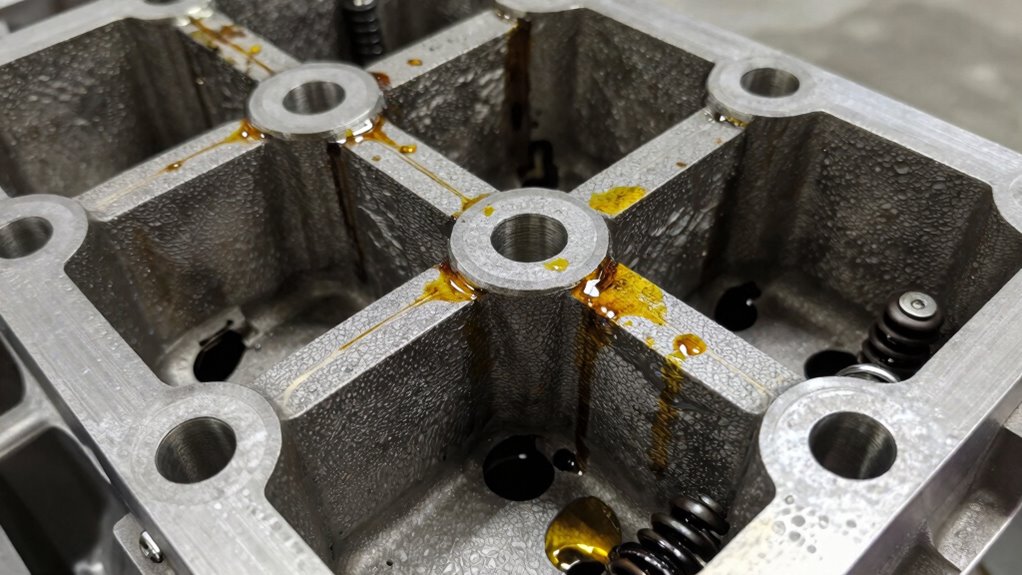

Your PCV system plays a essential role in controlling gases that contain moisture, unburned fuel, and contaminants, preventing oil dilution and sludge buildup. If it malfunctions or isn’t maintained, these harmful substances can mix with your engine oil, reducing lubrication and causing deposits inside the engine. Regularly inspecting and replacing faulty components keeps your engine clean and efficient. Keep going to discover more about how proper PCV system care protects your engine’s health.
Key Takeaways
- A malfunctioning PCV system allows unburned fuel and moisture to accumulate, leading to oil dilution.
- Clogged or faulty PCV valves cause sludge buildup by trapping contaminants in the engine.
- Proper PCV system maintenance prevents harmful deposits that compromise oil quality and engine health.
- Oil dilution from PCV system issues reduces lubrication efficiency, increasing engine wear.
- Regular inspection and replacement of PCV components are essential to prevent sludge and oil contamination.
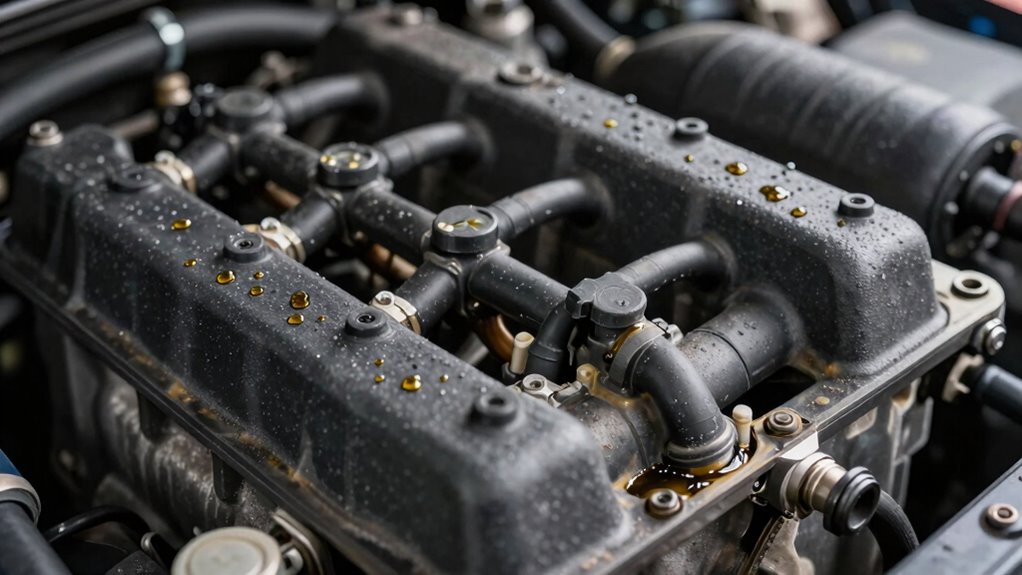
Your engine produces gases and vapors during combustion, which can contain moisture, unburned fuel, and contaminants. Without a functioning PCV system, these substances can settle inside your engine, leading to sludge formation and oil contamination. Regular PCV system maintenance involves inspecting the valve and hoses for cracks, clogs, or leaks. Replacing a faulty PCV valve promptly ensures that gases flow smoothly and prevents pressure buildup in the crankcase. When troubleshooting the system, you should check for signs like rough idling, increased oil consumption, or a noticeable oil smell in the engine bay. Sometimes, a simple cleaning of the PCV valve or replacing it with a new one can resolve the issue. If these steps don’t fix the problem, further diagnosis might involve inspecting the hoses for blockages or checking the crankcase pressure to identify if the system is working properly. Proper maintenance helps prevent accumulation of harmful deposits and ensures the air quality within your engine remains optimal. Neglecting PCV system maintenance can lead to more serious problems like oil dilution, where fuel mixes with the engine oil, reducing its lubricating properties. This can cause increased engine wear and even engine failure if left unchecked. Troubleshooting the PCV system early helps prevent such damage, saving you money and extending your engine’s lifespan. Keep in mind, a clogged or malfunctioning PCV valve can also cause rough engine performance, increased emissions, and poor fuel economy. Regular checks and timely replacements are straightforward ways to keep your system in top shape. In many cases, a simple inspection routine can catch issues before they escalate, ensuring your engine runs efficiently and reliably. Ultimately, investing time in PCV system maintenance and troubleshooting not only improves performance but also contributes to a cleaner environment by reducing harmful emissions.
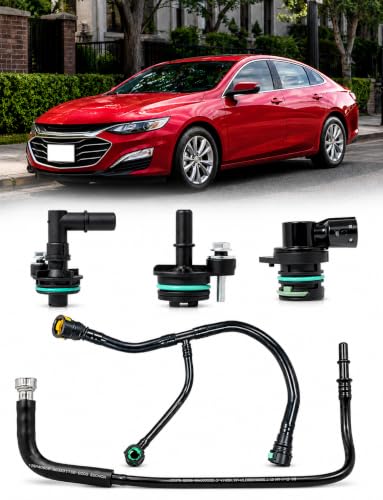
PCV Valve Replacement Kit with Tube for Chevy Cruze 1.4L 2016-2019
- Fix PCV System Failures: Resolves engine check light and leaks
- Complete 5-Piece Kit: Includes 2 tubes and 3 valves
- OEM Fitment: Compatible with Chevy Cruze 2016-2019
As an affiliate, we earn on qualifying purchases.
As an affiliate, we earn on qualifying purchases.
Frequently Asked Questions
How Can I Tell if My PCV System Is Malfunctioning?
You can tell if your PCV system is malfunctioning by checking for signs like excessive oil vapor buildup under the hood or around the valve cover. Perform a PCV valve inspection—if it’s clogged or stuck, it could cause oil dilution and sludge. Also, listen for rough idling or misfires, which often indicate a faulty PCV valve. Regular maintenance helps prevent these issues and keeps your engine running smoothly.
Are There Specific Signs Indicating Oil Dilution Caused by PCV Issues?
If your engine shows signs of oil contamination, like milky or frothy oil, it could indicate oil dilution from PCV issues. You might also notice reduced engine performance, such as hesitation or rough idling. These symptoms suggest that the PCV system isn’t functioning properly, allowing blow-by gases to mix with the oil. Addressing the problem promptly helps prevent further damage and keeps your engine running smoothly.
What Maintenance Is Required for a Healthy PCV System?
Did you know that a faulty PCV system can lead to up to 30% of engine oil becoming diluted? To keep it healthy, you should regularly check for signs of oil vapor buildup and replace the valve when needed. Performing routine valve replacement and inspecting hoses prevents sludge and oil dilution, ensuring your engine runs smoothly. Stay proactive with maintenance to avoid costly repairs down the line.
Can a Faulty PCV System Affect Fuel Efficiency?
A faulty PCV system can reduce your engine performance and negatively impact emission controls, which may lead to decreased fuel efficiency. When the PCV system isn’t working properly, it can cause oil dilution and sludge buildup, affecting combustion. This inefficiency forces your engine to work harder, consuming more fuel. Regularly maintaining and inspecting your PCV system ensures peak engine performance, helps control emissions, and keeps your fuel economy on track.
Are There Different Types of PCV Systems for Various Vehicle Models?
Yes, there are different types of PCV systems tailored to various vehicle models. You might think all PCV systems are the same, but their design varies considerably. Depending on your vehicle’s make and engine configuration, the PCV system design guarantees compatibility and peak performance. Ignoring these differences can lead to issues like oil dilution and sludge. So, always check your vehicle’s specifications to confirm the right fit.

EVIL ENERGY Oil Catch Can, Universal Baffled Catch Can Kit with Breather Filter, 300ml Aluminum Air Oil Separator Tank NBR Fuel Hose Kits for PCV System
- Universal Compatibility: Fits most cars for easy installation
- Hose Specifications: 2.6ft length, 3/8 inch ID, 300ML capacity
- Inlet/Outlet Thread: M16*1.5 thread size
As an affiliate, we earn on qualifying purchases.
As an affiliate, we earn on qualifying purchases.
Conclusion
Understanding PCV systems reveals how they can silently cause oil dilution and sludge buildup, potentially damaging your engine. Did you know that studies show up to 80% of engine failures are linked to oil contamination? Regular maintenance and inspections can help you catch issues early, saving you money and preventing costly repairs. Stay proactive, and you’ll keep your engine running smoothly, avoiding the hidden pitfalls that PCV systems can introduce.

Schley Tools – 14550 PCV/EVAP Hose Release Tool Kit
- Breather Hose Release Tool: Efficient hose removal
- High-Quality Material: Durable and reliable construction
As an affiliate, we earn on qualifying purchases.
As an affiliate, we earn on qualifying purchases.

TRIAX Pro Engine Flush Oil-Based Deep Clean Motor Oil Flush Removes Sludge & Carbon | Non-Solvent | Safe for Engine, Seals, Injectors | Professional Shop Grade (16 oz – 473 ml)
- Dissolves Sludge and Deposits: Removes engine sludge and deposits effectively
- Restores Engine Power: Improves oil circulation and engine performance
- Provides Anti-Wear Protection: Preloaded with ZDDP to prevent metal contact
As an affiliate, we earn on qualifying purchases.
As an affiliate, we earn on qualifying purchases.