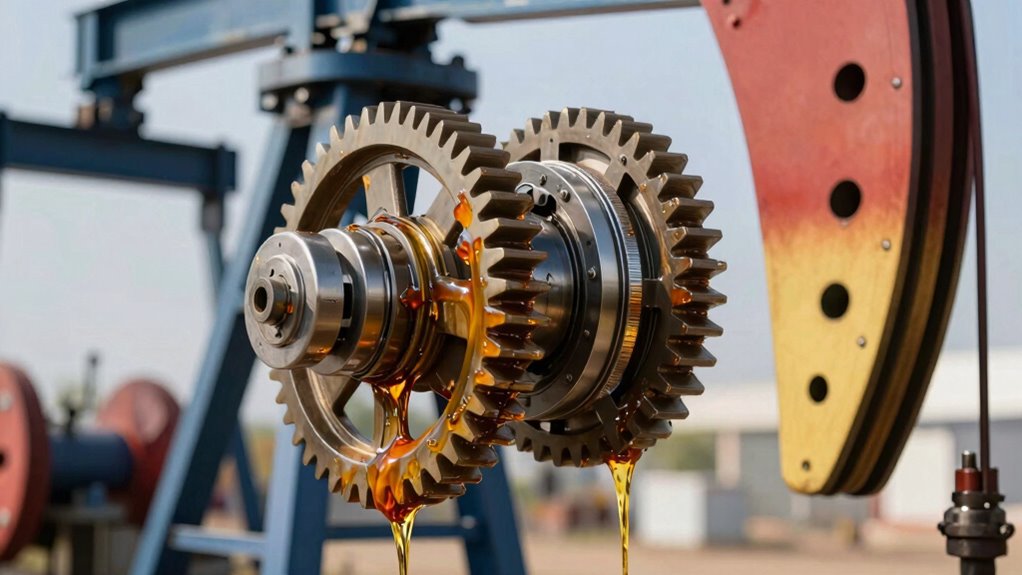

When viscosity changes, your oil pump faces different challenges: thicker oil needs more effort to circulate, especially in cold weather, while thinner oil flows more easily, easing pump workload in hot conditions. However, the pump itself doesn’t change; what varies is how easily it can move the oil. Understanding this can help you choose the right oil for temperature conditions, and there’s much more to uncover about maintaining ideal pump performance.

Get business pricing on garage and car supplies
- Business-only prices and quantity discounts
- Tax-exempt purchasing
- Multiple users, one account, clear invoices
Key Takeaways
- Higher viscosity oils require more effort from the pump to circulate, increasing strain and potentially reducing efficiency.
- Lower viscosity oils flow more easily, easing pump operation but may risk inadequate lubrication at high temperatures.
- Viscosity changes with temperature; cold thickens oil, making pump circulation harder, while heat thins oil, affecting lubrication quality.
- Synthetic lubricants maintain stable viscosity across temperature ranges, supporting consistent oil pump performance.
- Proper oil viscosity selection helps optimize pump efficiency, reduce wear, and ensure reliable engine lubrication.
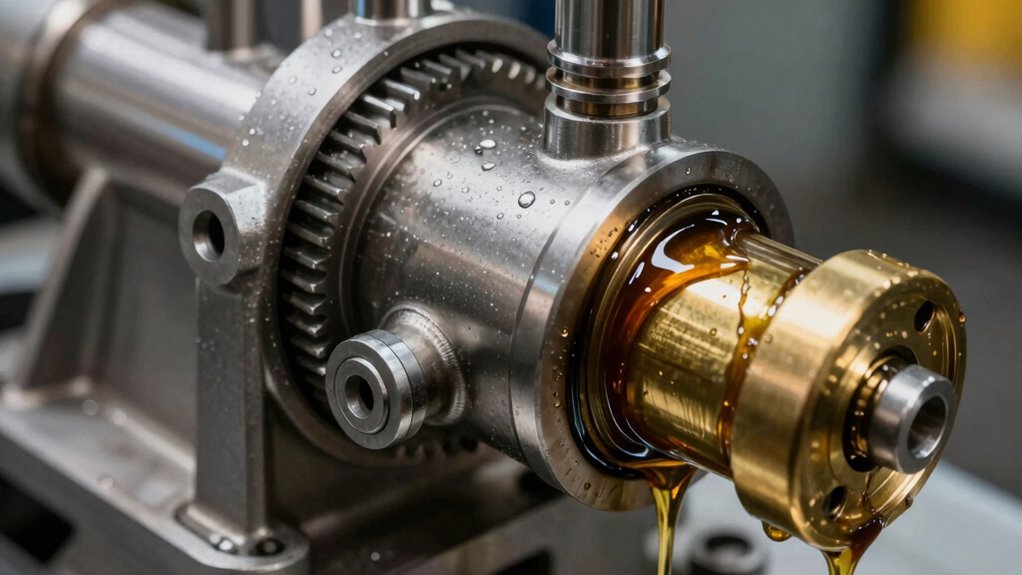
Have you ever wondered how the viscosity of your engine oil affects your vehicle’s performance? The viscosity impact is significant because it influences how well your engine components are lubricated, especially at different temperatures. When oil is too thick or too thin, it can hinder pump efficiency, which is essential for maintaining proper oil circulation. Viscosity determines how easily the oil flows through the engine’s passages, and this directly impacts how effectively your oil pump can circulate it. If the oil’s viscosity isn’t appropriate for your engine’s operating conditions, your pump may struggle to deliver the right amount of lubrication, leading to increased wear and potential engine damage.
Choosing the correct oil viscosity is key because a mismatch can cause the pump to work harder than necessary. For example, high-viscosity oils, which are thicker, require more effort for the pump to move through the engine. This increased effort can strain the pump and reduce its efficiency, especially during cold starts when the oil is naturally thicker. Conversely, low-viscosity oils flow more easily, allowing the pump to operate smoothly and efficiently. However, if the oil is too thin, it may not provide adequate lubrication at high temperatures, risking increased friction and wear. So, the key is balancing viscosity to enhance pump efficiency throughout your engine’s temperature range.
When viscosity changes due to temperature shifts, the pump’s performance can fluctuate. Cold weather thickens the oil, making it harder for the pump to circulate, which may momentarily reduce oil pressure. In hot conditions, the oil thins out, making it easier for the pump to move oil, but potentially compromising lubrication if it becomes too thin. That’s why modern engines often specify multi-grade oils that adapt to temperature changes, helping maintain consistent pump efficiency and lubrication. Understanding how viscosity impacts pump performance helps you choose the right oil and avoid unnecessary strain on your engine’s essential components.
Additionally, using synthetic lubricants with stable viscosity can help maintain consistent pump performance across temperature variations, reducing strain on your engine components. Ultimately, the relationship between viscosity and pump efficiency underscores the importance of using the correct oil for your vehicle. It’s not just about protecting your engine, but also ensuring that your oil pump operates effectively under various conditions. By maintaining proper viscosity, you help your pump do its job efficiently, reducing wear and prolonging engine life. So, next time you’re selecting oil, consider how viscosity impacts pump performance and choose an oil that supports optimal flow and lubrication, regardless of the weather. Knowing this simple yet fundamental aspect can make a notable difference in your engine’s health and longevity.
As an affiliate, we earn on qualifying purchases.
Frequently Asked Questions
How Quickly Does Oil Viscosity Change With Temperature Fluctuations?
You’ll notice oil viscosity changes quickly with temperature fluctuations, often within minutes. As temperatures rise, viscosity drops, improving flow and lubrication; when it cools, viscosity increases, which can cause flow issues. Maintaining temperature stability helps minimize viscosity fluctuation, ensuring your engine runs smoothly. Rapid changes mean you should monitor temperature conditions closely, especially during cold starts or high-heat situations, to prevent performance issues caused by viscosity shifts.
Are Synthetic Oils More Resistant to Viscosity Changes Than Conventional Oils?
Yes, synthetic oils are more resistant to viscosity changes than conventional oils. Their synthetic benefits include enhanced viscosity stability, especially in extreme temperatures. You’ll notice that synthetic oils maintain consistent lubrication and protection in cold starts and hot conditions, reducing engine wear. This stability helps your engine perform smoothly and last longer, making synthetic oils a smart choice for those seeking reliable, long-lasting engine protection regardless of temperature fluctuations.
Can Using the Wrong Viscosity Oil Damage the Oil Pump?
Using the wrong viscosity oil can cause oil pump wear and lead to lubrication failure. For example, if you use a thicker oil in cold weather, it might not circulate properly, straining the pump. Over time, this increases wear and risks damaging critical components. Always follow your vehicle’s recommended viscosity to guarantee proper lubrication and avoid costly repairs, keeping your oil pump functioning smoothly.
How Does Viscosity Impact Overall Engine Performance and Fuel Economy?
Viscosity directly impacts your engine’s oil flow, which in turn affects overall engine performance and fuel efficiency. Using the right viscosity guarantees smooth lubrication, reducing friction and wear. If the oil is too thick, it hampers flow, decreasing efficiency and increasing fuel consumption. Conversely, too thin oil can’t protect engine parts properly. Choose the correct viscosity to optimize oil flow, improve performance, and maximize fuel economy.
Are There Specific Conditions Where Viscosity Changes Are Negligible?
Yes, in conditions with stable temperatures and when your engine is compatible with a specific viscosity grade, changes are often negligible. For example, during mild weather or short trips, viscosity fluctuations have minimal impact on performance. You can trust that your engine’s design and temperature stability help maintain ideal lubrication, ensuring consistent operation without significant effects from viscosity variations. Always follow your vehicle’s recommended oil specifications for best results.
As an affiliate, we earn on qualifying purchases.
Conclusion
Remember, while thicker oil might seem like a fortress for your engine, it’s more like a weight on its shoulders, slowing everything down. Viscosity changes do matter, but don’t be fooled into thinking they rewrite the rules entirely. Just like a ship needs the right ballast to sail smoothly, your engine demands the right oil. Ultimately, understanding viscosity helps you steer clear of trouble—because knowing the truth is your best engine for a smooth ride ahead.
As an affiliate, we earn on qualifying purchases.
As an affiliate, we earn on qualifying purchases.
Halloween Picks
halloween
As an affiliate, we earn on qualifying purchases.