
When towing heavy loads, keep a close eye on thermal clues like unusual smells, squealing sounds, or a soft brake pedal, which point to overheating. Rising coolant temperatures or steam from the engine also signal it’s working too hard. Shortening your driving intervals, using engine braking, or pulling over can prevent costly damage. If you want to protect your vehicle and ensure safety, understanding these signs is key—there’s more to discover next.
Key Takeaways
- Watch for strong or unusual smells indicating brake or engine overheating during towing.
- Monitor temperature gauges regularly to detect rising coolant or brake system temperatures early.
- Listen for squealing brakes or a soft pedal, signaling excessive heat buildup.
- Observe if the engine fan runs more frequently or loudly, suggesting increased cooling demands.
- Be alert to steam, steam vapor, or coolant leaks, which show critical overheating issues.
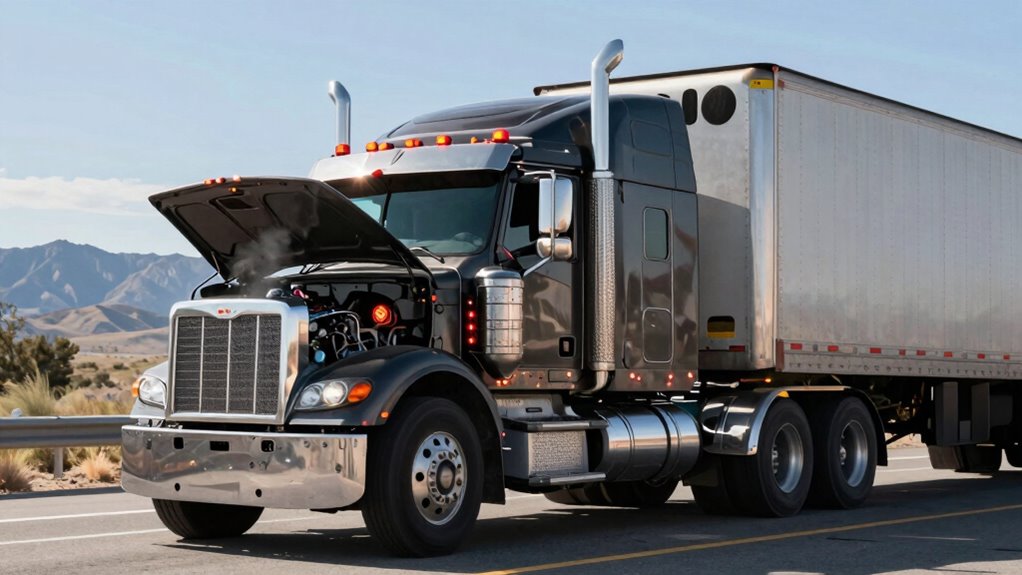
Towing and hauling heavy loads can be challenging, but understanding the basics guarantees you do it safely and efficiently. One critical aspect often overlooked is how your vehicle’s thermal systems, like the brake system and engine cooling, respond under stress. When you’re pulling a heavy trailer or cargo, these systems work overtime, and recognizing their signs can prevent costly damage and unsafe situations.
Your brake system is your first line of defense when towing. It’s designed to handle regular driving conditions, but extra weight puts additional strain on brake components. As you descend hills or come to sudden stops, the brakes heat up rapidly. If they overheat, their effectiveness diminishes, increasing stopping distances and risking brake fade. Pay attention to any unusual smells, squealing, or a soft brake pedal—these are signs your brakes are overheating. To avoid this, you should short your braking intervals, especially on long descents, allowing the brakes to cool down periodically. Installing brake cooling ducts or using engine braking by downshifting can also help reduce brake temperature.
Pay attention to signs of brake overheating like squealing, smells, or a soft pedal to prevent damage.
Equally important is the engine cooling system, which works tirelessly to keep your engine within safe operating temperatures. When towing heavy loads, your engine produces more heat due to increased workload. If the cooling system is not functioning properly or if you ignore thermal clues, your engine can overheat. Symptoms of overheating include rising coolant temperatures on the dashboard, steam from under the hood, or a sweet smell of leaking coolant. To prevent this, you should monitor temperature gauges closely and ensure your radiator is clean and filled with the correct coolant mixture. Sometimes, towing requires you to increase cooling efficiency by turning on the engine fan manually or pulling over to let the engine cool. Shortening driving intervals and giving your engine time to recover from high temperatures can extend the life of your cooling system components. Additionally, microplastics in dust can accumulate in cooling systems over time, potentially impairing their efficiency if not regularly cleaned.
Both brake system and engine cooling are interconnected in maintaining your vehicle’s integrity during heavy loads. Overworked brakes and overheated engines can lead to breakdowns or dangerous situations on the road. Recognizing thermal clues early allows you to take quick action—like reducing your load, increasing intervals between braking, or stopping to let your vehicle cool—that can save you time, money, and safety. Always keep an eye on your gauges, listen for unusual sounds, and don’t push your vehicle beyond its thermal limits. By doing so, you ensure that your towing experience remains safe, controlled, and efficient.

Allstar Performance ALL42141 Black 5" x 9-3/4" Single Hole Offset Plastic Brake Cooling Duct
- Offset single hole design: Brake cooling duct with offset hole
- Dimensions: 5 x 9-3/4 inches with 3-inch outlet
- Material: Heavy-duty black plastic
As an affiliate, we earn on qualifying purchases.
As an affiliate, we earn on qualifying purchases.
Frequently Asked Questions
How Does Ambient Temperature Affect Towing Capacity?
Ambient temperature affects your towing capacity because higher temperatures can reduce engine cooling efficiency, making it harder for your engine to stay within safe thermal limits. When it’s hot outside, you should shorten intervals between rest stops to prevent overheating and maintain ideal engine performance. Conversely, cooler temperatures help your engine cool more effectively, allowing you to tow heavier loads safely and for longer periods without risking damage.
What Safety Precautions Are Essential When Towing Heavy Loads?
When towing heavy loads, guarantee your vehicle remains stable by adjusting your speed and avoiding sudden maneuvers. Regularly check brake performance, especially on steep or long climbs, to prevent overheating. Use proper trailer brakes and maintain a safe following distance. Stay alert, and be mindful of thermal signs like brake fade or increased engine temperature, which indicate you should reduce load or shorten driving intervals to stay safe.
How Can I Optimize Fuel Efficiency During Towing?
Think of your towing as a tightrope walk—balance is key. To maximize fuel efficiency, keep your engine cooling system in check and ensure tire pressure is ideal; underinflated tires create drag, like trying to run through mud. Drive steadily, avoid abrupt acceleration, and plan routes to dodge steep inclines. These steps keep your engine humming smoothly and your fuel bills in check, making your tow a breeze.
What Are the Signs of Vehicle Overheating Under Load?
You’ll notice signs of engine overheating under load if your temperature gauge rises sharply or if you see steam or smoke coming from the engine. Pay close attention to engine cooling—if the radiator isn’t maintained properly, it can cause overheating. Regular radiator maintenance ensures peak engine cooling, preventing overheating. If you notice these signs, pull over safely, check coolant levels, and inspect your radiator to avoid serious damage.
How Often Should I Perform Maintenance When Towing Regularly?
Think of your vehicle as a marathon runner; regular maintenance keeps it in peak condition. You should check tire pressure weekly and inspect brake performance at every fill-up when towing regularly. Schedule a professional tune-up every 3,000 to 5,000 miles or as recommended by your manufacturer. This routine maintains your engine cool, prevents overheating, and ensures safe, dependable towing without surprises.

A-Premium Engine Radiator Cooling Fan Assembly
- Vehicle Compatibility: Fits Chrysler 300, Dodge Challenger, Charger
- Reference Numbers: Multiple OEM part numbers included
- Specifications: 12V, 3-pin terminal, includes shroud, single fan
As an affiliate, we earn on qualifying purchases.
As an affiliate, we earn on qualifying purchases.
Conclusion
Remember, your vehicle’s engine is like a heartbeat that signals when it’s under stress. If you notice overheating or unusual sounds, it’s a clear sign to shorten your intervals. Ignoring these thermal clues is like pushing a tired runner too far—you risk breakdowns and costly repairs. Stay attentive to your engine’s signals, take breaks when needed, and keep everything running smoothly. Treat your vehicle with care, and it’ll carry you safely through every heavy load.
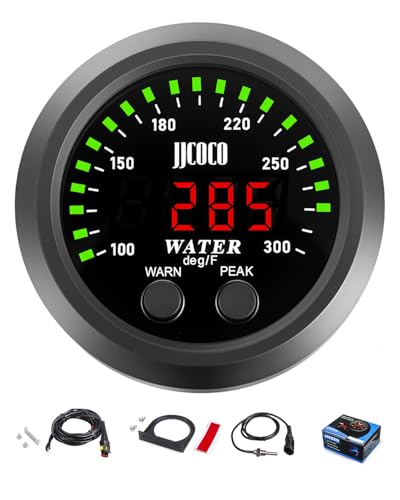
JJCOCO Water Temperature Gauge with 1/8NPT Sensor & Bracket 300°F Digital LED Display Water Coolant Temperature Gauge for Cars Trucks Ships Vehicle Automotive Boat Marine 2”/52mm
- Wide Temperature Range: 32°F to 300°F (0°C to 150°C)
- Dual-Alert Monitoring: Real-time peak temperature recall
- Customizable Overheat Alarm: Set flashing alarm thresholds easily
As an affiliate, we earn on qualifying purchases.
As an affiliate, we earn on qualifying purchases.
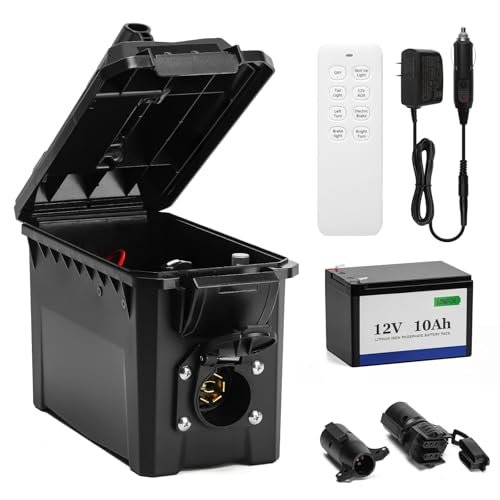
Trailer Light & Electric Brake Tester with 12V 10Ah Battery, Tests 7-Spade, 6-Round and 4/5-Flat Pin Type Trailer Harnesses, Upgrade Wireless Remote Control, IP68 Waterproof Case
- Wireless Remote Control: Operate tester remotely for convenience
- Wide Compatibility: Supports 7-way, 6-round, 4/5-flat connectors
- Safe and Reliable: Includes short-circuit and overload protection
As an affiliate, we earn on qualifying purchases.
As an affiliate, we earn on qualifying purchases.