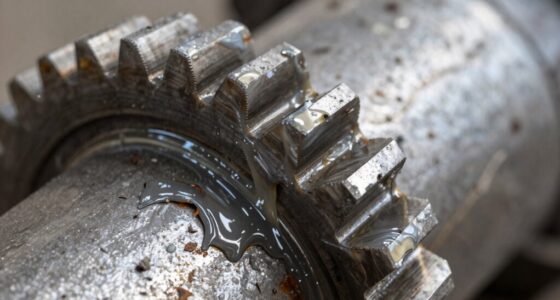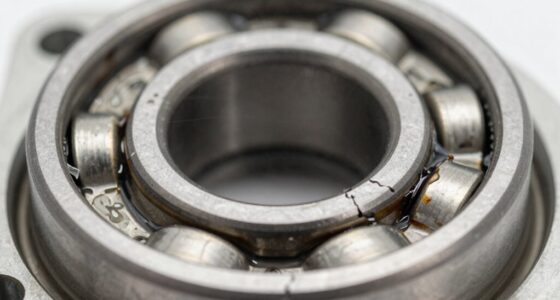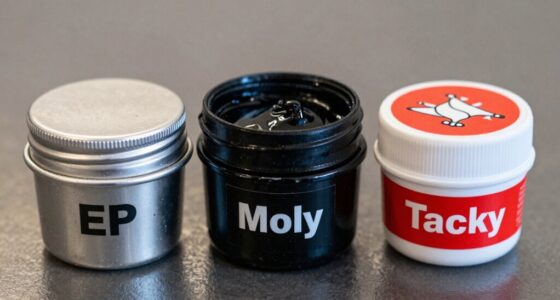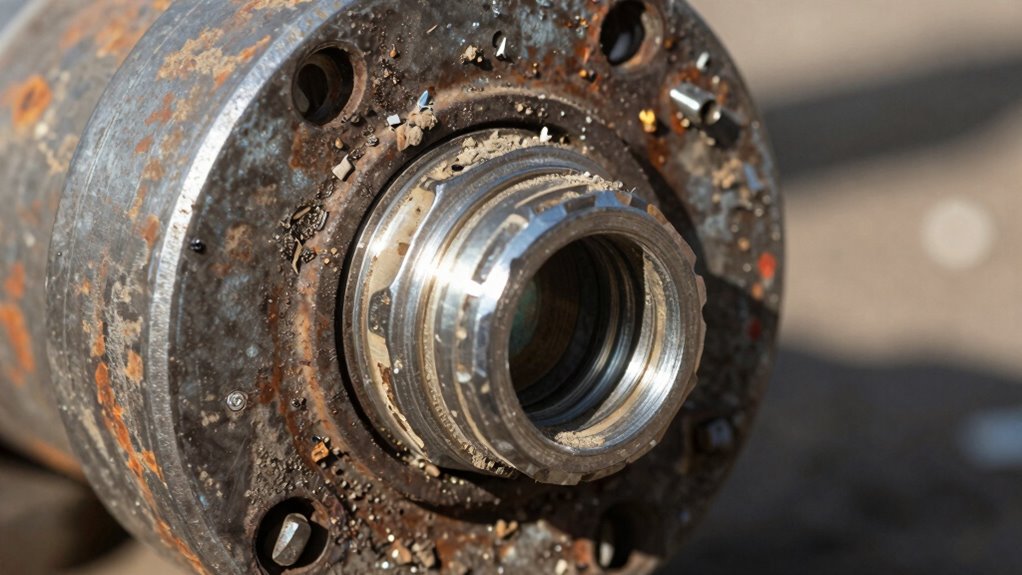
If you neglect to properly clean and maintain your grease fittings, dirt and debris can easily enter your machinery, leading to accelerated wear, contamination, and costly repairs. Always wipe fittings with a clean cloth or brush before applying grease and check for damage regularly. Ensuring fittings are in good condition prevents dirt from infiltrating bearings and joints, which helps machinery last longer and performs better. Stay tuned to discover more essential tips to keep your equipment running smoothly.

Get business pricing on garage and car supplies
- Business-only prices and quantity discounts
- Tax-exempt purchasing
- Multiple users, one account, clear invoices
Key Takeaways
- Neglected grease fittings can allow dirt, dust, and moisture to enter, causing accelerated wear and damage.
- Regular inspection and cleaning of fittings prevent dirt ingress and ensure proper lubrication.
- Damaged or clogged fittings should be replaced promptly to maintain a clean lubricant entry point.
- Proper cleaning before greasing removes contaminants, reducing the risk of dirt entering bearings or joints.
- Maintaining clean, functional fittings extends machinery lifespan and improves overall operational efficiency.
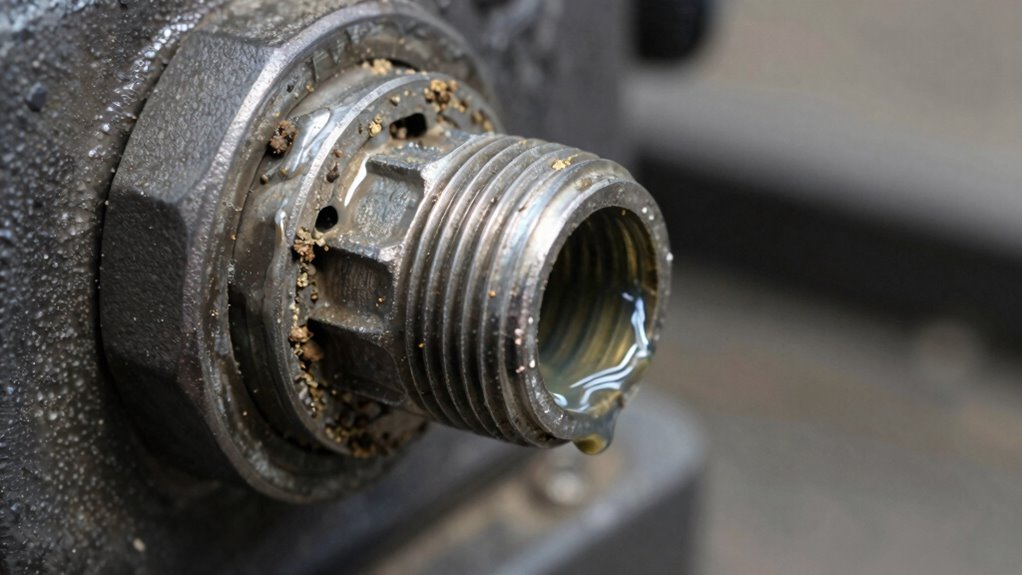
Have you ever wondered how machinery stays smooth and functional over time? The secret often lies in proper lubrication techniques, which ensure moving parts operate seamlessly and resist wear. One of the most overlooked yet critical components in this process is the grease fitting. These small fittings serve as the entry point for lubricant, but if they aren’t maintained properly, they can turn into dirt entry points that cause significant damage. That’s why fitting maintenance should be a top priority in your equipment care routine.
When you neglect grease fittings, dirt, dust, and moisture can infiltrate the bearing or joint, leading to accelerated wear or even failure. Dirt entry points compromise the protective environment around the moving parts, making lubrication less effective and allowing debris to grind against metal surfaces. This results in increased friction, overheating, and ultimately, costly repairs or downtime. To prevent this, you need to be proactive with fitting maintenance, regularly inspecting and cleaning these fittings to ensure they’re free of grime and debris before applying fresh grease.
Using the right lubrication techniques is essential to keep machinery running smoothly. Before applying any grease, wipe the fitting with a clean cloth or use a dedicated brush to remove dirt and old grease. This simple step prevents contaminants from being pushed into the bearing or joint. When you connect your grease gun, ensure you’re using the correct type and amount of grease specified by the manufacturer. Over-greasing can cause excess pressure, forcing dirt into the fitting, while under-greasing leaves the components vulnerable to wear.
Another key aspect of fitting maintenance is inspecting the condition of the fittings themselves. Over time, grease fittings can become clogged or damaged, which hampers the flow of lubricant. If you notice a fitting that’s cracked, bent, or not accepting grease, replace it promptly. Regularly checking for leaks or corrosion around the fitting also helps prevent dirt from entering. When fittings are in good condition and properly maintained, they serve as reliable entry points for lubrication, extending the lifespan of your machinery. Proper fitting maintenance ensures your equipment remains protected from dirt ingress and operational issues.
As an affiliate, we earn on qualifying purchases.
Frequently Asked Questions
How Often Should Grease Fittings Be Inspected?
You should inspect grease fittings at least once a month as part of your maintenance schedule. Regular inspection helps you spot dirt or corrosion that could clog the fitting and prevent proper lubrication. If you use equipment heavily or in harsh conditions, consider inspecting more frequently. Keeping an eye on these fittings guarantees smooth operation, reduces wear, and extends the lifespan of your machinery.
What Tools Are Best for Cleaning Grease Fittings?
You should use a wire brush or a dedicated grease fitting cleaner to effectively remove dirt and debris. For more thorough cleaning, a flexible pick or a small brush works well. When applying grease, choose the right grease gun type—manual or pneumatic—to guarantee proper lubrication. These cleaning tools help maintain the fittings, prevent dirt entry, and ensure smooth operation, extending the lifespan of your equipment.
Can Faulty Grease Fittings Cause Other Vehicle Problems?
Faulty grease fittings are like weak links in a chain—they can cause bigger problems. When you neglect lubrication, it increases corrosion risks and can lead to parts wearing out faster. This neglect can result in poor handling, increased fuel consumption, or even suspension failure. Addressing faulty fittings promptly keeps your vehicle running smoothly and prevents costly repairs down the road. Don’t ignore them; your vehicle depends on proper lubrication.
Are There Different Types of Grease Fittings?
Yes, there are different types of grease fittings. You’ll find fitting varieties like standard, flush, and high-pressure fittings, each designed for specific applications. When comparing types, consider their compatibility with your equipment and ease of access. Understanding the types comparison helps you choose the right fitting to guarantee proper lubrication and prevent dirt entry, ultimately extending your vehicle’s lifespan and maintaining ideal performance.
How Do I Know if a Grease Fitting Is Damaged?
You notice resistance or difficulty when using lubrication techniques; this hints your grease fitting might be damaged. Check for visible signs like cracks, rust, or debris around the fitting. If it feels loose or leaks grease, it’s time for fitting replacement methods. Ignoring these signs can lead to equipment failure, so promptly inspect and replace damaged fittings to maintain ideal lubrication and prevent costly repairs down the line.
As an affiliate, we earn on qualifying purchases.
Conclusion
Don’t delay addressing dirt entry points like grease fittings. By fixing these flaws first, you protect your equipment from costly corrosion and contamination. Taking time to tighten, clean, and check these vital connectors keeps your machinery moving smoothly and minimizes maintenance mishaps. Remember, small steps stop significant setbacks. So, stay vigilant, secure your fittings, and safeguard your gear. Your effort today ensures your equipment’s endurance, efficiency, and excellence tomorrow!
As an affiliate, we earn on qualifying purchases.
machinery grease gun accessories
As an affiliate, we earn on qualifying purchases.
As an affiliate, we earn on qualifying purchases.
Fall Picks
fall essentials
As an affiliate, we earn on qualifying purchases.