
Monitoring your coolant pH is a quick way to predict corrosion and protect your engine. Using test strips or digital testers, you can check whether your coolant stays within the safe pH range of 7.0 to 8.5 in just minutes. Maintaining proper pH levels prevents metal corrosion, leaks, and costly damage. Keeping an eye on your coolant’s pH is simple and essential—discover more tips to keep your engine running smoothly.
Open a free Amazon Business account
Business pricing, bulk buying and tax-exempt orders.
As an affiliate, we earn on qualifying purchases.
Key Takeaways
- Coolant pH indicates its acidity or alkalinity, predicting corrosion potential in minutes.
- Regular pH testing helps detect early signs of coolant imbalance before damage occurs.
- Maintaining a pH between 7.0 and 8.5 minimizes corrosion risks and prolongs cooling system lifespan.
- Quick testing methods like strips or digital testers provide instant pH readings for timely adjustments.
- Proper pH management prevents metal corrosion, leaks, and costly engine repairs.

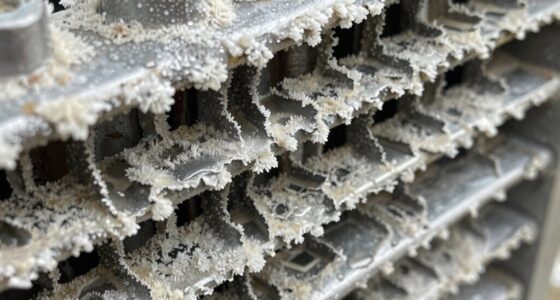
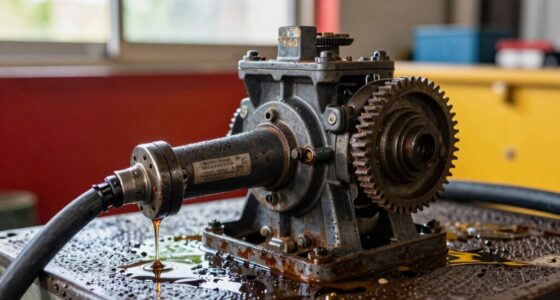
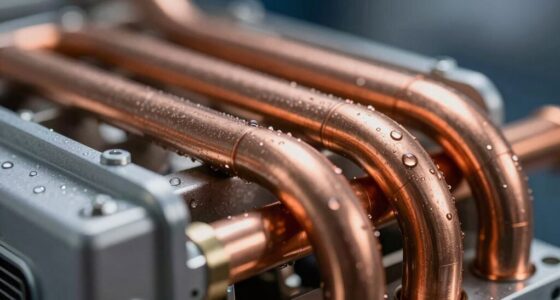
Have you ever wondered why maintaining the correct coolant pH level is essential for your vehicle’s cooling system? The answer lies in the delicate balance needed to prevent corrosion, overheating, and engine damage. Coolant, often a mixture of water and antifreeze, works to transfer heat away from your engine. But its effectiveness depends heavily on its chemical properties, especially the pH level. The antifreeze composition isn’t just about freezing and boiling points; it also influences the coolant’s acidity or alkalinity. When the pH drifts out of the optimal range, it can lead to corrosion of metal parts like the radiator, water pump, and engine block. This corrosion weakens these components over time, increasing the risk of leaks and costly repairs.
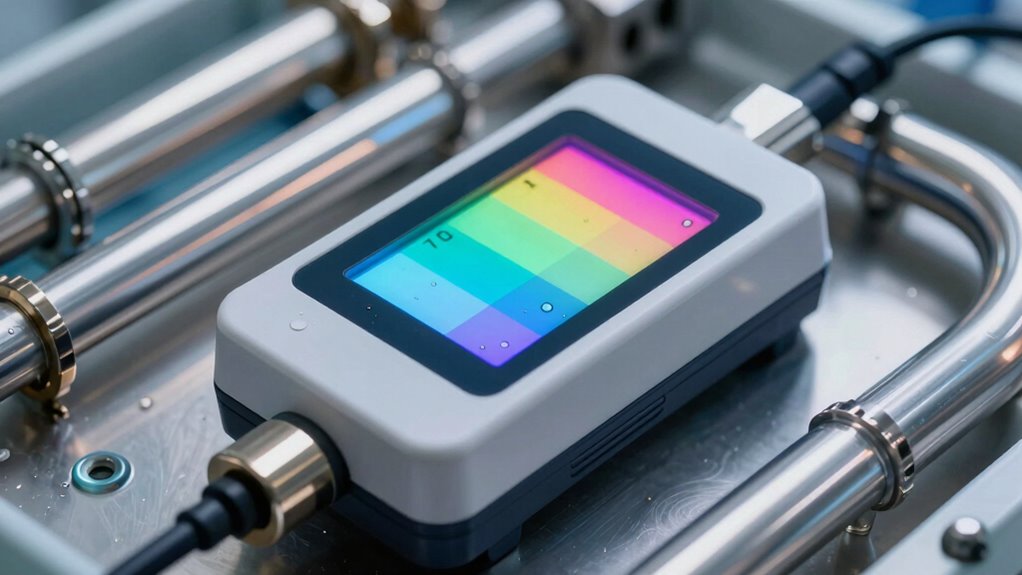
To keep tabs on your coolant’s health, you need reliable pH testing methods. These methods are quick, straightforward, and vital to catching potential issues early. Most commonly, you’ll find test strips or digital testers. Test strips are easy to use—simply dip them into the coolant, wait a few seconds, and compare the color change to a chart. Digital testers, on the other hand, provide a precise pH reading instantly, helping you determine whether your coolant is still within the safe range, typically between 7.0 and 8.5 for most vehicles. Regular testing is essential because antifreeze composition can change over time due to contamination, breakdown, or neglect. As coolant ages, its ability to resist corrosion diminishes, and its pH can become too acidic or too alkaline.
Knowing how to assess your coolant’s pH level allows you to take proactive steps. If your tests reveal a pH outside the optimal range, you can either add a pH buffer or flush and replace the coolant entirely. Maintaining the correct pH not only prolongs the lifespan of your cooling system components but also ensures your engine runs efficiently and stays cool under pressure. It’s a simple step that saves you money and prevents breakdowns. Remember, coolant isn’t just about preventing freezing in winter or boiling in summer; it’s a critical factor in protecting your engine from corrosion and damage. By understanding antifreeze composition and utilizing effective pH testing methods, you empower yourself to keep your vehicle running smoothly and avoid costly repairs down the road. Regular checks and proper maintenance are your best defenses against the silent threat of pH imbalance in your cooling system. Additionally, understanding the role of coolant monitoring can help you maintain optimal performance and extend your vehicle’s lifespan.
As an affiliate, we earn on qualifying purchases.
Frequently Asked Questions
How Often Should Coolant pH Be Tested?
You should test your coolant pH every 3 to 6 months, especially if your engine temperature fluctuates or you use coolant additives. Regular testing helps you catch pH imbalances early, preventing corrosion and extending your system’s life. Keep an eye on coolant condition, and perform tests more frequently if you notice leaks or overheating. Monitoring pH guarantees your engine runs smoothly and avoids costly repairs.
What pH Level Indicates Coolant Corrosion Risk?
If your coolant’s pH drops below 7, you’re at risk of acidic corrosion, which can damage engine parts. For example, a vehicle with a pH of 6.5 experienced increased corrosion, leading to costly repairs. Maintaining pH stabilization above 7 helps prevent this. Regular testing guarantees you catch pH imbalances early, so you can address acidity before it causes significant corrosion and engine issues.
Can pH Levels Vary With Coolant Type?
Yes, pH levels vary with coolant type because different coolants have unique chemistry. You’ll find that coolant chemistry influences pH stabilization, which helps prevent corrosion. Regularly testing and adjusting pH guarantees peak performance, regardless of coolant type. Monitoring pH levels allows you to detect changes early, so you can maintain proper coolant chemistry and protect your system from corrosion risks effectively.
Is pH Testing Suitable for All Vehicle Types?
Yes, pH testing is suitable for most vehicle types, but keep in mind its limitations. Different vehicles have varying coolant formulations, so compatibility matters. While pH testing quickly indicates corrosion risk, it may not detect all issues, especially in complex systems. Always check your vehicle’s manufacturer guidelines and consider other diagnostic methods alongside pH testing to guarantee thorough coolant health assessment.
What Are the Signs of Coolant pH Imbalance?
If your coolant pH is imbalanced, you’ll notice signs like engine overheating, corrosion, or leaks. Chemical reactions in the cooling system can accelerate corrosion if pH levels are too low or too high. To catch this early, regularly check your coolant pH and verify your sensor calibration is accurate. Promptly addressing pH imbalance prevents damage, keeping your engine running smoothly and avoiding costly repairs.
As an affiliate, we earn on qualifying purchases.
Conclusion
Keeping an eye on your coolant pH is like having a trusty compass in a storm—it guides you away from hidden corrosion dangers before they strike. When you measure pH regularly, you’re the captain steering clear of rusted waters and engine damage. Think of it as your engine’s secret handshake, revealing trouble early. Stay vigilant, and your coolant’s pH will tell you a story—one that keeps your engine humming smoothly, mile after mile.
As an affiliate, we earn on qualifying purchases.
As an affiliate, we earn on qualifying purchases.
NFL season / tailgating Picks
team gear
As an affiliate, we earn on qualifying purchases.