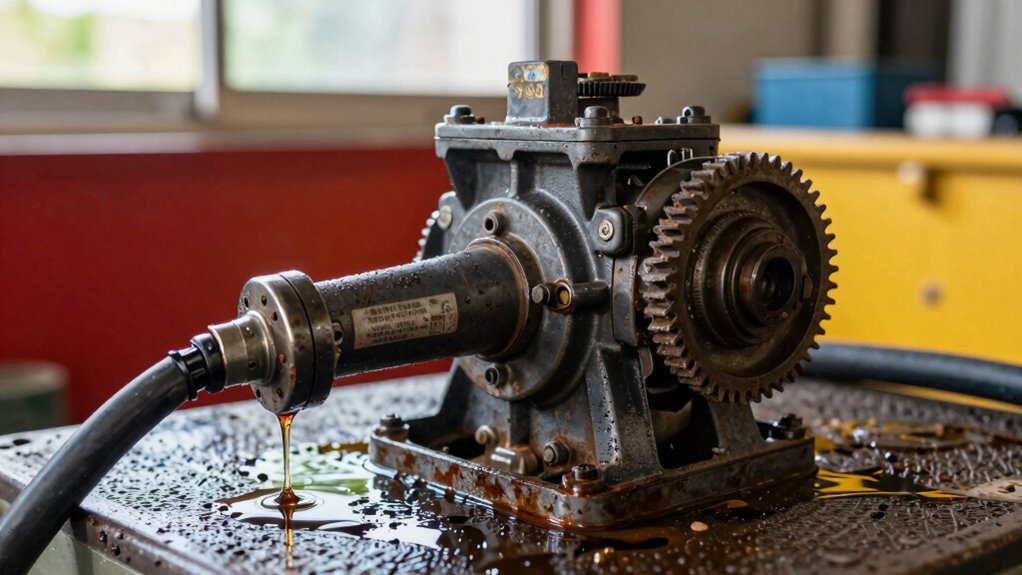

Proper coolant can influence your water pump’s lifespan by preventing corrosion, leaks, and impeller damage. Using high-quality, correct mixture coolant reduces the risk of internal deterioration and extends pump life. However, coolant can’t fix mechanical issues like broken shafts, worn bearings, or cracked housings. If you want to learn how to keep your pump in top shape and avoid costly failures, stick with us for more useful tips.
Listen free for 30 days with Audible
Thousands of audiobooks and originals — cancel anytime.
As an affiliate, we earn on qualifying purchases.
Key Takeaways
- Proper coolant quality prevents impeller corrosion and extends pump lifespan but cannot fix mechanical failures like broken shafts or damaged bearings.
- Contaminated or degraded coolant accelerates corrosion, reducing pump efficiency and potentially causing leaks.
- Regular coolant maintenance, including system flushing and proper mixture, helps prevent premature pump failure due to corrosion.
- Coolant cannot address issues caused by loose fittings, cracked hoses, or worn-out seals.
- Monitoring coolant condition is vital, but diagnosing pump failure requires identifying mechanical problems beyond coolant influence.

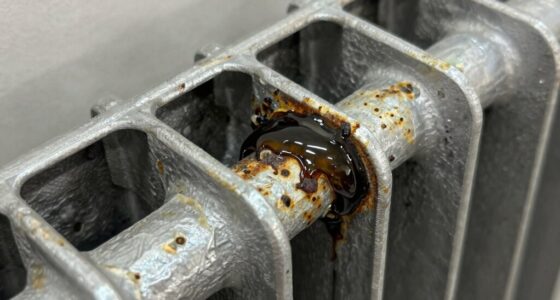
Water pump failures can cause serious problems for your vehicle or home systems, often leading to overheating, loss of coolant, or complete system breakdowns. When your water pump isn’t working properly, you might notice coolant leaks around the pump area or see puddles under your vehicle. Coolant leaks are a clear sign that the pump is compromised, and ignoring them can lead to low coolant levels, which drastically decreases your system’s ability to regulate temperature. This can cause your engine or household system to overheat, risking severe damage. One common cause of these leaks is pump impeller corrosion. Over time, the impeller, which circulates coolant through your system, can corrode due to exposure to contaminants or prolonged use. When corrosion occurs, it weakens the impeller blades and causes leaks or even complete failure of the pump. This deterioration often results in reduced coolant flow, making it harder for your system to maintain ideal temperatures and increasing the chances of overheating.
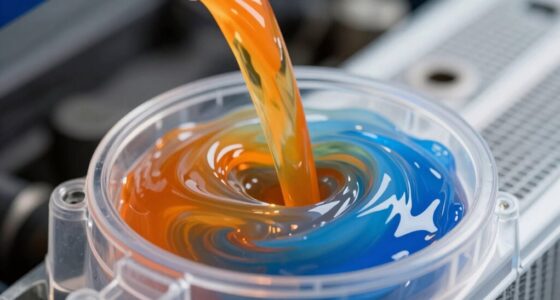
You might think that coolant quality doesn’t influence pump longevity, but it plays a significant role. Poor-quality or contaminated coolant can accelerate impeller corrosion, especially if it contains corrosive additives or debris. Using the right coolant mixture and replacing it at recommended intervals helps prevent corrosion and prolongs the life of the pump. Keep an eye on your coolant levels and condition; if you see discolored, gritty, or sludgy coolant, it’s time to flush and refill the system with fresh, proper coolant. This simple maintenance step can prevent premature pump failure caused by corrosive buildup. Additionally, understanding system maintenance, including coolant management, is crucial for ensuring the longevity of your water pump.
While coolant leaks and impeller corrosion are directly linked to water pump issues, there are limits to what coolant can influence. For example, coolant cannot fix an already broken pump shaft or a damaged bearing. These mechanical failures require repair or replacement of the pump itself. Similarly, coolant quality won’t prevent all types of leaks—some may be caused by loose fittings, cracked hoses, or worn-out seals unrelated to the coolant’s condition. Hence, it’s essential to diagnose the root cause of your water pump problem accurately. Regular inspections and maintenance can catch early signs of impeller corrosion or leaks, saving you money and preventing catastrophic failures.
As an affiliate, we earn on qualifying purchases.
Frequently Asked Questions
Can Using the Wrong Coolant Cause Water Pump Failure?
Using the wrong coolant can indeed cause water pump failure. If the coolant chemistry isn’t compatible with your pump’s material, it can lead to corrosion or deposits that wear down components. Always check your vehicle’s specifications and choose a coolant formulated for your pump’s material. Proper coolant chemistry helps maintain the pump’s integrity, preventing damage caused by incompatible fluids and ensuring your cooling system runs smoothly.
How Often Should Coolant Be Replaced to Prevent Pump Issues?
Did you know that neglecting coolant replacement increases engine failure risk by up to 50%? You should replace your coolant every 30,000 to 50,000 miles or roughly every 2 to 5 years, depending on your vehicle and coolant type. Following your manufacturer’s recommended replacement intervals helps prevent pump issues, corrosion, and overheating, ensuring your water pump stays in good shape and your engine runs smoothly.
Does Coolant Color Indicate Water Pump Health?
No, coolant color alone doesn’t indicate your water pump’s health. Coolant dye can change color over time, leading to color misinterpretation, which might mislead you into thinking there’s an issue when there isn’t. Instead, focus on coolant condition, leaks, and pump performance. Regular maintenance and professional inspections are your best bet for ensuring your water pump stays in good shape, regardless of coolant color.
Can a Faulty Water Pump Cause Engine Overheating?
Think of your engine as a busy city, with the water pump as the traffic cop directing coolant flow. If it’s faulty, overheating can erupt like a traffic jam, especially if radiators leak or the thermostat malfunctions. These issues block coolant movement, causing heat to build up. Without proper flow, your engine’s temperature skyrockets, risking serious damage. Regular checks help *guarantee* the pump keeps traffic moving smoothly, preventing overheating disasters.
What Are Signs of Water Pump Failure Unrelated to Coolant?
If your water pump is failing, you might notice leak detection signs like puddles under your car or coolant spots on the ground. Noise symptoms such as squealing or grinding sounds can also indicate issues. These signs appear regardless of coolant quality. Keep an eye out for leaks and unusual noises, as they often signal water pump problems that need prompt attention to prevent further engine damage.
water pump impeller replacement kit
As an affiliate, we earn on qualifying purchases.
As an affiliate, we earn on qualifying purchases.
Conclusion
Think of your water pump like the heart of your car’s cooling system. Just as neglecting your heart’s health can lead to failure, ignoring coolant quality can cause your pump to fail prematurely. I once saw a vehicle run smoothly until neglecting coolant led to a sudden breakdown—like a heart attack. Regular checks and using the right coolant are your best defenses. Keep your system healthy, and your engine will keep humming along.
As an affiliate, we earn on qualifying purchases.
As an affiliate, we earn on qualifying purchases.
NFL season / tailgating Picks
team gear
As an affiliate, we earn on qualifying purchases.