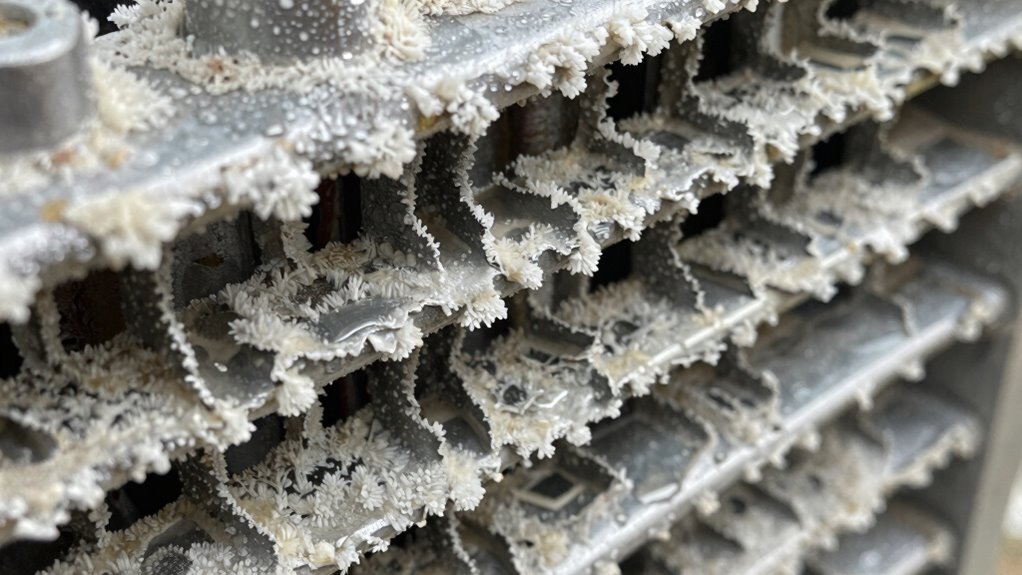
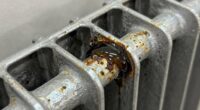
Hard water in cooling systems causes mineral scale buildup that can look like overheating, making it tricky to diagnose. These mineral deposits, mainly calcium and magnesium, form stubborn layers on pipes and heat exchangers, reducing heat transfer efficiency. This buildup can cause the system to work harder, elevating energy use and mimicking overheating symptoms. If minerals aren’t controlled, it can lead to corrosion and costly damage. Keep going to discover effective prevention and maintenance strategies.
Listen free for 30 days with Audible
Thousands of audiobooks and originals — cancel anytime.
As an affiliate, we earn on qualifying purchases.
Key Takeaways
- Mineral deposits from hard water form scale that insulates heat exchange surfaces, mimicking overheating symptoms.
- Scale buildup increases system workload, causing temperature fluctuations similar to overheating issues.
- Mineralization reduces cooling efficiency, leading to higher energy consumption and potential system shutdowns.
- Hard water causes mineral deposits to adhere stubbornly, requiring targeted treatment and regular maintenance.
- Proper water treatment and monitoring prevent scale formation, avoiding false overheating diagnoses and system damage.
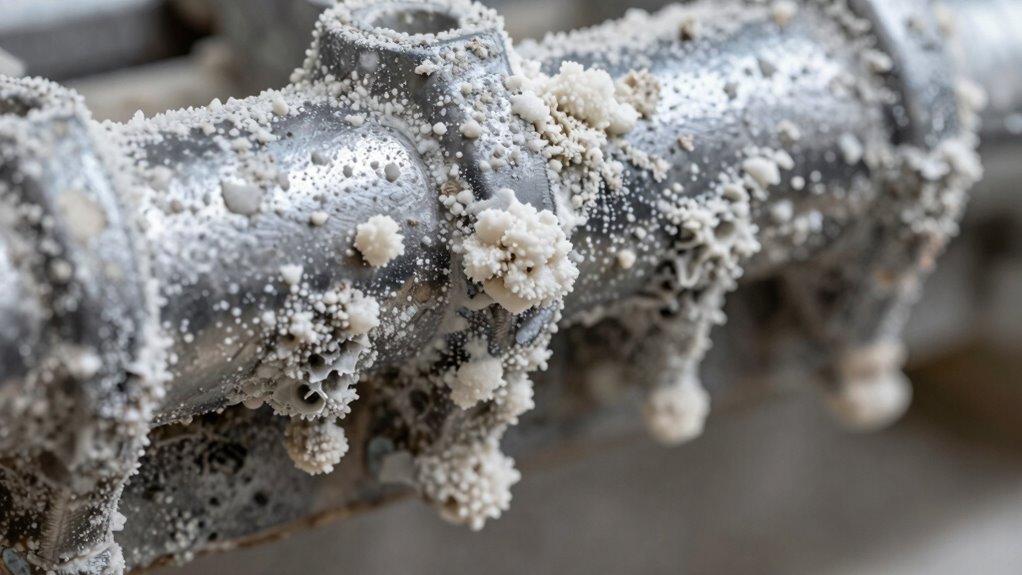
Have you ever wondered how hard water impacts your cooling system? The answer lies in the process of water mineralization, which refers to the high concentration of minerals like calcium and magnesium in your water supply. When hard water flows through your cooling system, these minerals don’t just passively travel; they actively leave deposits on the internal surfaces. Over time, this buildup forms scale—solidified mineral deposits that cling stubbornly to pipes, heat exchangers, and other components. This mineral scale acts as an insulator, impeding heat transfer and making your system work harder to maintain the desired temperature. The more mineralization occurs, the thicker and more extensive the scale becomes, leading to inefficiencies and potential system failures.
Hard water causes mineral deposits that insulate and hinder heat transfer in cooling systems.
The presence of scale can make your cooling system seem like it’s overheating, but in reality, it’s the scale buildup that’s blocking proper heat dissipation. You might notice increased energy consumption, fluctuating temperatures, or even unexpected shutdowns. The tricky part is that this problem often mimics genuine overheating issues, making it harder to diagnose. Without proper attention, mineral deposits can cause corrosion, leaks, and ultimately, costly repairs or replacements.
Fortunately, scale prevention is possible if you understand how to manage water mineralization effectively. One of the most straightforward approaches is to treat the water before it enters the system. Water softening techniques, such as ion exchange resins, can replace calcium and magnesium ions with sodium, markedly reducing mineral content. This process helps keep scale formation at bay and preserves your equipment’s efficiency. Additionally, you can install chemical treatment solutions that inhibit mineral buildup, such as scale inhibitors or corrosion inhibitors, which form protective films on surfaces and prevent minerals from crystallizing. Understanding water mineralization is key to implementing effective preventative measures.
Regular maintenance also plays a pivotal role in scale prevention. Flushing the system periodically to remove any accumulated deposits and inspecting for early signs of mineral buildup allows you to address issues before they escalate. Using water testing kits to monitor mineral levels helps you stay ahead of potential scaling problems. In some cases, employing automatic dosing systems for chemicals ensures consistent water quality, reducing the risk of mineralization reaching problematic levels.
water softener for cooling systems
As an affiliate, we earn on qualifying purchases.
As an affiliate, we earn on qualifying purchases.
Frequently Asked Questions
How Can I Prevent Hard Water Buildup in My Cooling System?
To prevent hard water buildup in your cooling system, you should implement water softening methods, such as installing a water softener to remove minerals. Additionally, consider chemical treatment options like corrosion inhibitors and scale preventatives to keep deposits at bay. Regularly monitor water quality and perform maintenance to guarantee the system stays free of scale, which helps avoid overheating and maintains peak performance.
Are There Eco-Friendly Solutions to Address Scaling Issues?
Yes, you can use eco-friendly alternatives like water softeners made from natural materials or employ sustainable treatment options such as ion exchange resins that are environmentally friendly. You might also consider using eco-friendly descaling solutions or installing magnetic or electronic water conditioners. These options help reduce scaling without harming the environment, allowing you to maintain your cooling system effectively while supporting sustainability efforts.
What Are the Long-Term Effects of Untreated Hard Water in Cooling Systems?
Have you considered what happens if you ignore untreated hard water? Over time, it can cause corrosion risks that severely damage your cooling system, leading to costly repairs. Hard water buildup also shortens your equipment’s lifespan by causing scale and blockages. If left unchecked, these issues can result in system failures and increased downtime, making it essential to address hard water problems early to protect your investment and ensure reliable operation.
Can Hard Water Damage Other Components Besides the Cooling System?
Yes, hard water can damage other components beyond the cooling system. The mineral deposits from hard water can cause corrosion risk in metal parts, leading to leaks and failures. You might notice clogging or reduced efficiency in pumps and valves, as minerals build up and hinder movement. Regular maintenance and water treatment are essential to prevent these issues and protect your equipment from long-term damage.
How Often Should I Test My Water Hardness Levels?
Ever wonder how often you should test your water hardness levels? You should verify them at least every 3 to 6 months to catch any changes early. Regular water testing helps you monitor hardness levels and prevent scale buildup that could damage your cooling system. If you notice a spike in hardness, it’s time to take action. Staying proactive ensures your system runs smoothly and avoids costly repairs.
scale inhibitor for water treatment
As an affiliate, we earn on qualifying purchases.
As an affiliate, we earn on qualifying purchases.
Conclusion
To keep your cooling system running smoothly, address hard water issues before they become a ticking time bomb. Think of it as tending to a garden; neglecting small problems allows weeds to take over. Regular maintenance and water treatment act like a shield, preventing scaling buildup and overheating. Don’t wait until it’s too late—stay vigilant and treat hard water like a silent thief, quietly stealing efficiency and lifespan from your equipment.
As an affiliate, we earn on qualifying purchases.
chemical water treatment for cooling systems
As an affiliate, we earn on qualifying purchases.
As an affiliate, we earn on qualifying purchases.
NFL season / tailgating Picks
team gear
As an affiliate, we earn on qualifying purchases.