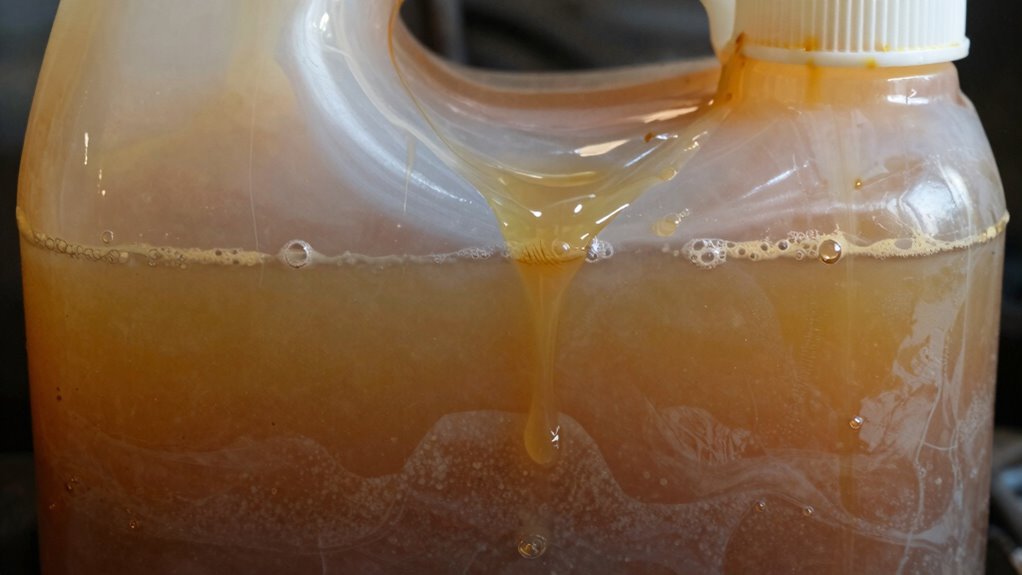

If you notice a sweet or burnt smell, slimy residue, or sediment around your radiator cap or coolant reservoir, these are signs your coolant may be degrading. Discoloration or deposits can also indicate deterioration or corrosion, which risks engine overheating and radiator damage. Keep an eye out for these clues, as early detection helps prevent costly repairs. Stay with us to learn more about maintaining your cooling system and avoiding major issues.

Get business pricing on garage and car supplies
- Business-only prices and quantity discounts
- Tax-exempt purchasing
- Multiple users, one account, clear invoices
Key Takeaways
- A sweet or burnt smell indicates antifreeze chemical breakdown and potential coolant degradation.
- Presence of slime or slimy residue around the radiator cap or coolant reservoir signals contamination.
- Sediment buildup at the bottom of the radiator or within fins suggests coolant corrosion and deterioration.
- Discoloration or deposits in the coolant point to chemical breakdown and possible radiator corrosion.
- Increased engine temperature or debris accumulation can imply impaired heat transfer from degraded coolant.
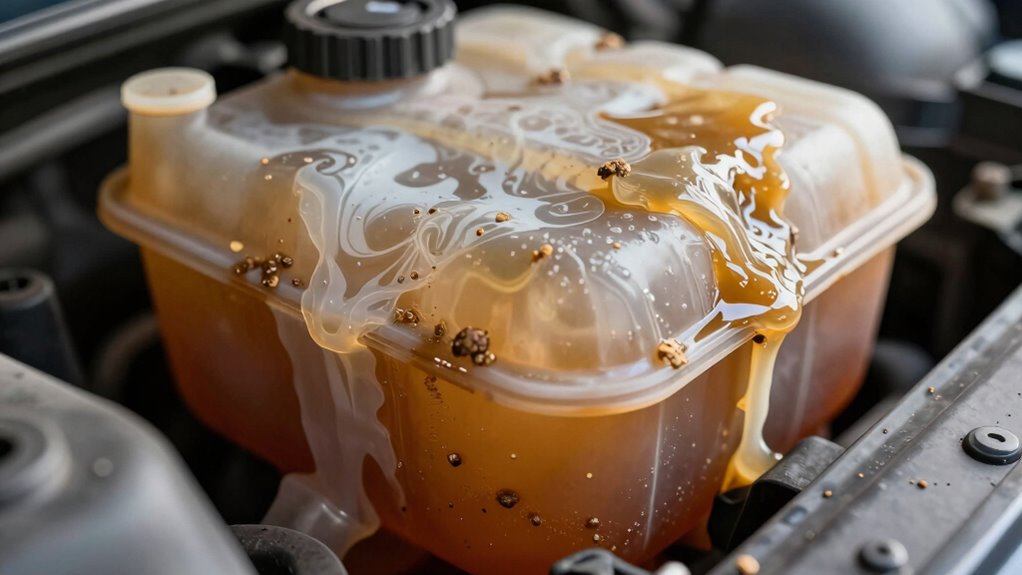
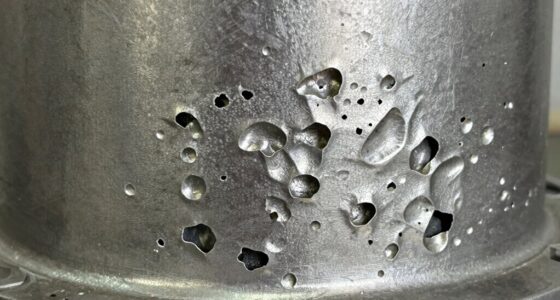
Coolant degradation occurs when the fluid used to regulate your engine’s temperature breaks down over time, reducing its effectiveness. As the coolant ages, it becomes less capable of preventing overheating and protecting your engine from corrosion. One of the key signs of this deterioration is antifreeze breakdown, which happens when the chemical properties of the coolant weaken, leading to diminished thermal transfer and increased risk of engine damage. When antifreeze breaks down, it often produces a distinct smell—sometimes sweet or slightly burnt—that signals it’s time to check your cooling system. Ignoring these signs can accelerate issues like radiator corrosion, a common consequence of prolonged exposure to degraded coolant. Proper maintenance and awareness of ethical consumer practices can help you make informed decisions about vehicle upkeep. Antifreeze breakdown isn’t just about losing its cooling capabilities; it also fosters conditions that cause radiator corrosion. As the coolant deteriorates, it loses its ability to neutralize acids and contaminants that naturally form within the system. These acids eat away at the metal parts of your radiator, creating tiny holes and weakening its structure. Over time, radiator corrosion can lead to leaks, reduced coolant flow, and ultimately, engine overheating. You might notice corrosion buildup as a slimy, discolored residue around the radiator cap or inside the coolant reservoir. This slime indicates the breakdown of the coolant’s protective qualities, allowing rust and corrosion to take hold. As coolant ages, sediments and debris can form, further impairing your cooling system. These sediments, often a result of antifreeze breakdown and radiator corrosion, settle at the bottom of the radiator or clog the radiator fins. The sediment acts like a barrier, decreasing heat transfer efficiency and increasing the risk of overheating. You might also observe sediment or sludge in the coolant reservoir, which is a clear sign that your coolant has degraded substantially. This buildup hampers proper circulation, leading to increased engine wear and potential damage. Maintaining a regular coolant change schedule is vital to prevent coolant degradation and its associated problems. When you flush and replace your coolant, you remove accumulated sediment, restore antifreeze properties, and help prevent radiator corrosion. Using the correct type of coolant, mixed in the right proportions, is essential to guarantee peak performance and longevity of your cooling system. By staying vigilant for signs like strange smells, slime, sediment, or corrosion around the radiator, you can catch issues early. Proper maintenance not only keeps your engine running smoothly but also saves you money by avoiding costly repairs caused by neglected coolant degradation.
As an affiliate, we earn on qualifying purchases.
Frequently Asked Questions
How Often Should Coolant Be Tested for Degradation?
You should test your coolant for degradation indicators every 30,000 miles or at least once a year, whichever comes first. Regular coolant testing helps you catch signs of degradation early, such as changes in color, smell, or appearance. By monitoring these indicators, you guarantee your cooling system stays effective and prevent costly repairs. Don’t wait for problems—make coolant testing part of your routine maintenance schedule.
Can Coolant Degradation Cause Engine Overheating?
Yes, coolant degradation can cause engine overheating. When coolant composition breaks down, it loses its ability to regulate engine temperature effectively. This means your engine can run hotter than normal, risking damage. If you notice unusual smells or sediment, don’t ignore it—your engine’s temperature relies on fresh, properly maintained coolant. Regular checks and timely coolant replacement keep your engine cool and prevent costly overheating issues.
Are There Any Safe DIY Methods to Clean Degraded Coolant?
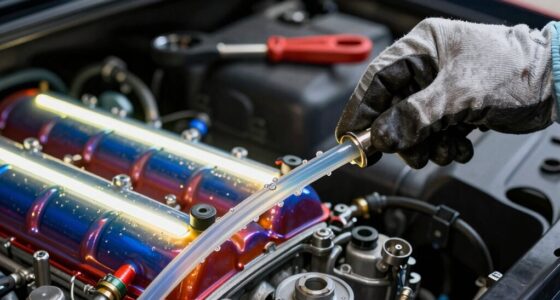
You can perform a safe DIY cleaning by doing a coolant flush. First, let the engine cool completely, then drain the old coolant from the radiator. Use a radiator flush product to clean the system, following the instructions carefully. Rinse thoroughly with water before refilling with fresh coolant. This process helps remove slime, sediment, and degraded coolant, keeping your engine running smoothly and preventing overheating.
What Are the Environmental Impacts of Coolant Sludge?
Some believe coolant sludge poses minimal environmental risks, but research shows it can cause significant environmental contamination if improperly disposed of. The sludge contains harmful chemicals that can seep into soil and water, affecting ecosystems. Proper coolant disposal is essential to prevent pollution. You should always follow local regulations for coolant disposal, ensuring that hazardous waste is handled safely and responsibly to protect your environment from contamination.
How Does Coolant Color Indicate Its Degradation Level?
Your coolant color serves as a key degradation indicator. Clear or slightly colored coolant is usually good, but if it turns brown, pink, or rusty, it signals contamination or breakdown. Milky or sludgy hues show that moisture or debris has contaminated the system, indicating advanced degradation. Regularly inspecting coolant color helps you catch issues early, preventing engine damage and ensuring peak cooling system performance.
As an affiliate, we earn on qualifying purchases.
Conclusion
Regularly inspecting your coolant can prevent costly repairs and keep your engine running smoothly. Did you know that neglecting coolant degradation can lead to engine failure in just 30,000 miles? By staying alert to signs like strange smells, slime, or sediment, you’re taking vital steps to protect your vehicle. Don’t wait until it’s too late—simple checks now could save you hundreds down the road. Stay vigilant, and keep your engine cool and healthy.
As an affiliate, we earn on qualifying purchases.
As an affiliate, we earn on qualifying purchases.
Halloween Picks
halloween
As an affiliate, we earn on qualifying purchases.