ABS pump cycling helps during brake bleeding by circulating fluid and removing air bubbles, ensuring a safer, more effective process. However, if your ABS pump cycles repeatedly during normal driving without braking or slipping, it’s often a sign of a fault like sensor issues or wiring problems. Unnecessary cycling can reduce braking performance and safety. To understand when cycling is helpful or a warning sign, keep exploring the details ahead.

Get business pricing on garage and car supplies
- Business-only prices and quantity discounts
- Tax-exempt purchasing
- Multiple users, one account, clear invoices
Key Takeaways
- During brake bleeding, ABS pump cycling helps remove air bubbles and ensures a thorough fluid purge.
- In normal driving, intermittent ABS pump cycling is unnecessary and may indicate a system fault.
- Persistent cycling without braking signals potential issues like sensor faults or low brake fluid levels.
- Pedal pulsation during cycling is normal during bleeding but abnormal during regular driving.
- Regular maintenance, including brake fluid checks and sensor diagnostics, prevents unnecessary ABS pump cycling.
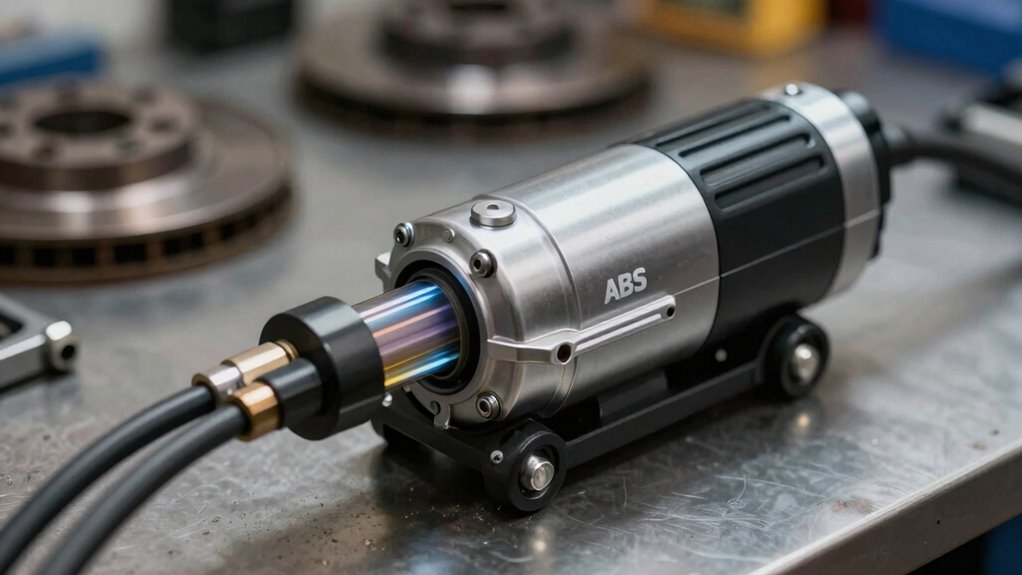
Have you ever noticed your ABS pump cycling repeatedly while driving? It can be unsettling, especially if you’re unfamiliar with what’s happening. Typically, this cycling involves the ABS pump activating intermittently, which causes the brake pedal to pulsate or feel choppy. This isn’t just a random glitch; it’s part of the ABS system working to prevent wheel lockup during hard braking or slippery conditions. However, understanding when this cycling is helpful and when it’s unnecessary can save you time and money.
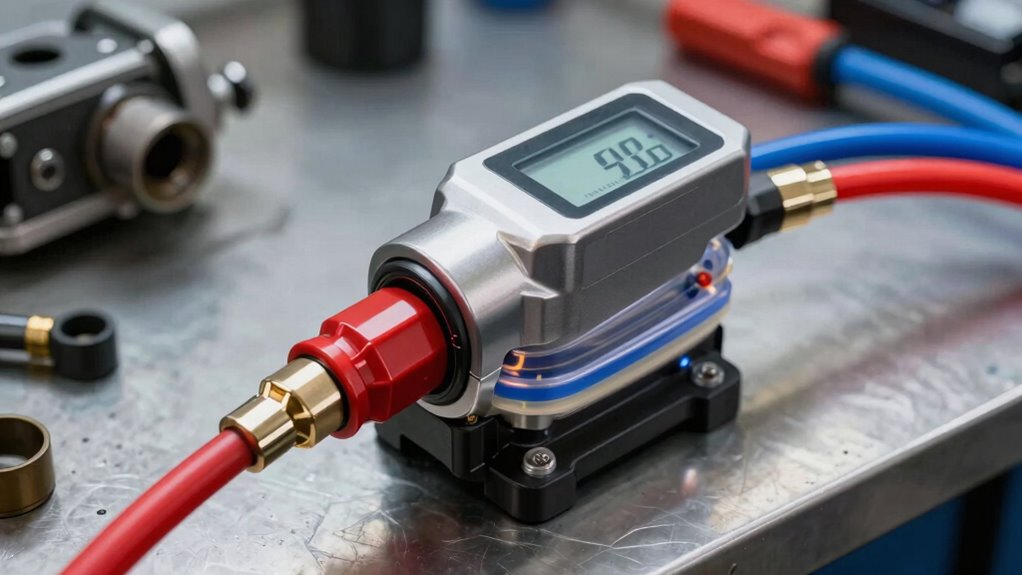
When you’re bleeding your brakes, especially if you’re doing a manual brake fluid change or replacing a master cylinder, the ABS pump cycling can actually be beneficial. During bleeding, the ABS pump can help clear air bubbles from the system. As you pump or press the brake pedal, the pump may activate to circulate brake fluid more effectively through the ABS module and calipers. This process ensures that air, which compresses differently than brake fluid, is expelled thoroughly. The pedal pulsation you feel during this process isn’t a sign of trouble but a sign that the ABS system is doing its job, helping you achieve a firm, consistent brake pedal.
However, if you’re driving normally and notice the ABS pump cycling without any braking or slippery conditions, it’s likely unnecessary. Continuous pump cycling during normal driving can indicate a fault within the ABS system—perhaps a sensor problem, wiring issue, or a malfunctioning ABS control module. In such cases, the pedal pulsation may be more pronounced or irregular, and your braking response could be affected. This kind of cycling isn’t helpful; it’s a sign that your ABS system is malfunctioning and needs professional attention.
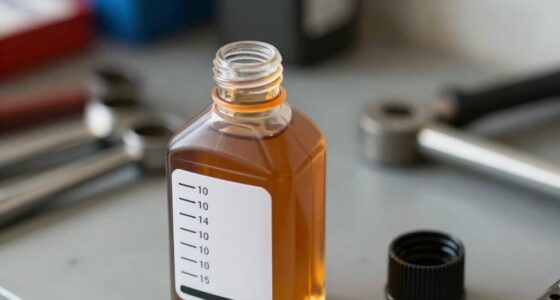
It’s worth noting that the presence of brake fluid contamination or low brake fluid levels can also cause irregular ABS pump cycling. If the fluid is old or contaminated, it may cause sensors to misinterpret wheel speeds, leading to unnecessary pump activation. Always ensure your brake fluid is fresh and at the proper level to keep the system functioning correctly.
Additionally, proper maintenance of the ABS system can prevent unnecessary cycling and ensure safe operation.
As an affiliate, we earn on qualifying purchases.
Frequently Asked Questions
Can ABS Pump Cycling Cause Additional Brake System Damage?
ABS pump cycling generally doesn’t cause additional brake system damage if your ABS system diagnostics show it’s functioning correctly. However, if there’s brake fluid contamination or other faults, frequent cycling could worsen issues or mask underlying problems. Always verify your ABS system is properly diagnosed and maintained. If cycling seems abnormal, get it checked promptly to prevent potential damage and ensure your brakes work safely when you need them most.
How Long Does ABS Pump Cycling Typically Take During Bleeding?
Typically, ABS pump cycling during bleeding takes about 10 to 15 minutes. Interestingly, the pump operation can cycle up to 20 times per brake cycle, helping to expel air from the system. This process involves repeated activation of the pump, pushing brake fluid through the lines. You should expect it to be relatively quick, but it’s essential to monitor brake fluid levels and guarantee no air remains in the system for ideal braking performance.
Is Special Equipment Needed for ABS Pump Cycling?
You don’t need special tools or aftermarket equipment to perform ABS pump cycling. Most vehicles allow you to cycle the pump manually using the ignition switch or by following the manufacturer’s specific procedures. However, if you want to make the process easier or more precise, some aftermarket equipment like ABS bleed kits or diagnostic tools can help. Always check your vehicle’s service manual to confirm the recommended method and tools.
Does ABS Pump Cycling Work on All Vehicle Makes and Models?
ABS pump cycling generally works on most vehicle makes and models, but it’s not universal. Your vehicle’s ABS system may differ, and some might require special equipment or procedures. Keep in mind that ABS pump cycling can help remove brake fluid contamination and air bubbles, improving brake performance. However, on certain older or specialized vehicles, it might be less effective or unnecessary, so check your manufacturer’s recommendations before attempting it.
What Are Signs That ABS Pump Cycling Is Ineffective?
You’ll notice ABS pump cycling is ineffective if your brake pedal feels spongy or sinks slowly, indicating air or brake fluid contamination. If the ABS system activates unnecessarily or doesn’t engage during hard stops, it’s a sign of failure. Also, inconsistent ABS pump cycling during braking suggests issues. These signs mean the ABS pump isn’t functioning properly, likely due to brake fluid contamination or electrical faults, and needs inspection or repair.
As an affiliate, we earn on qualifying purchases.
Conclusion
Knowing when your ABS pump cycling helps or hinders can save lives and prevent unnecessary damage. When bleeding is severe, controlled pump cycling can boost clotting and stabilize your condition. But if the bleeding is minor, it’s just a waste of time and energy, possibly causing more harm. So, remember: understanding the situation matters. It’s the difference between effective first aid and a futile effort—sometimes, less really is more.
As an affiliate, we earn on qualifying purchases.
As an affiliate, we earn on qualifying purchases.
Fall Picks
fall essentials
As an affiliate, we earn on qualifying purchases.