
Your brake fluid’s dry boiling point shows how much heat it can handle when new, while the wet boiling point indicates its capacity after absorbing moisture over time. As moisture increases, the wet boiling point drops, raising the risk of vapor bubbles forming and causing brake fade. Knowing these metrics helps you understand your brake system’s safety margins. Keep exploring to learn how maintaining proper brake fluid levels and quality can assure your safety under high-heat conditions.

Get business pricing on garage and car supplies
- Business-only prices and quantity discounts
- Tax-exempt purchasing
- Multiple users, one account, clear invoices
Key Takeaways
- The dry boiling point indicates brake fluid’s heat resistance when new, while the wet boiling point shows performance after moisture absorption.
- Moisture lowers the wet boiling point, increasing vapor bubble formation and risk of brake fade during heavy braking.
- Monitoring both boiling points helps predict when brake fluid may cause fade or unsafe braking conditions.
- Regularly replacing brake fluid maintains high dry boiling points, reducing vaporization risk under high heat.
- Selecting brake fluid with a high dry boiling point ensures better safety margins and minimizes brake fade.
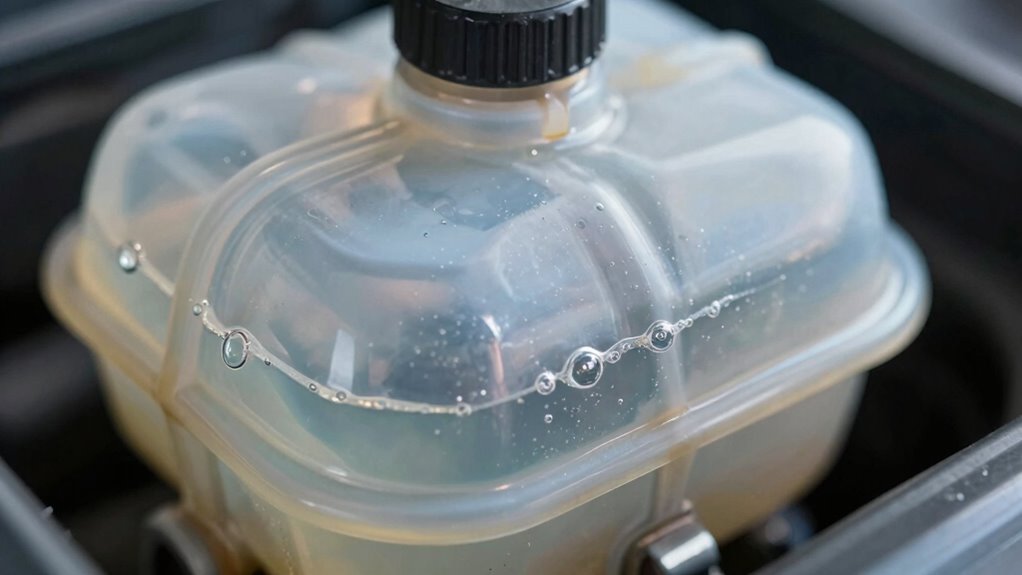
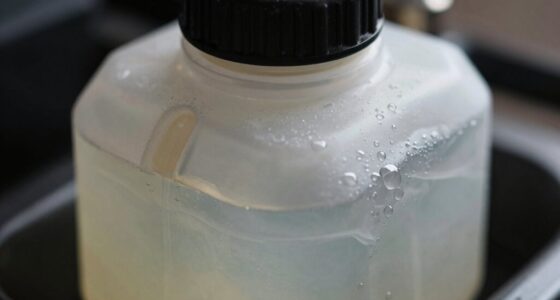
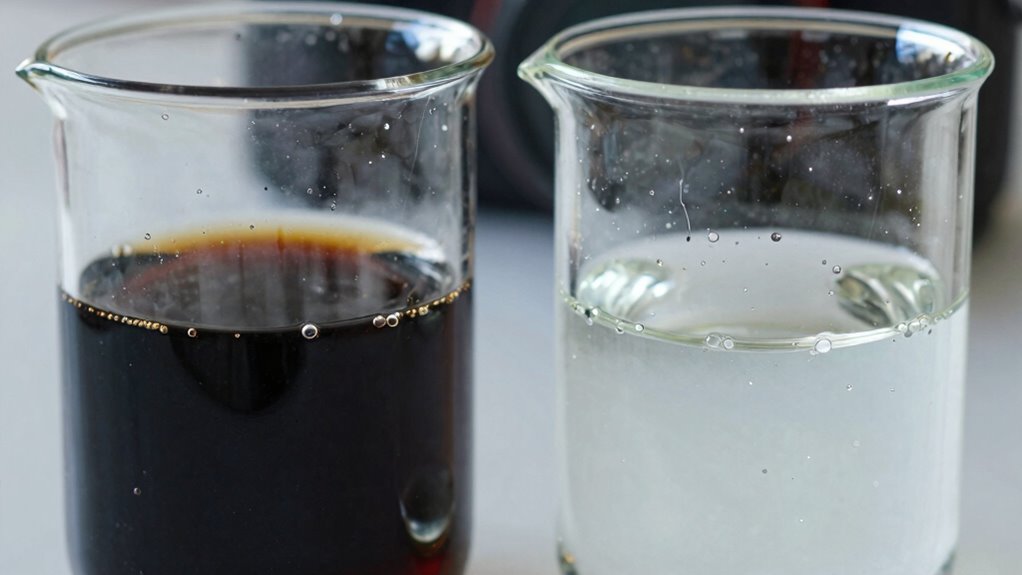
Have you ever wondered what sets dry and wet boiling points apart? It’s a pivotal aspect to understand when it comes to brake fluid performance, especially since your safety depends on it. The difference mainly lies in brake fluid composition and how temperature impacts these boiling points. Brake fluid isn’t just a simple liquid; it’s a carefully formulated mixture designed to withstand high heat and maintain consistent braking power. The dry boiling point refers to the temperature at which pure, brand-new brake fluid begins to boil. In contrast, the wet boiling point measures the temperature at which the fluid, after absorbing moisture over time, starts to vaporize. This moisture absorption is inevitable because brake fluid is hygroscopic—it naturally draws in water from the environment. As a result, the brake fluid’s composition changes, and so does its ability to withstand heat.
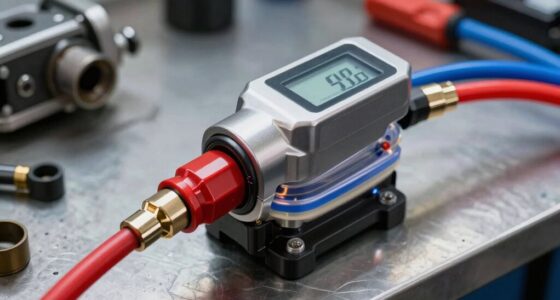
Understanding the temperature impact on brake fluid is essential. When you press the brake pedal, your braking system generates heat due to friction, especially during aggressive or prolonged braking. If the fluid’s boiling point is reached, vapor bubbles form within the brake lines, leading to a phenomenon called brake fade. This fade reduces braking efficiency, increasing your stopping distance and risk. That’s why knowing the difference between dry and wet boiling points matters; it helps you gauge how long your brake fluid can perform safely under high-heat conditions. Over time, as moisture accumulates, your brake fluid’s wet boiling point drops, meaning it becomes more prone to vaporization at lower temperatures. This is why regular brake fluid replacement is critical—fresh fluid with a high dry boiling point ensures your braking system remains responsive, especially in demanding situations.
Temperature impact on brake fluid isn’t just about ambient conditions; it’s about how heat generated during braking affects the fluid’s integrity. As temperature rises, if your brake fluid’s boiling point is low due to moisture absorption, vapor bubbles form more readily, impairing brake performance. That’s why manufacturers specify both dry and wet boiling points, giving you a clear picture of the fluid’s limits. To maintain ideal braking performance, you should regularly check your brake fluid, especially if you notice spongy brakes or increased stopping distances. Choosing a brake fluid with a high dry boiling point and replacing it before the wet boiling point drops too low will help prevent brake fade in emergency or high-performance driving scenarios. Ultimately, understanding how brake fluid composition and temperature impact boiling points empowers you to keep your braking system safe and reliable. Additionally, selecting a brake fluid formulated with regionally inspired flavors or additives can sometimes influence its performance characteristics under extreme conditions.
high dry boiling point brake fluid
As an affiliate, we earn on qualifying purchases.
As an affiliate, we earn on qualifying purchases.
Frequently Asked Questions
How Often Should Brake Fluid Be Tested for Boiling Point?
You should test your brake fluid’s boiling point every 1 to 2 years to guarantee safety. This testing interval helps you monitor the brake fluid lifespan and catch potential issues early. Regular checks are especially important if you notice brake performance problems or if you’ve recently serviced your brakes. Keeping an eye on the boiling point prevents brake fade and maintains peak braking performance over time.
Can Low Boiling Point Brake Fluid Cause Brake Failure?
Brake failure? Yes, low boiling point brake fluid can cause it. When brake fluid’s boiling point drops, it overheats quickly, leading to vapor formation and brake fade. Prioritize proper brake fluid maintenance to guarantee boiling point safety, preventing dangerous brake failures. Regularly check and replace brake fluid before its boiling point drops too low, so your brakes perform reliably whenever you need them most.
How Does Temperature Affect Brake Fluid Boiling Point?
Temperature increases cause brake fluid to reach its boiling point sooner, risking brake fade. As it heats up, thermal expansion occurs, making the fluid less dense and reducing its effectiveness. Higher temperatures also lower fluid viscosity, which hampers proper hydraulic pressure transfer. If your brake fluid gets too hot, it can vaporize, leading to brake failure. Regular checks and using high-quality fluid help prevent these issues.
Are There Different Boiling Points for Racing Brake Fluids?
A stitch in time guarantees nine, especially in race car hydraulics. Racing brake fluids come with different boiling points, tailored for high-performance demands. You’ll find race-specific brake fluid composition varies, with some boasting higher dry and wet boiling points to prevent fade during intense laps. Always check the manufacturer’s specs to ensure your brake fluid can handle the extreme heat, keeping your braking reliable when it matters most.
What Are the Signs of Brake Fluid Boiling in Use?
If your brake fluid boils, you’ll notice a spongy brake pedal or increased stopping distance. You might also experience brake fade during heavy use. This indicates brake fluid contamination or overheating, which can compromise brake system maintenance. To prevent this, regularly check your brake fluid and replace it as needed, especially after intense driving or racing. Proper maintenance helps avoid fluid boiling and keeps your brakes responsive.
brake fluid with high wet boiling point
As an affiliate, we earn on qualifying purchases.
As an affiliate, we earn on qualifying purchases.
Conclusion
Understanding the dry and wet boiling points of brake fluid is like knowing the secret recipe for a smooth ride. When you choose fluid with a higher boiling point, you’re fortifying your brakes against fade, even under intense pressure. Think of it as armor that shields your stopping power. Keep an eye on these metrics, and you’ll guarantee your braking system stays reliable, turning potential danger into just a bump in the road.
As an affiliate, we earn on qualifying purchases.
performance brake fluid for high heat
As an affiliate, we earn on qualifying purchases.
As an affiliate, we earn on qualifying purchases.
Evergreen bestsellers Picks
bestsellers
As an affiliate, we earn on qualifying purchases.