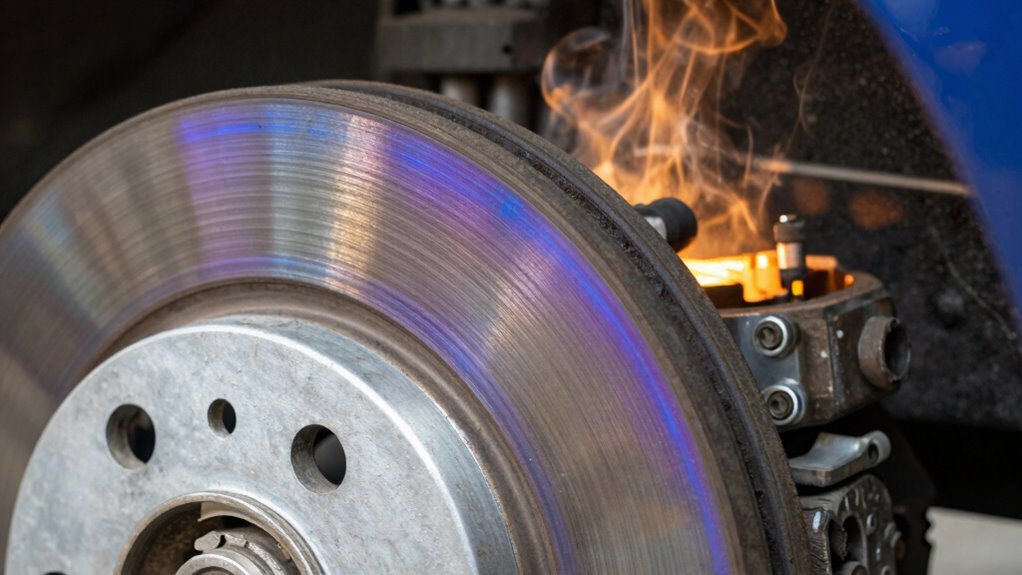

Brake fade happens when your brake pads overheat and lose friction, making your pedal feel firm but requiring more force to stop. Brake fluid boil occurs when the hydraulic fluid vaporizes due to excessive heat, causing a spongy pedal and reduced braking power. Since these issues stem from different causes—friction surface vs. hydraulic system—the fixes vary. Understanding these differences will help you diagnose and address brake problems more effectively; keep exploring to learn more.

Get business pricing on garage and car supplies
- Business-only prices and quantity discounts
- Tax-exempt purchasing
- Multiple users, one account, clear invoices
Key Takeaways
- Brake fade results from overheated friction surfaces causing reduced grip, while brake boil occurs when hydraulic fluid vaporizes, impairing pressure.
- Fade affects the pad-disc contact interface, typically resolving with cooling; boiling impacts hydraulic fluid, requiring fluid replacement.
- Pedal feel differs: fade causes a firm pedal with decreased braking; boiling results in a soft, spongy pedal.
- Preventing fade involves cooling and proper brake bedding; preventing boil requires high-temp brake fluid and system maintenance.
- Fixes vary: fade needs cooling and correct component installation; boil demands bleeding, vapor removal, and fluid flushing.
What Are Brake Fade and Its Symptoms?
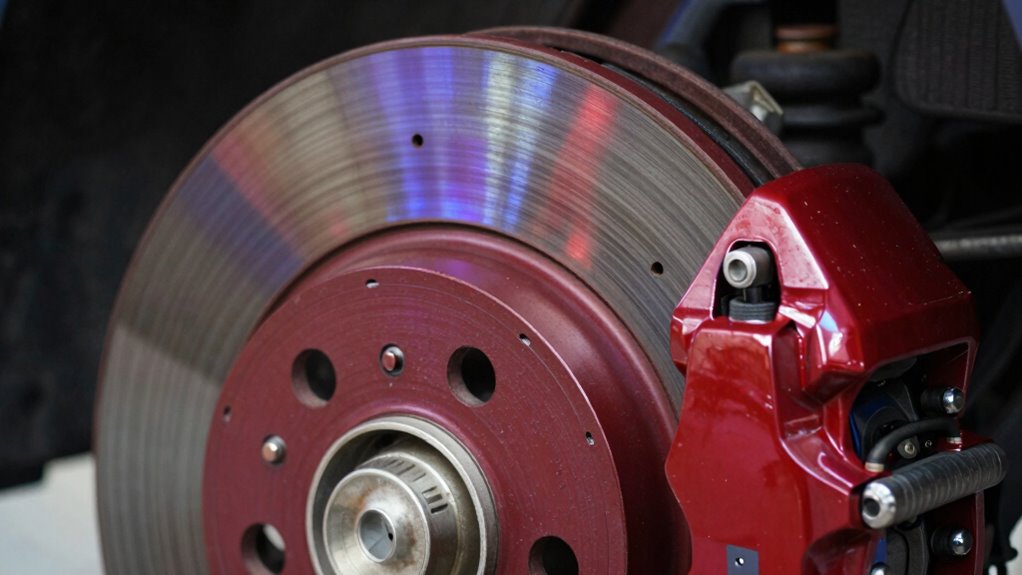
Brake fade occurs when your vehicle’s braking ability diminishes due to excessive heat buildup in the brake system components. You might notice that when you press the brake pedal, it still feels firm, but your car doesn’t slow down as expected. The stopping distance increases, and you may have to press harder on the pedal to get any deceleration. Sometimes, the pedal feels slightly softer or spongy, but often it remains firm initially. This decline in braking performance happens because the friction material on the pads overheats, losing effectiveness. Brake fade is usually temporary, resolving once the brakes cool down. If you experience these symptoms during heavy braking or long downhill drives, it’s a sign your brakes are overheating and may need attention. Early detection of brake issues can help prevent more serious failures.
How Does Brake Pad Overheating Cause Fade?
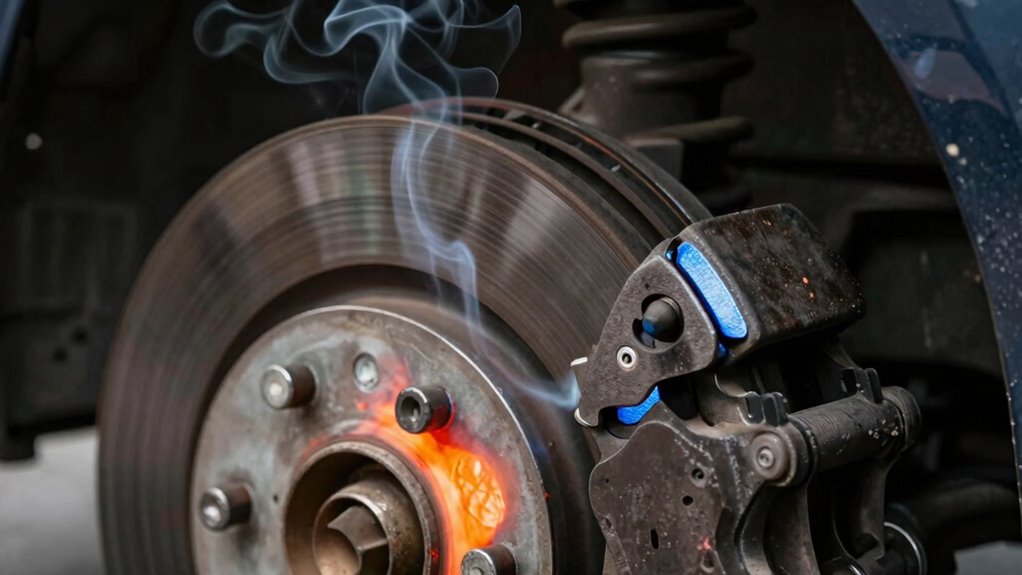
When brake pads overheat, the friction material can start to melt, reducing their ability to grip the rotor effectively. This melting creates a layer of gas and lubricant that acts as a barrier, further decreasing braking performance. As a result, your brakes become less responsive, even though the pedal still feels firm. Additionally, repeated overheating can lead to loss of brake fluid pressure, worsening the situation.
Melting Friction Material
As the brake system heats up during aggressive or prolonged braking, the friction material on the pads can reach temperatures above its thermal limits, causing it to melt. When this happens, the binder or resin holding the pad’s structure softens and liquefies, reducing its ability to generate friction. This melt creates a lubricating layer between the pad and rotor, drastically decreasing braking effectiveness. Additionally, molten material can transfer onto the rotor surface, leading to glazing that further diminishes grip. Once the pads cool down, the melted material hardens, but the damage may persist, causing uneven braking and reduced performance. Continuous overheating may also cause the pads to glaze or become unevenly worn, making braking less reliable until they are replaced. Understanding thermal limits of brake materials is crucial to prevent such damage.
Gas Barrier Formation
Overheating brake pads can lead to the formation of gas bubbles within the friction material. When temperatures surpass 400°F, the binder or resin in the pad begins to melt and release gases. These gases form tiny bubbles that get trapped between the pad and rotor, creating a gas barrier. This barrier prevents proper contact and reduces friction, causing brake fade. As the gases accumulate, braking effectiveness drops even though the pedal feels firm. Once temperatures cool down, the gases dissipate, and normal braking resumes. Proper pad material selection and managing brake temperatures help prevent gas barrier formation and maintain consistent braking performance. However, repeated overheating can lead to glazing or uneven pad surfaces, worsening fade.
Why Does Brake Fluid Boiling Lead to Loss of Braking Power?
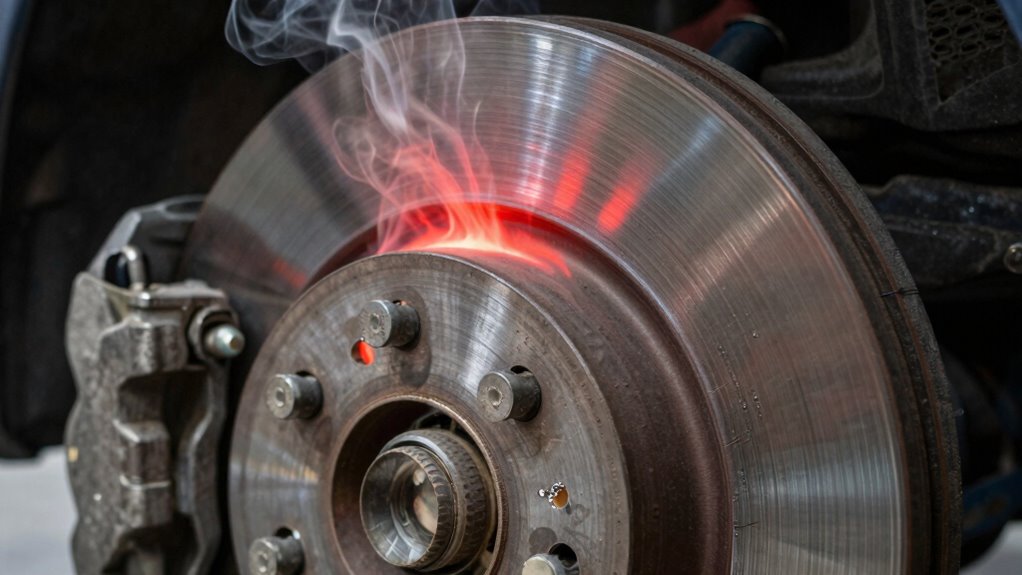
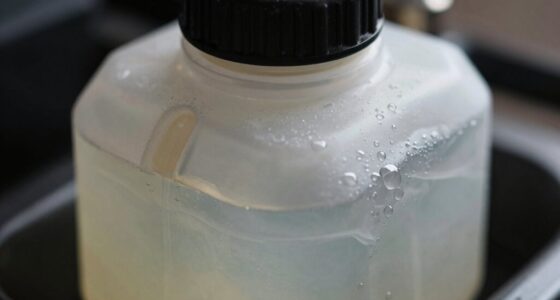
Brake fluid boiling leads to a loss of braking power because the vapor pockets formed inside the hydraulic system compress under pressure, unlike the incompressible liquid. When brake fluid reaches its boiling point, vapor bubbles develop within the lines and calipers. These vapor pockets are compressible, which means that when you press the brake pedal, much of your force is used to compress the vapor rather than applying pressure to the brake pads. As a result, the pedal feels soft or spongy, and braking becomes ineffective. This loss of hydraulic pressure prevents the pads from pressing firmly against the rotors, drastically reducing braking power. Since vapor bubbles don’t dissipate quickly, the system remains compromised until the vapor is removed through bleeding or fluid replacement. Understanding vapor formation is crucial to diagnosing and preventing brake performance issues.
What Is Green Fade, and How Can You Prevent It?
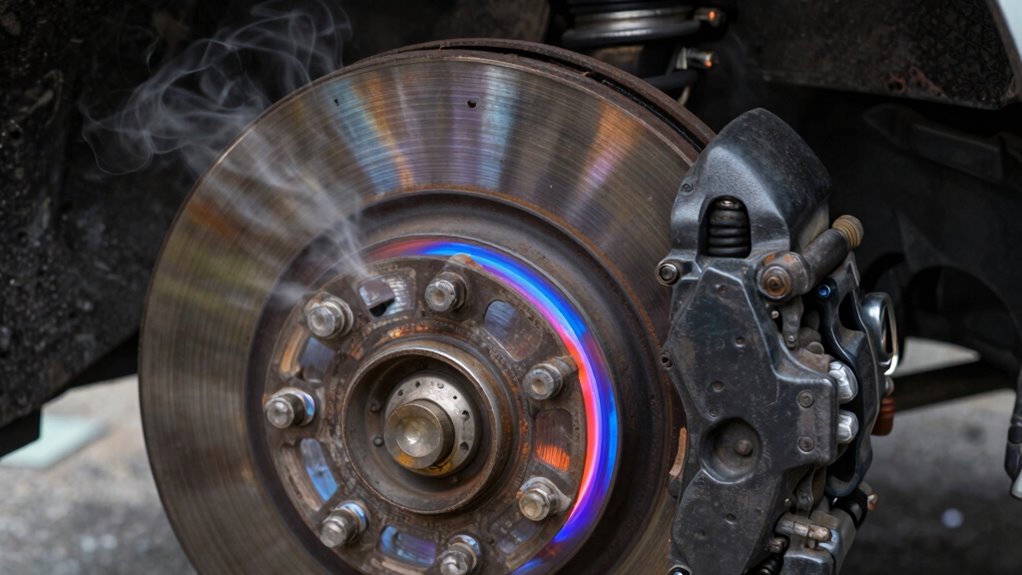
Green fade occurs during the initial high-temperature operation of new brake pads, especially when you haven’t properly broken them in. During this period, trapped gases within the pads are released as they heat up. These gases form a cushion that reduces friction between the pad and rotor, decreasing braking effectiveness. Modern brake pads are designed to produce minimal gas, making green fade less common today. To prevent it, you should follow the manufacturer’s recommended break-in procedure, which typically involves moderate, steady braking to gradually heat the pads. Avoid harsh or aggressive stops immediately after installing new pads. Proper bedding ensures gases escape safely and the pad surface develops with ideal contact, reducing the chance of green fade and maintaining consistent braking performance during those critical initial uses. Additionally, proper brake pad materials can significantly influence the likelihood of green fade, as some compounds are more prone to gas buildup than others.
How Is Brake Fade Different From Brake Fluid Boiling?
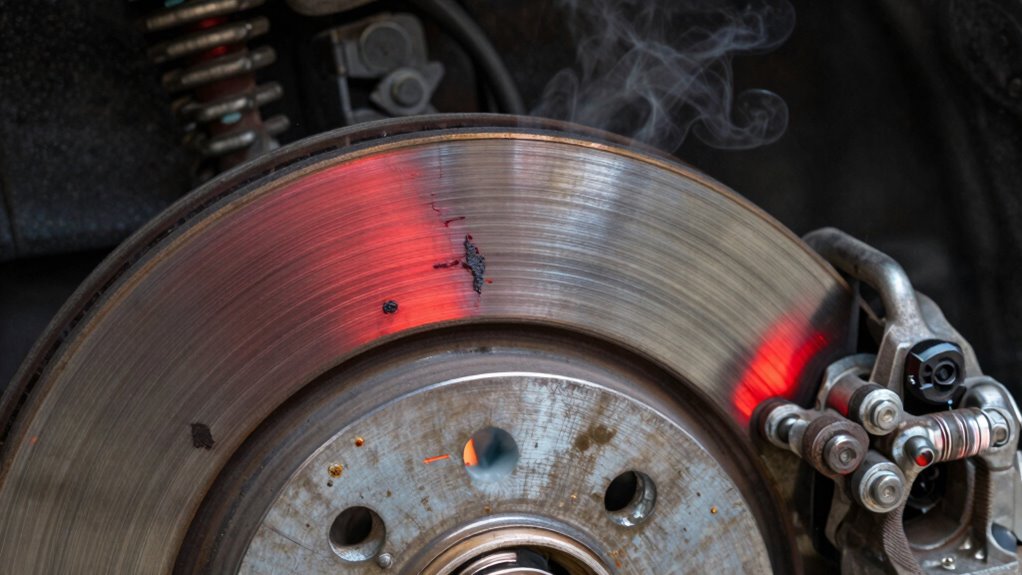
You’ll notice that brake fade keeps the pedal firm but reduces stopping power, while fluid boil makes the pedal feel soft or spongy. Fade happens when components overheat at the pad-disc interface, but boiling occurs throughout the hydraulic system when brake fluid vaporizes. These processes differ in how they affect temperature, pedal feel, and the necessary fixes to restore braking performance. Understanding kitchen gear and proper maintenance can help prevent these issues in both automotive and culinary equipment.
Pedal Feel Differences
While both brake fade and brake fluid boiling impair your vehicle’s stopping ability, they affect the pedal feel in distinctly different ways. With brake fade, the pedal usually remains firm, but you notice less braking power because the pads lose friction. In contrast, brake fluid boiling causes the pedal to feel soft, spongy, or sinks closer to the floor due to vapor pockets compressing under pressure. Here’s what you might experience:
- Brake fade: Pedal feels normal, but stopping distance increases.
- Fluid boil: Pedal becomes soft, spongy, or sinks when pressed.
- Transition: You may initially feel firm pedal fade, then a sudden softening if boiling occurs during heavy braking.
Understanding these differences helps you recognize the problem and respond appropriately.
Temperature Effects on Components
Brake fade and brake fluid boiling occur at different temperature thresholds and affect separate components within the braking system. When brake components heat up beyond their thermal capacity, the friction material at the pad-disc interface begins to deteriorate. This loss of friction reduces braking effectiveness without changing pedal feel. In contrast, brake fluid boiling occurs when hydraulic fluid reaches its vaporization point, producing vapor pockets that compress under pressure. This creates a soft, spongy pedal and drastically diminishes braking power. While fade results from high temperatures damaging pads and causing gas or resin formation, boiling impacts the hydraulic system directly. Both conditions stem from excessive heat but affect different components, requiring distinct strategies for prevention and repair. Additionally, understanding the contrast ratio helps in designing braking systems that can better manage heat dissipation to prevent these issues.
Thermal Process Variations
The key difference in their thermal processes lies in how heat affects each component within the braking system. Brake fade occurs when heat builds up at the pad-disc interface, causing friction material to melt or gasify, reducing braking effectiveness. In contrast, brake fluid boiling involves heat transfer throughout the hydraulic system, where the fluid reaches its boiling point and vaporizes. This vapor creates compressible pockets that diminish braking response. Additionally, proper brake maintenance can prevent both issues by ensuring the system remains within safe thermal limits. Understanding these variations helps you identify issues quickly:
- Pad fade happens at the friction surface, often due to excessive heat causing material breakdown.
- Fluid boil involves vapor formation within brake lines, leading to a spongy pedal.
- Cooling affects fade by restoring friction surface performance, while boiling requires fluid replacement to fix vapor pockets.
How to Prevent and Fix Brake Fade and Brake Fluid Boiling?
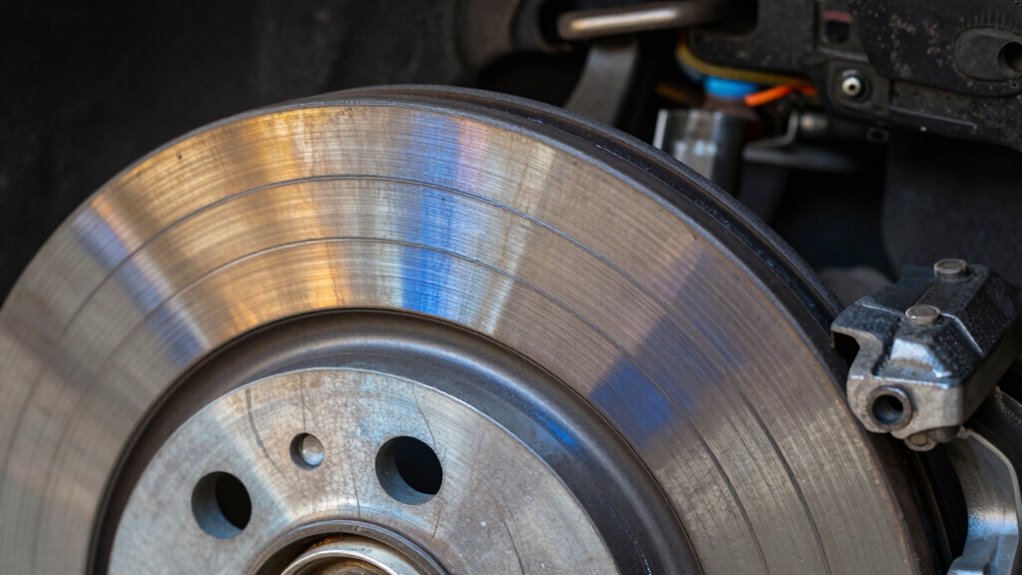
Preventing brake fade and fluid boiling starts with proper maintenance and driving habits. Regularly change your brake fluid based on your vehicle’s recommendations to prevent moisture buildup, which lowers boiling points. Use high-quality brake fluid with higher wet and dry boiling points to reduce the risk of fluid vaporization. Avoid riding the brakes on long downhill stretches or during heavy towing; instead, use engine braking or downshift to manage speed and keep brake temperatures in check. Maintain your brake system by inspecting pads, rotors, and lines regularly, replacing worn parts promptly. When installing new pads, follow the manufacturer’s break-in procedures to minimize green fade. If you experience soft or spongy brakes, have the system flushed and bleed out vapor or moisture to restore proper function. Additionally, monitoring brake temperature during intense driving can help prevent overheating and fade before it occurs.
Frequently Asked Questions
Can Brake Fade Occur During Normal City Driving Conditions?
Yes, brake fade can happen during normal city driving, especially if you brake frequently or heavily, causing the brake pads to overheat. Short trips with lots of stop-and-go traffic can lead to temperature buildup at the pad-disc interface. If the brakes get too hot, you’ll notice reduced stopping power even though the pedal feels firm. To prevent this, avoid constant braking and give your brakes time to cool down.
How Does Repeated Braking Affect Brake Fade and Fluid Boiling?
Repeated braking causes brake fade and fluid boiling by generating excessive heat in your brake system. As you brake continuously, the pads and discs heat up, leading to pad fade where friction decreases. Simultaneously, the brake fluid absorbs heat and can boil, forming vapor pockets that make your pedal feel spongy and reduce braking effectiveness. To prevent this, avoid prolonged braking, maintain your brake system, and use high-quality fluid.
Are Certain Brake Pad Materials More Prone to Green Fade?
Yes, some brake pad materials are more prone to green fade. Organic pads, especially those with higher resin content, tend to release trapped gases more easily during initial high-temperature use, leading to green fade. Conversely, ceramic or semi-metallic pads usually have better manufacturing techniques that reduce gas emissions. To minimize green fade, follow proper break-in procedures and choose high-quality pads designed for your driving conditions.
Is There a Way to Tell if Brake Fluid Has Vaporized Without System Inspection?
Did you know that brake fluid boiling can happen at just 300°F? You can’t directly tell if brake fluid vaporized without inspecting the system, but you might notice a soft, spongy pedal or increased stopping distance. If your pedal sinks or feels less firm after heavy braking, it’s a sign vaporization may have occurred. For safety, have a professional check your brake fluid and system regularly.
How Long Does It Typically Take for Brake Components to Cool After Fade?
It usually takes about 15 to 30 minutes for brake components to cool down after experiencing fade, but this depends on factors like ambient temperature, driving conditions, and how hot the brakes got. You can tell they’re cooled when the brake pedal firms up again and the brake system feels normal. To be sure, give your brakes ample time to cool before testing or driving aggressively again.
Conclusion
So, next time you’re pushing your brakes to the limit, remember—what feels like just a little fade could secretly be boiling fluid or overheated pads. Ironically, the very safety feature meant to stop you might be the one letting you down if you ignore these signs. Staying vigilant and maintaining your brakes isn’t just about avoiding repairs; it’s about outsmarting the system before it outsmarts you. After all, who knew stopping could be so complex?
Fall Picks
fall essentials
As an affiliate, we earn on qualifying purchases.