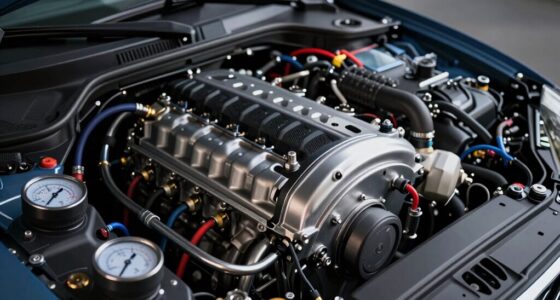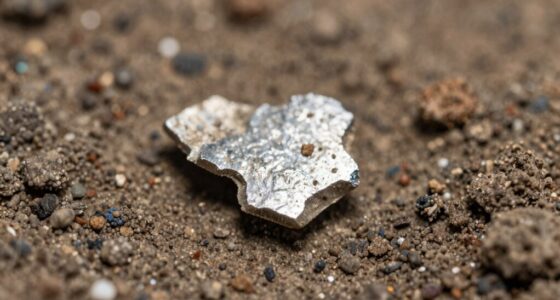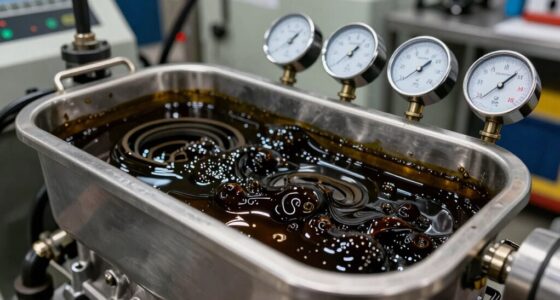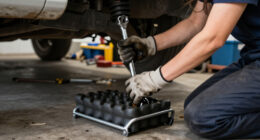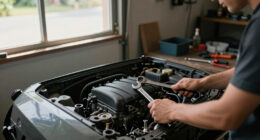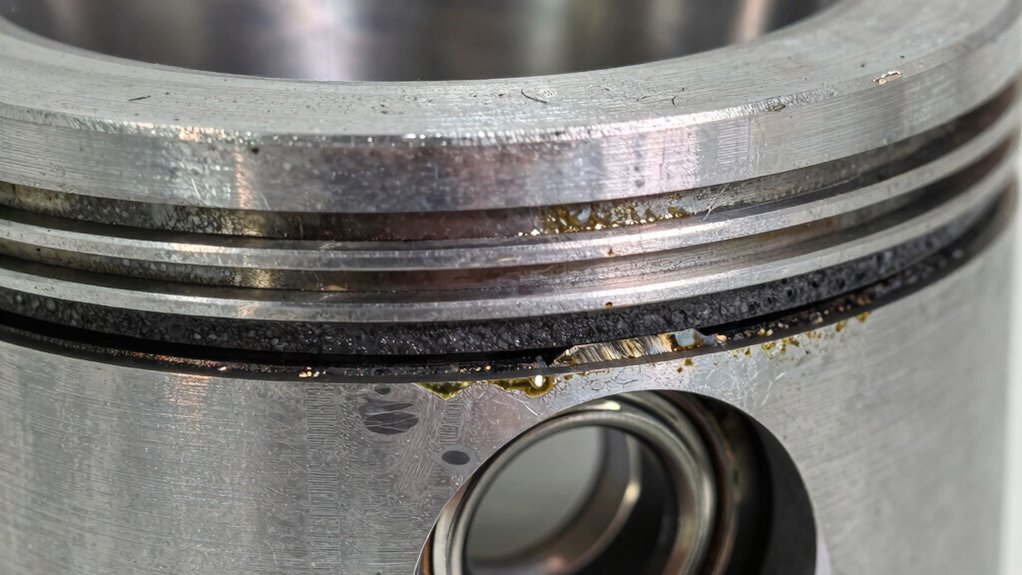
To narrow the source of aluminum wear in pistons versus bearings, focus on their unique causes. Piston wear mainly comes from friction, thermal stress, and alloy selection, while bearing wear results from metal contact, design, and lubrication issues. Proper material choices, heat treatments, and maintenance routines tackle these issues effectively. Understanding these differences helps you identify the root cause, and exploring further will reveal targeted solutions for each component.
Open a free Amazon Business account
Business pricing, bulk buying and tax-exempt orders.
As an affiliate, we earn on qualifying purchases.
Key Takeaways
- Analyze wear patterns and locations to distinguish piston aluminum degradation from bearing surface damage.
- Examine material properties and alloys used in pistons versus bearings to identify the primary source of wear.
- Check lubrication conditions, as insufficient or contaminated lubrication affects both components differently.
- Inspect for mechanical stresses, such as improper clearances or misalignment, that contribute specifically to piston or bearing wear.
- Conduct regular maintenance and detailed inspections to monitor wear progression and accurately narrow down the source.
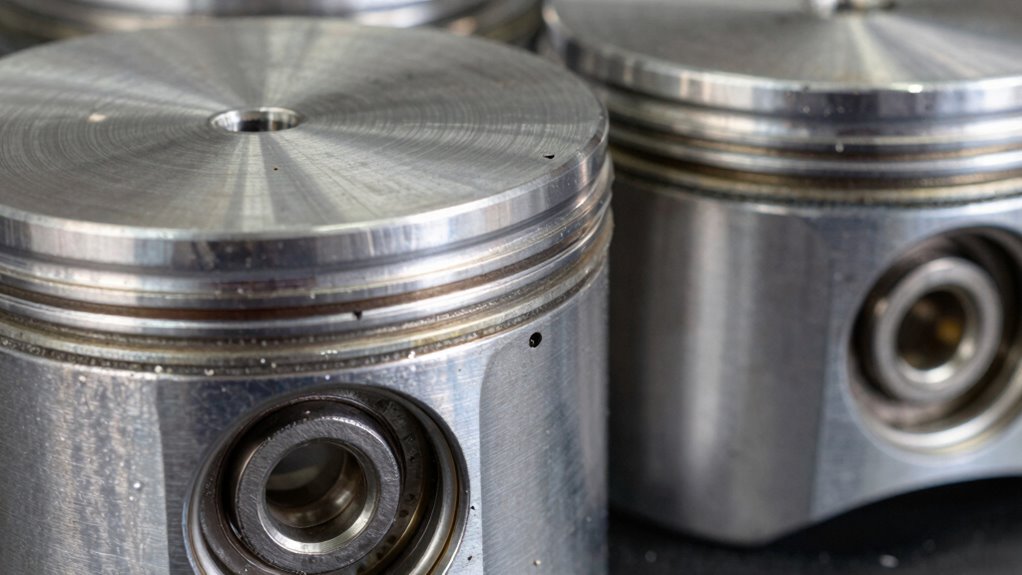
Aluminum wear occurs when aluminum surfaces gradually degrade due to friction, corrosion, or mechanical stresses. If you’re working with engines or machinery that rely on aluminum components, understanding how this wear happens can help you extend their lifespan and improve performance. One of the main areas where aluminum wear is evident is in pistons and bearings. Both are essential to engine operation, but their design and material choices influence how quickly they wear down.
When it comes to pistons, the piston material plays a significant role in determining durability. Many pistons are made from aluminum alloys because they’re lightweight and have good thermal conductivity. However, not all aluminum alloys are created equal. Some are more resistant to wear and thermal stress, making them better suited for high-performance engines. If the piston material isn’t tailored for your specific application, it can lead to increased friction and faster wear, especially under high loads. Choosing the right aluminum alloy and ensuring proper heat treatment can reduce the rate at which pistons degrade.
Bearing design is equally essential in managing aluminum wear. Bearings are engineered to support rotating parts and reduce friction, but their design impacts how well they handle mechanical stresses. A well-designed bearing minimizes metal-to-metal contact, which is critical because excessive contact accelerates wear. Modern bearing designs often incorporate coatings or composite materials to reduce direct aluminum contact, thereby decreasing wear. If the bearing design isn’t suited to the operational stresses or if the bearing isn’t properly lubricated, you risk uneven wear, which can lead to engine failure over time.
Narrowing the source of aluminum wear involves focusing on both piston material selection and bearing design improvements. You want pistons made from high-quality, wear-resistant aluminum alloys, coupled with precise manufacturing processes to guarantee consistent performance. Simultaneously, bearing design should prioritize ideal clearance, lubrication, and material compatibility to prevent metal fatigue and surface degradation. Additionally, implementing effective lubrication methods can significantly decrease friction-induced wear. Regular maintenance, including proper lubrication and timely inspection, also plays a critical role in reducing wear and catching issues early.
Ultimately, understanding how piston material choices and bearing design influence aluminum wear allows you to make smarter decisions in your engine or machinery maintenance. By selecting appropriate materials and ensuring your bearings are correctly designed and maintained, you can greatly reduce wear, extend component life, and keep your equipment running smoothly.
As an affiliate, we earn on qualifying purchases.
Frequently Asked Questions
What Are the Latest Advancements in Aluminum Wear Prevention?
You should explore recent advancements like new coating technologies and alloy innovations to prevent aluminum wear. Modern coatings, such as ceramic or nano-structured layers, reduce friction and protect surfaces from abrasion. Meanwhile, alloy innovations improve wear resistance by enhancing hardness and reducing corrosion. Applying these advancements, you can extend component lifespan, improve engine efficiency, and minimize maintenance issues related to aluminum wear, keeping your engine running smoothly longer.
How Do Environmental Factors Influence Aluminum Wear Rates?
Environmental factors substantially influence aluminum wear rates. Corrosion effects, caused by moisture and chemicals, accelerate material degradation, while temperature impact can cause aluminum to expand or contract, increasing friction and wear. You should regularly monitor operating conditions, control humidity, and use protective coatings to minimize corrosion effects. Managing temperature through cooling systems also helps reduce thermal expansion, ultimately slowing down the wear process and extending component lifespan.
Can Aftermarket Parts Reduce Aluminum Wear Significantly?
Yes, aftermarket parts can considerably reduce aluminum wear by utilizing advanced coating technologies and improved lubrication techniques. These innovations create a protective barrier against friction, heat, and corrosion, extending component lifespan. By choosing high-quality aftermarket pistons or bearings with specialized coatings and optimized lubrication, you enhance durability, efficiency, and performance, ultimately lowering wear rates and maintenance costs.
What Maintenance Practices Best Minimize Piston and Bearing Wear?
To minimize piston and bearing wear, you should follow proper lubrication practices consistently, ensuring oil stays clean and at the correct level. Regularly check and change oil filters, and use the recommended oil type. Additionally, consider material coatings like ceramic or molybdenum that reduce friction and protect surfaces. These practices keep parts well-lubricated and protected, markedly extending their lifespan and preventing excessive aluminum wear.
Are There Specific Engine Types More Prone to Aluminum Wear?
You’ll find that high-performance or turbocharged engines are more prone to aluminum wear due to their aggressive engine design and increased heat. Engines with incompatible materials, like aluminum pistons paired with poorly matched bearings, also accelerate wear. To minimize this, make certain proper material compatibility and follow manufacturer recommendations for maintenance. Regular oil changes and cooling system checks help, especially in engines designed for high power output, reducing aluminum wear effectively.
As an affiliate, we earn on qualifying purchases.
Conclusion
Just like a skilled craftsman fine-tunes their tools, understanding where aluminum wear originates helps you prevent engine damage. Whether it’s pistons or bearings, knowing the signs and causes allows you to act swiftly—keeping your engine running smoothly, much like a well-orchestrated symphony. Think of your engine as a delicate ballet; with proper care, you ensure each component moves in harmony, avoiding the chaos of unwelcome wear and tears.
high-performance aluminum engine pistons
As an affiliate, we earn on qualifying purchases.
As an affiliate, we earn on qualifying purchases.
engine bearing lubrication products
As an affiliate, we earn on qualifying purchases.
As an affiliate, we earn on qualifying purchases.
NFL season / tailgating Picks
team gear
As an affiliate, we earn on qualifying purchases.