
Sulfated ash, phosphorus, and sulfur—known as SAPS—are key in engine oils because they come from additives that protect your engine but can cause emissions issues. High SAPS levels can lead to deposits, wear, and damage to catalysts and filters, especially in modern vehicles with advanced emission systems. Choosing low SAPS oils helps balance engine protection with environmental regulations. To learn how these components impact performance and which oils suit your vehicle best, keep exploring these essential details.
Key Takeaways
- SAPS stands for Sulfated Ash, Phosphorus, and Sulfur, key elements in engine oils impacting emissions and engine health.
- High SAPS oils can cause deposits, engine wear, and damage emission control systems; low SAPS oils reduce these risks.
- Sulfated ash, sulfur, and phosphorus originate from additive combustion, affecting catalysts and filters’ performance and lifespan.
- Modern low SAPS oils are formulated to meet environmental standards while protecting engine components and emission systems.
- Choosing the correct SAPS-rated oil based on vehicle specifications ensures engine durability, compliance, and optimal performance.

Motul 8100 ECO-clean 0W-30 Motor Oil – 100% Synthetic Engine Oil, ACEA C2 Mid SAPS, Low Emissions Formula, for Modern Engines with DPF & Catalytic Converters – 5 Liter
- Low Friction Performance: Reduces internal engine friction for efficiency
- Mid SAPS Technology: Protects catalytic converters and DPFs
- Suitable for Modern Engines: Engineered for turbocharged and direct injection engines
As an affiliate, we earn on qualifying purchases.
As an affiliate, we earn on qualifying purchases.
What Are SAPS Components and Why Do They Matter?
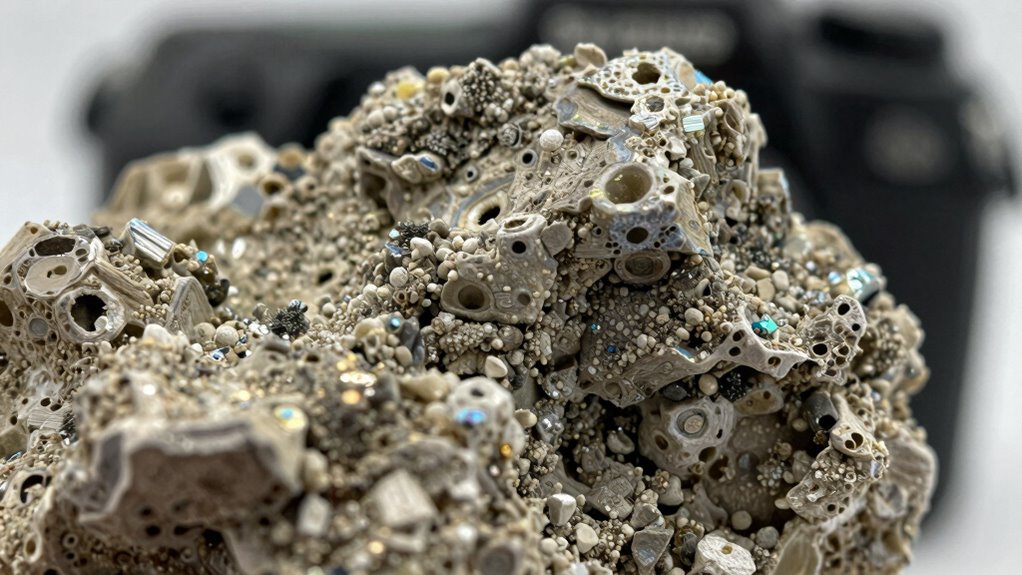
SAPS components include sulphated ash, sulfur, and phosphorus, all of which originate from additives used in engine oils. These elements come from metal-based additives, sulfur compounds, and phosphorus compounds added to improve engine performance, wear protection, and lubrication. Sulfated ash forms when these additives burn during combustion, creating insoluble sludge that can clog filters and exhaust systems. Sulfur and phosphorus, meanwhile, produce oxides that can impair catalytic converters and reduce emissions control efficiency. Understanding these components helps you choose the right oil for your vehicle’s needs, especially as modern engines and exhaust systems require lower SAPS formulations to prevent damage and maintain suitable operation. By managing SAPS levels, you support engine longevity and ensure compliance with environmental standards. SAPS regulations are increasingly important as vehicle emission standards become more stringent worldwide.

Motul 8100 X-clean Gen2 5W-40 Full Synthetic Motor Oil with Advanced Low SAPS Formula – ACEA C3 Approved for BMW, Mercedes-Benz, Opel & Renault Applications – 1 Liter
- Low SAPS Formula for Emissions Protection: Reduces harmful emissions system deposits
- Meets European OEM Standards: Compatible with BMW, Mercedes, Opel, Renault
- High-Temperature Stability: Maintains film strength under heavy loads
As an affiliate, we earn on qualifying purchases.
As an affiliate, we earn on qualifying purchases.
How Sulfated Ash Affects Engine Performance and Longevity
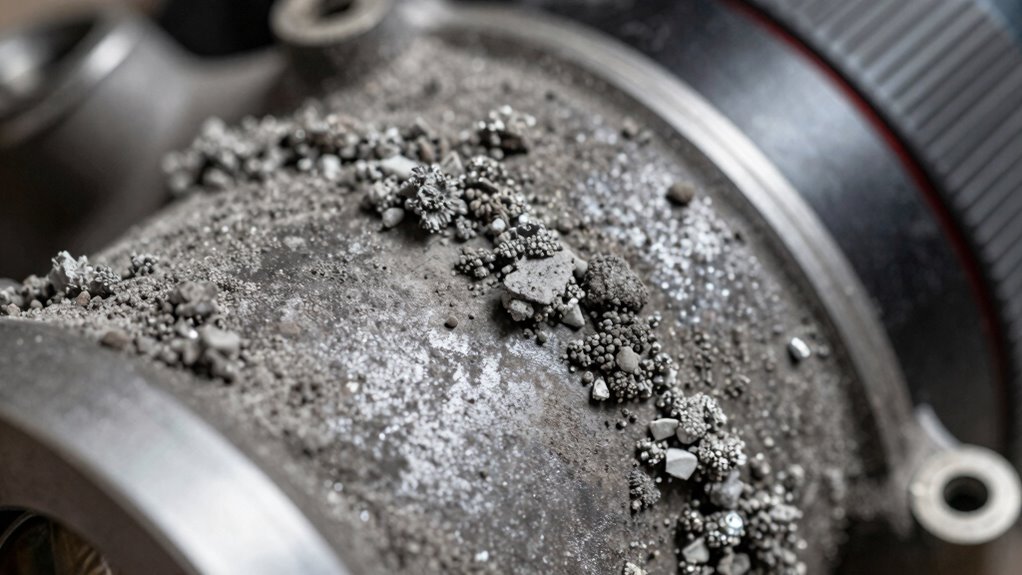
Sulfated ash buildup can cause deposits that clog engine parts and reduce efficiency. Over time, these deposits can lead to increased engine wear and even corrosion if not managed properly. Additionally, high ash levels impair the performance of catalysts and filters, shortening their lifespan and affecting your vehicle’s emissions. Proper water damage and rug cleaning techniques can help prevent certain types of buildup by maintaining engine cleanliness and efficiency.
Ash Buildup and Deposits
Ash buildup from engine oil can markedly impact your engine’s performance and lifespan. Over time, deposits form on crucial components, causing efficiency drops and potential damage. Here’s what you need to know:
- Clogs and Blockages: Ash deposits can clog piston rings and valves, reducing compression and power output.
- Increased Friction: Deposits create rough surfaces, leading to higher friction and accelerated wear.
- Filter Fouling: Accumulated ash in particulate filters diminishes their ability to trap soot, risking filter failure and costly repairs.
- Impact on Engine Longevity: Persistent ash buildup can lead to premature engine failure if not properly managed, emphasizing the importance of using appropriate lubricants.
Reducing ash buildup with low SAPS oils helps keep your engine cleaner. This prevents deposit formation, maintains ideal performance, and extends your engine’s longevity. Proper oil choice is essential for avoiding costly downtime.
Engine Wear and Corrosion
When ash deposits accumulate in your engine, they can accelerate wear on essential components like piston rings, valves, and bearings. These deposits act as abrasives, increasing friction and causing parts to degrade faster. Corrosion can also occur when sulfated ash reacts with moisture, forming acids that damage metal surfaces. This deterioration reduces engine efficiency and shortens its lifespan. To understand the impact, consider the following:
| Effect | Consequence |
|---|---|
| Increased friction | Faster wear of piston rings and valves |
| Acid formation | Corrosion of metal parts |
| Deposits in bearings | Reduced lubrication, increased damage |
| Piston ring scoring | Loss of compression and power |
| Valve seat damage | Increased risk of engine failure |
Proper calibration of engine components can help mitigate some of these issues. Maintaining low SAPS oils helps minimize these issues, promoting longer engine life.
Catalyst and Filter Efficiency
High levels of sulfated ash in engine oil can substantially reduce the efficiency and lifespan of your vehicle’s catalysts and particulate filters. This buildup clogs filter pores and damages catalytic converters, leading to decreased emission control and performance. To prevent this:
- Use low SAPS oils to minimize ash deposits that block filters.
- Regularly service your filters and catalysts to catch early signs of clogging.
- Choose oils with reduced sulfur and phosphorus to protect exhaust systems from irreversible damage.

Lucas Oil 10001 Heavy Duty Oil Stabilizer – 1 Quart
- Top-rated oil additive: World’s #1 oil additive
- Made with petroleum: Formulated with 100% petroleum
- Engine compatibility: Suitable for new engines
As an affiliate, we earn on qualifying purchases.
As an affiliate, we earn on qualifying purchases.
How Sulfur and Phosphorus in Engine Oils Impact Emissions and Catalysts

When sulfur and phosphorus in engine oils break down during combustion, they form oxides that can clog your emissions systems. These substances also poison catalysts, reducing their ability to clean exhaust gases effectively. As a result, high levels of these elements can shorten your vehicle’s emissions system lifespan and increase pollutants.
Sulfur Oxides Formation
Have you ever wondered how sulfur and phosphorus in engine oils affect emissions and catalytic converter performance? When these elements burn during engine operation, they form sulfur oxides (SOx), which can harm emissions systems. Here’s what you should know:
- Sulfur oxides contribute to acid rain and air pollution, impacting environmental health.
- High SOx levels lead to the formation of sulfate deposits on catalysts, reducing their efficiency.
- Oxides from phosphorus compounds can cause irreversible catalyst poisoning, decreasing emission control over time.
Modern low SAPS oils reduce sulfur and phosphorus content, minimizing SOx formation and protecting your vehicle’s emissions system. This helps ensure your engine runs cleaner and meets stricter environmental standards.
Catalyst Poisoning Effects
Sulfur and phosphorus compounds in engine oils can cause irreversible damage to your vehicle’s catalytic converters by poisoning them over time. When these elements burn, they form oxides that coat the catalyst surfaces, blocking the chemical reactions needed to reduce harmful emissions. This contamination reduces the converter’s efficiency, leading to higher pollutant levels in your exhaust. Phosphorus, often from additive packages, is particularly aggressive, permanently deactivating precious metals like platinum, palladium, and rhodium. Sulfur oxides also impair catalyst functionality, though to a lesser extent. As a result, your vehicle emits more pollutants, and emissions systems may fail inspection. Using low SAPS oils minimizes these effects, helping preserve your catalytic converter’s performance and ensuring your emissions stay within legal limits. Understanding SAPS can help you choose the right engine oil to protect your vehicle’s emissions system.
Emissions System Durability
The presence of sulfur and phosphorus in engine oils directly affects the durability of your vehicle’s emissions system. These elements can cause irreversible damage, reducing system lifespan and increasing maintenance costs. Here’s how:
- They lead to the formation of oxides during combustion, which clog particulate filters and hinder exhaust flow.
- They deactivate catalytic converters over time, lowering efficiency and increasing emissions.
- They promote ash buildup from metal additives, accelerating wear and reducing the effectiveness of emission control devices.
- Choosing eco-friendly and low SAPS oils can significantly reduce the accumulation of harmful deposits and extend the service life of emission components.
Using low SAPS oils minimizes these issues by decreasing sulfur and phosphorus content. This helps maintain cleaner, more efficient emissions systems, ensuring your vehicle stays compliant with environmental standards and operates smoothly over a longer lifespan.

WhyBox Catalytic Converter Cleaner Auto Parts Engine, Exhaust System Pipe Carbon Removal Cleaner Treatment Additive Oil, Fuel System Treatment Oil Additive for Gas and Diesel Car Upgraded (2 Pack)
- Reduces Fuel Consumption: Improves fuel efficiency and vehicle performance
- Catalytic Converter Cleaner: Eases engine start and reduces emissions
- Fuel System Cleaner: Enhances fuel flow and engine smoothness
As an affiliate, we earn on qualifying purchases.
As an affiliate, we earn on qualifying purchases.
The Evolution of Engine Oil Formulations: From High to Low SAPS
Engine oil formulations have evolved considerably over the years, driven by technological advances and environmental concerns. In the early days, high SAPS oils dominated because they provided excellent engine protection and performance. As emissions regulations tightened, manufacturers recognized that high levels of sulphated ash, phosphorus, and sulfur could harm modern exhaust after-treatment systems like catalytic converters and particulate filters. This led to the development of mid and low SAPS oils, designed to reduce ash and contaminant buildup. These formulations help extend the life of emissions control devices and improve fuel efficiency. Today, low SAPS oils are standard for many vehicles, especially those with advanced emission systems. This evolution reflects a shift toward cleaner, more sustainable engine oils that balance performance with environmental responsibility. Additionally, understanding the SAPS levels is crucial for selecting the right oil to ensure compatibility with your vehicle’s exhaust after-treatment system.
Why Choose Low SAPS Oils for Modern Vehicles and Emissions Compliance
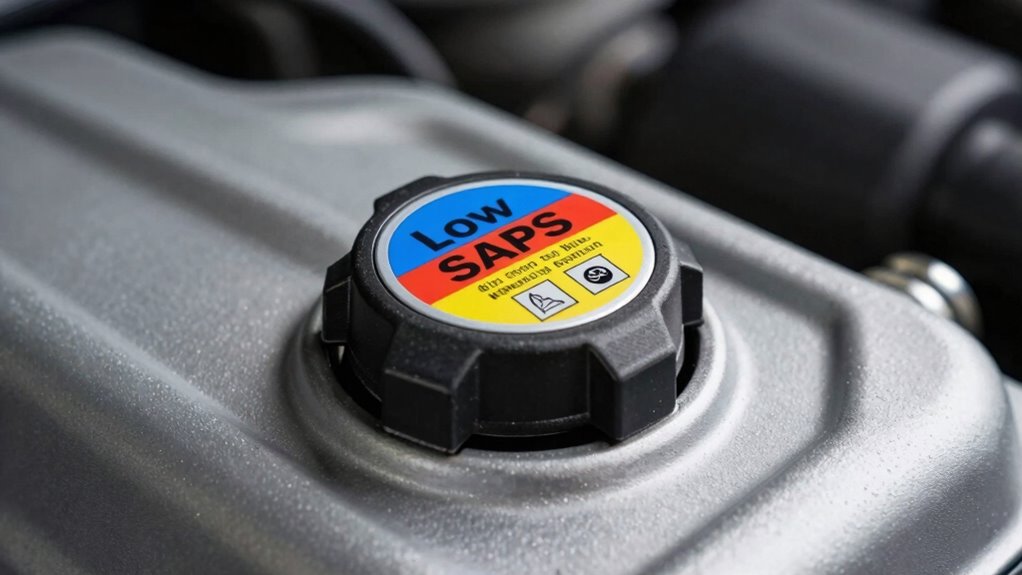
Modern vehicles rely on advanced emission control systems to meet strict environmental standards, making the choice of engine oil more important than ever. Low SAPS oils help protect these systems, ensuring they function efficiently and last longer. By reducing ash, sulfur, and phosphorus, you minimize harmful deposits that can clog filters and damage catalysts. Additionally, selecting appropriate oil specifications is crucial for maintaining optimal emission system performance.
Consider these benefits:
- Enhanced Emissions Compliance: Low SAPS oils support your vehicle’s ability to meet regulatory standards.
- Protection of Aftertreatment Devices: They prevent the buildup that can impair particulate filters and catalytic converters.
- Longer Service Life: Reduced deposits mean less maintenance and better engine performance over time.
Choosing low SAPS oils is a proactive step to keep your vehicle environmentally friendly and operating smoothly.
How SAPS Levels Influence Particulate Filters and Catalytic Converters
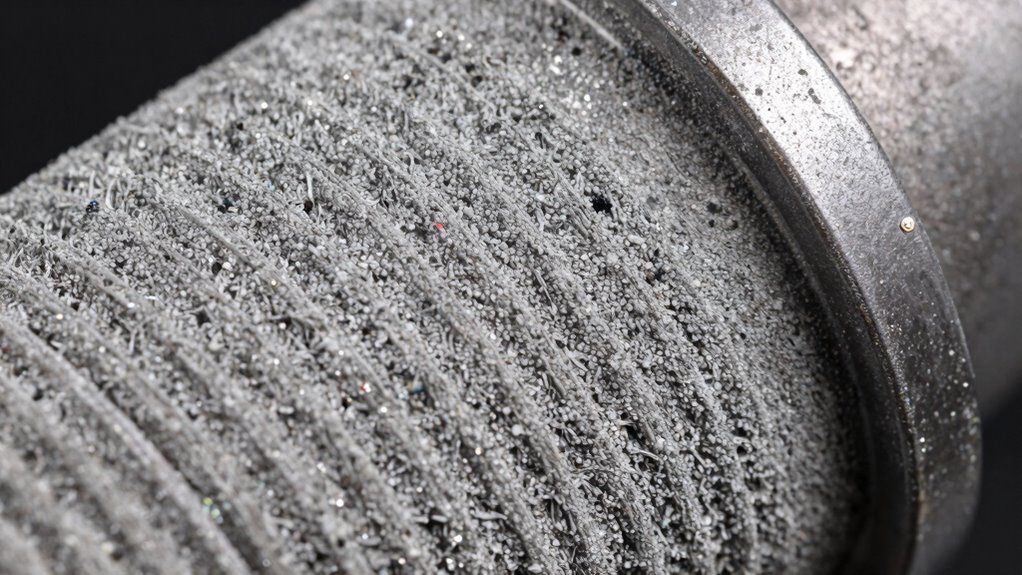
Because high SAPS levels contain metal additives, sulfur, and phosphorus, they produce ash and oxide deposits that can clog particulate filters and damage catalytic converters. These deposits accumulate in filter pores, reducing their ability to trap soot and increasing the risk of clogging. Oxides from sulfur and phosphorus can form thick layers on catalyst surfaces, impairing their ability to convert harmful emissions. Over time, this buildup leads to increased back pressure, decreased engine efficiency, and costly repairs. High SAPS oils accelerate ash and oxide formation, shortening filter and converter lifespan. Conversely, low SAPS formulations generate fewer deposits, helping filters stay cleaner longer and catalytic converters function effectively. This minimizes maintenance needs and guarantees compliance with emissions standards. Understanding these effects is essential for selecting the right engine oils to ensure optimal vehicle performance and longevity.
Understanding ACEA SAPS Categories for Engine Oil Selection
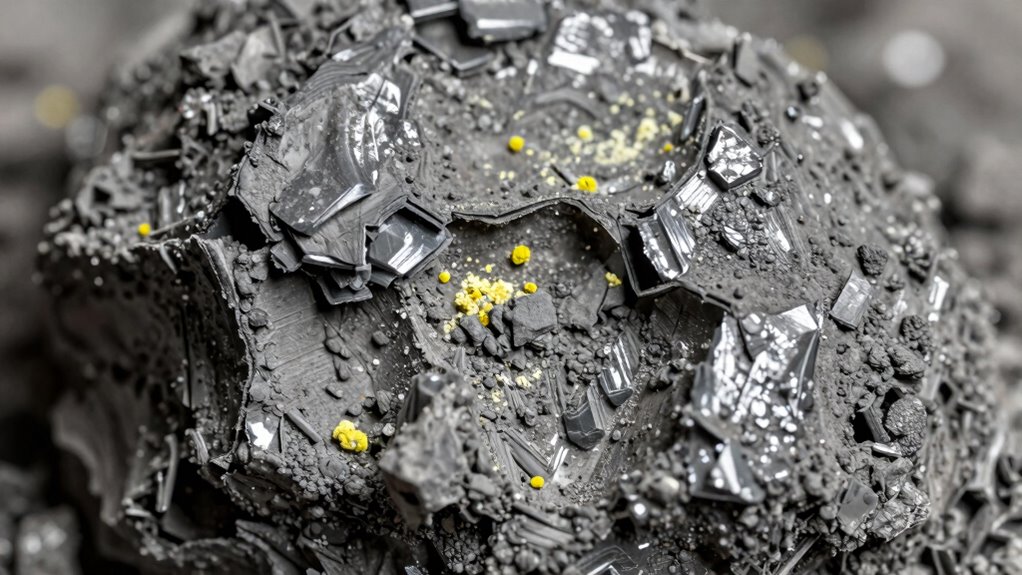
Understanding ACEA SAPS categories is essential when selecting the right engine oil for your vehicle, as these classifications indicate the oil’s sulfur, phosphorus, and sulfated ash content. Knowing these categories helps you choose oils that protect your engine and exhaust systems. Here are three key points:
Understanding ACEA SAPS categories helps select engine oils that protect engines and exhaust systems effectively.
- High SAPS oils (A3/B3, A3/B4, A5/B5, A7/B7) contain more additives, suitable for older engines but harmful to filters and catalysts.
- Mid SAPS oils (C2, C3, C5, C6) strike a balance, offering good protection for newer engines and exhaust aftertreatment devices.
- Low SAPS oils focus on minimal additive content, ideal for modern engines equipped with particulate filters and catalysts, supporting long-term durability. Understanding SAPS content is crucial for maintaining compliance with emission standards.
Choosing the right category guarantees ideal engine performance and compliance with emission standards.
Benefits of Using Low SAPS Oils for Long-Term Engine and Aftertreatment Device Durability

Using low SAPS engine oils can considerably enhance the long-term durability of your engine and its aftertreatment devices. These oils produce fewer ash, sulfur, and phosphorus deposits, which helps protect critical components like particulate filters and catalytic converters from clogging and damage. By reducing ash buildup, low SAPS oils maintain cleaner filter pores, ensuring efficient exhaust treatment over time. They also minimize the formation of harmful oxides that can deactivate catalysts, preserving emissions control systems’ performance. This leads to fewer service interruptions and prolongs the lifespan of your engine’s aftertreatment devices. Additionally, low SAPS oils support consistent engine operation, reduce maintenance costs, and help you meet strict environmental standards, ultimately ensuring your vehicle remains reliable and compliant for the long haul.
Debunking Myths About SAPS Levels and Engine Oil Performance
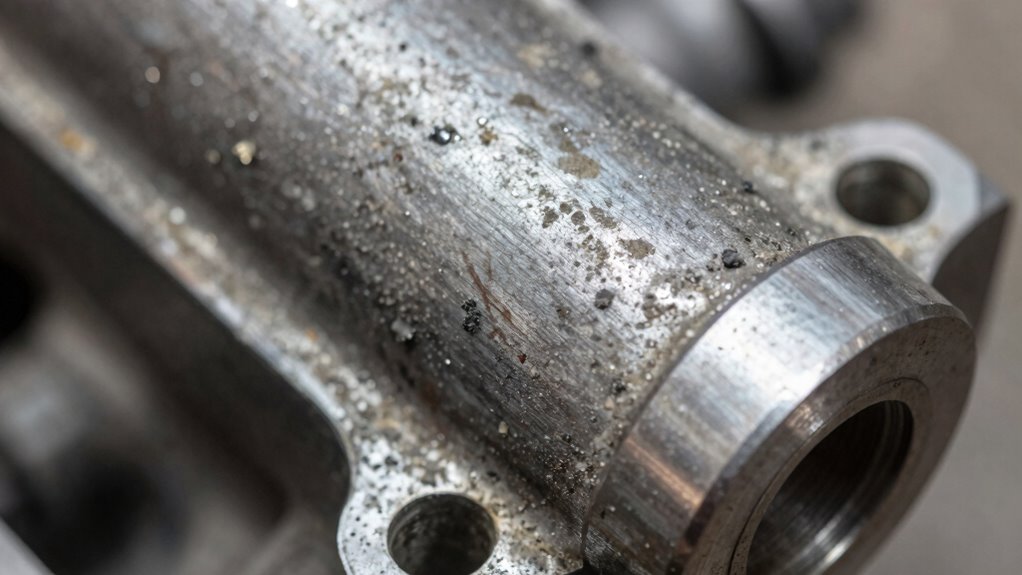
Many people believe that low SAPS oils compromise lubrication and engine life, but that’s a myth. Modern low SAPS formulations include advanced additives that guarantee reliable engine protection. You can trust these oils to support engine longevity while also protecting exhaust aftertreatment systems.
Clarifying SAPS Components
SAPS components—sulfated ash, sulfur, and phosphorus—are often misunderstood regarding their impact on engine oil performance. Many believe higher levels always mean worse engine health, but that’s not true. Understanding each component helps clarify their roles:
- Sulfated ash results from metal additives, forming deposits that can clog filters but also protect engine parts.
- Sulfur produces oxides during combustion, which can harm catalytic converters but are minimized in modern oils.
- Phosphorus aids in anti-wear protection but can deactivate catalysts if levels are too high.
These components are carefully balanced in different SAPS categories to optimize engine protection, emissions, and filter durability. It’s about choosing the right formulation for your vehicle’s needs, not just avoiding “high SAPS” oils. Understanding SAPS balances helps in making informed lubricant choices that support engine longevity and environmental compliance.
Myth: Low SAPS Reduces Lubrication
A common misconception is that lowering SAPS levels in engine oils compromises lubrication and engine protection. In reality, modern low SAPS oils are formulated with advanced additives that maintain excellent lubrication properties. These oils are designed to protect engine parts, reduce wear, and ensure smooth operation despite having reduced metal-containing additives. Manufacturers carefully balance additive chemistry to preserve film strength and friction control. Low SAPS oils also prevent the buildup of ash, which can clog filters and harm emission systems. As a result, they offer comparable or even superior lubrication performance to traditional high SAPS oils. So, reducing SAPS doesn’t mean sacrificing engine protection; it’s about optimizing performance while supporting cleaner emissions and longer-lasting exhaust after-treatment devices.
Impact on Engine Longevity
Contrary to the myth that low SAPS oils compromise engine longevity, modern formulations are engineered to protect engine components effectively. These oils are designed to prevent deposit buildup and reduce harmful wear, ensuring long-term durability.
Consider these points:
- Low SAPS oils contain advanced additives that minimize ash, protecting critical parts like catalytic converters and particulate filters.
- They help maintain cleaner engine internals, reducing sludge and deposit formation that can cause wear.
- Modern low SAPS oils meet strict standards, supporting consistent lubrication and preventing premature engine failure.
How to Select the Right Engine Oil Based on SAPS Ratings
Choosing the right engine oil involves understanding the SAPS ratings to guarantee compatibility with your vehicle’s emission control systems. First, check your owner’s manual or manufacturer’s recommendations. If your vehicle has a diesel particulate filter or catalytic converter, opt for mid or low SAPS oils, such as ACEA C2, C3, or C5. These oils contain fewer sulfated ash, sulfur, and phosphorus, reducing filter clogging and catalyst deactivation. For older engines without advanced emission systems, high SAPS oils like ACEA A3/B3 or B4 may be suitable. Always verify the oil’s specifications align with your vehicle’s requirements. Choosing the correct SAPS-rated oil ensures excellent engine performance, protects emission systems, and complies with environmental standards.
Frequently Asked Questions
How Do SAPS Levels Affect Engine Oil Recycling and Disposal?
Higher SAPS levels make engine oil recycling and disposal more challenging because they contain more metal additives, sulfur, and phosphorus. These substances produce ash, sludge, and harmful emissions, complicating waste processing. Lower SAPS oils generate less residue, easing recycling. By choosing low SAPS oils, you help reduce environmental impact, simplify disposal, and support more effective recycling processes, ensuring better protection for your engine and the planet.
Are Low SAPS Oils Compatible With Older Engine Designs?
Yes, low SAPS oils can be compatible with older engine designs, but you should check your vehicle’s manufacturer recommendations first. Some older engines were designed for high SAPS oils and might not operate efficiently with low SAPS formulations. If your engine is compatible, switching to low SAPS oil can benefit emissions and help protect catalytic converters. Always consult your owner’s manual or a mechanic before making the switch.
Can High SAPS Oils Cause Long-Term Engine Damage?
Yes, high SAPS oils can cause long-term engine damage. They produce more ash, sulfur, and phosphorus, which can clog filters, harm catalytic converters, and cause sludge buildup over time. This buildup reduces engine efficiency, increases wear, and may lead to costly repairs. Using high SAPS oils in modern engines with emission control devices might accelerate component degradation and shorten the engine’s lifespan.
What Are the Environmental Benefits of Low SAPS Engine Oils?
Think of low SAPS engine oils as a gust of fresh air for your vehicle and the environment. They reduce harmful emissions by minimizing sulfur and phosphorus oxides, which helps protect catalytic converters and particulate filters. This means cleaner exhaust gases, better air quality, and a healthier planet. By choosing low SAPS oils, you’re actively supporting environmental sustainability and ensuring your engine runs efficiently while lowering your ecological footprint.
Do Low SAPS Oils Require Different Maintenance Intervals?
No, low SAPS oils typically don’t require different maintenance intervals. You should follow your vehicle manufacturer’s recommended oil change schedule, as low SAPS formulations are designed to work effectively within those guidelines. In fact, these oils often help maintain engine cleanliness and emissions systems longer, so sticking to the regular intervals ensures maximum performance. Just ensure you use the right oil category specified for your vehicle.
Conclusion
Choosing the right engine oil with appropriate SAPS levels can notably extend your engine’s life and ensure compliance with emissions standards. Did you know that low SAPS oils can reduce particulate emissions by up to 20%? By understanding SAPS components—sulfated ash, phosphorus, and sulfur—you make informed decisions that improve performance and protect your vehicle’s aftertreatment systems. Stay updated, select wisely, and keep your engine running smoothly for years to come.