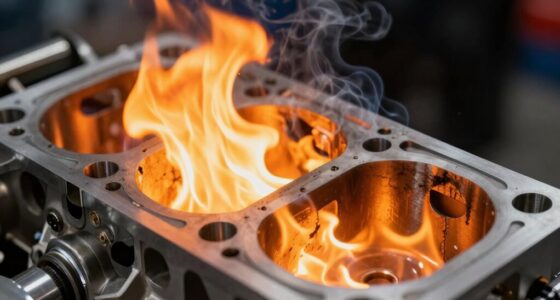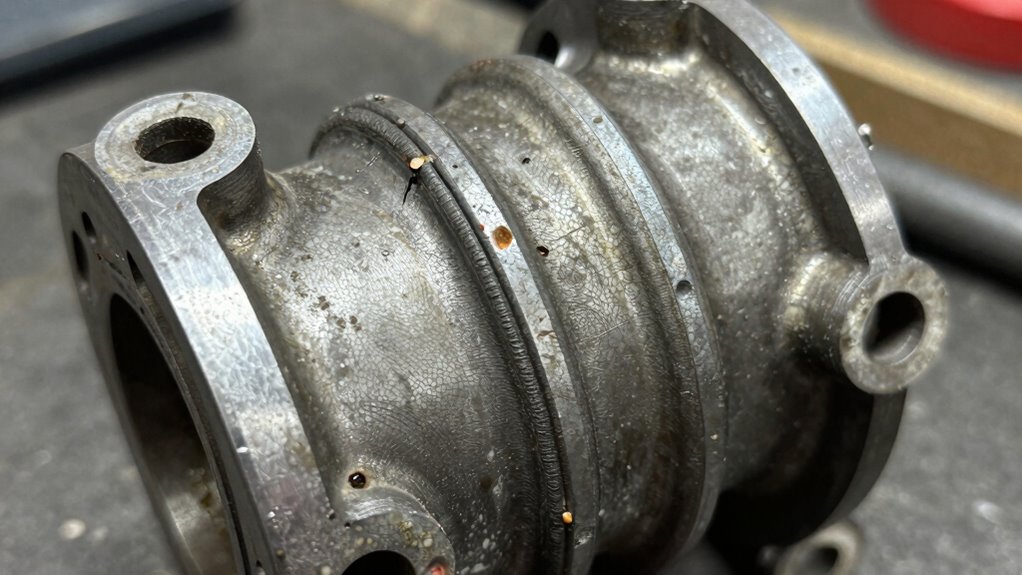

LSPI, or low-speed pre-ignition, causes your turbocharged GDI engine to fire prematurely, often during low-speed, high-torque conditions like quick acceleration. It can create shock waves that crack pistons and damage internal parts, leading to engine failure—sometimes seeming like bad luck. Using better oils, lower ethanol fuels, and gentle driving habits help prevent LSPI. Want to know how to spot it early and protect your engine? Keep going for essential tips.

Get business pricing on garage and car supplies
- Business-only prices and quantity discounts
- Tax-exempt purchasing
- Multiple users, one account, clear invoices
Key Takeaways
- LSPI is premature ignition in turbocharged GDI engines causing engine knocking and potential severe damage.
- It occurs during low-speed, high-torque conditions due to deposit buildup and hot particles.
- Detectable through engine knocking, rough idling, and pressure spikes during engine cycle analysis.
- Using high-quality oils and fuels with low ethanol content helps prevent LSPI.
- Gentle driving and regular maintenance reduce LSPI risk and protect engine longevity.
high quality engine oil for GDI engines
As an affiliate, we earn on qualifying purchases.
As an affiliate, we earn on qualifying purchases.
What Is LSPI and Why Does It Matter for Your Engine
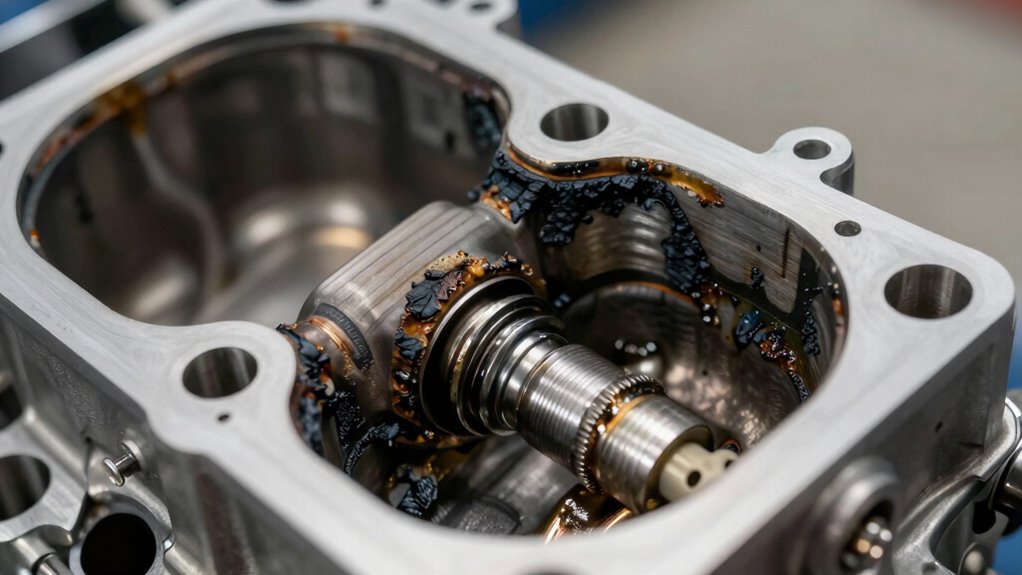
Have you ever wondered what low-speed pre-ignition (LSPI) is and why it can be so damaging to your engine? LSPI happens when the fuel-air mixture ignites prematurely, before your spark plug fires. This uncontrolled combustion occurs during the *changeover* from the compression stage to the power stroke, mainly affecting turbocharged GDI engines from 2010 onward. When LSPI occurs, it creates shock waves that collide with the piston, generating extreme pressures—sometimes over 300 bar—that your engine isn’t built to handle. This can lead to cracked pistons, broken connecting rods, and even catastrophic engine failure. Because LSPI often happens during low-speed, high-torque conditions like rapid acceleration, it’s a hidden threat that can cause serious, costly damage without warning. Additionally, understanding the environmental impact of tissue paper can help promote more eco-friendly crafting practices when selecting materials.
As an affiliate, we earn on qualifying purchases.
What Causes LSPI and How You Can Minimize the Risk
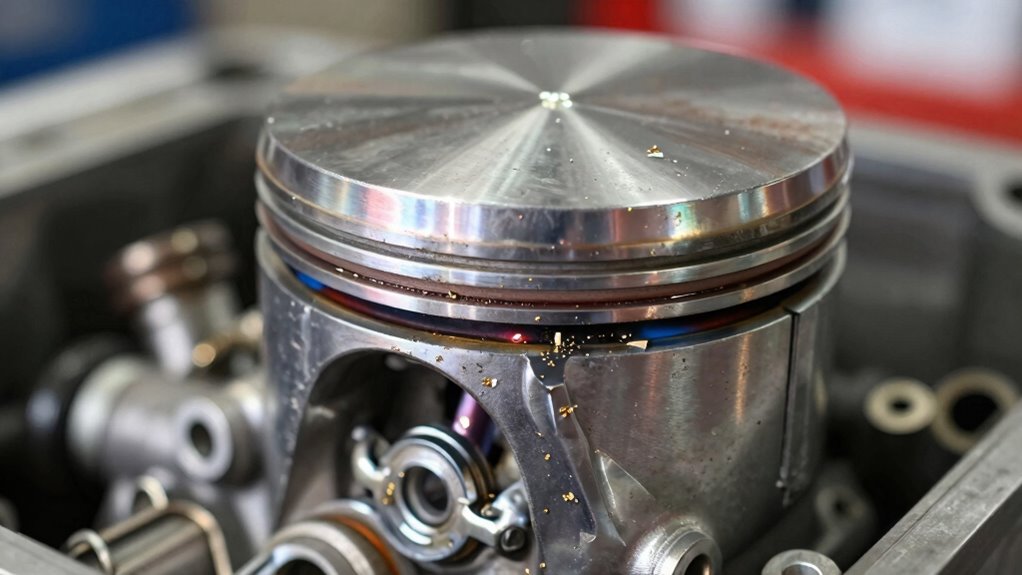
LSPI is primarily caused by the formation of fuel-oil droplets, hot particles, and deposits that ignite prematurely. These issues create conditions where combustion occurs before the spark plug fires, often during low-speed, high-torque situations. To minimize your risk, focus on these strategies:
- Use API SP or higher-quality engine oils to reduce deposit buildup.
- Choose fuels with lower ethanol content, as higher ethanol levels decrease LSPI likelihood.
- Avoid heavy acceleration or engine loading at low RPMs and speeds.
- Maintain proper engine tuning and regular maintenance to prevent deposit formation.
- Use fuel additives designed to clean injectors and reduce harmful deposits.
- Regularly check for deposits and engine wear to catch potential issues early and prevent LSPI.
As an affiliate, we earn on qualifying purchases.
How LSPI Damages Your Engine and What to Watch For
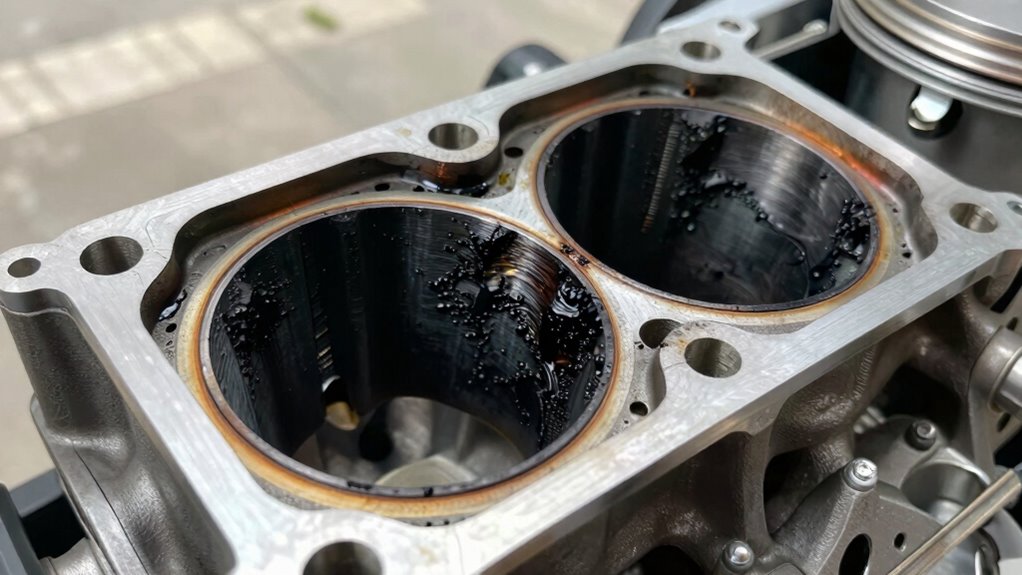
When LSPI occurs, it can cause serious damage to your engine components, especially pistons and connecting rods. You might notice knocking sounds or rough idling as signs of internal stress or damage. Over time, repeated LSPI events can reduce your engine’s long-term performance and lead to costly repairs. Proper engine maintenance and monitoring can help prevent the occurrence of LSPI and protect your engine from such damage.
Engine Component Damage
Uncontrolled combustion from LSPI exerts extreme pressure inside the engine, causing immediate and lasting damage to critical components. The intense shock waves can crack pistons, leading to broken sections or complete piston failure. Connecting rods are also at risk, as they endure forces far beyond normal operation, risking bending or snapping. The piston crevices experience stress from shock wave collisions, weakening their structural integrity over time. Repeated LSPI events can cause metal fatigue, resulting in engine block damage. Additionally, hot combustion gases can erode valve seats and pistons, reducing engine efficiency.
- Cracked pistons and piston fragmentation
- Bent or broken connecting rods
- Damaged valve seats and pistons
- Engine block stress and cracking
- Accelerated wear of internal parts
Signs of Engine Knocking
Engine knocking is often one of the first noticeable signs that your engine has suffered damage from LSPI. You may hear knocking or pinging sounds, especially during low-speed, high-torque situations like acceleration from a stop. These sounds result from premature ignition causing shock waves inside the combustion chamber. You might also notice rough idling or engine hesitation, which indicates inconsistent combustion. In some cases, the knocking is so severe that it causes a noticeable vibration through the vehicle. While these symptoms can seem minor, they signal that the engine is experiencing abnormal pressure and stress. Ignoring knocking can lead to more serious damage, such as cracked pistons or damaged valves, making early detection essential to prevent costly repairs.
Long-Term Performance Impact
Repeated engine knocking from LSPI doesn’t just cause immediate discomfort; it can lead to long-term damage that compromises your engine’s reliability. Over time, uncontrolled combustion weakens critical components, increasing the risk of costly failures. The repeated shock waves from LSPI can cause:
- Cracked pistons and piston rings
- Damaged connecting rods
- Worn cylinder walls and valve seats
- Accelerated engine wear and deposits
- Reduced compression and efficiency
These issues diminish engine performance, lead to power loss, and can cause complete engine failure. Ignoring early signs may result in expensive repairs or replacements. Protect your engine by addressing LSPI promptly, using proper lubricants, and avoiding aggressive driving during low-speed, high-torque conditions. Long-term, LSPI can turn a small problem into a significant, costly headache. Proper engine maintenance, including regular inspections, can help identify early signs of LSPI-related damage before it becomes severe.
As an affiliate, we earn on qualifying purchases.
How to Detect LSPI: Symptoms and Testing Methods
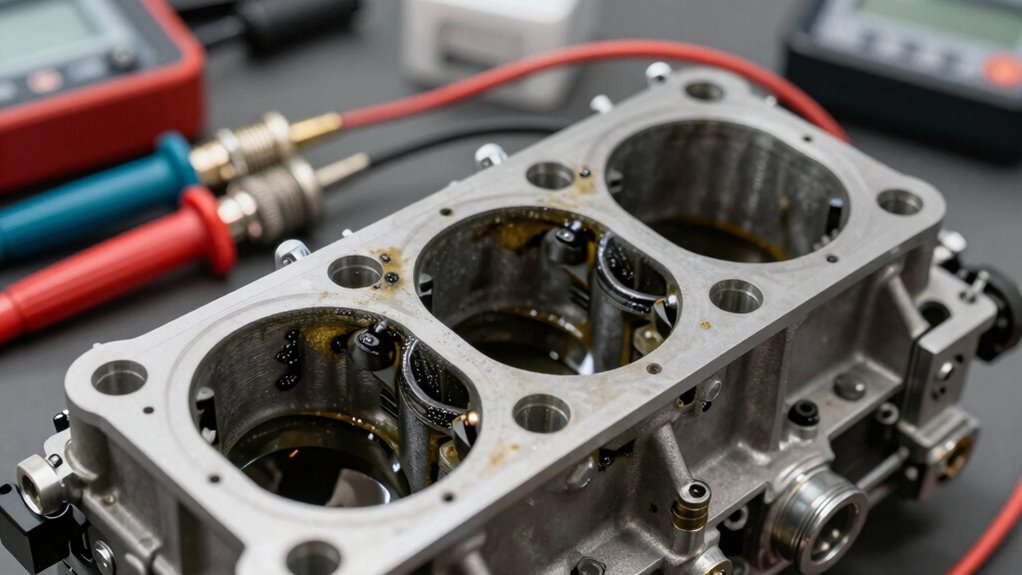
You can spot LSPI by paying attention to engine knocking or rough idling, especially during low-speed acceleration. Testing methods involve analyzing engine cycle data for unusual pressure spikes and timing anomalies. By examining these patterns, you can accurately identify LSPI events before they cause serious damage. Recognizing LSPI is important, as it can be linked to engine heritage and the design factors that influence engine performance.
Recognizing Engine Knocking
How can you tell if your engine is experiencing knocking caused by LSPI? You might notice unusual engine sounds, like a knocking or rattling noise, especially during low-speed acceleration. The engine may run rough or hesitate, and you might feel a slight loss of power. In some cases, the engine may stall or vibrate more than usual. To identify LSPI, listen for signs of abnormal combustion. Keep in mind:
- Rapid, metallic knocking sounds during acceleration
- Sudden engine hesitation or rough idling
- Increased vibration or engine shake
- Unusual power loss during low-speed operation
- Engine warning lights appearing on the dashboard
Recognizing these symptoms early can help prevent severe damage. If you suspect LSPI, consider testing engine cycle data for abnormal combustion patterns. Engine knocking is a critical indicator that should not be ignored.
Using Engine Cycle Data
Detecting LSPI requires analyzing engine cycle data to identify abnormal combustion events. You look for outliers in key metrics like peak pressure and crank angle of 2% mass fraction burned (MFB02). These indicators reveal early or abnormal ignition. To do this, you record thousands of engine cycles at consistent speed and load, then perform statistical analysis—calculating mean and standard deviation—to pinpoint anomalies. Testing focuses on individual cylinders to identify where LSPI occurs. Here’s a quick overview:
| Step | Action |
|---|---|
| Collect data | Record 25,000+ engine cycles under steady conditions |
| Analyze | Calculate mean, standard deviation, identify outliers |
| Identify | Detect abnormal combustion events indicating LSPI |
This process helps you catch LSPI before it causes damage. Additionally, understanding Free Floating combustion phenomena can aid in distinguishing LSPI from other engine issues.
How Oil, Fuel, and Driving Habits Affect LSPI Prevention
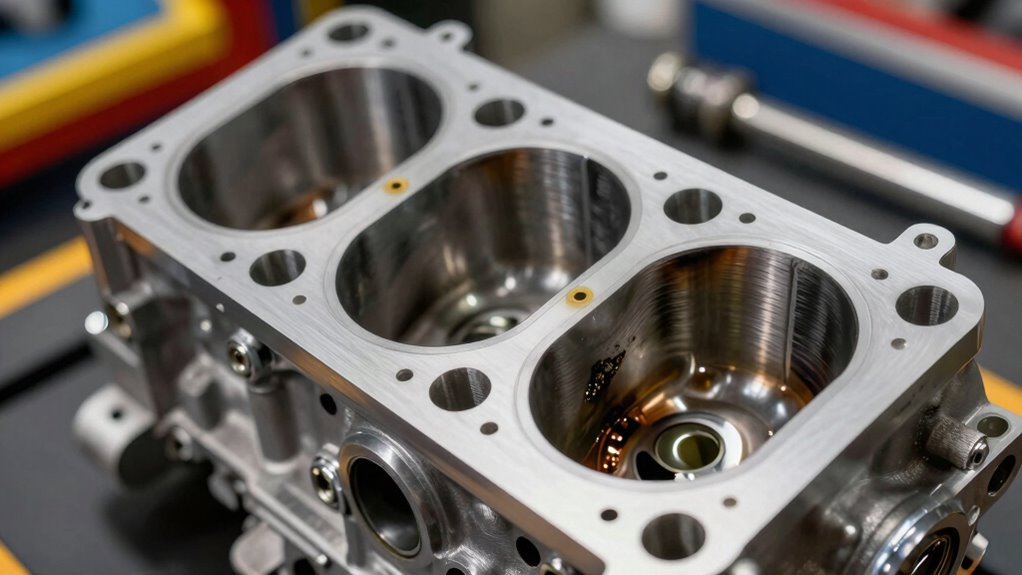
Oil quality, fuel type, and driving habits play crucial roles in preventing LSPI events. Using high-quality oils that meet API SP standards helps reduce deposits and oil-fuel interactions that lead to fuel-oil droplets, a primary LSPI trigger. Choosing fuels with lower ethanol content minimizes the risk of pre-ignition caused by chemical variations. Your driving habits also matter; avoiding rapid acceleration and heavy loads during low-speed, low-RPM conditions reduces stress on the engine, lowering LSPI chances. To emphasize:
- Use oils formulated to control deposits and oil-fuel contact
- Opt for fuels with low ethanol content
- Avoid sudden, aggressive acceleration from a stop
- Maintain consistent engine load and speed
- Follow manufacturer recommendations for oil and fuel choices
- Proper engine maintenance and attentive driving can further help prevent LSPI incidents.
These practices help create a more stable combustion environment, reducing LSPI risks.
Practical Strategies to Protect Your Engine From LSPI
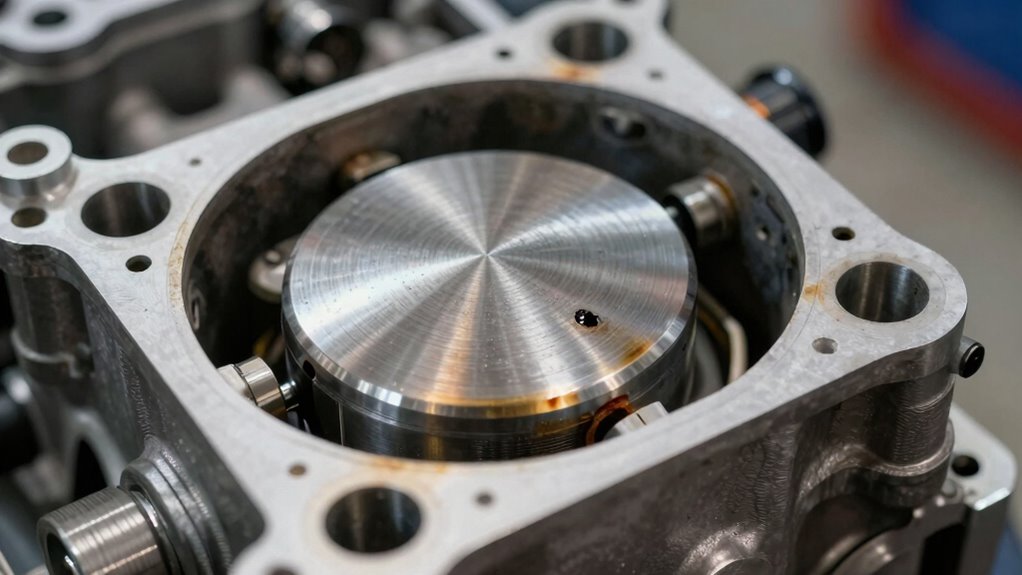
To effectively shield your engine from LSPI, adopting practical strategies can make a significant difference. First, use a high-quality API SP or newer oil that reduces deposit formation and minimizes fuel-oil interactions. Regularly check and change your oil according to the manufacturer’s schedule, especially if you drive under low-speed, high-torque conditions. Choose fuels with lower ethanol content, as they’re less prone to cause pre-ignition. Avoid aggressive acceleration and heavy loads during low RPMs and cold starts, which heighten LSPI risk. Consider using fuel additives designed to improve combustion stability and reduce deposits. Additionally, ensuring your vehicle has proper vehicle maintenance can help prevent issues like LSPI. Finally, stay attentive to your engine’s performance—any knocking or rough idling might signal LSPI, prompting timely maintenance or diagnostic checks. These steps can help protect your engine and extend its lifespan.
Frequently Asked Questions
Can LSPI Occur in Non-Turbocharged Engines?
Yes, LSPI can occur in non-turbocharged engines, but it’s less common. You’re more likely to see it in turbocharged GDI engines because they operate at higher pressures and temperatures, which increase the risk of premature ignition. If you drive a non-turbo GDI engine, you still need to be cautious, especially during low-speed, high-torque situations, as LSPI can happen under these conditions too. Proper maintenance and quality fuel can help reduce this risk.
Does Engine Age Increase LSPI Risk?
Think of your engine as a delicate clockwork; as it ages, parts wear like an old, frayed rope, making it more prone to issues like LSPI. The risk increases because deposits build up, lubrication becomes less effective, and tolerances loosen, creating perfect conditions for pre-ignition. Regular maintenance and using high-quality oils can help keep your engine ticking smoothly, even as it ages.
Are There Specific Vehicle Models More Prone to LSPI?
Yes, certain vehicle models are more prone to LSPI. If you drive turbocharged, direct-injection gasoline engines from 2010 or newer, you’re at higher risk, especially if they have smaller displacements or specific fuel system designs. Manufacturers like General Motors, Ford, and Fiat have earlier models with known LSPI issues. Staying updated on manufacturer recalls or service bulletins can help if you own one of these models.
How Often Should I Have My Engine Checked for LSPI?
Think of your engine as a delicate orchestra that needs regular tuning. You should have it checked for LSPI at every oil change, roughly every 5,000 to 7,500 miles, especially if you notice rough idling or knocking sounds. Regular inspections help catch early signs of LSPI, preventing costly damage. Staying vigilant keeps your engine singing smoothly, so don’t skip those checked points—your engine’s health depends on it.
Can Aftermarket Modifications Help Prevent LSPI?
Yes, aftermarket modifications can help prevent LSPI, but they should be chosen carefully. Upgrading to high-quality lubricants that meet API SP standards reduces deposit formation and oil droplets, lowering LSPI risk. Additionally, installing engine tuning devices to optimize fuel-air mixture and ignition timing can minimize pre-ignition occurrences. However, consult with experts to guarantee modifications don’t negatively impact engine performance or emissions, and always follow manufacturer guidelines.
Conclusion
Think of LSPI like a silent burglar sneaking into your engine’s house—small, unseen, but capable of causing big damage. By staying vigilant with proper maintenance, using the right oil, and adjusting your driving habits, you can keep this thief at bay. Just like locking your doors, these steps protect your engine from hidden threats. Don’t let “bad luck” surprise you—act now to safeguard your engine’s future and keep it running smoothly.
Fall Picks
fall essentials
As an affiliate, we earn on qualifying purchases.